Defining Amphibians and Their Place in the Animal Kingdom
Amphibians are ectothermic, vertebrate animals belonging to the taxonomic class Amphibia. The term stems from the Greek word amphibious, which translates roughly to leading a double life. This name reflects their classic biological journey, which begins as an aquatic, gill-breathing larva and culminates in a lung-breathing or cutaneous-breathing terrestrial or semi-aquatic adult. While this ancestral life cycle represents the textbook model, modern amphibian biology encompasses a remarkable spectrum of specialized reproductive strategies and ecological adaptations.
Unlike mammals and birds, amphibians lack internal mechanisms to regulate their body temperature, relying instead on ambient heat sources in their environment to drive metabolism, digestion, and immune defense. Unlike reptiles, amphibians do not produce amniotic eggs with leathery or calcified shells. Instead, their non-amniotic eggs are encased in soft, gelatinous capsules that require direct moisture or complete submersion in water to prevent fatal desiccation.
In global ecosystems, amphibians serve as crucial middle-tier predators and vital environmental indicators. Their exceptionally permeable skin makes them unusually sensitive to chemical pollutants, climate fluctuations, and emerging fungal pathogens. As captive pets, they offer a captivating glimpse into ancient evolutionary biology, though their physiology demands strict environmental control and a hands-off approach to daily management.
Core Biological Traits That Set Amphibians Apart
The defining physiological hallmark of any amphibian is its moist, highly permeable glandular skin. Amphibian skin lacks the epidermal scales found on reptiles, the feathers of birds, or the protective keratinized hair of mammals. Instead, it is equipped with extensive networks of capillary beds near the surface, allowing for cutaneous respiration—the direct absorption of oxygen and release of carbon dioxide through the skin itself. For many species, cutaneous gas exchange supplements or entirely replaces pulmonary respiration.
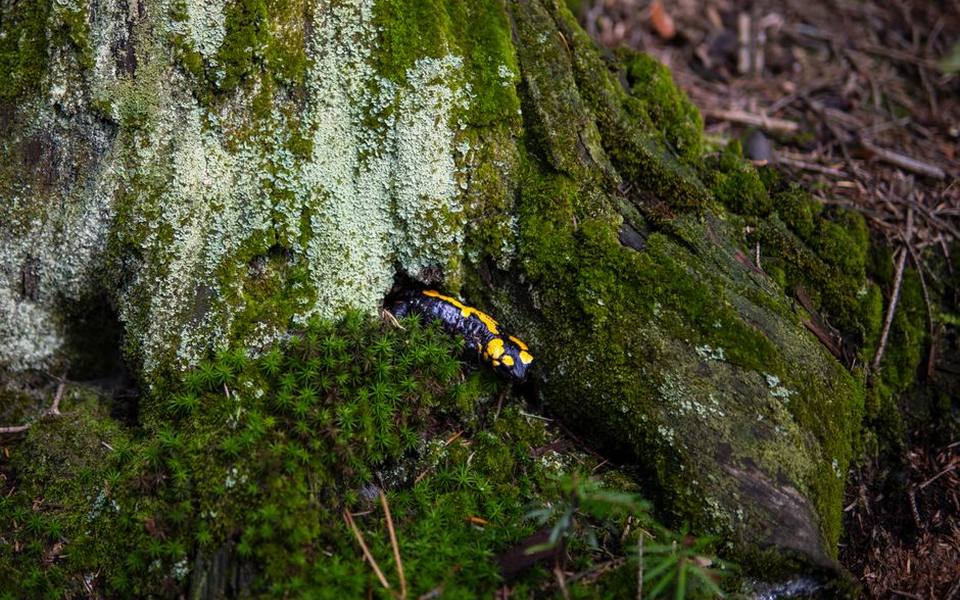
This exceptional skin permeability presents a constant physiological trade-off. While it facilitates gas exchange and moisture absorption without the need to actively drink standing water, it also permits the unregulated passage of airborne toxins, chlorine, detergents, and heavy metals. Amphibian epidermis is kept functional by specialized mucous glands that produce a protective coating, alongside granular glands that synthesize bioactive secretions ranging from mild deterrents to potent neurotoxins.
Anatomically, amphibians are also distinguished by their skeletal structure and sensory systems. Most species lack true claws on their digits, possessing smooth pads or simple toes instead. Their eyes frequently feature specialized retractile muscles that pull the globes inward to aid in swallowing food boluses. Additionally, their cardiovascular system centers around a three-chambered heart composed of two atria and a single ventricle, which directs mixed oxygenated and deoxygenated blood through specialized circulatory arches.
The Three Orders of Modern Amphibians
Modern amphibians are grouped under the subclass Lissamphibia, which is split into three distinct extant orders: Anura, Caudata, and Gymnophiona. The largest and most recognizable order is Anura, comprising frogs and toads. Characterized by tailless adult bodies, elongated hind limbs specialized for saltatorial locomotion, and wide mouths, anurans inhabit almost every continent except Antarctica. They possess well-developed vocal cords used for complex breeding choruses and territorial communication.
The second order, Caudata, also known as Urodela, includes salamanders, newts, and sirens. Unlike anurans, caudates retain a long tail throughout adulthood, feature roughly equal-length limbs set at right angles to the body, and generally move via lateral undulation reminiscent of primitive swimming motions. Caudates typically favor cooler, micro-humid environments such as damp forest floors, subterranean burrows, and clean freshwater streams. Several caudate lineages display neoteny, retaining juvenile aquatic traits into reproductive adulthood.
The third order, Gymnophiona, also known as Apoda, encompasses the caecilians. These limbless, burrowing or aquatic creatures resemble earthworms or eels at first glance. Caecilians possess ring-like dermal folds called annuli, reduced eyes covered by skin or bone, and specialized sensory tentacles near their snout to navigate subterranean substrates. While rarely kept by casual hobbyists due to their secretive burrowing habits, they represent an essential branch of amphibian diversity.
Understanding Metamorphosis and Unique Life Cycles
The quintessential amphibian developmental cycle unfolds in three primary phases: the egg, the free-swimming larval stage, and the metamorphosed juvenile. When adult anurans mate, typically through an embrace termed amplexus, eggs are fertilized externally in water. The resulting larvae, commonly known as tadpoles, possess internalized or external gills, a cartilaginous skeleton, a finned tail, and specialized scraping mouthparts designed for herbivorous or detritivorous feeding. Over weeks or months, thyroid hormones trigger systemic remodeling, dissolving the tail, growing limbs, and transitioning the digestive tract toward carnivory.
Salamander larvae experience a parallel transformation, though their anatomical shift appears less dramatic because they hatch with identifiable heads, developing limbs, and external branching gills while retaining a carnivorous diet throughout their life cycle. During metamorphosis, these external gills are absorbed as functional lungs develop, the tail fin recedes, and the skin thickens to resist terrestrial abrasion and mild dehydration.
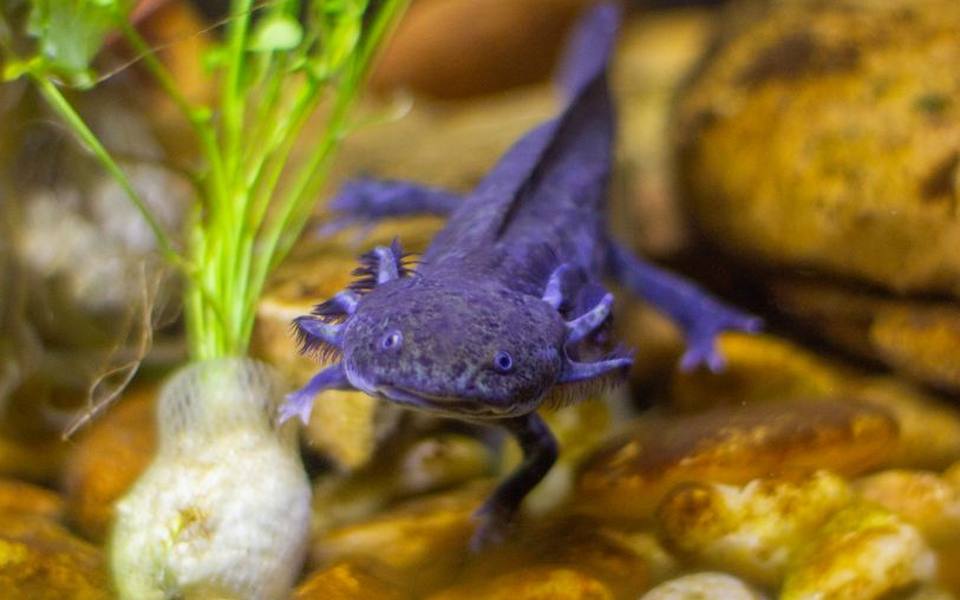
Evolution has also produced remarkable deviations from standard biphasic development. In direct-developing species, such as certain tropical terrarium frogs, the free-swimming tadpole phase is bypassed entirely within the terrestrial egg capsule, and miniature fully-formed froglets hatch directly. Conversely, obligate neotenes like the popular axolotl retain functional external gills, tail fins, and entirely aquatic habits for their entire lifespan, reproducing without ever transitioning to terrestrial physiology.
Amphibians Versus Reptiles: Clearing Up Common Confusion
Because amphibians and reptiles share ectothermic metabolisms and are historically grouped together under the umbrella of herpetology, beginners frequently mistake them for one another. However, their evolutionary divergence occurred hundreds of millions of years ago, resulting in stark biological differences. The most fundamental distinction lies in reproductive architecture. Reptiles produce amniotic eggs protected by tough shells and embryonic membranes that retain moisture, allowing them to reproduce successfully in arid desert environments where amphibian eggs would perish.
Their outer integument presents another stark contrast. Reptiles possess dry, keratinized scales or osteoderms that act as a durable water-retention barrier, shielding them against chemical absorption and physical abrasion. In contrast, amphibians lack true scales entirely, leaving their bare dermis exposed to gas, fluid, and chemical exchange. This physiological difference means reptiles drink free water orally, whereas amphibians absorb hydration primarily through a permeable pelvic patch on their lower abdomen.
Behavioral and diagnostic considerations also separate the two groups. Reptiles generally tolerate routine handling far better than amphibians, whose fragile epidermal mucous layers are easily damaged by human skin oils and salt. While many of the same specialized reptile vets provide clinical care for both classes, treating an amphibian requires distinct pharmaceutical dosing, unique surgical anesthesia protocols, and an acute awareness of skin-mediated chemical absorption.
Popular Amphibian Species Kept in Home Vivariums
A wide variety of captive-bred amphibians are established in the pet trade, each presenting distinct space, environmental, and thermal requirements. Among terrestrial anurans, Pacman frogs from the genus Ceratophrys are enduring favorites. These ambush predators spend most of their time burrowed into moist coconut fiber substrate, moving very little but possessing voracious appetites. Their care focuses heavily on substrate cleanliness, correct moisture levels, and preventing accidental ingestion of foreign objects during feeding.
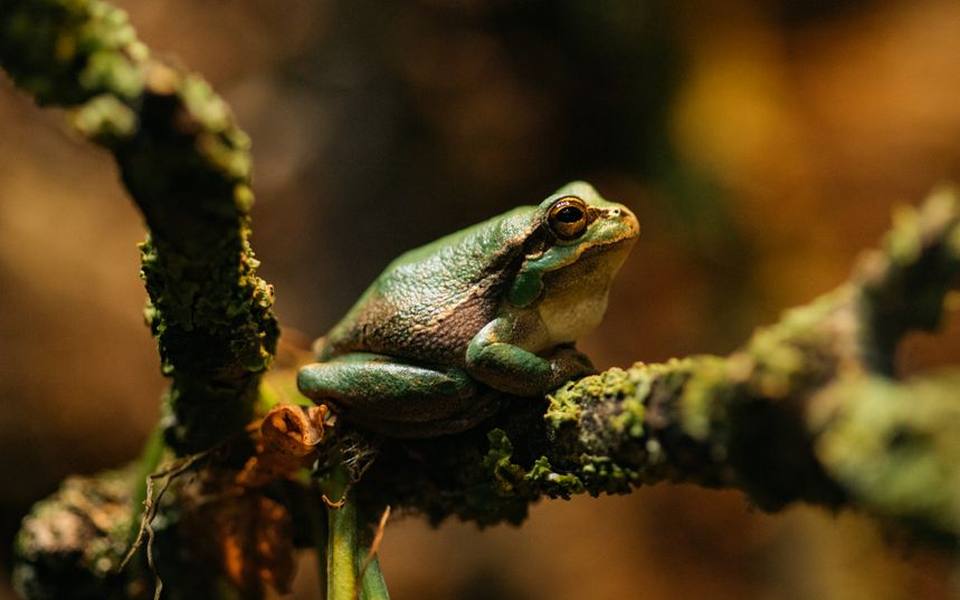
Arboreal species, such as White's tree frogs and red-eyed tree frogs, offer a different ownership dynamic. White's tree frogs are notably hardy, tolerating moderate humidity fluctuations better than delicate montane frogs, and they readily display bold, inquisitive personalities inside vertical enclosures. Poison dart frogs, widely admired for their brilliant aposematic coloration, lose their wild toxicity in captivity because their captive diet lacks the specific formic acid-producing prey found in tropical rainforests, making them safe display inhabitants for meticulously planted bioactive terrariums.
Within the order Caudata, the Mexican axolotl dominates the captive aquatic scene. Axolotls require spacious aquariums filled with cool, clean, conditioned freshwater, strictly avoiding fine gravel substrates that can cause fatal gastrointestinal impaction. Terrestrial caudates, such as tiger salamanders and Spanish ribbed newts, appeal to keepers who appreciate cooler vivariums with deep, damp burrowing soil and leaf litter.
Enclosure Design, Substrates, and Microclimate Control
Designing a successful enclosure for an amphibian requires precise replication of its native microclimate rather than simple room-temperature housing. Terrestrial and arboreal frogs need moisture-retentive, chemical-free substrates such as organic topsoil mixes, milled coconut coir, or bioactive layers supported by drainage gravel separated by mesh barriers. Substrates containing perlite, synthetic fertilizers, or loose pea gravel must be avoided, as hungry amphibians frequently snap up nearby debris, leading to severe intestinal blockages.
Humidity gradients are paramount to prevent dehydration while avoiding stagnant, mold-inducing conditions. Maintaining ambient humidity between specified ranges—typically anywhere from 60 percent for hardier tree frogs to well over 85 percent for cloud-forest dart frogs—depends on proper enclosure ventilation. Fine mesh screens allow too much humidity to escape, while completely sealed glass tops cause respiratory infections due to dead air. Keepers balance this using misting cycles and controlled ventilation baffles.
Thermal parameters must be tailored carefully according to the species' geographic origin. While temperate salamanders often decline rapidly if ambient room temperatures climb above the low seventies, tropical tree frogs require a gentle thermal gradient with a localized warm area in the low eighties. Because amphibians are vulnerable to thermal burns, heat sources such as ceramic heat emitters must always be mounted outside the enclosure and regulated by reliable digital thermostats.
Water Quality Chemistry and Chemical Toxicity Hazards
Because an amphibian's skin acts as a bidirectional membrane, water quality is arguably the most critical environmental parameter in captive management. Municipal tap water contains disinfectants such as chlorine and chloramines, both of which are lethal to amphibians even in trace concentrations. Municipal water may also carry trace copper, zinc, and dissolved salts that leach from domestic plumbing. Consequently, all water used for misting, soaking, and aquatic systems must be treated with an aquarium conditioner formulated to neutralize both chlorine and heavy metals.
Distilled or reverse-osmosis water should never be used exclusively for soaking dishes or aquatic habitats without remineralization. Pure demineralized water creates a severe osmotic imbalance, drawing essential electrolytes out through the animal's permeable skin and leading to systemic organ failure. Using spring water or properly remineralized purified water maintains physiological equilibrium without introducing chemical contaminants.
In aquatic setups housing axolotls or newts, establishing an active biological nitrogen cycle is vital. Ammonia and nitrite produced by decaying food and metabolic waste disrupt blood oxygenation and burn sensitive external tissues. Regular water testing, mechanical filtration that avoids excessive water currents, and routine partial water changes are essential to keep toxic dissolved compounds at zero parts per million.
Nutrition Protocols, Supplementation, and Safe Handling
All adult amphibians are obligate carnivores, feeding primarily on living invertebrate prey. In captivity, relying on a single feeder insect leads to profound nutritional deficiencies over time. Diets should rotate through appropriately sized dubia roaches, captive-cultured crickets, nightcrawlers, silkworms, and black soldier fly larvae. Feeders must be gut-loaded with nutrient-dense vegetables and grains for at least twenty-four to forty-eight hours before being offered to the animal.
Nutritional metabolic bone disease is a pervasive issue in captive amphibians denied proper mineral balance. Feeder insects generally possess poor calcium-to-phosphorus ratios. Therefore, food items must be lightly dusted with a high-grade calcium powder, alongside a balanced multivitamin containing preformed vitamin A. Unlike mammals, many amphibians cannot synthesize active vitamin A efficiently from beta-carotene, making dietary retinol critical to prevent squamation and corneal lipidosis.
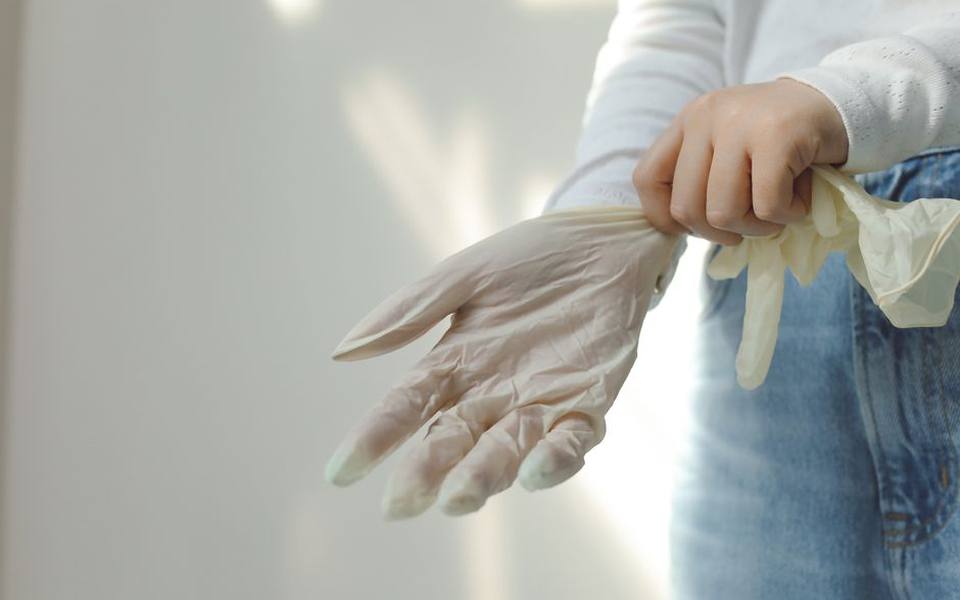
Physical handling should always be kept to an absolute minimum. Human hands carry natural salts, chemical residues from soap, and body heat that causes acute distress to cool-bodied amphibians. When handling becomes necessary for health checks, enclosure sanitation, or transport, keepers should thoroughly wash their hands with plain water and wear powder-free, water-moistened nitrile gloves to protect the animal's delicate mucous barrier.
Recognizing Illness and Accessing Veterinary Care
Amphibians exhibit subtle signs of systemic illness, often masking deterioration until advanced stages. Common symptoms of clinical distress include prolonged lethargy, cloudy eyes, skin sloughing irregularities, loss of righting reflexes, and sudden bloating. Infectious diseases such as chytridiomycosis—a fungal pathogen attacking keratinized epidermal structures—and bacterial dermatosepticemia, historically called red leg syndrome, can progress rapidly through a vivarium if left untreated.
Diagnosing and treating these delicate patients requires specialized expertise and micro-scale pharmacology. When health concerns arise, locating qualified clinicians through a directory of exotic pet veterinarians ensures access to practitioners trained in diagnostic skin scrapes, fungal testing, and delicate fluid therapy. In emergency situations involving systemic septicemia or severe impactions, transport to accredited exotic animal hospitals can make the difference between survival and sudden loss.
Amphibian owners should establish contact with a clinical provider immediately upon acquiring an animal rather than waiting for an emergency. Across the country, regional networks like exotic pet vets in Florida and neighboring states maintain specialized medical equipment tailored for animals weighing mere grams. Routine visual wellness checks, baseline fecal screenings for internal protozoan parasites, and proactive environmental quarantine protocols form the cornerstone of successful long-term amphibian stewardship.
Published 2026-09-21 · reviewed with each rebuild, last September 2026.
Find exotic pet vets near you
The directory lists 3,226 exotic pet vets by state and city — pick your state or use the “Near me” button in the header.
More guides
-
 Owning
What Are Amphibians? A Complete Guide to Amphibians as Exotic Pets
-
 Money
MoneyHow to Find Affordable and Emergency Vet Care for Exotic Pets
-
 Money
MoneyHow Much Does a Parrot Cost? Complete Exotic Bird and Pet Care Price Guide
-
 Owning
Can You Keep a Capybara as a Pet? Legality, Care, and Diet Requirements
-
 Owning
How to Treat and Get Rid of Snake Mites Safely
-
 Owning
Keeping Exotic Mammals: Can You Have a Fennec Fox or Kinkajou as a Pet?
-
 Money
MoneyLow-Cost Rabbit Neutering: What to Expect and How to Find Affordable Care
-
 Owning
What Is an Avian Pet? A Guide to Bird Care and Specialized Veterinary Medicine
-
 Service
How to Find and Choose the Right Exotic Pet Veterinarian
-
 Owning
Swim Bladder Disease in Aquarium Fish: Causes, Symptoms, and Treatment
-
Owning
How to Identify and Treat Mites and Skin Parasites in Reptiles, Snakes, and Rabbits
-
Safety
Rabbit GI Stasis Guide: Symptoms, Emergency Care, and Prevention
-
 Owning
Bearded Dragon Health Guide: Brumation, Impaction, Fungus, and Skin Issues
-
 Safety
Hamster Wet Tail Disease: Causes, Symptoms, Treatment, and Prevention
-
 Owning
Clinical Care Guide: Common Illnesses in Ferrets, Pythons, and Rabbits
-
Owning
Sugar Glider Diet and Feeding Guide: BML, TPG, and Nutritional Balance
-
Owning
Bird Grooming Guide: Wing Trimming, Beak Care, and Nail Maintenance
-
 Money
MoneyExotic Pet Insurance and Vet Costs: What Is Covered and Is It Worth It?
-
 Owning
Legal Exotic Pets and Ownership Laws: Permits, Licenses, and State Regulations
-
Owning
Bird Feather Plucking and PBFD: Causes, Symptoms, and Diagnostic Steps
-
 Service
Psittacine Health and Avian Veterinary Care Guide
-
 Service
How to Find and Evaluate Exotic Pet Clinics, Specialists, and Emergency Care
-
 Owning
Clinical Guide to Reptile Shell Disorders, Shedding Complications, and Impaction
-
 Owning
Small Mammal Healthcare: Managing Chronic Illness and Emergencies
-
 Safety
Avian Egg Binding and Yolk Peritonitis: Emergency Care and Clinical Protocols
-
 Owning
Bird Grooming, Wing Maintenance, and Early Illness Signs
-
 Service
Backyard Poultry and Waterfowl Veterinary Care Guide
-
 Buying
Exotic Pet Ownership: Legal Rules, Realistic Costs, and Beginner Options
-
 Service
Aquatic Medicine: Treating Swim Bladder and Fish Infections
-
 Money
MoneyRabbit Spay, Neuter, and Vaccination Costs: Complete Veterinary Guide
-
 Owning
Understanding Amphibians: Characteristics, Classification, and Pet Care Basics
-
 Owning
Bearded Dragon Brumation and Metabolic Bone Disease: Signs, Causes, and Care
-
 Buying
Parrot Ownership Guide: Prices, Types, and Avian Basics
-
 Owning
Complete Guide to Snake Mite Treatment: Products, Safe Sprays, and Vet Care
-
 Money
MoneyRabbit Spay and Neuter Costs: Vaccinations and Low-Cost Vet Options
-
 Owning
How to Get an Exotic Pet License: Legal Permits and Animal Ownership Laws
-
 Owning
Reptile Health Guide: Bearded Dragon Brumation, Metabolic Bone Disease, and Snake Mite Control
-
 Money
MoneyRabbit Spay, Neuter, and Vaccination Costs: Low-Cost Vet Guide
-
 Money
MoneyHow Much Does an Exotic Vet Cost? Emergency, Routine, and In-Home Care Guide