Understanding the Threat of Snake Mites
Eliminating snake mites requires a coordinated strategy that treats the animal and sterilizes its habitat across several life cycles. The primary culprit in captive collections is Ophionyssus natricis, a tiny parasitic mite that feeds on snake blood by lodging itself under the scales. Left unaddressed, a mild infestation can quickly balloon into a colony of thousands. These ectoparasites cause relentless discomfort, disrupt shedding cycles, and introduce dangerous bacterial infections into the bloodstream.
Mites are remarkably mobile and can easily travel between adjacent enclosures in a reptile room. They crawl along rack frames, climb cords, and hide inside small crevices during the daytime. Because adult mites spend significant time off the host laying eggs in cage seams, simply treating the reptile is never enough. Long-term success requires understanding that the enclosure itself is the primary reservoir of the infestation.
While wild reptiles occasionally carry low parasitic loads without severe distress, captive environments trap mites with their hosts in enclosed quarters. The continuous blood loss can produce systemic anemia in juveniles or smaller colubrids within just a few weeks. Managing this problem effectively demands patience, meticulous cleaning routines, and a structured treatment protocol that spans at least one full month.
Recognizing the Early Warning Signs
Catching an infestation early makes eradication significantly less stressful for both keeper and snake. The classic behavioral signal is prolonged soaking in the water bowl. Snakes submerge themselves instinctively in an attempt to drown the parasites chewing through their skin. If your snake suddenly spends days submerged, inspect the water surface immediately. You will often see tiny black specks floating on the water or sinking to the bottom dish corners.
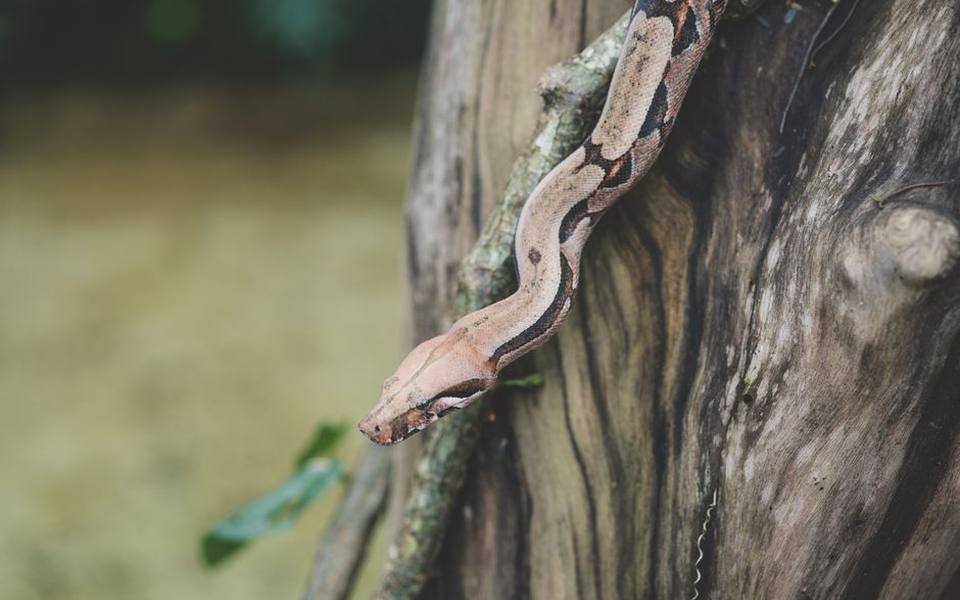
Physical inspections should focus on sensitive areas where the skin is thinnest and easiest for parasites to pierce. Common gathering spots include the heat pits around the mouth, the folds beneath the lower jaw, and the margins surrounding the spectacle scales over the eyes. Mites also tuck tightly beneath the vent scales near the cloaca. When running a clean, damp white paper towel down your snake's belly, crushed mites will leave distinct reddish-brown blood streaks on the paper.
Behavioral changes often accompany the physical presence of mites. Infested reptiles frequently become irritable, refuse regular feedings, and exhibit constant restlessness. You may observe your snake repeatedly rubbing its snout or flanks against rough enclosure decor to dislodge parasites. Over time, recurring damage leads to patchy, retained sheds and secondary scale rot that requires dedicated topical therapy.
Setting Up an Immediate Quarantine Enclosure
The moment you detect mites, the affected reptile must be moved out of its decorative vivarium and into an emergency isolation setup. A simple plastic storage tub with ventilation holes drilled into the sides makes an ideal quarantine home. Smooth plastic surfaces offer virtually nowhere for female mites to deposit eggs, and plastic containers are effortless to scrub, bleach, and monitor daily compared to wooden or glass enclosures.
Substrate in the quarantine tub must consist exclusively of plain, unprinted white paper towels. Loose bedding materials such as cypress mulch, coconut husk, or aspen shavings provide infinite hiding places for parasites and make spotting fallen mites impossible. White paper towels reveal crawling mites instantly and allow you to measure whether your eradication efforts are reducing parasite numbers over the coming weeks.
Furnishings inside the quarantine tub should be kept strictly minimal. Provide two smooth plastic hides that can withstand boiling water or chemical sterilization, along with a heavy ceramic or disposable plastic water dish. Keep this hospital setup completely separate from other reptiles in your home, and always care for your uninfested animals first before touching anything in the quarantine zone.
Warm Water Soaks and Manual Removal
Physical removal of mites directly from the reptile provides instant relief while you prepare stronger chemical treatments. Prepare a secure container with lukewarm water matching the snake's preferred ambient temperature, typically between eighty and eighty-five degrees Fahrenheit. The water level should reach no higher than mid-body so the snake can rest comfortably without fatiguing or risking accidental aspiration.
Adding a single drop of mild liquid dish soap breaks the surface tension of the water. Without soap, mites can trap tiny air bubbles around their bodies and float harmlessly on the surface without drowning. The broken surface tension pulls the parasites under, causing them to drown within twenty to thirty minutes. Keep a watchful eye on your reptile throughout the soak to ensure it does not submerge its head or ingest soapy water.
After the bath, allow the snake to slither through a clean paper towel held firmly in your hands. This friction removes dead and stunned mites trapped beneath the scale margins. For stubborn clusters around the eyes and chin, apply a small dab of pure mineral oil or petroleum jelly with a cotton swab to suffocate the remaining parasites safely without exposing delicate eye tissues to harsh pesticides.
Safe Application of Fipronil Sprays
Veterinarians frequently recommend topical fipronil formulations, commonly sold as frontline spray for snake mites, due to its reliable residual efficacy against arthropods. While this compound was originally formulated for cats and dogs, it has become an indispensable off-label tool in herpetological medicine. However, fipronil carries real neurotoxic risks if applied improperly, meaning keepers must exercise absolute precision regarding dosage and delivery methods.
You should never spray fipronil directly onto a snake's body or mist it inside an occupied enclosure. The safe approach involves wearing nitrile gloves, spraying a moderate amount of the liquid onto a clean paper towel, and gently wiping the snake from the neck down to the tail tip. Pay close attention to scale overlaps along the lateral folds, but steer completely clear of the head, nostrils, and heat-sensing pits.
Once wiped down, hold the snake or place it on clean cardboard in a warm, well-ventilated room until the chemical film dries completely. Reptilian skin absorbs damp solvents rapidly, but dry fipronil binds tightly to the scale keratin where it continues killing mites for weeks with minimal systemic absorption. Never allow treated animals to soak in their drinking bowl immediately after application, as ingesting pesticide-tainted water can trigger neurological tremors.
Decontaminating the Enclosure and Habitat Decor
Clearing the snake is only half the battle; the primary enclosure must undergo rigorous sanitization to eradicate the hidden egg bank. Strip the vivarium completely, throwing away all disposable bedding, moss, and cardboard items into sealed exterior trash bags. Any natural wooden branches, cork bark flats, or porous rock backgrounds must either be discarded or baked in an oven at two hundred degrees Fahrenheit for approximately two hours.
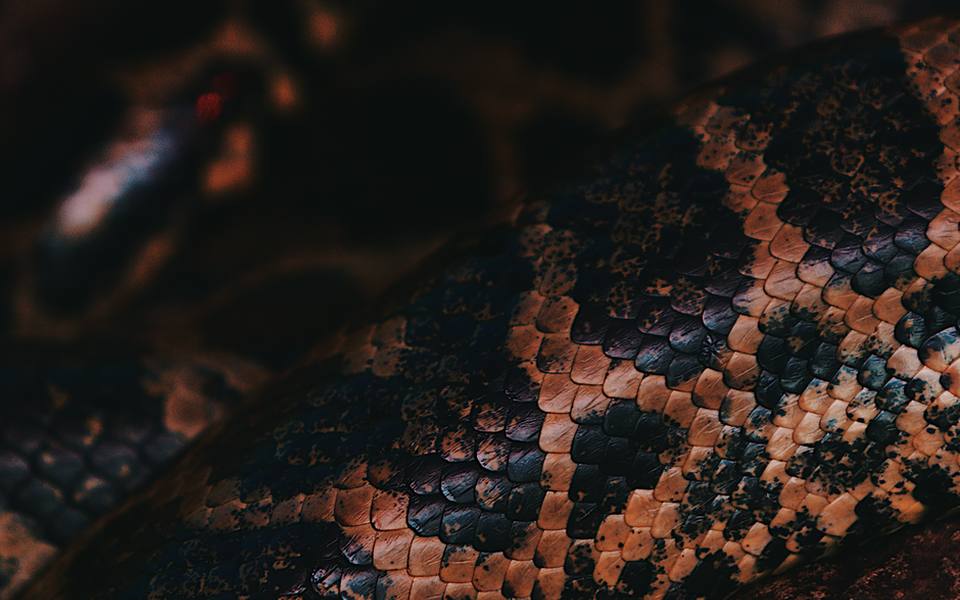
Non-porous decor and the bare enclosure walls should be scrubbed with hot water and a heavy-duty veterinary disinfectant or a dilute bleach solution. Rinse thoroughly and allow the enclosure to dry completely in the sun or under strong ventilation. Mite eggs possess resilient shells that resist many basic household cleaners, so physical scrubbing of every interior corner, glass track, and electrical pass-through grommet is necessary to scrape away egg deposits.
Residual premise sprays containing permethrin can be applied to the empty enclosure to kill emerging nymphs over subsequent weeks. Spray the empty tank outdoors, making sure the product coats every seam and corner, and leave it outside until all fumes and carrier solvents have completely evaporated. Rinse the interior walls with clear water before reintroducing any heating elements or temporary paper towel substrate.
Evaluating Alternative Products and Chemical Risks
Reptile keepers often encounter conflicting advice regarding alternative chemical treatments, such as organophosphate pest strips or agricultural mite sprays. While hanging chemical pest strips near enclosures was once common, modern veterinary medicine largely discourages this method. These strips emit continuous organophosphate vapors that can cause cumulative neurological impairment, organ damage, and unexpected mortality in captive snakes exposed over prolonged periods.
Ivermectin solutions represent another chemical option sometimes utilized by experienced keepers and clinical staff. Diluted ivermectin sprays are effective at neutralizing mites, but the therapeutic safety window is narrow. Overdosing or allowing a dehydrated snake to absorb ivermectin through damaged skin can cause paralysis and respiratory failure. Furthermore, ivermectin is lethal to chelonians, making it hazardous in multi-species reptile rooms.
Natural oils and botanical deterrents, such as neem or cedar, are widely marketed but carry distinct hazards. Cedar and related aromatic pine oils are highly toxic to reptile respiratory systems and should never enter a snake enclosure. While pure olive oil or mineral oil baths are harmless and physically suffocate adult mites, they do not provide residual control, meaning mites will return as soon as newly hatched eggs emerge.
Breaking the Complex Parasite Life Cycle
Erudition of snake mites fails most often because keepers halt treatments the moment they no longer see crawling adults. Ophionyssus natricis transitions through five distinct life stages: egg, larva, protonymph, deutonymph, and adult. The entire cycle can complete in as little as seven to twelve days under warm, humid vivarium conditions, or stretch past thirty days in cooler environments. Eggs remain impervious to most topical pesticides.
A single female mite can lay dozens of eggs during her lifespan, hiding them deep within cage seams, thermostat probe channels, and underneath enclosure stands. When these eggs hatch, the non-feeding larvae molt quickly into predatory protonymphs that actively seek out blood meals. If your eradication protocol ends before the final batch of eggs hatches, the infestation rebounds to full strength within two weeks.
To ensure complete eradication, schedule repeated treatments every seven to ten days for a minimum of three consecutive cycles. Continue housing the snake on white paper towels throughout this window, checking daily for fresh specks. Only after thirty consecutive days without a single dead or living mite should you consider the outbreak resolved and begin returning the snake to a permanent enclosure.
When to Consult an Exotic Veterinarian
While standard infestations can often be managed at home, complicated cases require evaluation by experienced Reptile Vets. Severe or protracted mite attacks induce chronic anemia that leaves snakes listless, pale around the mucous membranes, and unable to hold body weight. If your snake appears limp, displays an open-mouth breathing pattern, or refuses food for extended periods, seek clinical assistance immediately.
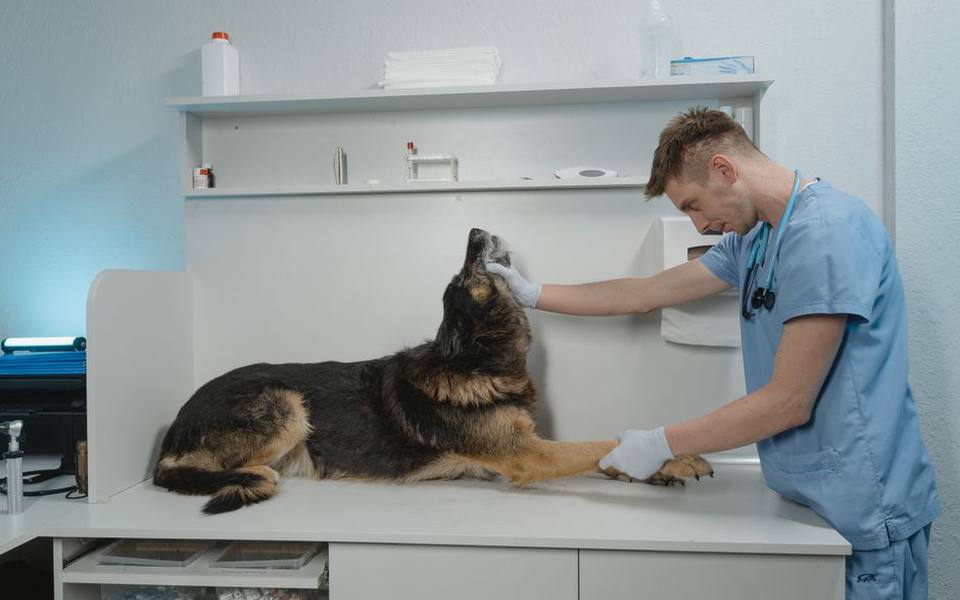
Mite bites create microscopic entry wounds that allow opportunistic environmental bacteria to colonize the subcutaneous tissue. Secondary bacterial dermatitis, blister disease, and subcutaneous abscesses frequently develop in the wake of heavy infestations. An exotic practitioner can perform skin scrapes, run bacterial cultures, and prescribe targeted systemic antibiotics that clear up skin infections before they become life-threatening.
If you are caring for delicate neonates, elderly snakes, or rare species with sensitive metabolisms, consulting Exotic Animal Veterinarians Near You ensures the safest possible pharmacology. A veterinarian can calculate exact weight-based chemical dosages, administer fluid therapy to counteract dehydration from frequent soaking, and offer prescription-grade antiparasitics with lower toxicity profiles than over-the-counter alternatives.
Long-Term Prevention and Reptile Room Biosecurity
Preventing future mite infestations relies on establishing strict biosecurity protocols across your entire collection. Mites almost always enter a home through new reptile additions, live food packaging, or contaminated substrate bags purchased from infested pet stores. Every newly acquired snake should undergo an isolated quarantine period lasting between sixty and ninety days in a separate room before joining your primary collection.
Maintain dedicated handling practices to prevent accidental cross-contamination. Always service healthy, established reptiles first, leaving quarantined or recovering animals for the end of your maintenance routine. Wash hands thoroughly with warm water and soap between handling different animals, or wear disposable gloves that you discard after servicing each individual cage. Disinfect feeding tongs, handling hooks, and cleaning buckets routinely.
Keepers in warm southern regions, including those visiting Exotic Pet Vets in Florida, must remain particularly vigilant because elevated ambient humidity and warmth accelerate parasite reproduction year-round. Establishing professional ties with Exotic Pet Veterinarians and Specialist Clinics provides you with immediate diagnostic support whenever unusual skin conditions or sudden parasitic outbreaks threaten your collection.
Published 2026-09-21 · reviewed with each rebuild, last September 2026.
Find exotic pet vets near you
The directory lists 3,226 exotic pet vets by state and city — pick your state or use the “Near me” button in the header.
More guides
-
 Owning
What Are Amphibians? A Complete Guide to Amphibians as Exotic Pets
-
 Money
MoneyHow to Find Affordable and Emergency Vet Care for Exotic Pets
-
 Money
MoneyHow Much Does a Parrot Cost? Complete Exotic Bird and Pet Care Price Guide
-
 Owning
Can You Keep a Capybara as a Pet? Legality, Care, and Diet Requirements
-
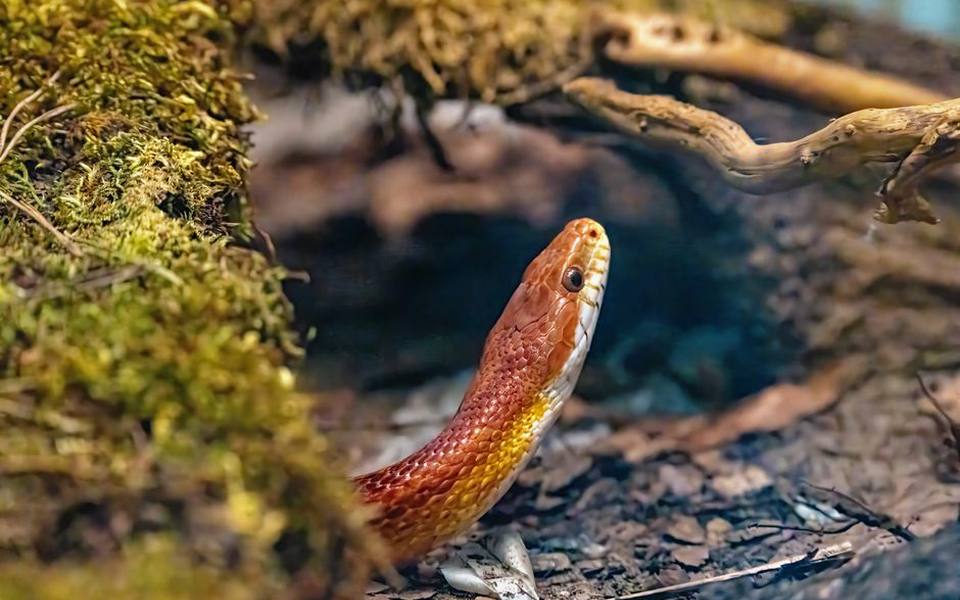 Owning
How to Treat and Get Rid of Snake Mites Safely
-
 Owning
Keeping Exotic Mammals: Can You Have a Fennec Fox or Kinkajou as a Pet?
-
 Money
MoneyLow-Cost Rabbit Neutering: What to Expect and How to Find Affordable Care
-
 Owning
What Is an Avian Pet? A Guide to Bird Care and Specialized Veterinary Medicine
-
 Service
How to Find and Choose the Right Exotic Pet Veterinarian
-
 Owning
Swim Bladder Disease in Aquarium Fish: Causes, Symptoms, and Treatment
-
Owning
How to Identify and Treat Mites and Skin Parasites in Reptiles, Snakes, and Rabbits
-
Safety
Rabbit GI Stasis Guide: Symptoms, Emergency Care, and Prevention
-
 Owning
Bearded Dragon Health Guide: Brumation, Impaction, Fungus, and Skin Issues
-
 Safety
Hamster Wet Tail Disease: Causes, Symptoms, Treatment, and Prevention
-
 Owning
Clinical Care Guide: Common Illnesses in Ferrets, Pythons, and Rabbits
-
Owning
Sugar Glider Diet and Feeding Guide: BML, TPG, and Nutritional Balance
-
Owning
Bird Grooming Guide: Wing Trimming, Beak Care, and Nail Maintenance
-
 Money
MoneyExotic Pet Insurance and Vet Costs: What Is Covered and Is It Worth It?
-
 Owning
Legal Exotic Pets and Ownership Laws: Permits, Licenses, and State Regulations
-
Owning
Bird Feather Plucking and PBFD: Causes, Symptoms, and Diagnostic Steps
-
 Service
Psittacine Health and Avian Veterinary Care Guide
-
 Service
How to Find and Evaluate Exotic Pet Clinics, Specialists, and Emergency Care
-
 Owning
Clinical Guide to Reptile Shell Disorders, Shedding Complications, and Impaction
-
 Owning
Small Mammal Healthcare: Managing Chronic Illness and Emergencies
-
 Safety
Avian Egg Binding and Yolk Peritonitis: Emergency Care and Clinical Protocols
-
 Owning
Bird Grooming, Wing Maintenance, and Early Illness Signs
-
 Service
Backyard Poultry and Waterfowl Veterinary Care Guide
-
 Buying
Exotic Pet Ownership: Legal Rules, Realistic Costs, and Beginner Options
-
 Service
Aquatic Medicine: Treating Swim Bladder and Fish Infections
-
 Money
MoneyRabbit Spay, Neuter, and Vaccination Costs: Complete Veterinary Guide
-
 Owning
Understanding Amphibians: Characteristics, Classification, and Pet Care Basics
-
 Owning
Bearded Dragon Brumation and Metabolic Bone Disease: Signs, Causes, and Care
-
 Buying
Parrot Ownership Guide: Prices, Types, and Avian Basics
-
 Money
MoneyRabbit Spay and Neuter Costs: Vaccinations and Low-Cost Vet Options
-
 Owning
What Are Amphibians? Traits, Classification, and Pet Care Basics
-
 Owning
How to Get an Exotic Pet License: Legal Permits and Animal Ownership Laws
-
 Owning
Reptile Health Guide: Bearded Dragon Brumation, Metabolic Bone Disease, and Snake Mite Control
-
 Money
MoneyRabbit Spay, Neuter, and Vaccination Costs: Low-Cost Vet Guide
-
 Money
MoneyHow Much Does an Exotic Vet Cost? Emergency, Routine, and In-Home Care Guide