The Core Process of Securing an Exotic Animal Permit
Obtaining a permit to keep a non-traditional animal begins long before bringing the animal home. You must first identify whether the species is classified as domestic, restricted, or completely prohibited in your specific jurisdiction. In most states, the primary governing body handling these permits is the state department of natural resources, the department of fish and wildlife, or the department of agriculture. The process typically requires submitting a detailed application, paying a non-refundable administrative processing fee, and providing evidence of legal acquisition from a licensed breeder or rescue facility.
Beyond state approval, local zoning codes play a massive role in whether you can legally house a wild or non-traditional species on your property. Municipalities and county governments frequently enforce their own animal ordinances that can be stricter than state law. A state might grant a permit for a particular mammal or reptile, but your city council or homeowners association may maintain an outright ban on wild animals within residential zones. Checking with your city clerk or animal control department is an essential early step to avoid facing immediate confiscation.
Most licensing boards also require proof of practical animal experience and a written facility safety plan. Officials need reassurance that the animal cannot escape into the native ecosystem and that the applicant understands the behavioral traits of the species. Preparing extensive documentation, gathering character references from wildlife rehabilitators, and detailing your daily management strategy will significantly improve your chances of permit approval during the initial agency review.
Prospective owners often discover that the administrative timeline depends on agency workloads and seasonal backlogs. Review periods typically stretch from several weeks to multiple months, especially if a site visit is required prior to animal delivery. Rushing this process is virtually impossible, meaning you should never take possession of an animal while waiting on pending paperwork. Unpermitted possession can result in misdemeanor charges, steep daily fines, and permanent disqualification from holding wildlife licenses in the future.
Navigating Federal, State, and Municipal Regulations
Exotic pet ownership in the United States operates under a tiered framework of federal statutes, state game codes, and municipal ordinances. At the federal level, the United States Department of Agriculture oversees the Animal Welfare Act, which primarily regulates entities that breed, exhibit, or transport warm-blooded animals for commercial purposes. Private pet keepers generally do not need a federal USDA license unless they plan to display the animal to the public, sell offspring, or charge admission fees for educational encounters.

State governments hold the bulk of authority over private pet possession, creating a patchwork of conflicting rules across state borders. Some states enforce complete bans on all inherently dangerous or non-native wild species, while others classify animals into numbered tiers based on size, predatory instincts, and disease risk. For instance, obtaining authorization often requires coordinating with specialized local agencies; reviewing state frameworks, such as navigating exotic pet vets in California, shows how strictly certain states monitor restricted species imports.
Local municipal regulations often create the most surprising legal hurdles for prospective caretakers. County zoning boards often classify species like primates, wild felids, and large ungulates as livestock or agricultural animals, prohibiting them on lots under a certain acreage. Furthermore, setback rules typically mandate that cages sit dozens of feet away from neighboring property lines. Reviewing county deed restrictions and municipal building codes prevents costly layout modifications after an enclosure has already been constructed.
Keeping Small Wild Canids: The Fennec Fox Experience
Prospective keepers frequently ask whether a fennec fox can live successfully as an in-home companion. While these desert foxes are legal with or without permits in several jurisdictions, sharing a living space with one requires drastic lifestyle accommodations. Fennec foxes are fundamentally wild canids with intense natural drives that domestic dogs lost millennia ago. They possess exceptional digging power, vocalize with piercing shrieks during dawn and dusk, and generally resist full house-training due to intrinsic scent-marking habits.
Securing a license for a fennec fox typically requires demonstrating that you have an escape-proof indoor or outdoor habitat. These small foxes can squeeze through openings barely larger than their heads and jump several feet from a standing position. Wildlife inspectors will examine your double-entry safety doors, dig barriers embedded into the earth, and secure mesh latching mechanisms before issuing a permit. You must demonstrate that the fox cannot tunnel under fences or scale outdoor climbing structures.
Caring for a fennec fox also requires access to specialized veterinary medicine, as standard dog vaccines like modified-live rabies vaccines can be dangerous or lethal to non-domestic canids. Prior to issuing an ownership permit, many regulatory boards require a signed agreement from a practitioner willing to handle wild canid health protocols. Prospective owners must confirm that a clinic capable of non-domestic canid care is within a reasonable driving distance from their primary residence.
Giant Semi-Aquatic Rodents: Living with Capybaras
Social media has popularized the capybara, prompting many animal lovers to investigate whether these gentle giants can be kept as private pets. As the largest living rodent species on earth, an adult capybara can weigh upwards of one hundred pounds and demands a specialized semi-aquatic environment. Several states permit them under exotic mammal categories, but an applicant must prove they can support the biological and behavioral requirements of a grazing herd animal native to tropical wetlands.
The primary barrier to licensing a capybara is the enclosure requirement for standing, clean water. Capybaras spend significant portions of their day submerged to regulate body temperature, hydrate their sensitive skin, and defecate naturally. An outdoor pool with robust commercial-grade filtration is an absolute necessity for permit approval in jurisdictions that inspect housing. Standard backyard swimming pools treated with heavy chlorine can damage their eyes and skin, meaning dedicated naturalistic or gentle filtration setups are required.
Capybaras are deeply social creatures that suffer significant psychological stress when housed in solitary isolation. Licensing boards and reputable breeders frequently recommend or mandate housing them in bonded pairs or small groups. Housing multiple giant rodents multiplies the required square footage, dietary expenditures, and fencing standards. Anyone considering an application must calculate whether their land, budget, and local winter climate can sustainably accommodate these oversized South American grazers throughout their natural lifespan.
Dietary Realities of Small Mammals: Do Prairie Dogs Eat Meat?
Small exotic mammals introduce distinct nutritional questions that directly affect their welfare and health inspection status. A frequent point of confusion among potential owners concerns prairie dogs and whether these burrowing rodents consume meat. In their native grassland habitats, prairie dogs are predominantly specialized herbivores whose digestive tracts evolved to process fibrous grasses, roots, and seasonal vegetation. They are not carnivores and do not require meat to thrive in captivity.
While wild prairie dogs occasionally ingest grasshoppers, beetles, or grubs opportunistically while foraging, animal protein should not form a regular part of their captive diet. Feeding high-protein meats, cat food, or commercial dog chow can cause severe kidney strain, liver disease, and dangerous obesity in captive specimens. Their digestive system depends almost entirely on continuous access to fresh grass hays, high-fiber pellets, and clean water to maintain gastrointestinal motility and wear down continuously growing incisor teeth.
When state inspectors or wildlife agencies review permit applications for native or regulated small mammals, they often examine your nutritional plan. You must demonstrate an understanding of species-appropriate diets rather than relying on generic grocery store vegetables. Establishing a relationship with specialized rabbit and small mammal veterinarians ensures your feeding regimen meets physiological standards, which provides peace of mind during administrative permit renewals.
Assembling the Permit Application and Enclosure Plans
The formal permit application demands substantial documentation that goes far beyond simply filling out basic personal information. You will typically be asked to supply architectural scale diagrams of your proposed holding enclosures, specifying materials, lock types, and overall dimensions. Wildlife officers evaluate whether the fencing gauge can withstand biting, clawing, or ramming from the target species, and whether secondary perimeter fences exist to prevent human trespass or animal escape.

Many applications mandate a written letter of veterinary intent from a licensed veterinarian holding an active state license. Because many domestic clinics decline non-traditional species, locating a doctor beforehand is essential. The directory features 1,872 listings in top states, helping prospective applicants identify clinics equipped to inspect and certify unusual animals before submission deadlines pass.
In addition to habitat blueprints, regulatory agencies frequently require applicants to document verifiable hands-on experience. Some states ask for hundreds of logged hours working directly with the requested species or related taxa under the supervision of an existing permit holder. Securing notarized letters of recommendation from licensed educators, sanctuary operators, or zoological staff will serve as proof that you can handle behavioral emergencies, enrichment protocols, and safe physical transport.
Fee structures accompany the application submission and can vary significantly depending on the class of animal requested. In most jurisdictions, fees cover administrative background checks, environmental impact assessments, and preliminary facility visits by wildlife conservation wardens. You should maintain digital and physical duplicates of every check, form, blueprint, and correspondence log sent to the state office to guard against administrative delays or lost records.
Property Inspections and Containment Standards
Once your paperwork clears administrative screening, the licensing agency will schedule a physical inspection of your holding facility. Field officers inspect every physical aspect of the habitat, focusing heavily on primary caging, secondary containment, and emergency isolation stalls. They verify that wire gauges match regulatory guidelines, concrete footings extend deep enough to prevent tunneling, and roof mesh can withstand local wind and snow loads without collapsing.
Safety protocols for human handlers receive equal scrutiny during an on-site property walkthrough. Inspectors look for functional double-door entry vestibules, commonly referred to as sally ports, which prevent an animal from slipping past a handler entering the primary enclosure. Storage areas for cleaning supplies, specialized handling equipment like catch nets or squeeze cages, and clearly marked emergency exit routes are all evaluated as indicators of responsible husbandry.
Sanitation, drainage, and shelter design are also critical inspection checkpoints. Habitats must feature appropriate shade structures, windbreaks, and climate-controlled indoor retreats capable of protecting animals from regional temperature extremes. Waste management systems must prevent environmental contamination or foul runoff into neighboring properties. Failing any single component of the facility inspection usually results in an immediate correction notice and a mandatory reinspection delay.
Securing a Dedicated Exotic Animal Veterinarian
State fish and wildlife agencies recognize that an unmonitored exotic animal presents an animal welfare problem and a public safety liability. Consequently, your permit application may be rejected automatically if you cannot name an attending veterinarian who has agreed to treat your animal. Connecting with experienced exotic pet veterinarians before submitting paperwork provides the regulatory board with tangible proof of your commitment to long-term veterinary care.
Exotic veterinary care differs markedly from traditional companion animal medicine in diagnostics, pharmacology, and restraint protocols. Routine blood work, anesthesia monitoring, and parasite control must be tailored to species that often conceal clinical signs of disease until critical stages. Furthermore, your primary veterinarian must maintain legal authorization and proper distributor accounts to source species-specific pharmaceuticals, sedatives, and vaccines that are not stocked in conventional domestic practices.
Your attending veterinarian will also play a critical role in establishing routine quarantine and testing protocols for newly arrived animals. Regulatory agencies frequently mandate initial fecal testing, serological panels for zoonotic pathogens, and microchip implantation to establish individual legal identification. Building an ongoing professional partnership with a knowledgeable medical team protects your investment, maintains permit compliance, and ensures rapid support during unexpected medical emergencies.
Regional Enforcement and Common State Frameworks
State frameworks across the nation display starkly divergent philosophies regarding private wildlife ownership. Some regions operate under an open system where many species require simple registration, while others manage extensive classification ladders. For instance, exploring the structured permit framework of exotic pet vets in Florida illustrates a tiered licensing system separating animals into Class I, Class II, and Class III categories based on potential hazard and public safety risk.
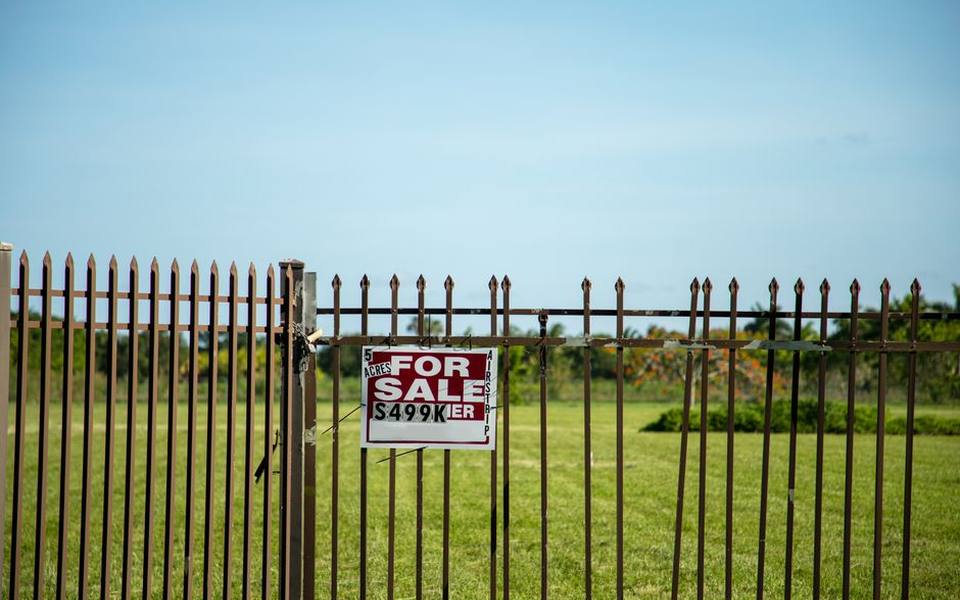
In contrast, midwestern and western states frequently divide oversight between departments of agriculture and wildlife conservation agencies. An animal classified as an agricultural curiosity in one state might be designated an invasive threat or dangerous wild animal just across the state line. Keepers who travel with their animals or plan interstate relocations must research the statutory definitions in both origin and destination jurisdictions to prevent accidental violations during transit.
Penalties for keeping non-domestic animals without correct authorization are often severe and strictly enforced. Wildlife wardens possess statutory authority to seize unpermitted specimens without prolonged civil litigation, placing animals in approved holding centers at the owner's personal expense. Avoiding these severe outcomes simply requires thorough preliminary research, honest disclosures on state applications, and maintaining transparent communication with local wildlife conservation officers.
Maintaining Compliance and Annual Permit Renewals
Securing your original exotic animal license is an ongoing responsibility rather than a one-time achievement. In most states, exotic animal licenses are valid for exactly one calendar year and require timely annual renewal paperwork. The renewal process generally entails submitting updated inventory counts, logs of any births, transfers, or mortalities, and payment of the annual registration fee before the existing permit officially expires.
Enforcement agencies frequently retain the legal authority to conduct unannounced surprise inspections throughout the life of your permit. Field officers can arrive at your property during normal daytime hours to verify enclosure cleanliness, check food storage conditions, and ensure the physical microchip matches state files. Any unapproved structural alterations to the caging or unauthorized acquisitions of additional specimens can result in immediate disciplinary citations or permit suspension.
Keeping meticulous historical records protects your legal status in the event of administrative disputes or policy shifts. Maintain an organized binder containing your original state permit, local zoning variances, acquisition receipts, and veterinary records detailing routine exams and vaccinations. Demonstrating spotless, professional records establishes you as a conscientious caretaker who prioritizes public safety, community relations, and the highest standards of captive animal welfare.
Published 2026-09-21 · reviewed with each rebuild, last September 2026.
Find exotic pet vets near you
The directory lists 3,226 exotic pet vets by state and city — pick your state or use the “Near me” button in the header.
More guides
-
 Owning
What Are Amphibians? A Complete Guide to Amphibians as Exotic Pets
-
 Money
MoneyHow to Find Affordable and Emergency Vet Care for Exotic Pets
-
 Money
MoneyHow Much Does a Parrot Cost? Complete Exotic Bird and Pet Care Price Guide
-
 Owning
Can You Keep a Capybara as a Pet? Legality, Care, and Diet Requirements
-
 Owning
How to Treat and Get Rid of Snake Mites Safely
-
 Owning
Keeping Exotic Mammals: Can You Have a Fennec Fox or Kinkajou as a Pet?
-
 Money
MoneyLow-Cost Rabbit Neutering: What to Expect and How to Find Affordable Care
-
 Owning
What Is an Avian Pet? A Guide to Bird Care and Specialized Veterinary Medicine
-
 Service
How to Find and Choose the Right Exotic Pet Veterinarian
-
 Owning
Swim Bladder Disease in Aquarium Fish: Causes, Symptoms, and Treatment
-
Owning
How to Identify and Treat Mites and Skin Parasites in Reptiles, Snakes, and Rabbits
-
Safety
Rabbit GI Stasis Guide: Symptoms, Emergency Care, and Prevention
-
 Owning
Bearded Dragon Health Guide: Brumation, Impaction, Fungus, and Skin Issues
-
 Safety
Hamster Wet Tail Disease: Causes, Symptoms, Treatment, and Prevention
-
 Owning
Clinical Care Guide: Common Illnesses in Ferrets, Pythons, and Rabbits
-
Owning
Sugar Glider Diet and Feeding Guide: BML, TPG, and Nutritional Balance
-
Owning
Bird Grooming Guide: Wing Trimming, Beak Care, and Nail Maintenance
-
 Money
MoneyExotic Pet Insurance and Vet Costs: What Is Covered and Is It Worth It?
-
 Owning
Legal Exotic Pets and Ownership Laws: Permits, Licenses, and State Regulations
-
Owning
Bird Feather Plucking and PBFD: Causes, Symptoms, and Diagnostic Steps
-
 Service
Psittacine Health and Avian Veterinary Care Guide
-
 Service
How to Find and Evaluate Exotic Pet Clinics, Specialists, and Emergency Care
-
 Owning
Clinical Guide to Reptile Shell Disorders, Shedding Complications, and Impaction
-
 Owning
Small Mammal Healthcare: Managing Chronic Illness and Emergencies
-
 Safety
Avian Egg Binding and Yolk Peritonitis: Emergency Care and Clinical Protocols
-
 Owning
Bird Grooming, Wing Maintenance, and Early Illness Signs
-
 Service
Backyard Poultry and Waterfowl Veterinary Care Guide
-
 Buying
Exotic Pet Ownership: Legal Rules, Realistic Costs, and Beginner Options
-
 Service
Aquatic Medicine: Treating Swim Bladder and Fish Infections
-
 Money
MoneyRabbit Spay, Neuter, and Vaccination Costs: Complete Veterinary Guide
-
 Owning
Understanding Amphibians: Characteristics, Classification, and Pet Care Basics
-
 Owning
Bearded Dragon Brumation and Metabolic Bone Disease: Signs, Causes, and Care
-
 Buying
Parrot Ownership Guide: Prices, Types, and Avian Basics
-
 Owning
Complete Guide to Snake Mite Treatment: Products, Safe Sprays, and Vet Care
-
 Money
MoneyRabbit Spay and Neuter Costs: Vaccinations and Low-Cost Vet Options
-
 Owning
What Are Amphibians? Traits, Classification, and Pet Care Basics
-
 Owning
Reptile Health Guide: Bearded Dragon Brumation, Metabolic Bone Disease, and Snake Mite Control
-
 Money
MoneyRabbit Spay, Neuter, and Vaccination Costs: Low-Cost Vet Guide
-
 Money
MoneyHow Much Does an Exotic Vet Cost? Emergency, Routine, and In-Home Care Guide