The definition of an avian pet
The word avian simply refers to anything relating to birds. An avian pet is any bird kept in a domestic environment as a companion animal, ranging from small finches and budgerigars to larger parrots, doves, and even backyard chickens or ducks. Unlike dogs and cats, companion birds are typically non-domesticated or only a few generations removed from wild populations, meaning their instincts and biology reflect wild survival mechanisms.
While parrots are the most recognizable avian companions, the category is broad. Psittacines, which include cockatiels, conures, lovebirds, and macaws, are known for their curved beaks and high cognitive abilities. Passerines, such as canaries and zebra finches, are smaller, perching birds often kept for their song and gentle presence. Regardless of the species, keeping an avian pet involves managing an animal with specific flight, perching, and social needs that differ fundamentally from four-legged mammals.
Because these animals retain their wild instincts, they view the household through the lens of a prey species. Understanding this mindset is the foundation of responsible ownership. Birds form complex social structures, communicate through subtle posture and vocalizations, and require an environment that accommodates natural behaviors like foraging and bathing. Finding experienced avian vets before bringing a bird home ensures you have reliable guidance on husbandry right from the start.
Unique anatomy and why birds hide illness
Birds have one of the most efficient and delicate physiological systems in the animal kingdom. Their respiratory system does not rely on a muscular diaphragm like a mammal; instead, it uses a complex network of air sacs that move air continuously through rigid lungs. This anatomy allows high oxygen exchange for flight, but it also makes birds exceptionally vulnerable to airborne toxins, airborne mold, and subtle drafts.
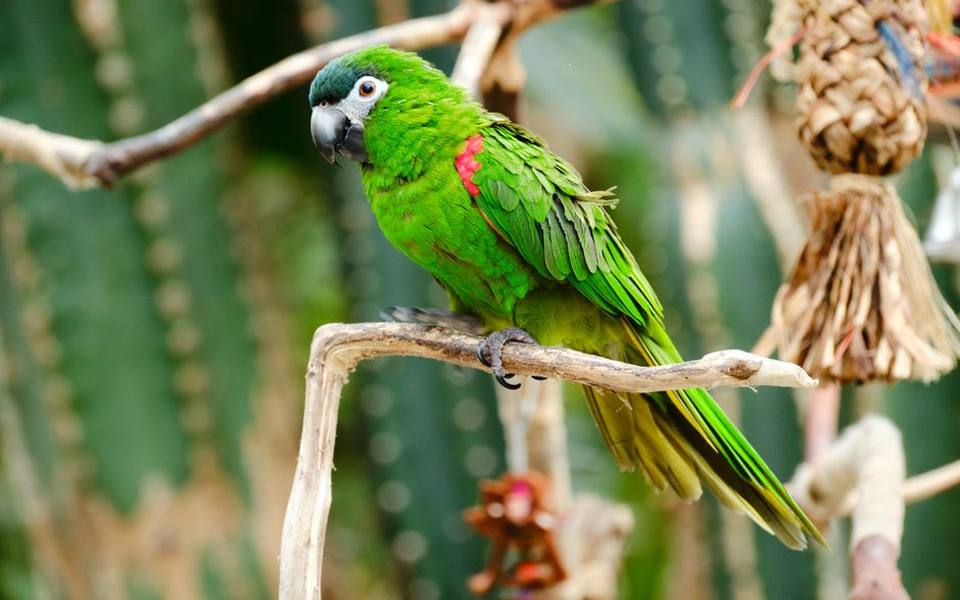
In addition to their sensitive breathing, birds possess hollow or pneumatic bones connected directly to their air sacs, reducing their body weight while maintaining structural strength. Their high metabolic rate means they burn calories quickly and process medications much faster than mammals. Consequently, a nutritional deficiency or illness can progress from mild discomfort to a life-threatening crisis in a matter of hours or days.
The most challenging aspect of avian care is their prey response. In the wild, a bird that shows signs of weakness or disease is quickly targeted by predators or ostracized by its flock. As a result, companion birds mask symptoms of illness until they are physically unable to compensate any longer. Subtle changes like resting on two feet instead of one, fluffed feathers, or minor shifts in dropping consistency are often the only early warnings an owner will observe.
What sets an avian veterinarian apart
Avian veterinary medicine requires years of dedicated training beyond standard veterinary school. While general practitioners are trained extensively in feline and canine medicine, bird physiology requires entirely different diagnostic tools, reference values, and surgical approaches. Board-certified specialists undergo rigorous multi-year residency programs focused entirely on avian anatomy, pathology, pharmacology, and behavior.
A clinic equipped for birds handles diagnostic testing on a miniature scale. A standard parakeet may weigh thirty grams, meaning a veterinarian can safely draw only a tiny fraction of a milliliter of blood for testing. Specialized micro-laboratory equipment, sensitive digital scales, and specialized micro-endoscopes are standard tools in practices dedicated to exotic pet veterinarians.
Anesthesia is another critical area where specialist training matters. Birds have narrow margins of safety under general anesthesia due to their rapid heart rates and respiratory layout. Avian practitioners use precision vaporizers, specialized warm-air blankets to prevent rapid hypothermia, and specific intubation tubes without inflatable cuffs to avoid damaging delicate tracheal rings during procedures.
Core requirements for keeping a bird healthy
A proper diet is the single most important factor in preventing chronic avian diseases. For decades, commercial seed mixes were marketed as standard bird food, but seeds are high in fat and deficient in critical vitamins like vitamin A and calcium. Modern avian medicine emphasizes a base of formulated nutritional pellets supplemented daily with dark leafy greens, vegetables, and occasional sprouted grains to prevent fatty liver disease.
Air quality in the home requires strict vigilance. Because bird air sacs absorb gases with remarkable efficiency, everyday household items can prove immediately lethal. Overheated non-stick cookware containing polytetrafluoroethylene emits odorless fumes that cause acute pulmonary hemorrhage in birds. Scented candles, aerosol sprays, plug-in air fresheners, and self-cleaning oven cycles must be entirely avoided in any home that houses avian companions.
Mental stimulation is equally vital to physical wellness. Highly intelligent birds like cockatoos, African greys, and conures can develop severe behavioral disorders, such as feather plucking and chronic screaming, if left in bare enclosures without interaction. Providing daily out-of-cage exercise, rotating foraging toys, and maintaining regular sleep cycles typically supported by ten to twelve hours of darkness help stabilize an avian pet's hormonal and mental health.
Finding avian medical care near you
Because specialized training and equipment are required, locating a qualified avian clinic can take more effort than finding a dog or cat clinic. Many general veterinary hospitals cannot accept birds due to a lack of specialized monitoring gear or trained staff. For this reason, establishing a relationship with an avian provider should happen well before an urgent medical issue occurs.
Large metropolitan regions often feature dedicated avian and exotic hospitals, while rural areas may require travel to a veterinary university teaching hospital. Owners living in major states like California or Texas generally have broader access to credentialed practitioners, but pet parents nationwide can explore established practices across all states to locate nearby options.
When calling a veterinary practice, ask specific questions about their avian caseload. Inquire whether their staff regularly treats your specific species, what anesthesia protocols they use for birds, and whether they can perform in-house avian blood chemistry panels. A trustworthy clinic will be transparent about their comfort level and clinical capabilities.
Published 2026-09-20 · reviewed with each rebuild, last September 2026.
Find exotic pet vets near you
The directory lists 3,229 exotic pet vets by state and city — pick your state or use the “Near me” button in the header.
More guides
-
 Owning
What Are Amphibians? A Complete Guide to Amphibians as Exotic Pets
-
 Service
How to Find Affordable and Emergency Vet Care for Exotic Pets
-
 Money
MoneyHow Much Does a Parrot Cost? A Complete Avian Buying and Care Price Guide
-
 Owning
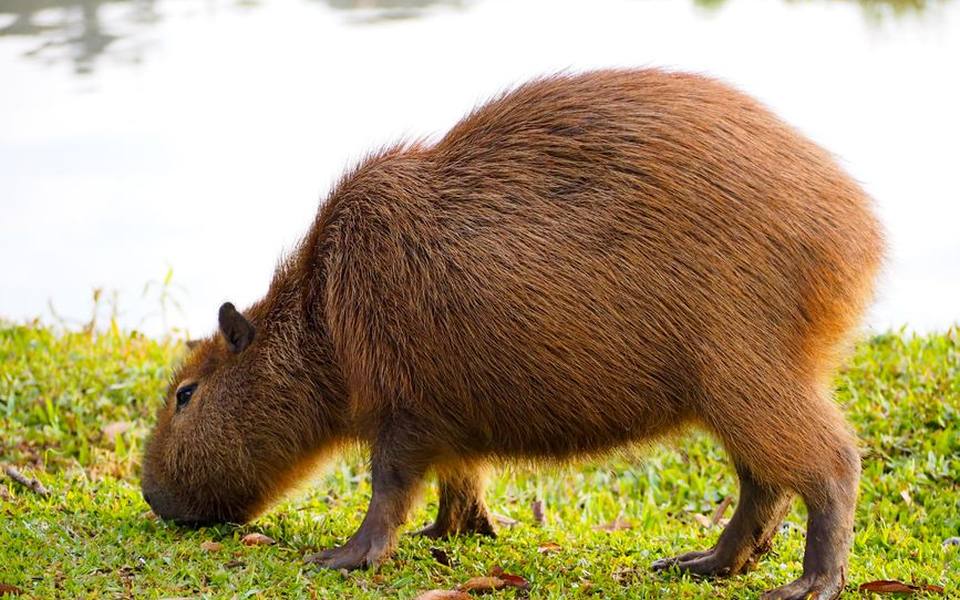
Can You Keep a Capybara as a Pet? Legality, Care, and Diet Requirements
-
 Safety
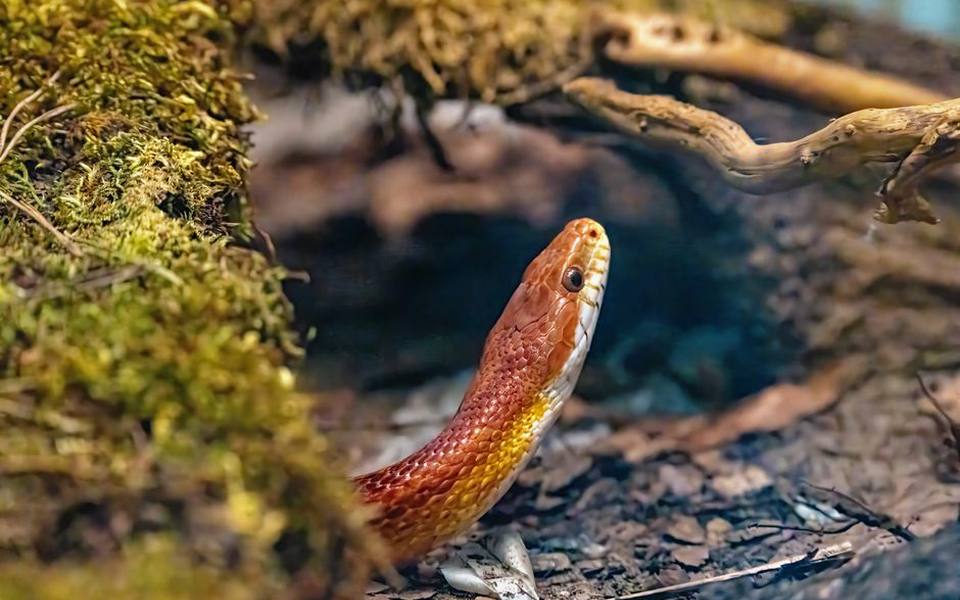
How to Treat and Get Rid of Snake Mites Safely
-
 Owning
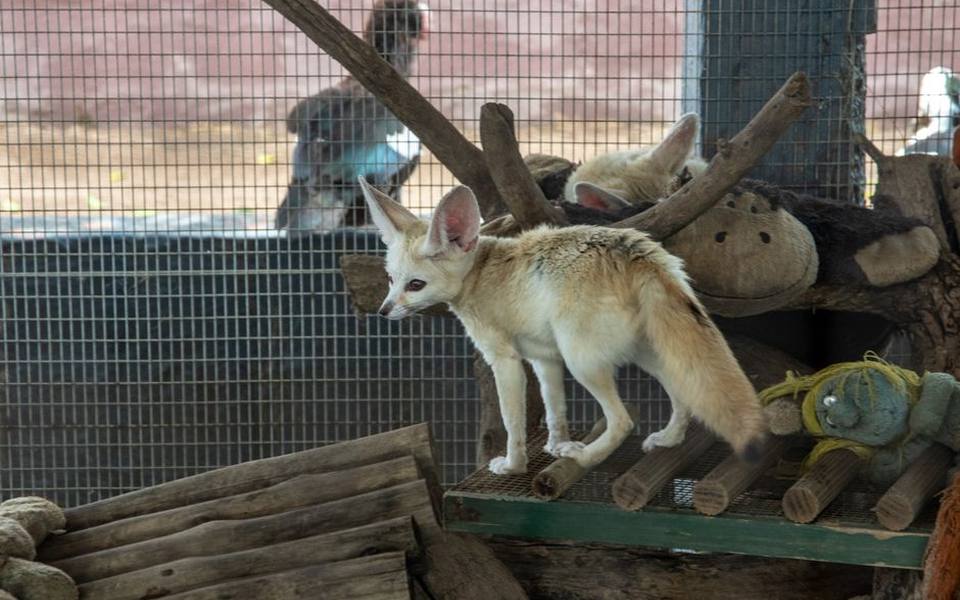
Keeping Exotic Mammals: Can You Have a Fennec Fox or Kinkajou as a Pet?
-
 Money
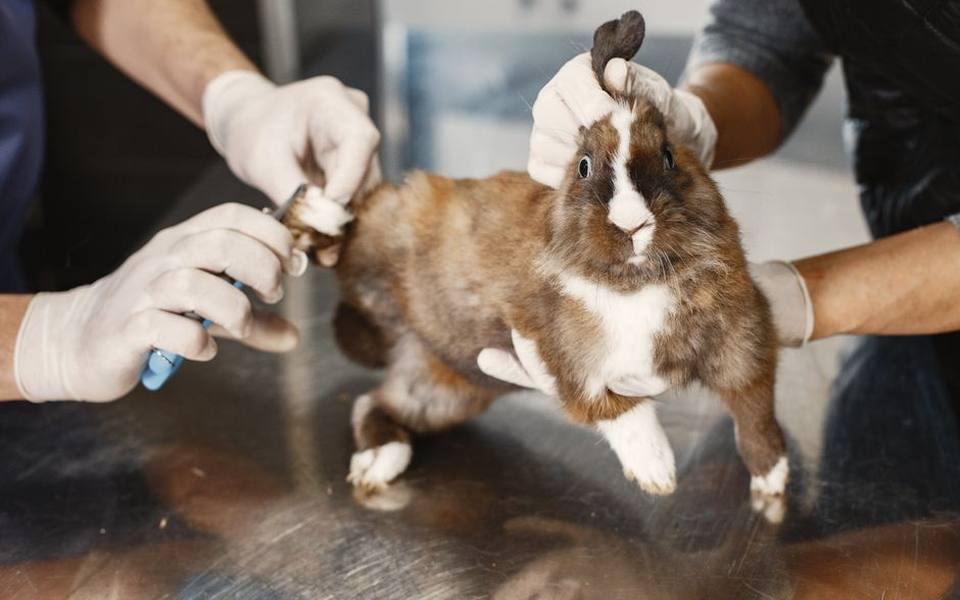
MoneyLow-Cost Rabbit Neutering: What to Expect and How to Find Affordable Care