Initial purchase prices across parrot species
Acquiring a parrot typically ranges from twenty dollars for a small parakeet to several thousand dollars for a large macaw or cockatoo. Adoption fees through avian rescues usually fall between fifty and six hundred dollars, depending on the bird's size, age, and temperament. The initial purchase price is generally the smallest portion of the bird's lifetime financial footprint.
Small species such as budgerigars, lovebirds, and cockatiels are the most budget-friendly upfront, often priced between twenty and two hundred dollars at retail shops or local breeders. Mid-sized companions like green-cheeked conures, Quaker parakeets, and senegal parrots tend to run between three hundred and one thousand dollars depending on color mutations and hand-taming history.
Large hookbills including African grey parrots, Amazon parrots, large cockatoos, and macaws represent significant investments, commonly ranging between one thousand and five thousand dollars. Because large parrots can live anywhere from thirty to sixty years or longer, prospective owners often look at established adoption programs before committing to a young bird from a commercial breeder.
Cage and initial habitat setup expenses
A safe, durable enclosure often costs as much as or more than the bird itself. Small species need cages with narrow wire spacing to prevent head entrapment, which typically start around seventy to two hundred dollars. Medium to large birds require heavy-gauge powder-coated or stainless steel enclosures, which generally run between four hundred and fifteen hundred dollars depending on dimensions and gauge strength.
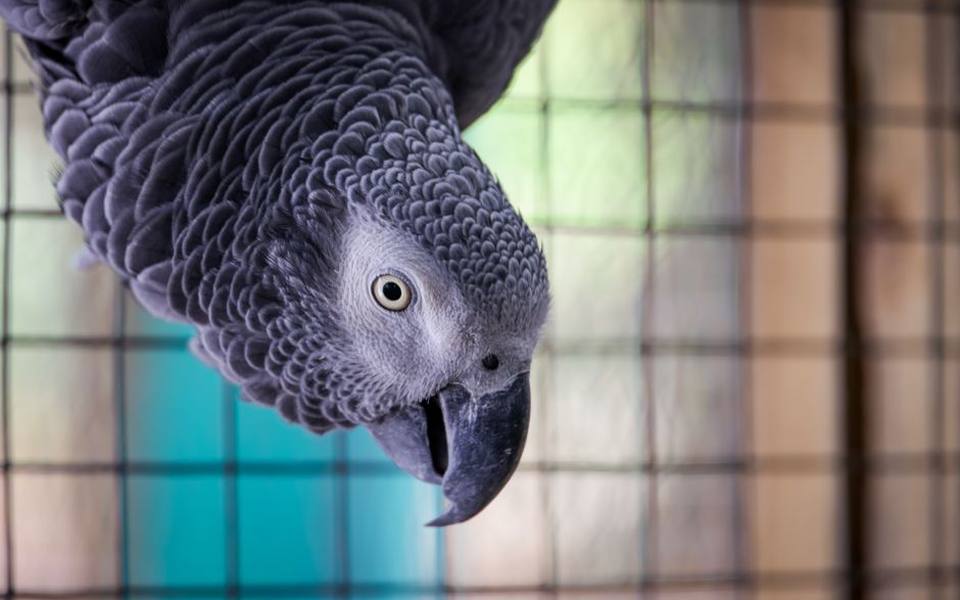
Equipping the cage interior with healthy accessories adds to initial setup costs. Standard smooth dowel perches that ship with most commercial cages should generally be replaced with natural wood branches of varied diameters to prevent foot sores. Natural perches, stainless steel food crocks, and climbing ladders typically add fifty to one hundred fifty dollars to the starting total.
Mental enrichment is an essential structural cost for any hookbill. Parrots need an immediate assortment of chewable wood blocks, foraging puzzles, and shreddable fibrous materials to occupy their time. An initial rotation of durable, non-toxic toys generally costs between seventy-five and two hundred dollars, depending on whether the bird is a light-chewing cockatiel or a destructive macaw.
Monthly recurring costs for nutrition and toys
Modern avian care discourages an all-seed diet in favor of balanced veterinary-formulated pellets, supplemented daily with fresh vegetables, leafy greens, cooked grains, and occasional fruit. Feeding a small bird a high-quality pellet and fresh produce mix typically costs twenty to thirty-five dollars per month, while feeding a large macaw generally runs between fifty and ninety dollars monthly.
Toy replenishment forms the next regular monthly line item because healthy parrots naturally destroy their playthings. To prevent stereotypic stress behaviors like feather plucking, owners regularly swap in fresh untreated softwood blocks, woven palm toys, and cardboard shredders. Budgeting thirty to seventy dollars each month is standard to keep an active chewer properly supplied with safe materials.
Sanitation and maintenance supplies round out regular expenses. Cages require daily paper liner changes, non-toxic cage wash, and periodic deep cleaning with avian-safe enzymatic disinfectants. Because parrot respiratory systems are unusually vulnerable to aerosol fumes, specialized cleaning agents, cage papers, and bird-safe laundry products typically add ten to twenty dollars each month to routine household upkeep.
Routine and emergency veterinary considerations
Parrots require medical oversight from qualified avian vets who have specialized training in avian physiology and diagnostic handling. A standard annual wellness exam typically costs between seventy-five and one hundred seventy-five dollars, during which the veterinarian checks physical symmetry, plumage health, body condition, and respiratory sounds.
Baseline diagnostics during an initial intake visit often include a complete blood count, fecal gram stain, plasma biochemistry profile, and infectious disease screening. These preliminary lab panels generally add two hundred to five hundred dollars to the initial veterinary bill. Catching subclinical issues early is critical because birds naturally conceal illness until advanced stages.
Costs vary notably across different regions and practice types. In high-demand metropolitan areas or states with large avian populations, such as clinics listed under exotic pet vets in Florida or practices found in exotic pet vets in Texas, pricing reflects local overhead. Emergency care for acute trauma, egg binding, or toxin ingestion can quickly reach one to two thousand dollars.
Household modifications and long-term hidden expenses
Bringing a bird into a home frequently forces changes to everyday kitchen items and home appliances. Polytetrafluoroethylene (PTFE) and related non-stick coatings found on cookware, space heaters, and hair dryers emit odorless gases that can be fatal to birds when heated. Replacing non-stick pans with cast iron, ceramic, or stainless steel typically costs one hundred to three hundred dollars.
Air filtration represents another common long-term expense, especially for powdery species like African greys, cockatoos, and cockatiels that produce substantial amounts of fine keratin dust. A reliable true-HEPA air purifier helps maintain indoor air quality for both the bird and its human keepers, generally costing one hundred to two hundred fifty dollars upfront plus annual replacement filters.
Vacation care requires careful planning because finding skilled caretakers who understand exotic birds is not always straightforward. Specialized boarding through reputable exotic pet veterinarians or professional avian sitters typically costs between twenty and forty dollars per day, making travel planning an ongoing budget factor throughout the parrot's life.
Published 2026-09-20 · reviewed with each rebuild, last September 2026.
Find exotic pet vets near you
The directory lists 3,229 exotic pet vets by state and city — pick your state or use the “Near me” button in the header.
More guides
-
 Owning
What Are Amphibians? A Complete Guide to Amphibians as Exotic Pets
-
 Service
How to Find Affordable and Emergency Vet Care for Exotic Pets
-
 Owning
Can You Keep a Capybara as a Pet? Legality, Care, and Diet Requirements
-
 Safety
How to Treat and Get Rid of Snake Mites Safely
-
 Owning
Keeping Exotic Mammals: Can You Have a Fennec Fox or Kinkajou as a Pet?
-
 Money
MoneyLow-Cost Rabbit Neutering: What to Expect and How to Find Affordable Care
-
 Owning
What Is an Avian Pet? A Guide to Bird Care and Specialized Veterinary Medicine