The Reality of Keeping Wild Mammals Indoors
While you can legally keep a fennec fox or a kinkajou in certain jurisdictions, doing so is fundamentally different from caring for a domestic cat or dog. Neither species has undergone centuries of selective breeding for human companionship. Even captive-bred animals retain deep biological drives, including scent marking, loud nocturnal activity, and territorial defensive biting, which cannot be trained out through normal domestic routines.
Prospective keepers frequently fall in love with short video clips showing docile hand-reared infants. However, wild mammals change substantially as they reach sexual maturity, which typically occurs between one and two years of age. An adolescent animal that once tolerated handling often turns aloof, skittish, or intensely protective of its territory, making casual interaction stressful for both owner and animal.
Choosing to acquire either animal demands an complete restructuring of your home environment rather than simply buying basic pet supplies. You are managing an undomesticated captive mammal with complex dietary needs, distinct spatial demands, and an instinctive wariness of human domestic life that requires specialized, lifelong management.
Navigating State Laws and Local Ordinances
The legal status of exotic mammals in the United States varies dramatically depending on the state, county, and city. In states like Texas, private ownership of certain non-native mammals is permitted under specific regulatory frameworks or local permits. Conversely, states like California strictly prohibit private possession of wild carnivores and procyonids entirely, with virtually no exceptions for companion ownership.

Even when state law permits ownership, local municipalities often enforce stricter bans through county health codes or city animal control ordinances. Additionally, many jurisdictions require USDA licensing, formal captive wildlife permits, or documented containment inspections before you can legally transport an animal across state lines or house it on your property.
Renting a home with an exotic mammal is nearly impossible, as standard residential lease agreements explicitly exclude wild and non-traditional animals. Homeowners insurance policies also frequently carry liability exclusions for bites from exotic wildlife, meaning keepers must often secure expensive standalone liability policies to guard against potential bite claims.
Living with a Fennec Fox
Fennec foxes are native to the arid expanses of North Africa, where survival hinges on acute senses, burrowing, and rapid vocal communication. In a residential setting, these traits translate into relentless digging at carpeting, baseboards, and drywall. They also communicate using high-pitched shrieks and rapid chattering that easily penetrate household walls, making shared apartment walls entirely unfeasible.
Housebreaking a fennec fox is rarely completely reliable. While some individuals learn to use a litter box or designated puppy pads intermittently, their instinct to claim territory through urine marking remains strong throughout their lives. Their musky scent glands also produce a noticeable, persistent odor that standard home air purification systems struggle to mask.
Their diet requires precise nutritional management to avoid serious health decline. Fennec foxes are opportunistic omnivores that require a balance of specialized canine or insectivore fare, raw proteins, gut-loaded insects, and specific produce. Seeking guidance from clinicians experienced in small-mammal care helps ensure adequate taurine intake and prevents common nutritional deficiencies.
The Unique Demands of Kinkajous
Kinkajous are arboreal mammals native to tropical rainforests and are close relatives of the raccoon. Because they are strictly nocturnal, their activity cycle clashes completely with standard human schedules. They typically wake around dusk, spending the entire night foraging, climbing with their prehensile tails, and making bark-like calls while their human owners attempt to sleep.
Housing a kinkajou safely requires a walk-in enclosure with vertical height, heavy branches, ropes, and elevated nest boxes. Standard wire dog crates are entirely insufficient and cause extreme stereotypic stress behaviors. Given their agile hands and high intelligence, kinkajous quickly learn to open cage latches, unscrew accessible fixtures, and pull down drapery if allowed loose unsupervised.
Their diet consists heavily of fresh fruits, nectar, and specialized primate biscuits, which inevitably yields frequent, watery droppings deposited from high branches. Keeping their environment sanitary requires heavy daily scrubbing. When frightened or handling food, kinkajous can deliver severe, tearing bites that often require medical treatment and carry risk of uncommon bacterial infections.
Veterinary Needs and Lifespan Realities
Access to routine veterinary care is one of the most significant hurdles for exotic mammal keepers. Most neighborhood veterinary clinics do not possess the facilities, diagnostic protocols, or legal permits to treat wild mammals. Establishing a relationship with a clinic providing exotic pet medical care is an essential prerequisite before bringing either species home.
Handling these animals during physical examinations usually necessitates chemical sedation or chamber induction with gas anesthesia, as they rarely tolerate hands-on restraint safely. Sedation increases the baseline risk and financial expense of routine checkups. Furthermore, rabies vaccines administered to non-domestic mammals are considered off-label, meaning health departments may still require euthanasia if a bite occurs.
Both species represent an enormous time commitment. In captive conditions, fennec foxes frequently live twelve to fifteen years, while kinkajous often surpass twenty years. If lifestyle changes make keeping them impossible, rehoming is extremely difficult, as domestic animal shelters cannot accept wild species and reputable sanctuaries operate with limited capacity.
Published 2026-09-20 · reviewed with each rebuild, last September 2026.
Find exotic pet vets near you
The directory lists 3,229 exotic pet vets by state and city — pick your state or use the “Near me” button in the header.
More guides
-
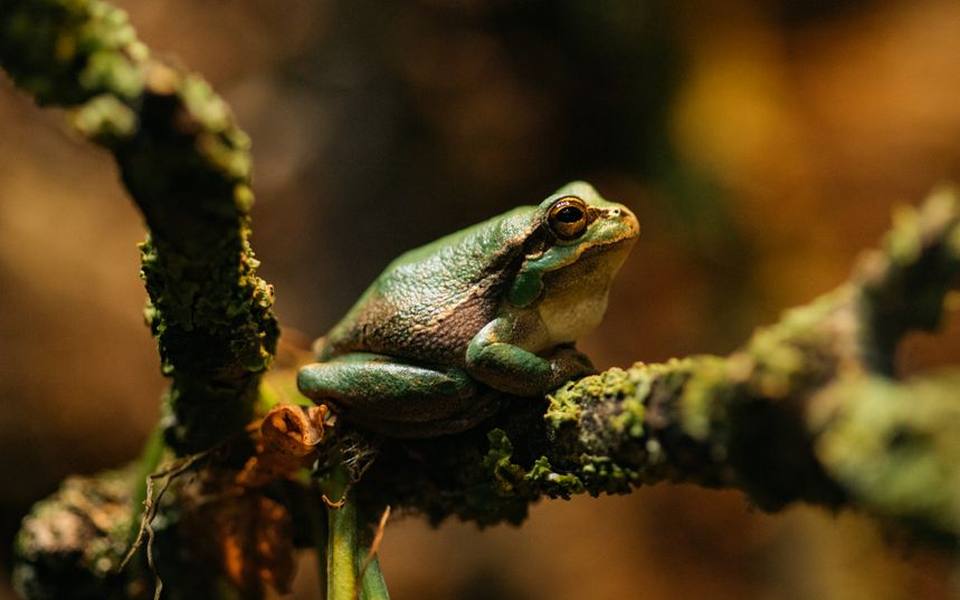 Owning
What Are Amphibians? A Complete Guide to Amphibians as Exotic Pets
-
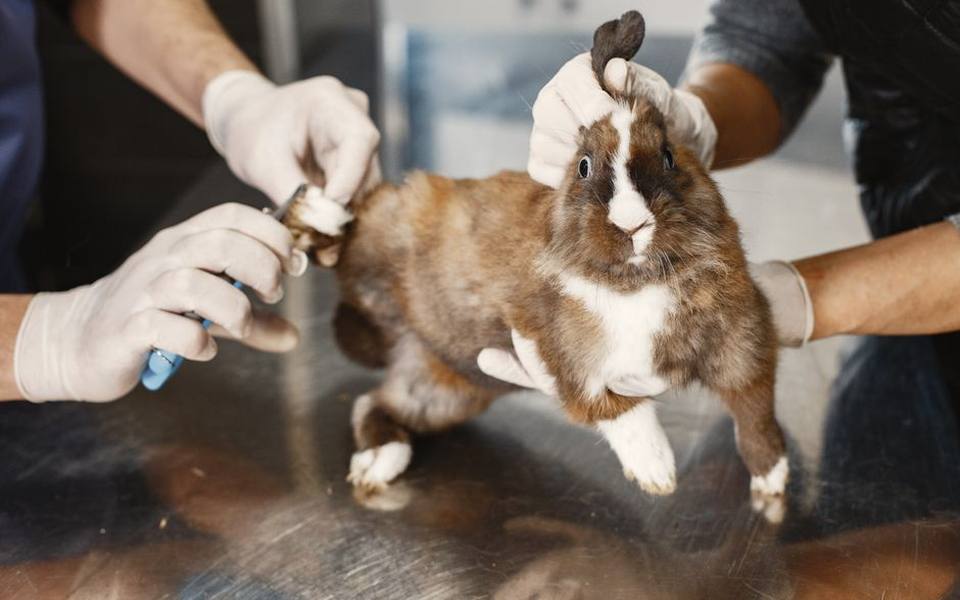 Service
How to Find Affordable and Emergency Vet Care for Exotic Pets
-
 Money
MoneyHow Much Does a Parrot Cost? A Complete Avian Buying and Care Price Guide
-
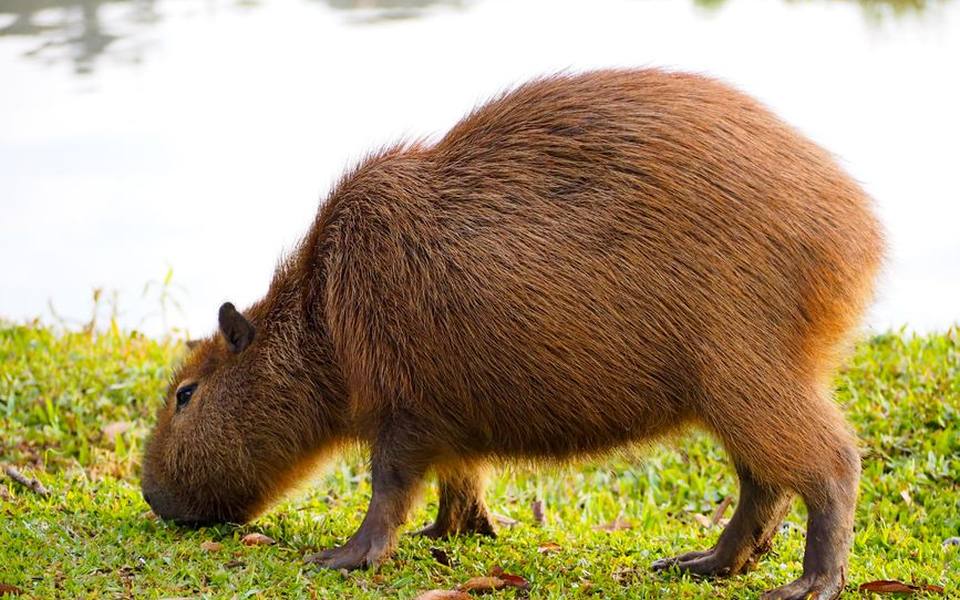 Owning
Can You Keep a Capybara as a Pet? Legality, Care, and Diet Requirements
-
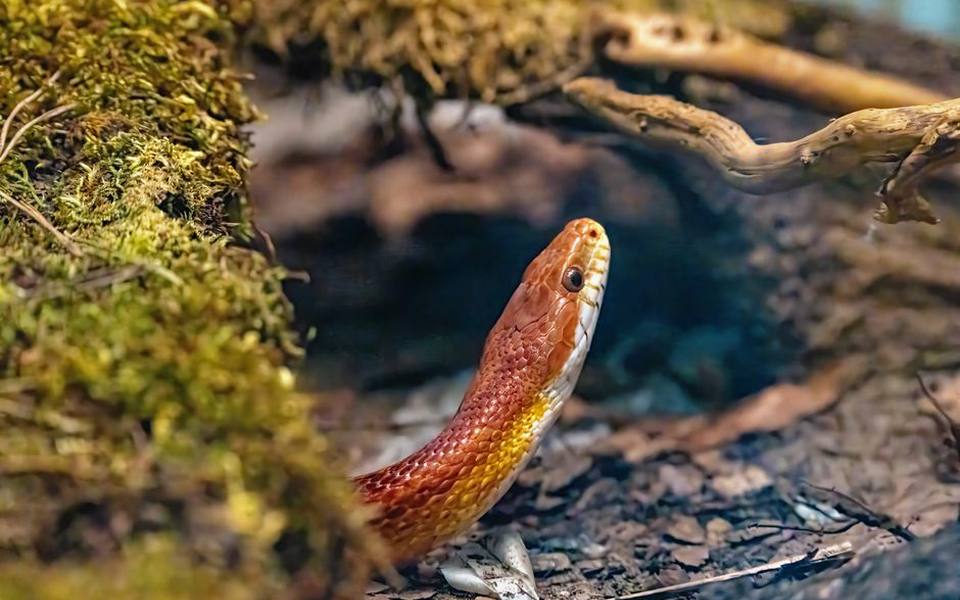 Safety
How to Treat and Get Rid of Snake Mites Safely
-
 Money
MoneyLow-Cost Rabbit Neutering: What to Expect and How to Find Affordable Care
-
 Owning
What Is an Avian Pet? A Guide to Bird Care and Specialized Veterinary Medicine