What rabbit neutering typically costs across the country
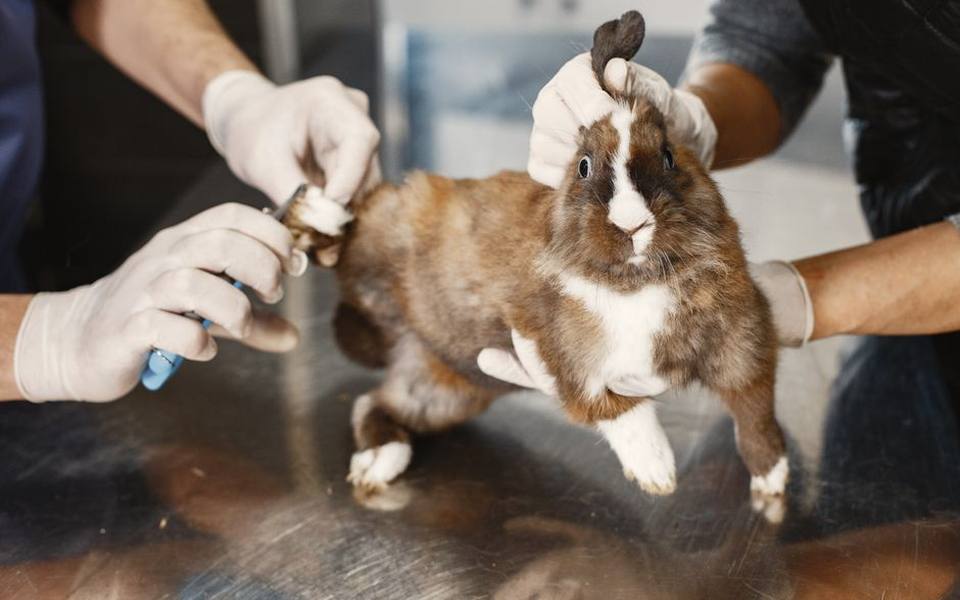
Neutering a male rabbit typically costs anywhere from $150 to $600 at a private veterinary practice, though exact totals depend on your geographic region, the clinic's surgical protocol, and whether pre-operative blood panels are included. Because rabbits are classified as exotic companion animals, their procedures demand specialized intubation gear and monitoring equipment that standard dog-and-cat practices often do not stock. Consequently, routine sterilization for a rabbit usually commands a higher baseline fee than a routine feline neuter.
A full billing estimate normally includes several line items beyond the surgeon's time. You can generally expect to see charges for the pre-surgical physical examination, general anesthesia with specialized gas agents, micro-surgical instrumentation, post-operative recovery monitoring, and take-home pain relief. In urban centers or specialty animal hospitals, mandatory baseline bloodwork may add another $80 to $200 to the final bill, which ensures the liver and kidneys can process anesthetic agents safely.
While private hospital rates can feel steep for new pet owners, reputable non-profit clinics and humane societies occasionally provide subsidized operations ranging from $60 to $180. These lower rates are made possible through charitable grants and municipal spay-neuter vouchers, making responsible care accessible even on a restricted budget.
Why neutering is essential for your rabbit's health and behavior
Desexing your buck is not merely a method of population control; it plays a critical role in long-term health and household harmony. Intact male rabbits reach sexual maturity between three and six months of age, at which point testosterone triggers intense territorial drives. Owners frequently encounter persistent urine spraying on walls, destructive chewing, mounting behavior, and unprovoked lunging or boxing with their paws.

Beyond behavioral challenges, surgical sterilization completely eliminates the possibility of testicular cancer and significantly lowers the likelihood of reproductive tract abscesses. In multi-rabbit households, having every animal altered is an absolute prerequisite for successful bonding. Intact bucks view other rabbits as rivals or mates, leading to severe territorial fighting that can cause deep puncture wounds and chronic stress.
Scheduling the procedure early also simplifies post-operative healing. Younger rabbits typically bounce back from anesthesia more rapidly, experience fewer vascular complications during surgery, and settle into relaxed, litter-box-trained indoor companions without months of ingrained hormone-driven habits to break.
Finding subsidized clinics and community voucher programs
Locating affordable options begins with local rabbit rescue networks and animal welfare leagues. Many municipal shelters collaborate with experienced veterinarians to run designated spay-and-neuter days for small animals. If a community clinic does not perform exotic surgeries on site, their staff can often point you toward regional discount programs or state-sponsored certificates that offset procedural fees at participating private hospitals.
If you live in a populated state, regional networks make searching much easier. Pet parents can browse dedicated exotic pet vets in California or check community listings for exotic pet vets in Texas to locate clinics offering sliding-scale fees based on household income. Independent rescue groups in these areas frequently negotiate bulk surgical rates with local surgeons and may extend those discounts to adopted animals or public inquiries.
When exploring community resources in the eastern half of the country, state-specific directories such as exotic pet vets in Florida and regional centers for exotic pet vets in New York can help you map out accessible practices. Be prepared for waiting lists, as subsidized surgical slots fill weeks or months in advance due to high community demand.
Evaluating clinic safety before booking a budget procedure
A low price tag should never come at the expense of fundamental surgical safety. Rabbits possess delicate respiratory systems and high metabolic rates, which means they respond to sedatives very differently than conventional pets. Before committing to a budget-friendly clinic, confirm that the attending doctor has formal experience handling lagomorphs and uses modern inhalant agents such as isoflurane or sevoflurane rather than outdated injectable cocktails alone.
Inquire specifically about their standard perioperative monitoring and pain management plans. Safe practices keep patients on active heating pads during surgery to prevent hypothermia, assign a dedicated technician to track heart and oxygen levels, and always provide take-home analgesics like meloxicam for several days following discharge. You can find experienced practitioners through directories focused on rabbit and small mammal vets, ensuring your pet is attended by clinicians who understand small-mammal physiology.
Ask the staff about their post-operative feeding protocol as well. A knowledgeable practice will request that you bring your rabbit's favorite hay, greens, and pellets to the hospital, encouraging them to nibble immediately after waking up. Fast recovery of gut motility is the single most reliable sign of a smooth, successful operation.
Navigating costs and preparing for post-op recovery at home
Managing your budget effectively involves preparing for the recovery window so you avoid emergency veterinary visits over the weekend. A basic recovery setup requires clean towels or fleece bedding to prevent substrate from entering the incision site, a low-entry litter pan, fresh timothy hay, and critical care recovery food in case your rabbit is hesitant to eat independently during the first twelve hours.
If an all-inclusive low-cost clinic is not available nearby, you can consult comprehensive listings of exotic pet veterinarians and specialist clinics to request itemized estimates. Some private practices allow clients to decline optional add-ons while retaining essential safety measures, or they provide multi-month, interest-free payment plans that make standard surgical fees manageable.
Monitoring your rabbit closely during the first forty-eight hours prevents minor complications from turning into expensive emergencies. Ensure your buck is passing fecal pellets, verify that the incision remains dry without swelling, and administer prescribed pain medication exactly on schedule so your companion remains comfortable throughout recovery.
Published 2026-09-20 · reviewed with each rebuild, last September 2026.
Find exotic pet vets near you
The directory lists 3,229 exotic pet vets by state and city — pick your state or use the “Near me” button in the header.
More guides
-
 Owning
What Are Amphibians? A Complete Guide to Amphibians as Exotic Pets
-
 Service
How to Find Affordable and Emergency Vet Care for Exotic Pets
-
 Money
MoneyHow Much Does a Parrot Cost? A Complete Avian Buying and Care Price Guide
-
 Owning
Can You Keep a Capybara as a Pet? Legality, Care, and Diet Requirements
-
 Safety
How to Treat and Get Rid of Snake Mites Safely
-
 Owning
Keeping Exotic Mammals: Can You Have a Fennec Fox or Kinkajou as a Pet?
-
 Owning
What Is an Avian Pet? A Guide to Bird Care and Specialized Veterinary Medicine