Understanding What Makes an Animal an Amphibian
Amphibians are ectothermic vertebrate animals recognized biologically for undergoing an aquatic-to-terrestrial life transition. The biological class Amphibia encompasses frogs, toads, newts, salamanders, and legless caecilians. Unlike mammals and birds, amphibians cannot regulate their body temperature internally, depending entirely on warm or cool zones within their surroundings. Their most defining biological feature is a soft, permeable skin layer that absorbs moisture, dissolved oxygen, and environmental compounds directly from the air and water.
This unique cutaneous respiration makes amphibians profoundly sensitive to environmental contaminants. While this porous skin allows them to thrive in humid microclimates, it also means that residues from household cleaners, chlorine in tap water, or cosmetic oils on human hands absorb immediately into their tissues. In a home enclosure, an amphibian relies on consistent moisture and uncontaminated substrates to stay hydrated and breathe efficiently, making ambient habitat control their primary survival requirement.
Most amphibian species experience a distinct larval stage before morphing into adults. Typically, females deposit shell-less gelatinous eggs directly into standing water or very damp vegetation. The aquatic larvae that emerge utilize external gills until transforming into air-breathing forms. Certain popular captive species, like axolotls, retain their larval features into adulthood through neoteny, but all amphibians share the fundamental requirement for clean water and stable humidity throughout their natural lifespans.
Key Differences Between Amphibians and Reptiles
Prospective owners often group amphibians and reptiles together as exotic pets, but their physiological mechanics differ substantially. Reptiles are protected by tough, dry scales formed from keratin, which prevent dehydration and shield them from external contaminants. Amphibians lack any scales; their delicate epidermal layer is moist, glandular, and constantly coated in a mucus layer that retains hydration and provides passive defense against common bacterial and fungal spores.
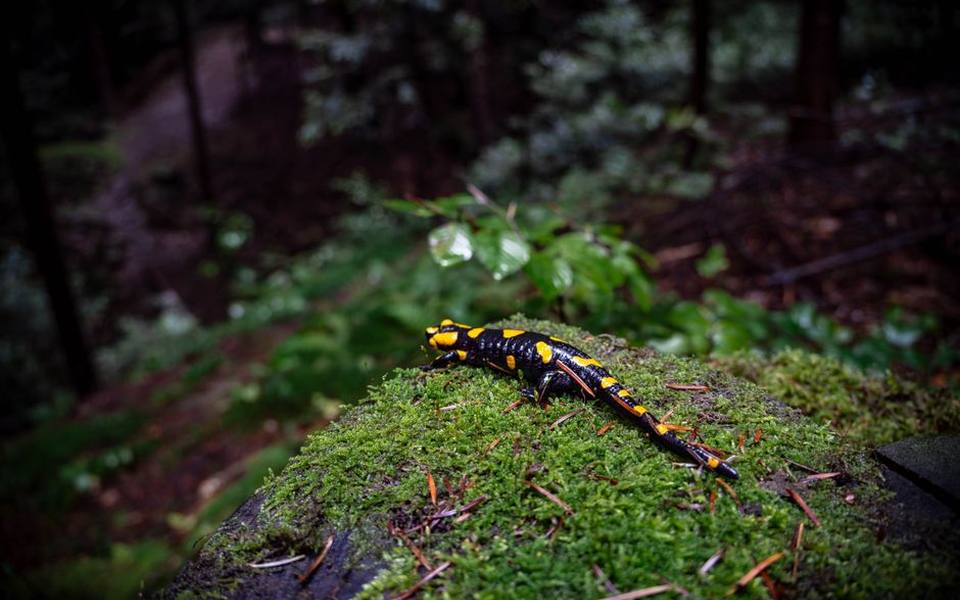
Reproductive biology highlights another critical distinction between the two groups. Reptiles lay amniotic eggs with leathery or brittle calcium shells, allowing them to reproduce entirely on dry ground without moisture loss. Amphibian eggs lack protective shells and desiccate rapidly without direct water contact or very saturated surroundings. When looking for professional guidance, owners will note that clinicians specializing in reptile care often assist with amphibians, though their diagnostic methods and treatment tolerances differ.
Thermal requirements also separate these two animal classes in home setups. Many desert reptiles thrive under intense overhead basking lamps reaching high temperatures. Amphibians, by contrast, generally require much cooler, stable microclimates. Excessive heat rapidly dries out an amphibian's moist skin, impairing its ability to exchange respiratory gases and precipitating severe osmotic stress, which can quickly turn fatal if humidity and thermal gradients are not managed properly.
Popular Amphibian Species and Enclosure Design
The exotic pet community includes a variety of terrestrial, arboreal, and purely aquatic amphibians. South American horned frogs, commonly known as Pacman frogs, spend their time burrowed into damp coconut fiber awaiting passing feeder insects. Axolotls remain fully aquatic, requiring cold, filtered fresh water with gentle aeration. Arboreal tree frogs, such as White's tree frogs, need vertical terrariums equipped with broad leaves, sturdy climbing branches, and accessible water bowls.
Water quality represents the cornerstone of any amphibian housing setup. Tap water contains chlorine and chloramines that damage amphibian skin and gills, requiring owners to use specialized water conditioners before filling basins or misting systems. Distilled water alone should generally be avoided for soaking areas because pure water lacks essential dissolved minerals, creating osmotic imbalances that draw vital electrolytes out through the animal's permeable skin over extended periods.
Substrate selection must always balance moisture retention with physical safety. Amphibians feed by lunging or flicking sticky tongues, routinely swallowing substrate particles along with their prey. Fine-milled coconut coir, chemical-free sphagnum moss, or plain wet paper towels work well for terrestrial species. Coarse gravel, sharp wood chips, and small decorative pebbles should be strictly avoided because ingested stones easily cause fatal gastrointestinal blockages in captive frogs and salamanders.
Safe Handling Practices and Skin Protection
Amphibians are primarily display animals rather than interactive companions meant for regular physical handling. The natural oils, salts, soaps, and lotions present on human skin absorb into the animal's bloodstream during contact. Holding an amphibian unnecessarily causes significant stress, alters its body temperature, and can strip away the protective mucus layer that prevents airborne bacteria and environmental pathogens from penetrating the delicate dermal barrier.
When handling is required for routine tank cleaning or physical health assessments, proper preparation is essential. Thoroughly wash and rinse hands with warm water without scented soaps, or wear powder-free nitrile gloves moistened with treated, dechlorinated water. Standard latex gloves should be avoided because manufacturing residues and powders can irritate sensitive tissues. Gently usher the animal into a clean, moist plastic container rather than grabbing it around the torso.
Regular observation through enclosure glass helps owners spot subtle skin complications early. Healthy amphibians display clear eyes, intact skin without open lesions, and steady posture. Retained shed clinging in dull, ragged patches typically points to low enclosure humidity or poor water hygiene. If an animal appears lethargic, displays pink or red discoloration on its underside, or stops eating, environmental parameters should be tested immediately.
Preventative Healthcare and Veterinary Support
Veterinary care for amphibians requires specialized clinical training and micro-dosing pharmacology. Standard companion animal practices are rarely outfitted with the diagnostic tools or reference ranges needed to treat small amphibians safely. If your pet exhibits abnormal bloating, persistent loss of appetite, or cloudy eyes, consult an experienced provider of exotic pet medical care who works routinely with exotic amphibians and reptiles.
Captive amphibians are susceptible to several serious systemic conditions, including chytridiomycosis, bacterial dermatosepticemia, and metabolic bone disease. Metabolic bone disease stems from inadequate dietary calcium or improper nutritional dusting on feeder insects, causing soft jawlines and spinal deformities. Bacterial dermatosepticemia, often termed red-leg syndrome, frequently develops when poor water quality or dirty substrate allows opportunistic pathogens to overrun an animal's immune system.
Quarantining new pets for at least thirty to sixty days prevents the introduction of contagious fungal pathogens into established vivariums. To find knowledgeable practitioners who understand amphibian husbandry, review resources across all states or consult regional options like Exotic Pet Vets in California. Establishing a relationship with an exotic veterinarian before purchasing an amphibian ensures you have access to professional guidance whenever husbandry issues or health questions arise.
Published 2026-09-20 · reviewed with each rebuild, last September 2026.
Find exotic pet vets near you
The directory lists 3,229 exotic pet vets by state and city — pick your state or use the “Near me” button in the header.
More guides
-
 Service
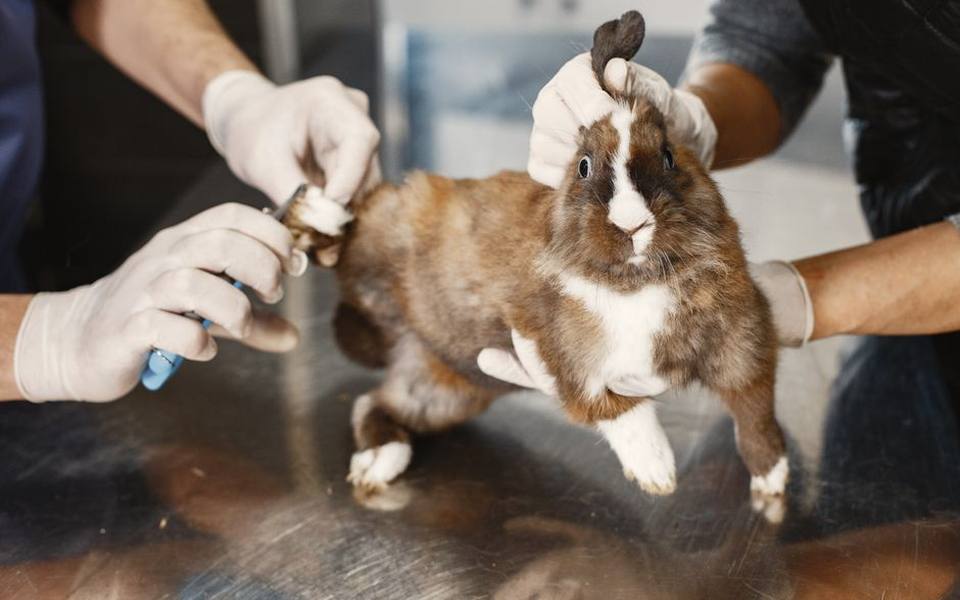
How to Find Affordable and Emergency Vet Care for Exotic Pets
-
 Money
MoneyHow Much Does a Parrot Cost? A Complete Avian Buying and Care Price Guide
-
 Owning
Can You Keep a Capybara as a Pet? Legality, Care, and Diet Requirements
-
 Safety
How to Treat and Get Rid of Snake Mites Safely
-
 Owning
Keeping Exotic Mammals: Can You Have a Fennec Fox or Kinkajou as a Pet?
-
 Money
MoneyLow-Cost Rabbit Neutering: What to Expect and How to Find Affordable Care
-
 Owning
What Is an Avian Pet? A Guide to Bird Care and Specialized Veterinary Medicine