How Medical Insurance for Non-Traditional Pets Operates
Pet insurance for exotic pets works on a reimbursement model rather than the managed-care network system common in human health plans. When your bird, reptile, or small mammal becomes sick or sustains an injury, you take the animal to any licensed practitioner, pay the invoice out of pocket at checkout, and submit the itemized medical receipt along with clinical notes to your insurer. The carrier evaluates the claim against your policy terms and sends compensation based on your selected reimbursement rate.
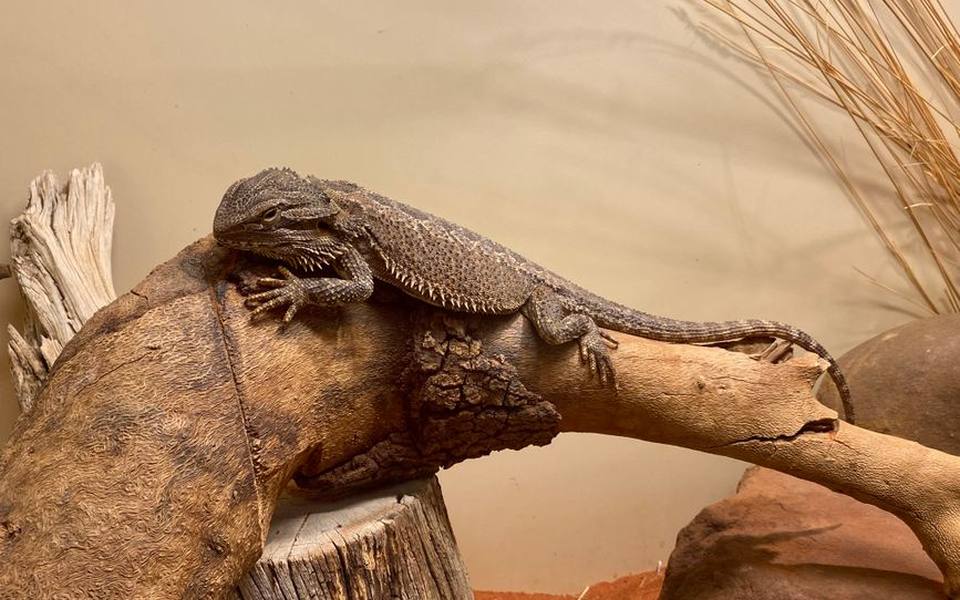
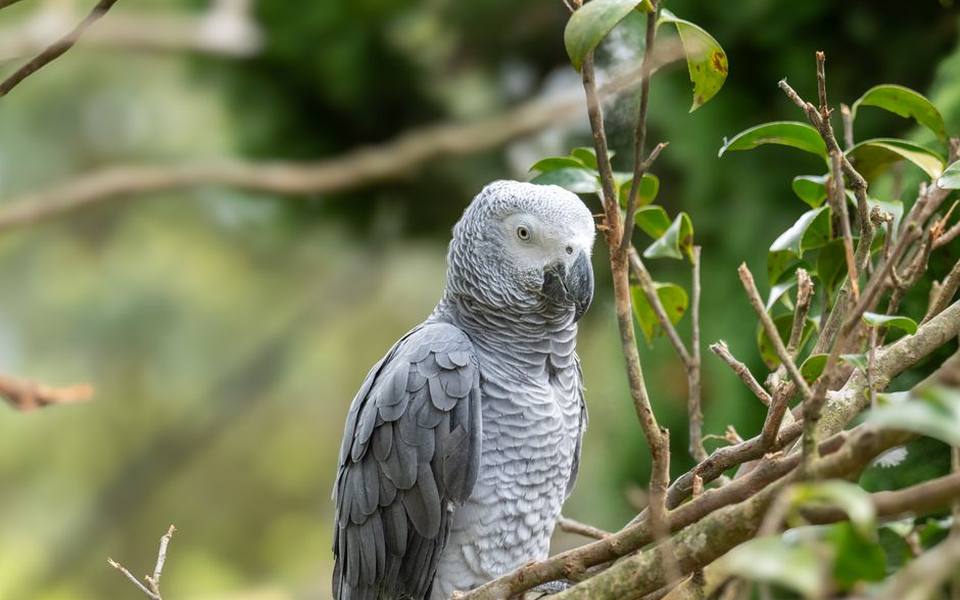
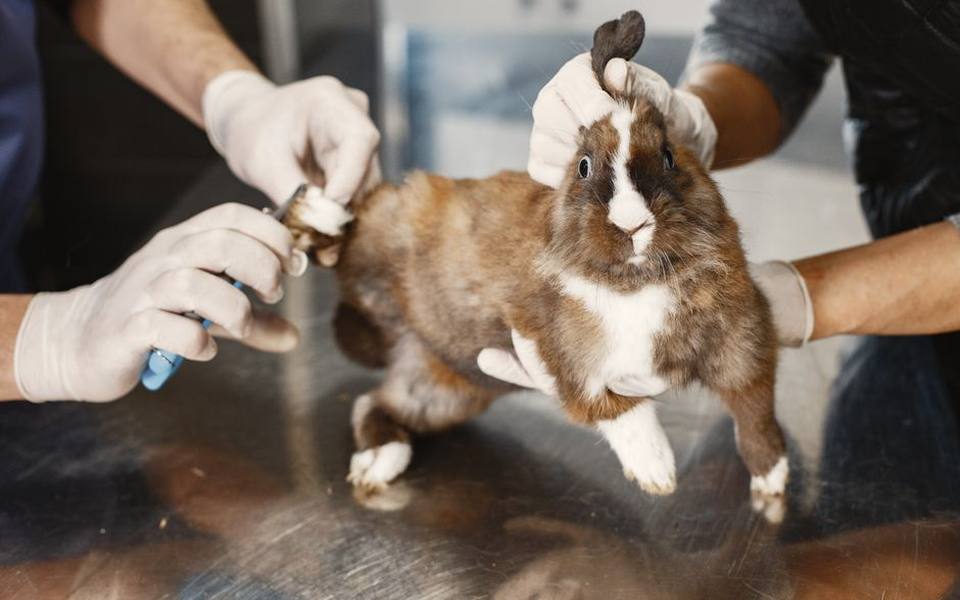
Unlike standard coverage for domestic cats and dogs, exotic animal pet insurance is offered by a much smaller pool of carriers across the United States. Underwriting guidelines are stricter because biological baselines, life expectancies, and medical vulnerabilities vary widely between an African grey parrot, a bearded dragon, and a Netherland dwarf rabbit. Because actuarial data for unusual species is limited, policy structures tend to feature specific illness caps, defined benefit schedules, or specialized enrollment criteria.
Monthly premiums for non-traditional species depend primarily on the exact species, age at enrollment, and geographic location. A policyholder in a major metropolitan area with high specialty clinic overhead will typically pay higher monthly rates than an owner living in a rural area. Furthermore, coverage must almost always be secured before an illness arises, as pre-existing health issues are universally excluded across every legitimate underwriter operating in the country.
Typical Veterinary Costs for Birds, Reptiles, and Small Mammals
Routine examinations for unconventional species generally cost more than standard dog or cat visits because they require specialized equipment, handling skills, and taxonomic training. A baseline physical examination typically ranges noticeably above traditional companion animal exams, depending on your region and clinic capabilities. Diagnostic workups such as whole-body digital radiographs, exotic blood panels, or fecal pathogen screenings can quickly double or triple the final invoice before any therapeutic medication is dispensed.
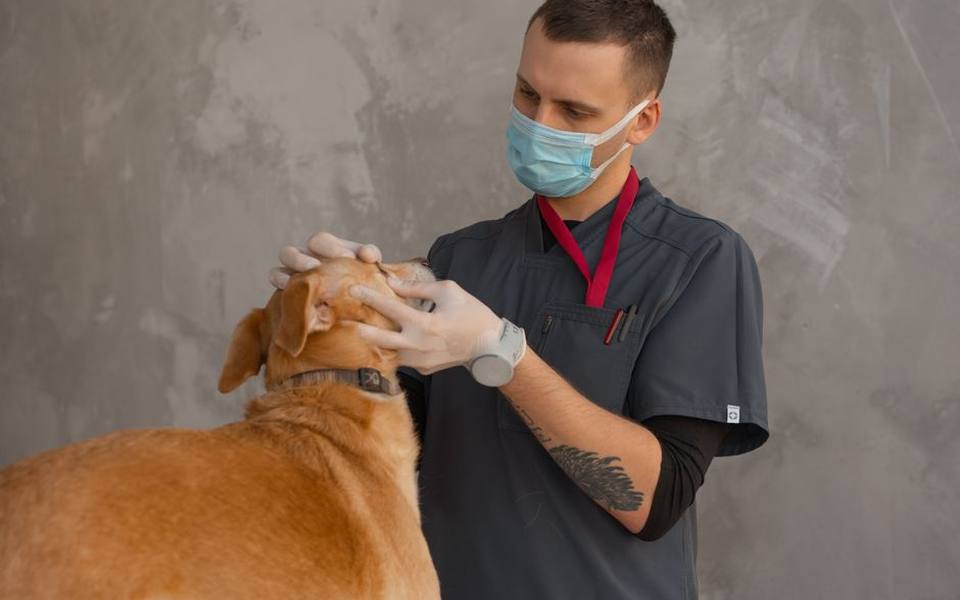
Advanced surgical procedures and emergency interventions represent the largest financial risk for owners of unique companions. Surgeries for gastrointestinal stasis in lagomorphs, egg binding in hens, or dystocia in gravid squamates typically require specialized micro-surgical instruments, targeted warming systems, and dedicated avian or exotics anesthesia monitoring. Intensive hospital stays involving incubator oxygen cages or continuous fluid therapy can easily reach several thousand dollars over a single weekend.
Ongoing management of chronic conditions also adds substantial cumulative cost over a pet's lifespan. Small mammals frequently require periodic dental crown reduction under sedation, while aging birds and reptiles may need lifelong anti-inflammatory regimens, nutritional adjustments, and repeat blood monitoring. Without an emergency fund or appropriate insurance for exotic animals, unexpected health crises can force difficult choices between financial stability and optimal medical treatment.
Coverage Options for Rabbits, Ferrets, and Small Herbivores
Small mammals represent the largest segment of policyholders within non-traditional medical plans, with rabbits, ferrets, guinea pigs, and chinchillas leading enrollment numbers. Finding qualified rabbit and small mammal vets is essential, as these species possess fragile digestive systems and mask symptoms until conditions become critical. Policies for small herbivores typically cover common emergencies such as acute gastrointestinal hypomotility, urinary bladder sludge, respiratory infections, and accidental fractures resulting from handling.
Dental pathology is a primary concern for herbivores with continuously erupting teeth, but coverage rules for dental issues are notoriously strict. Many underwriters will only cover dental procedures if the malocclusion or root abscess is directly caused by a sudden trauma rather than congenital misalignment or dietary deficiency. If an applicant's intake paperwork mentions historical tooth spurs or molar trimming prior to enrollment, subsequent dental claims will almost certainly be rejected as pre-existing conditions.
Ferret coverage involves unique considerations due to the high incidence of metabolic and endocrine tumors in middle-aged animals. Insulinoma, adrenal gland disease, and lymphoma occur with substantial frequency in domestic ferrets, necessitating costly hormonal implants, regular blood chemistry checks, or partial adrenalectomies. Ensuring your policy does not place severe sub-limits on endocrine testing or cancer treatments is vital before choosing a plan for any mustelid.
What Avian Medical Policies Cover and Exclude
Avian pet insurance offers vital protection for companion parrots, passerines, and backyard poultry, whose sophisticated respiratory and reproductive systems require advanced veterinary techniques. When consulting board-certified avian vets, owners frequently discover that specialized testing, including DNA sexing, heavy metal toxicity screenings, and psittacine viral panels, carries premium laboratory fees. A robust avian policy helps buffer against the costs associated with acute respiratory distress, foreign object ingestion, and traumatic wing or leg fractures.
Reproductive emergencies are among the most frequent claims filed for female birds. Conditions like egg binding, soft-shelled eggs, and oviductal prolapse require rapid hospitalization, calcium infusions, and occasionally emergency salpingohysterectomy to save the bird's life. Standard accident and illness bird policies generally reimburse these sudden reproductive crises, provided there is no documented clinical history of chronic egg-laying or reproductive disorders prior to policy activation.
Exclusions in avian coverage usually center on behavioral problems and elective procedures. Psychological feather destructive behavior, chronic screaming, and aggressive territorial issues rarely qualify for reimbursement unless linked to an underlying systemic pathogen confirmed by blood testing. Routine wing trims, beak trims, nail shaping, and boarding costs are consistently excluded from baseline illness policies, although some optional wellness riders may reimburse a small annual allowance for basic preventive maintenance.
Reptile Healthcare Policies and Underwriting Conditions
Insuring chelonians, lizards, and non-venomous snakes involves navigating specific underwriting rules tied to husbandry and environmental management. Because cold-blooded animals depend entirely on artificial microclimates, consulting knowledgeable reptile vets is crucial when medical emergencies emerge. Policies intended for reptiles typically cover accidental thermal burns from basking equipment, impactions caused by ingested substrate, respiratory infections from humidity drops, and sudden traumatic wounds.

Underwriters scrutinize reptile claims carefully for signs of improper long-term management. Nutritional secondary hyperparathyroidism, commonly called metabolic bone disease, is often excluded if the medical records indicate inadequate ultraviolet lighting or poor dietary calcium supplementation before enrollment. If clinical charts from an initial intake exam note softened jawbones or chronic shedding difficulties, future claims related to skeletal deformities or dysecdysis will routinely face coverage denial.
Diagnostic coverage for reptiles has improved as imaging technology has become standard in specialty exotic clinics. High-end policies will reimburse endoscopy, advanced ultrasound, microbiological cultures, and computed tomography scans needed to detect internal granulomas or hepatic lipidosis. Given that reptiles can survive for decades—with some tortoises outliving their caregivers—maintaining continuous coverage from juvenile stages prevents new metabolic and organ conditions from being classified as pre-existing as the animal matures.
Standard Exclusions Across Exotic Medical Policies
While pet insurance for exotic animals provides financial relief during major health emergencies, understanding exclusions prevents costly misunderstandings at the claims desk. The most universal exclusion is pre-existing conditions, defined as any symptom, illness, or physical anomaly noted in veterinary records before enrollment or during the statutory waiting period. Even unconfirmed clinical observations, such as a mild wheeze or slight weight loss noted months prior, can cause related future claims to be denied.
Elective, cosmetic, and reproductive alterations are rarely included in standard accident-and-illness plans. Routine spaying and neutering for rabbits, non-emergency scent gland removals for ferrets, and cosmetic beak correction are treated as elective procedures that fall outside essential medical care. Similarly, microchipping, health certificates for domestic interstate travel, quarantine fees, and non-prescription dietary supplements are typically excluded from baseline reimbursement schedules unless you purchase a separate preventive wellness rider.
Husbandry-related negligence represents another common basis for denied claims across all unconventional species categories. If an underwriter determines that an injury resulted from severe housing negligence, illegal species ownership under municipal ordinances, or feeding demonstrably toxic foods, the claim will be dismissed. Reading policy documentation carefully ensures you know whether your specific enclosure setup or dietary protocol meets the underwriting guidelines enforced by your insurance provider.
Evaluating Nationwide Coverage and Underwriter Availability
Owners researching nationwide exotic pet insurance often encounter a market with very few active underwriters compared to traditional pet coverage. In the United States, only a couple of major insurance providers write admitted policies covering birds, small mammals, and herptiles across all fifty states. Because market competition is low, policy language tends to be standardized, with limited room to negotiate custom riders or adjust specific biological coverage categories.
Availability can also fluctuate based on state insurance commissioner approvals and local exotic wildlife legislation. A policy that provides complete reimbursement for a particular species in one region may have restricted benefits or higher mandatory deductibles in another jurisdiction. When moving across state lines, policyholders must notify their underwriter immediately to confirm that their existing coverage transitions seamlessly without administrative cancellation or changes in premium schedules.
To find qualified clinics that accept insured patients, pet owners can browse directories of verified exotic pet veterinarians across the country. Because pet insurance operates independently of clinic billing departments, you are free to seek treatment at university veterinary teaching hospitals, emergency referral centers, or local private practices without being restricted by narrow provider networks.
Deductibles, Copays, and Reimbursement Mechanics
Selecting the right policy structure requires balancing your monthly budget against your out-of-pocket exposure during an emergency. Most policies allow you to select an annual deductible, which typically ranges from a modest amount up to several hundred dollars depending on your preference. Choosing a higher annual deductible lowers your monthly premium payment, whereas a zero-deductible or low-deductible policy creates higher monthly bills but reduces financial shock during an unexpected hospital visit.
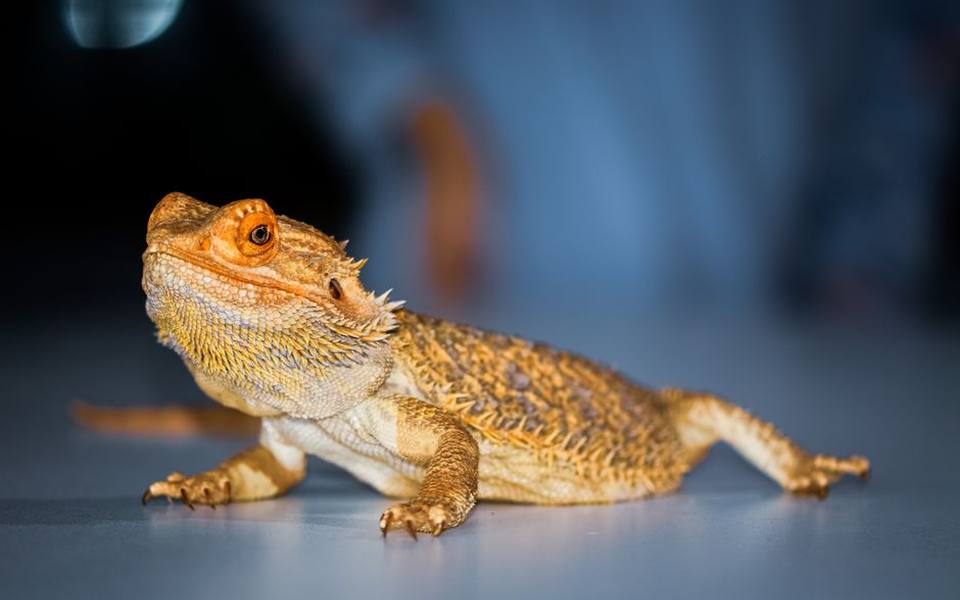
Reimbursement percentages dictate what portion of the eligible medical expenses the insurer pays after your annual deductible is satisfied. Most exotic policies offer reimbursement rates ranging between seventy and ninety percent of eligible costs. If your veterinarian bills two thousand dollars for an emergency surgical procedure, a ninety-percent reimbursement plan returns eighteen hundred dollars of eligible fees once the annual deductible is cleared, leaving you responsible only for the remaining ten percent copay.
Some legacy underwriters utilize a defined benefit schedule rather than a straightforward percentage of invoice. Under a benefit schedule, the policy pays a predetermined maximum dollar amount for specific diagnoses, regardless of what your specialty hospital actually charged. Reviewing policy paperwork to verify whether your plan uses actual veterinary invoice reimbursement or an arbitrary fee schedule is critical to avoid unexpected out-of-pocket shortfalls on complex procedures.
Emergency Veterinary Care Versus Routine Wellness Plans
A fundamental decision when shopping for coverage is choosing between an accident-and-illness catastrophic plan and a comprehensive wellness package. True medical insurance is designed to protect your savings against catastrophic, unpredictable expenses, such as emergency toxicosis treatment, foreign body retrieval, or intensive care hospitalization. These unplanned medical events can easily incur bills of thousands of dollars, making insurance a valuable safety net for emergency scenarios.
Routine wellness plans, by contrast, function more like budgeted savings subscriptions than true risk-transfer insurance. Wellness riders generally reimburse fixed, modest sums toward annual physical checkups, baseline fecal examinations, routine blood screening panels, and nail or beak maintenance. In many cases, the total annual premium cost paid for an add-on wellness rider equals or exceeds the maximum annual dollar amount the carrier will pay out for routine care.
For many exotic owners, purchasing a standalone emergency and illness policy while paying for predictable routine checkups out of regular household funds provides the most sensible financial balance. This strategy protects against catastrophic five-figure surgical bills while avoiding recurring monthly rider fees for predictable preventive services that can be anticipated and budgeted for in advance.
Deciding Whether an Exotic Pet Policy Is Worth the Investment
Determining whether formal insurance is worth the cost comes down to your personal risk tolerance, financial liquidity, and the biological characteristics of your pet. If a sudden three-thousand-dollar veterinary estimate would cause severe personal financial distress or force you to consider economic euthanasia, paying a predictable monthly premium provides invaluable peace of mind. Insurance converts volatile, unpredictable veterinary crises into a manageable monthly operating expense.
On the other hand, self-insuring through a dedicated high-yield savings account is a viable alternative for disciplined caregivers. By depositing the equivalent of a monthly premium into an emergency fund every month, you build a liquid capital reserve that accrues interest and remains entirely under your personal control. However, self-insuring carries serious risk during the early years of ownership, because an expensive surgical emergency occurring shortly after acquiring an animal can deplete the fund before adequate reserves have accumulated.
Ultimately, the value of an exotic policy increases with species complexity and veterinary scarcity. Highly specialized animals requiring avian or zoological medicine board specialists generate significantly higher hospital bills than conventional domestic pets. Evaluating your household budget, verifying regional veterinary specialist costs, and enrolling pets while they are young and completely free of documented clinical symptoms will deliver the best protection from your chosen policy.
Published 2026-09-21 · reviewed with each rebuild, last September 2026.
Find exotic pet vets near you
The directory lists 3,226 exotic pet vets by state and city — pick your state or use the “Near me” button in the header.
More guides
-
 Owning
What Are Amphibians? A Complete Guide to Amphibians as Exotic Pets
-
 Money
MoneyHow to Find Affordable and Emergency Vet Care for Exotic Pets
-
 Money
MoneyHow Much Does a Parrot Cost? Complete Exotic Bird and Pet Care Price Guide
-
 Owning
Can You Keep a Capybara as a Pet? Legality, Care, and Diet Requirements
-
 Owning
How to Treat and Get Rid of Snake Mites Safely
-
 Owning
Keeping Exotic Mammals: Can You Have a Fennec Fox or Kinkajou as a Pet?
-
 Money
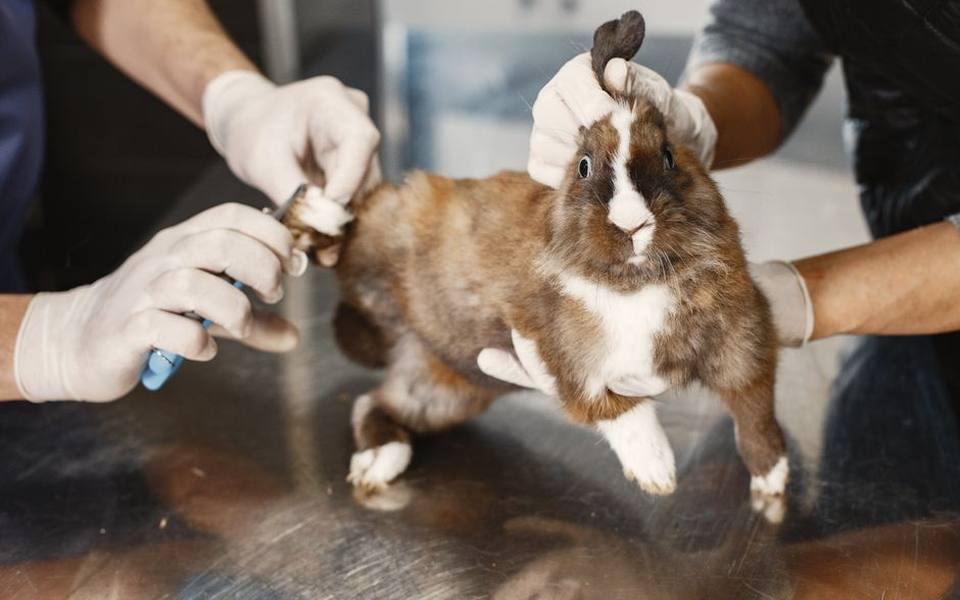
MoneyLow-Cost Rabbit Neutering: What to Expect and How to Find Affordable Care
-
 Owning
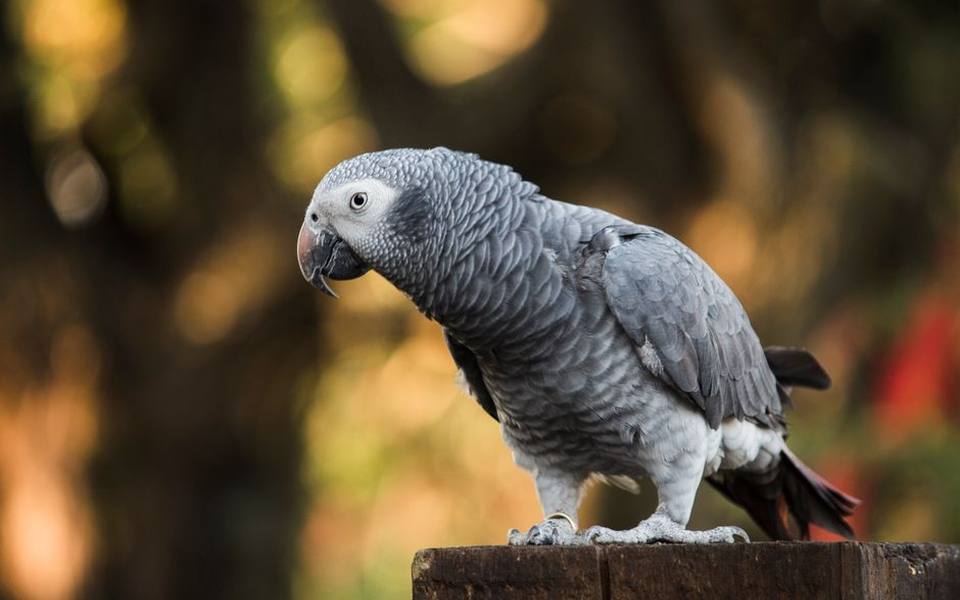
What Is an Avian Pet? A Guide to Bird Care and Specialized Veterinary Medicine
-
 Service
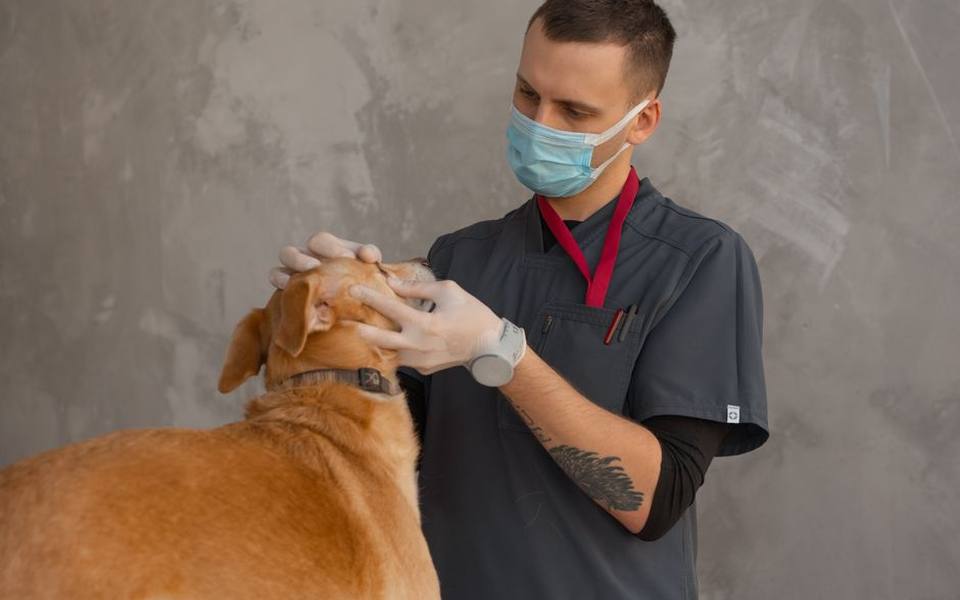
How to Find and Choose the Right Exotic Pet Veterinarian
-
 Owning
Swim Bladder Disease in Aquarium Fish: Causes, Symptoms, and Treatment
-
Owning
How to Identify and Treat Mites and Skin Parasites in Reptiles, Snakes, and Rabbits
-
Safety
Rabbit GI Stasis Guide: Symptoms, Emergency Care, and Prevention
-
 Owning
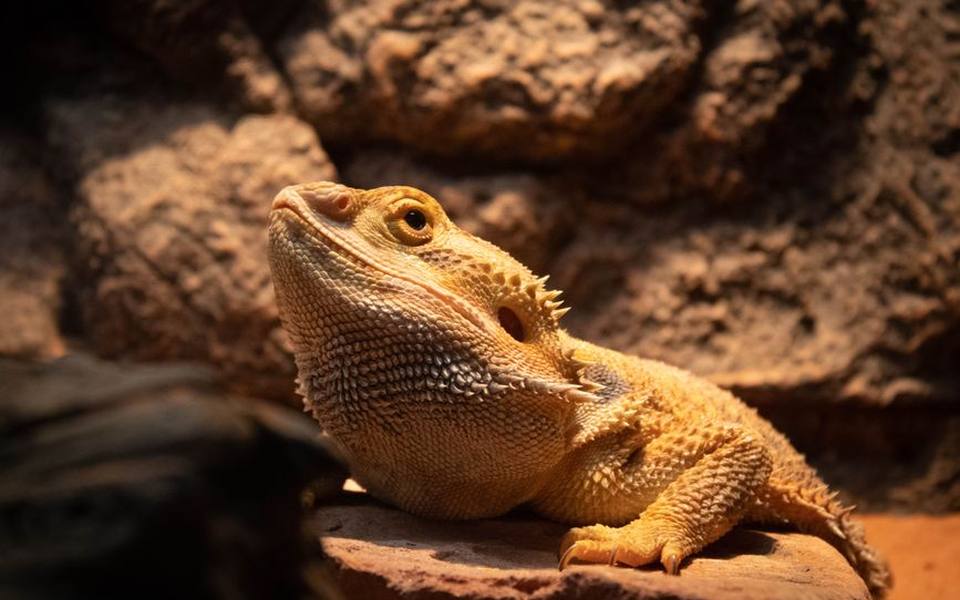
Bearded Dragon Health Guide: Brumation, Impaction, Fungus, and Skin Issues
-
 Safety
Hamster Wet Tail Disease: Causes, Symptoms, Treatment, and Prevention
-
 Owning
Clinical Care Guide: Common Illnesses in Ferrets, Pythons, and Rabbits
-
Owning
Sugar Glider Diet and Feeding Guide: BML, TPG, and Nutritional Balance
-
Owning
Bird Grooming Guide: Wing Trimming, Beak Care, and Nail Maintenance
-
 Owning
Legal Exotic Pets and Ownership Laws: Permits, Licenses, and State Regulations
-
Owning
Bird Feather Plucking and PBFD: Causes, Symptoms, and Diagnostic Steps
-
 Service
Psittacine Health and Avian Veterinary Care Guide
-
 Service
How to Find and Evaluate Exotic Pet Clinics, Specialists, and Emergency Care
-
 Owning
Clinical Guide to Reptile Shell Disorders, Shedding Complications, and Impaction
-
 Owning
Small Mammal Healthcare: Managing Chronic Illness and Emergencies
-
 Safety
Avian Egg Binding and Yolk Peritonitis: Emergency Care and Clinical Protocols
-
 Owning
Bird Grooming, Wing Maintenance, and Early Illness Signs
-
 Service
Backyard Poultry and Waterfowl Veterinary Care Guide
-
 Buying
Exotic Pet Ownership: Legal Rules, Realistic Costs, and Beginner Options
-
 Service
Aquatic Medicine: Treating Swim Bladder and Fish Infections
-
 Money
MoneyRabbit Spay, Neuter, and Vaccination Costs: Complete Veterinary Guide
-
 Owning
Understanding Amphibians: Characteristics, Classification, and Pet Care Basics
-
 Owning
Bearded Dragon Brumation and Metabolic Bone Disease: Signs, Causes, and Care
-
 Buying
Parrot Ownership Guide: Prices, Types, and Avian Basics
-
 Owning
Complete Guide to Snake Mite Treatment: Products, Safe Sprays, and Vet Care
-
 Money
MoneyRabbit Spay and Neuter Costs: Vaccinations and Low-Cost Vet Options
-
 Owning
What Are Amphibians? Traits, Classification, and Pet Care Basics
-
 Owning
How to Get an Exotic Pet License: Legal Permits and Animal Ownership Laws
-
 Owning
Reptile Health Guide: Bearded Dragon Brumation, Metabolic Bone Disease, and Snake Mite Control
-
 Money
MoneyRabbit Spay, Neuter, and Vaccination Costs: Low-Cost Vet Guide
-
 Money
MoneyHow Much Does an Exotic Vet Cost? Emergency, Routine, and In-Home Care Guide