The Baseline Costs for Fixing a Pet Rabbit
In most parts of the United States, neutering a male rabbit typically costs between $150 and $450, while spaying a female rabbit generally ranges from $250 to $650. The exact price you encounter depends on your geographic location, whether you visit a private clinic or a subsidized shelter, and the specific monitoring protocols used during surgery. Because rabbits have delicate respiratory and gastrointestinal systems, their surgical care requires specialized expertise that standard dog and cat clinics may not routinely provide.
When planning for these initial medical expenses, it helps to understand that the primary surgery fee is rarely the only charge on the invoice. Most practices include or separately bill for a pre-operative physical examination, injectable or gas anesthesia, dedicated technician monitoring, fluid therapy, and pain medications to take home. A comprehensive quote from experienced Rabbit & Small Mammal Vets will typically itemize these critical safety steps so you can see exactly what safeguards are covered.
Choosing to alter your bunny is not just about stopping unwanted litters; it significantly alters their long-term health and behavior. Unaltered rabbits often develop territorial spraying, aggressive biting, and destructive chewing once hormones surge at four to six months of age. More importantly, reproductive tract diseases are exceptionally common in unaltered mature rabbits, making the initial investment in surgical sterilization a preventive measure that frequently saves thousands of dollars in emergency treatments later in life.
Why Rabbit Surgery Differs from Traditional Pet Care
Owners are often surprised to discover that spaying or neutering a rabbit can cost as much as, or sometimes more than, performing the same procedure on a medium-sized dog. The primary driver behind this price disparity is anatomical complexity. Rabbits are obligate nasal breathers with narrow airways, delicate thoracic cavities, and uniquely sensitive responses to general sedatives. Intubating a rabbit requires specialized pediatric equipment, magnifying loops, or specialized supraglottic airway devices, alongside constant vigilance from trained veterinary technicians.
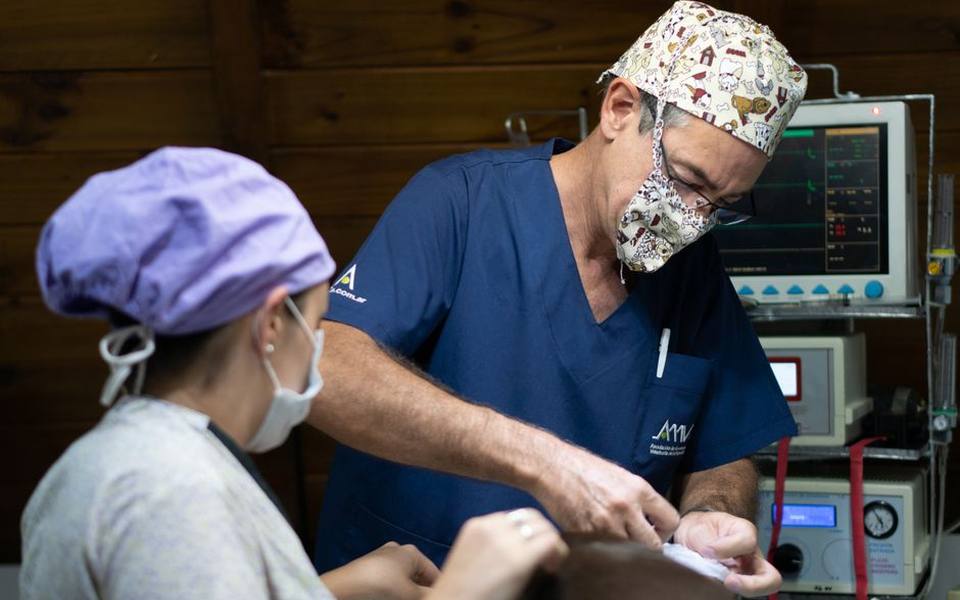
Unlike predatory species like dogs and cats, lagomorphs are prey animals that hide stress and shock until their systems are severely compromised. This physiological trait means exotic practices must invest in specialized warming pads, micro-dosed emergency drugs, and continuous Doppler blood pressure monitors designed specifically for tiny pulses. When looking at clinics that provide exotic pet medical care, you are paying for hospital infrastructure designed around keeping fragile species stable under anesthesia.
Another crucial difference lies in how a rabbit handles pain and surgical trauma. Dogs and cats can easily tolerate brief periods of inappetence after waking up, but a rabbit that stops eating faces gastrointestinal stasis, a potentially fatal shutdown of digestive motility. Post-operative rabbit care demands aggressive, proactive multimodal analgesia, gut motility agents, and assisted syringe feeding while still in recovery, all of which require dedicated staff time and customized medications.
The Breakdown of a Typical Neuter Bill
A male rabbit neuter, medically known as a castration, is a less invasive procedure than a female spay because the reproductive organs are external. A typical itemized neuter invoice begins with an initial surgical exam, which generally costs between $50 and $100. During this evaluation, the practitioner checks the heart, lungs, incisors, and abdominal palpation to confirm the animal is stable enough to clear anesthesia without unforeseen complications.
The anesthesia and surgical procedure itself usually account for $120 to $300 of the total bill. Rabbit testicles reside in open inguinal rings, which means the surgeon must carefully close or secure the tissue to prevent post-operative herniation of the intestines, a risk unique to small herbivores. The surgical line item covers the sterile surgical pack, specialized micro-sutures, gas anesthesia such as isoflurane or sevoflurane, and the hands-on operating time of the veterinarian.
The final portion of the neuter invoice covers pain management and supportive supplies, typically running from $30 to $80. Your exotic vet will usually administer an injectable anti-inflammatory like meloxicam before the bunny wakes, followed by a dispensed liquid prescription for four to six days at home. Some clinics also include recovery food packets and sterile feeding syringes directly in the surgical discharge package to ensure gut motility remains uninterrupted.
Why Spaying Female Rabbits Carries a Higher Price
Female rabbit spaying, or ovariohysterectomy, carries a higher baseline cost than a neuter because it requires entry into the abdominal cavity. The procedure involves locating, ligating, and removing both ovaries and the uterine horns through a delicate ventral midline incision. Because rabbit uterine tissue is fragile and heavily vascularized, particularly in mature or overweight does, the surgeon must work with extreme precision, which naturally increases the time spent under anesthesia.
The extended duration of abdominal surgery directly increases procedural costs, generally adding $100 to $250 compared to a male castration at the same facility. Extended surgical time requires more anesthetic gas, extended electronic vitals monitoring, and higher volumes of balanced intravenous or subcutaneous fluids to maintain cellular hydration and vascular perfusion. The surgical supplies, including layered absorbable internal sutures and skin closures, are also more extensive for female procedures.
Despite the higher initial price tag, veterinary experts consider spaying essential for female house rabbits. Intact female rabbits carry a dramatic risk of developing malignant uterine adenocarcinoma, with clinical studies indicating that up to 80 percent of unspayed females contract the disease after three to four years of age. Spaying permanently eliminates this cancer risk, transforming an upfront surgical cost into an investment that extends your companion's lifespan by several years.
Essential Rabbit Vaccinations and Preventive Shots
In recent years, preventative vaccination has become a central part of responsible rabbit husbandry across North America due to the spread of Rabbit Hemorrhagic Disease Virus Serotype 2 (RHDV2). This highly contagious calicivirus causes rapid liver failure and sudden death in both wild and domestic lagomorphs. Fortunately, an authorized vaccine is now widely available throughout the United States, providing robust protection against this devastating environmental threat.
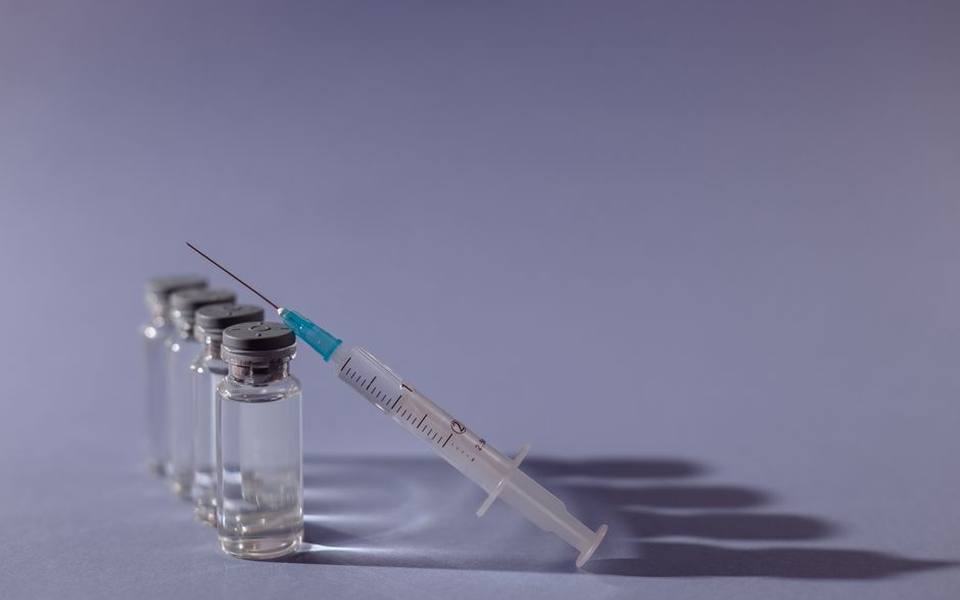
The RHDV2 vaccine typically costs between $35 and $85 per injection, depending on the clinic's administrative fees and whether the dose is given during a mass clinic or a standalone appointment. Rabbits receiving the vaccine for the first time usually require an initial injection followed by a booster dose three to four weeks later. After this primary two-dose sequence is completed, veterinary protocols generally mandate a single annual booster to sustain protective antibody levels.
When budgeting for rabbit shots, remember that the vaccine charge is almost always paired with an annual wellness examination fee, which typically ranges from $50 to $110. During this visit, your veterinarian evaluates weight trends, checks molars for sharp spikes that could impede feeding, and listens for subtle heart murmurs. While this adds to the immediate receipt, annual preventative exams are the best defense against chronic, subtle health issues common in pet lagomorphs.
How Geographic Location Affects Veterinary Invoices
Veterinary fees mirror local living expenses, commercial lease rates, and staffing overhead, leading to substantial price variances across state lines. In metropolitan hubs across California, where clinical operating overhead is substantial, spaying a female rabbit at a specialized hospital can readily exceed $500 to $700. Pet parents seeking care from Exotic Pet Vets in California frequently encounter higher rates, but benefit from access to advanced specialty equipment and dedicated exotic wards.
By comparison, veterinary practices in smaller towns across the Midwest, the South, or non-urban areas in Texas often provide identical surgical procedures at a noticeably lower price point. Consulting Exotic Pet Vets in Texas might yield quotes between $175 and $350 for a male neuter, whereas similar appointments in Manhattan or urban Chicago easily double those amounts. Finding reliable baseline quotes across all 1,872 listings in top states via veterinary directories gives you a realistic benchmark for your immediate market.
Beyond state lines, competition plays a notable role in clinical pricing structures. Urban centers with multiple certified avian and exotic specialists often have tiered pricing, allowing owners to choose between university teaching hospitals, dedicated specialty practices, or mixed-animal general clinics. In rural areas with only one clinic willing to handle small mammals, fees may simply reflect the scarcity of the service and the cost of stocking specialty drugs that standard rural practices rarely dispense.
Finding Low-Cost Spay and Neuter Alternatives
If private exotic clinic estimates stretch your budget too far, subsidized alternatives may be available through local non-profit organizations and animal rescue leagues. Many municipal animal shelters and regional rabbit advocacy groups partner with mobile surgical units or participating private practices to offer discounted procedures. Through these community outreach partnerships, rabbit neuters can sometimes be secured for $60 to $150, while spays frequently fall between $90 and $200.
To locate these subsidized resources, start by contacting local rabbit rescue shelters, humane societies, or regional House Rabbit Society chapters. These organizations regularly compile lists of veterinary providers offering community vouchers or host periodic low-cost alteration clinics specifically aimed at small companion animals. Availability can be limited, and demand often creates waiting lists that stretch several weeks or months into the future.
When utilizing a low-cost surgical program, make sure to ask what is included in the promotional price. Some high-volume programs trim costs by omitting optional pre-operative blood screening, offering minimal take-home analgesia, or performing recoveries without dedicated one-on-one fluid warmers. You should always verify whether prescription pain relief for recovery at home is covered or available as an affordable add-on, as post-surgical pain management is mandatory for proper healing.
Hidden and Ancillary Medical Expenses to Plan For
When setting up a medical budget for your rabbit, account for incidental services that may arise alongside surgery. The most common optional recommendation is pre-anesthetic blood testing, which usually runs between $80 and $180. A complete blood count and biochemical profile evaluate kidney and liver function, ensuring your rabbit can efficiently metabolize anesthetics. For young, healthy bunnies this test is frequently optional, but veterinarians strongly advise it for animals over two years old.
Microchipping is another common ancillary service performed during alteration while the rabbit is comfortably anesthetized. Implantation typically costs between $30 and $60, plus a one-time registration fee depending on the registry service. Microchipping provides permanent identification, which is invaluable if an indoor house rabbit slips out an open door or escapes from an outdoor exercise enclosure.
Finally, unexpected post-operative complications, though relatively uncommon with experienced practitioners, can introduce unplanned expenses. If a rabbit experiences delayed recovery or enters gut stasis after returning home, supportive care visits, additional motility stimulants, or subcutaneous fluid therapies can add $100 to $300 to your total investment. Maintaining a small emergency fund helps absorb these unpredictable aftercare needs without causing personal financial strain.
Preparing Your Rabbit and Home for Surgery Day
Proper surgical preparation for a rabbit is fundamentally different from preparing a dog or cat. You must never withhold food or water from a rabbit prior to surgery. Because rabbits cannot vomit and require steady hindgut fermentation, withholding food for even eight hours can trigger fatal gastrointestinal stasis. A reliable exotic veterinary clinic will explicitly instruct you to provide unlimited hay and fresh water right up until the moment you leave your home.

Before transporting your bunny to the hospital, prepare a secure, quiet recovery space at home. Swap out loose shavings or pellet litter for smooth, clean fleece blankets or thick layers of paper towels for the first five to seven days. Loose bedding materials can adhere to surgical wounds, introduce environmental bacteria, or cause painful irritation at delicate incision lines.
Stock your home pantry with aromatic greens like cilantro, parsley, and mint to stimulate your rabbit's appetite the evening they return home. Have a fresh pouch of recovery nutrition powder, such as Critical Care, alongside appropriate dosing syringes ready in case your pet remains hesitant to eat solid hay voluntarily. Monitoring fecal output, water consumption, and surgical site cleanliness closely over the first 48 hours ensures an uneventful return to normal activity.
Questions to Ask Before Booking an Appointment
Because rabbits are classified as exotic pets, veterinary training regarding their care varies significantly across the profession. Before committing to a surgical deposit, speak directly with the clinic staff to gauge their experience with lagomorphs. Inquire about how many rabbit spays and neuters the practicing surgeon conducts each month; high surgical volume correlates strongly with smoother procedures, shorter operating times, and lower anesthetic complication rates.
Ask specific questions regarding their anesthetic and post-operative protocols. A rabbit-savvy practice will readily explain their methods for intubation or airway maintenance, how they prevent intraoperative hypothermia with circulating warm water blankets, and which continuous monitoring equipment they utilize. They should also detail their standard take-home pain relief plans without hesitation, ensuring that adequate multi-day analgesia is built directly into their standard of care.
Finally, clarify the clinic's policies regarding overnight hospitalization. Some facilities monitor patients until late afternoon before discharging them to familiar home surroundings, which minimizes prey-animal stress. Other clinics prefer to keep rabbits overnight to track fecal output and food intake directly. Knowing these operational logistics in advance helps you coordinate transportation, organize aftercare monitoring, and prevent unexpected boarding charges.
Published 2026-09-21 · reviewed with each rebuild, last September 2026.
Find exotic pet vets near you
The directory lists 3,226 exotic pet vets by state and city — pick your state or use the “Near me” button in the header.
More guides
-
 Owning
What Are Amphibians? A Complete Guide to Amphibians as Exotic Pets
-
 Money
MoneyHow to Find Affordable and Emergency Vet Care for Exotic Pets
-
 Money
MoneyHow Much Does a Parrot Cost? Complete Exotic Bird and Pet Care Price Guide
-
 Owning
Can You Keep a Capybara as a Pet? Legality, Care, and Diet Requirements
-
 Owning
How to Treat and Get Rid of Snake Mites Safely
-
 Owning
Keeping Exotic Mammals: Can You Have a Fennec Fox or Kinkajou as a Pet?
-
 Money
MoneyLow-Cost Rabbit Neutering: What to Expect and How to Find Affordable Care
-
 Owning
What Is an Avian Pet? A Guide to Bird Care and Specialized Veterinary Medicine
-
 Service
How to Find and Choose the Right Exotic Pet Veterinarian
-
 Owning
Swim Bladder Disease in Aquarium Fish: Causes, Symptoms, and Treatment
-
Owning
How to Identify and Treat Mites and Skin Parasites in Reptiles, Snakes, and Rabbits
-
Safety
Rabbit GI Stasis Guide: Symptoms, Emergency Care, and Prevention
-
 Owning
Bearded Dragon Health Guide: Brumation, Impaction, Fungus, and Skin Issues
-
 Safety
Hamster Wet Tail Disease: Causes, Symptoms, Treatment, and Prevention
-
 Owning
Clinical Care Guide: Common Illnesses in Ferrets, Pythons, and Rabbits
-
Owning
Sugar Glider Diet and Feeding Guide: BML, TPG, and Nutritional Balance
-
Owning
Bird Grooming Guide: Wing Trimming, Beak Care, and Nail Maintenance
-
 Money
MoneyExotic Pet Insurance and Vet Costs: What Is Covered and Is It Worth It?
-
 Owning
Legal Exotic Pets and Ownership Laws: Permits, Licenses, and State Regulations
-
Owning
Bird Feather Plucking and PBFD: Causes, Symptoms, and Diagnostic Steps
-
 Service
Psittacine Health and Avian Veterinary Care Guide
-
 Service
How to Find and Evaluate Exotic Pet Clinics, Specialists, and Emergency Care
-
 Owning
Clinical Guide to Reptile Shell Disorders, Shedding Complications, and Impaction
-
 Owning
Small Mammal Healthcare: Managing Chronic Illness and Emergencies
-
 Safety
Avian Egg Binding and Yolk Peritonitis: Emergency Care and Clinical Protocols
-
 Owning
Bird Grooming, Wing Maintenance, and Early Illness Signs
-
 Service
Backyard Poultry and Waterfowl Veterinary Care Guide
-
 Buying
Exotic Pet Ownership: Legal Rules, Realistic Costs, and Beginner Options
-
 Service
Aquatic Medicine: Treating Swim Bladder and Fish Infections
-
 Owning
Understanding Amphibians: Characteristics, Classification, and Pet Care Basics
-
 Owning
Bearded Dragon Brumation and Metabolic Bone Disease: Signs, Causes, and Care
-
 Buying
Parrot Ownership Guide: Prices, Types, and Avian Basics
-
 Owning
Complete Guide to Snake Mite Treatment: Products, Safe Sprays, and Vet Care
-
 Money
MoneyRabbit Spay and Neuter Costs: Vaccinations and Low-Cost Vet Options
-
 Owning
What Are Amphibians? Traits, Classification, and Pet Care Basics
-
 Owning
How to Get an Exotic Pet License: Legal Permits and Animal Ownership Laws
-
 Owning
Reptile Health Guide: Bearded Dragon Brumation, Metabolic Bone Disease, and Snake Mite Control
-
 Money
MoneyRabbit Spay, Neuter, and Vaccination Costs: Low-Cost Vet Guide
-
 Money
MoneyHow Much Does an Exotic Vet Cost? Emergency, Routine, and In-Home Care Guide