Understanding What Wet Tail Actually Means
Hamster wet tail disease—clinically known as proliferative ileitis—is a severe, fast-progressing bacterial intestinal infection that primarily strikes Syrian hamsters. The condition causes acute inflammation of the lower small intestine, leading to profuse watery diarrhea that coats the animal's rump and tail region in foul-smelling moisture. Without prompt medical intervention, affected animals can succumb to rapid dehydration and systemic shock within just twenty-four to forty-eight hours. Understanding the mechanics of this illness helps owners recognize that a moist tail is rarely a minor hygienic problem, but rather an acute medical emergency.
The primary pathogen linked to classic wet tail is the bacterium Lawsonia intracellularis, though opportunistic organisms like Campylobacter and Escherichia coli often exacerbate the infection. In healthy, calm hamsters, the natural balance of gut flora keeps these pathogens subdued. However, severe physical or psychological stress disrupts intestinal equilibrium, compromising the mucosal lining and allowing harmful bacteria to multiply exponentially. As bacterial colonies proliferate, the intestinal wall thickens, severely impairing the hamster's ability to absorb vital fluids and nutrients from food.
While any hamster can experience digestive upset, true wet tail disease is overwhelmingly documented in Syrian (golden) hamsters, especially juveniles aged three to ten weeks. Dwarf hamsters, including Roborovski and Campbell species, frequently suffer from generic forms of diarrhea due to dietary indiscretions or parasites, but rarely develop true proliferative ileitis. Regardless of species, any noticeable accumulation of liquid fecal matter around the perineum demands serious attention, as dehydration in such small bodies escalates into a fatal crisis with startling speed.
Spotting the First Physical Signs
Identifying the early symptoms of wet tail disease can mean the difference between a successful recovery and a tragic loss. The hallmark indicator is damp, matted fur around the base of the tail, extending upward across the rump and lower abdomen. The moisture is not clear water from a leaking bottle, but rather a sticky, grayish-brown discharge caused by persistent, uncontrollable diarrhea. It is often accompanied by a distinct, pungent, and sour odor that is immediately noticeable when opening the enclosure lid.
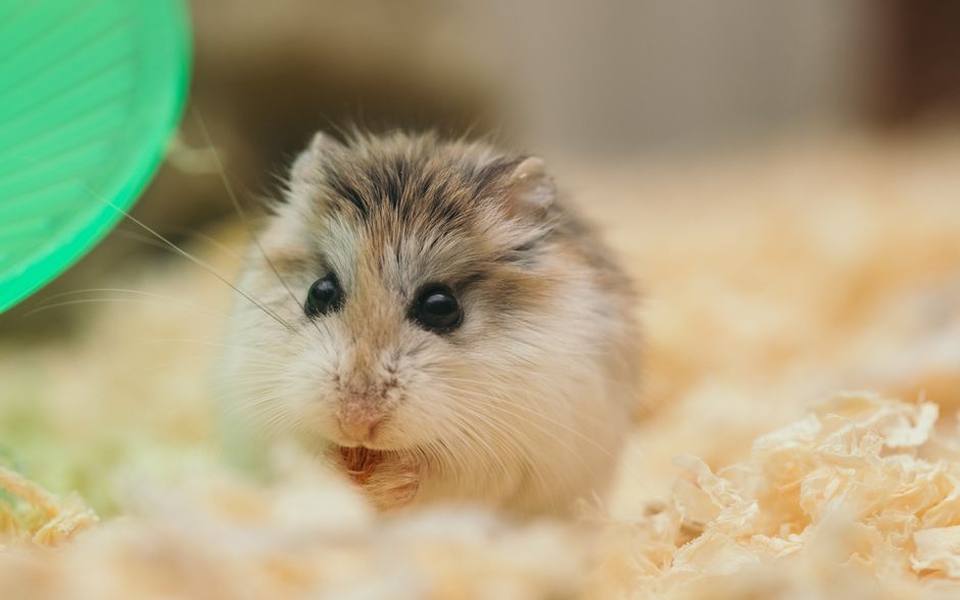
As the infection compromises gastrointestinal integrity, the physical appearance of the hamster deteriorates quickly. The eyes may become dull, sunken, and half-closed due to severe fluid loss, often accompanied by crusting around the eyelids. You may also observe severe abdominal distension, where the belly feels tight, tender, or unusually swollen beneath the ribs, followed soon after by visible emaciation as the body sheds water weight. In advanced cases, the physical strain of frequent defecation can lead to a visible rectal prolapse, where delicate pink tissue protrudes from the vent.
Healthy hamsters maintain exceptionally clean coats through meticulous grooming sessions throughout their waking hours. When wet tail takes hold, the hamster completely abandons grooming routines, resulting in an unkempt, dull, and ruffled coat. Skin turgor tests—gently lifting the loose skin along the scruff—will reveal pronounced dehydration if the skin tent remains elevated instead of snapping back into place immediately. Observing these physical markers should prompt an immediate call to a professional instead of waiting to see if things improve by morning.
Behavioral Shifts and Subtle Warnings
Before severe diarrhea becomes visibly obvious on the fur, hamsters undergoing the onset of wet tail typically exhibit noticeable shifts in daily behavior. A normally curious, energetic pet will suddenly become profoundly lethargic, refusing to explore its enclosure or run on its exercise wheel. It may remain tucked inside its nesting box during regular nighttime waking hours, showing no interest in coming out for treats or customary interaction. Such sudden apathy is one of the earliest red flags in rodent health.
The intense abdominal cramping associated with proliferative ileitis causes hamsters to adopt a distinct hunched posture. Instead of standing upright on its hind legs or scurrying flat against the bedding, an affected animal will sit tightly curled in a ball with its back arched, guarding its sore stomach against movement. Hamsters in this state frequently walk with a slow, stiff-legged, or wobbling gait, avoiding any motion that puts pressure on their painful midsection.
Appetite loss develops in tandem with abdominal pain, leading the hamster to ignore its standard seed mix and even high-value fresh snacks. While some animals may sit beside the water dispenser due to intense thirst caused by fluid loss, they are often too weak to actuate the sipper tube effectively or swallow properly. Hamsters may also become unusually irritable or bite defensively when handled, reacting entirely out of distress, fear, and severe physical discomfort rather than aggression.
Distinguishing True Wet Tail from Simple Diarrhea
Not every instance of loose stool in a pet hamster constitutes true bacterial wet tail disease, and establishing the distinction is helpful for context. Simple dietary diarrhea frequently occurs when a hamster consumes too much watery produce, such as iceberg lettuce, cucumber, or excessive slices of apple. Sudden changes in commercial pellet blends can also disrupt delicate gut enzymes, resulting in soft or unformed fecal pellets that lack the devastating systemic impact of proliferative ileitis.
Dietary diarrhea usually presents as soft, pasty green or light brown droppings without the intense, sickly-sweet or foul odor characteristic of bacterial infection. In these milder cases, the animal often remains relatively alert, maintains a normal posture, and continues to drink and move around its habitat without rapid decline. Removing fresh fruits and wet vegetables from the diet for twenty-four hours typically allows the stool to firm up if the issue is purely nutritional.
In contrast, true proliferative ileitis causes profuse, continuous liquid discharge that quickly soils the entire rear quarters, bedding, and walls of the hideout. The rapid progression toward shock, extreme weakness, and severe dehydration distinguishes genuine wet tail from minor digestive upset. If there is any uncertainty about whether loose droppings stem from a dietary slip or a deadly infection, consulting an experienced small mammal veterinarian is the only safe course of action.
High-Risk Factors and Environmental Stressors
Bacterial proliferation in the gut is almost invariably triggered by significant stress, which suppresses the young hamster's developing immune system. Weaning is one of the most perilous periods in a hamster's life, as the sudden shift away from maternal milk coincides with rapid metabolic growth and internal microbiome changes. When newly weaned pups are abruptly separated from their littermates and shipped across distribution networks, their physiological defenses plummet, opening the door for opportunistic pathogens.
Environmental transitions represent another major catalyst for the condition. Moving from a breeding facility to a retail pet store, and subsequently to a new home environment, creates immense sensory overload for a tiny prey animal. Unfamiliar noises, persistent handling by curious family members, bright lighting, and foreign smells elevate cortisol levels, directly impacting bowel motility and gut barrier strength. This explains why wet tail cases cluster so heavily within the first one to three weeks following adoption.
Inadequate housing conditions also amplify disease risk significantly. Overcrowded cages, poor ventilation, damp substrate, and infrequent spot-cleaning allow waste to accumulate, facilitating rapid transmission of infectious agents between cage mates. Similarly, sudden changes in drinking water quality, irregular feeding schedules, or exposure to drafty air currents can tip a vulnerable hamster into acute illness. Keeping the animal's surroundings calm, clean, and consistent is fundamental to warding off stress-induced gut failure.
Why Immediate Emergency Veterinary Care Is Required
When a hamster contracts wet tail disease, the margin for error is razor-thin. Due to their tiny body mass and rapid metabolic rate, hamsters cannot tolerate fluid losses that larger animals might endure for days. Severe diarrhea quickly strips the body of moisture, essential electrolytes, and vital glucose, leading to hypothermia, cardiovascular collapse, and organ shutdown within twenty-four to forty-eight hours of symptom onset. Delaying care to see if the condition resolves on its own is almost universally fatal.
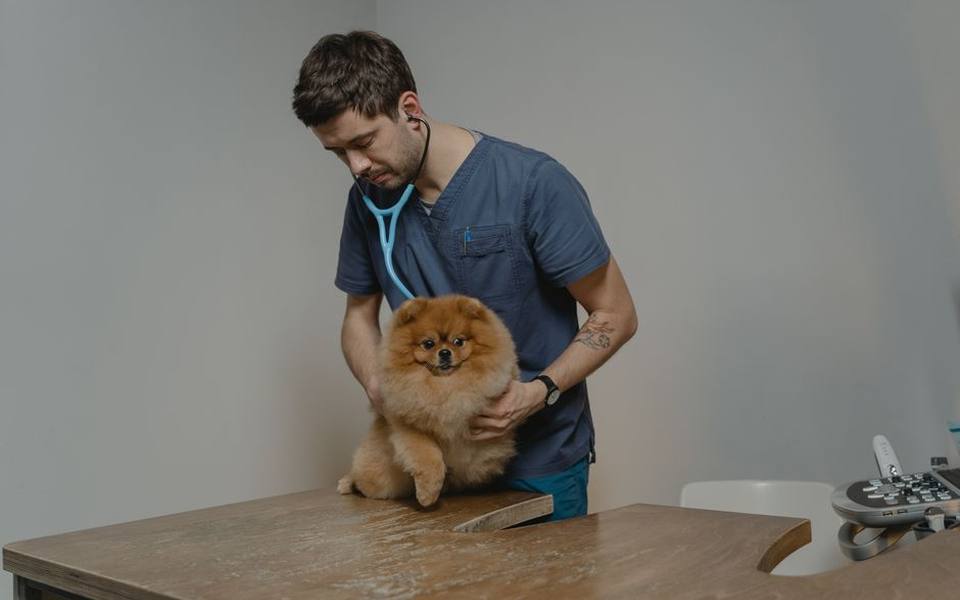
Attempting to treat true proliferative ileitis at home without veterinary diagnostics and prescription medicine rarely yields positive outcomes. Over-the-counter remedies sold in general pet aisles typically lack the specific antimicrobial strength needed to combat Lawsonia intracellularis effectively. Moreover, misdiagnosing the underlying cause—such as treating a dietary imbalance with inappropriate antimicrobials or ignoring an internal parasite infestation—can inadvertently destroy the remaining beneficial intestinal bacteria and hasten the animal's decline.
Securing an urgent appointment with qualified exotic animal veterinarians near you ensures your pet receives targeted, aggressive supportive therapy. The clinical team can evaluate hydration levels, determine the animal's core body temperature, assess for secondary complications like rectal prolapse, and immediately initiate life-saving interventions. Professional treatment remains the single most reliable factor determining whether an afflicted hamster survives this punishing illness.
Prescription Medications and Clinical Protocols
Modern veterinary protocols for wet tail center on a three-pronged approach: combating the causative bacteria, restoring circulating fluid volume, and managing acute gastrointestinal distress. Because hamsters have unique gastrointestinal physiology that is extremely sensitive to certain antibiotics, veterinarians select drugs that kill pathogenic bacteria without triggering fatal enterotoxemia. Medications like trimethoprim-sulfa, enrofloxacin, or metronidazole are typically favored, dosed precisely to the hamster's exact gram weight.
Fluid therapy is arguably just as critical as antimicrobial administration during the acute phase of treatment. The clinician typically administers warmed, balanced electrolyte solutions subcutaneously beneath the loose skin over the shoulders to rapidly rehydrate the tissues. These fluid deposits are absorbed steadily into the bloodstream, counteracting severe dehydration, stabilizing blood pressure, and supporting kidney function while oral intake remains compromised.
Beyond antibiotics and fluids, comprehensive clinical care involves pain management and gut support. Veterinarians often prescribe anti-inflammatory medications suitable for rodents to alleviate painful abdominal cramps and reduce bowel inflammation. Specialized critical care nutritional formulas, administered via a small syringe, provide easily digestible calories and prebiotic fibers. Gut motility agents and intestinal mucosal protectants may also be incorporated into the regimen, depending on the severity of the hamster's clinical signs.
The Reality of Over-the-Counter Remedies
Many pet supply retailers sell boxed drops or water-soluble tablets marketed as quick, inexpensive remedies for rodent diarrhea. These over-the-counter products usually contain very mild, broad-spectrum compounds or low concentrations of neomycin that are largely ineffective against intracellular bacterial pathogens deep within the gut wall. Relying on these products often gives owners a false sense of security while the underlying infection continues to ravage the hamster's gastrointestinal tract.
Adding drops to an enclosure's water bottle presents another significant clinical pitfall. A sick, dehydrated hamster often lacks the strength or inclination to drink normal quantities of water, meaning it will never receive a therapeutic dose of the medication. Furthermore, these additives frequently alter the taste and smell of the water, discouraging the hamster from drinking altogether and accelerating deadly dehydration. Precision oral dosing using a dedicated syringe is the only method that guarantees appropriate therapeutic delivery.
While seeking professional care might feel daunting for a newly acquired pet, trusting an accredited exotic pet veterinary clinic offers the highest likelihood of saving your animal's life. Prescribed medications are calibrated to the milligram, targeting the exact pathogenic mechanism while keeping delicate gut flora safe. Investing time in proper medical channels prevents the tragic outcome of watching a manageable condition escalate beyond recovery due to ineffective storefront treatments.
Nursing a Hamster Through Recovery at Home
Once your hamster has been evaluated by a vet and provided with a treatment plan, intensive nursing care at home becomes vital for recovery. The first priority is maintaining optimal thermal support, as sick hamsters lose the ability to regulate their body temperature and can quickly become hypothermic. Place a heating pad set on low beneath half of the enclosure floor, ensuring the other half remains unheated so the hamster can move away if it becomes overly warm.
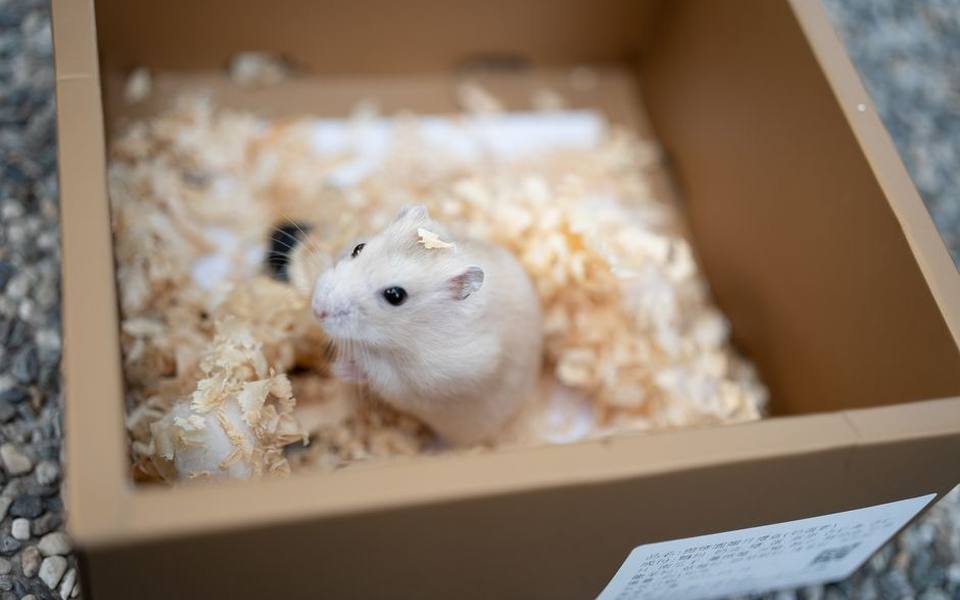
The recovery enclosure should be kept spotless, dry, and exceptionally quiet. Replace standard wood shavings or deep burrowing material with clean, unscented white paper towels, which allow you to monitor stool output and moisture levels easily while preventing soiled substrate from sticking to raw skin. House the patient in a warm, dimly lit room far from household noise, curious children, and predatory household pets to keep stress markers as low as possible.
Administer all prescribed oral medications and supportive fluids strictly on schedule using the veterinary-provided syringes. If your veterinarian recommends oral electrolyte solutions or specialized syringe-feeding formulas, offer them slowly in small drops at the corner of the mouth, allowing the hamster to swallow at its own pace without aspirating fluid into its lungs. Do not force solid treats or fresh produce until normal droppings return and your veterinarian gives explicit approval.
Prevention Strategies and Long-Term Enclosure Care
Preventing wet tail disease fundamentally revolves around minimizing stress and establishing thoughtful husbandry habits from the day an animal is brought home. When introducing a new hamster to your household, implement a strict hands-off acclimation period for the first five to seven days. Allow the pet to explore its cage, establish its nest, and map out food reserves without human handling or disruption, which keeps cortisol levels low during this vulnerable transition.
Enclosure size and environmental enrichment play surprisingly large roles in long-term immune resilience. Hamsters housed in cramped, poorly ventilated habitats experience chronic confinement stress, which weakens immune defenses over time. Providing an enclosure with ample unbroken floor space, deep paper-based bedding for natural burrowing, an appropriately sized solid-surface running wheel, and multiple hiding spots encourages natural behaviors and promotes psychological well-being.
Nutrition and hygiene require balanced consistency. Introduce fresh leafy vegetables gradually over several weeks to young hamsters rather than suddenly overloading their sensitive digestive systems. Perform daily spot-cleaning of urine corners and spoiled food caches, but avoid completely stripping out all bedding weekly, as eliminating the hamster's familiar scent markings causes unnecessary distress. If you live anywhere across the United States, locating reputable exotic care clinics across all states beforehand gives you confidence and readiness whenever an unexpected health concern arises.
Published 2026-09-21 · reviewed with each rebuild, last September 2026.
Find exotic pet vets near you
The directory lists 3,226 exotic pet vets by state and city — pick your state or use the “Near me” button in the header.
More guides
-
 Owning
What Are Amphibians? A Complete Guide to Amphibians as Exotic Pets
-
 Money
MoneyHow to Find Affordable and Emergency Vet Care for Exotic Pets
-
 Money
MoneyHow Much Does a Parrot Cost? Complete Exotic Bird and Pet Care Price Guide
-
 Owning
Can You Keep a Capybara as a Pet? Legality, Care, and Diet Requirements
-
 Owning
How to Treat and Get Rid of Snake Mites Safely
-
 Owning
Keeping Exotic Mammals: Can You Have a Fennec Fox or Kinkajou as a Pet?
-
 Money
MoneyLow-Cost Rabbit Neutering: What to Expect and How to Find Affordable Care
-
 Owning
What Is an Avian Pet? A Guide to Bird Care and Specialized Veterinary Medicine
-
 Service
How to Find and Choose the Right Exotic Pet Veterinarian
-
 Owning
Swim Bladder Disease in Aquarium Fish: Causes, Symptoms, and Treatment
-
Owning
How to Identify and Treat Mites and Skin Parasites in Reptiles, Snakes, and Rabbits
-
Safety
Rabbit GI Stasis Guide: Symptoms, Emergency Care, and Prevention
-
 Owning
Bearded Dragon Health Guide: Brumation, Impaction, Fungus, and Skin Issues
-
 Owning
Clinical Care Guide: Common Illnesses in Ferrets, Pythons, and Rabbits
-
Owning
Sugar Glider Diet and Feeding Guide: BML, TPG, and Nutritional Balance
-
Owning
Bird Grooming Guide: Wing Trimming, Beak Care, and Nail Maintenance
-
 Money
MoneyExotic Pet Insurance and Vet Costs: What Is Covered and Is It Worth It?
-
 Owning
Legal Exotic Pets and Ownership Laws: Permits, Licenses, and State Regulations
-
Owning
Bird Feather Plucking and PBFD: Causes, Symptoms, and Diagnostic Steps
-
 Service
Psittacine Health and Avian Veterinary Care Guide
-
 Service
How to Find and Evaluate Exotic Pet Clinics, Specialists, and Emergency Care
-
 Owning
Clinical Guide to Reptile Shell Disorders, Shedding Complications, and Impaction
-
 Owning
Small Mammal Healthcare: Managing Chronic Illness and Emergencies
-
 Safety
Avian Egg Binding and Yolk Peritonitis: Emergency Care and Clinical Protocols
-
 Owning
Bird Grooming, Wing Maintenance, and Early Illness Signs
-
 Service
Backyard Poultry and Waterfowl Veterinary Care Guide
-
 Buying
Exotic Pet Ownership: Legal Rules, Realistic Costs, and Beginner Options
-
 Service
Aquatic Medicine: Treating Swim Bladder and Fish Infections
-
 Money
MoneyRabbit Spay, Neuter, and Vaccination Costs: Complete Veterinary Guide
-
 Owning
Understanding Amphibians: Characteristics, Classification, and Pet Care Basics
-
 Owning
Bearded Dragon Brumation and Metabolic Bone Disease: Signs, Causes, and Care
-
 Buying
Parrot Ownership Guide: Prices, Types, and Avian Basics
-
 Owning
Complete Guide to Snake Mite Treatment: Products, Safe Sprays, and Vet Care
-
 Money
MoneyRabbit Spay and Neuter Costs: Vaccinations and Low-Cost Vet Options
-
 Owning
What Are Amphibians? Traits, Classification, and Pet Care Basics
-
 Owning
How to Get an Exotic Pet License: Legal Permits and Animal Ownership Laws
-
 Owning
Reptile Health Guide: Bearded Dragon Brumation, Metabolic Bone Disease, and Snake Mite Control
-
 Money
MoneyRabbit Spay, Neuter, and Vaccination Costs: Low-Cost Vet Guide
-
 Money
MoneyHow Much Does an Exotic Vet Cost? Emergency, Routine, and In-Home Care Guide