Navigating Exotic Ownership Across State Lines
Exotic pet legality in the United States is governed primarily at the state and municipal levels rather than through a single unified federal statute. Whether a species is classified as a companion animal, an agricultural beast, or a restricted wild creature depends on state wildlife codes, public safety mandates, and ecological protection priorities. Prospective owners often assume that captive-bred animals are automatically treated like dogs or domestic cats, but state wildlife agencies typically regulate animals based on their biological taxonomy rather than their individual socialization or breeding background.
Because federal statutes focus mainly on international trade, cross-border disease transmission, and endangered species protection, day-to-day custody rests squarely in the hands of state natural resource departments. In many regions, what is entirely routine to purchase over the counter in one territory may carry criminal misdemeanor or felony penalties just across the state border. State wildlife officials maintain strict authority to confiscate unauthorized animals, impose daily compliance fines, and mandate immediate surrender if housing criteria or mandatory state filings have been bypassed by the keeper.
Before considering any non-traditional pet, potential owners must recognize that private possession statutes evolve frequently. State wildlife commissions regularly adjust their prohibited species lists in response to escaped animals, invasive species colonization, or changing animal welfare standards. Engaging with state administrative registers and checking current wildlife administrative codes prevents the heartbreak of acquiring an animal only to discover that keeping it at your home violates state conservation measures or public safety regulations.
Unique Companions That Are Widely Legal to Keep
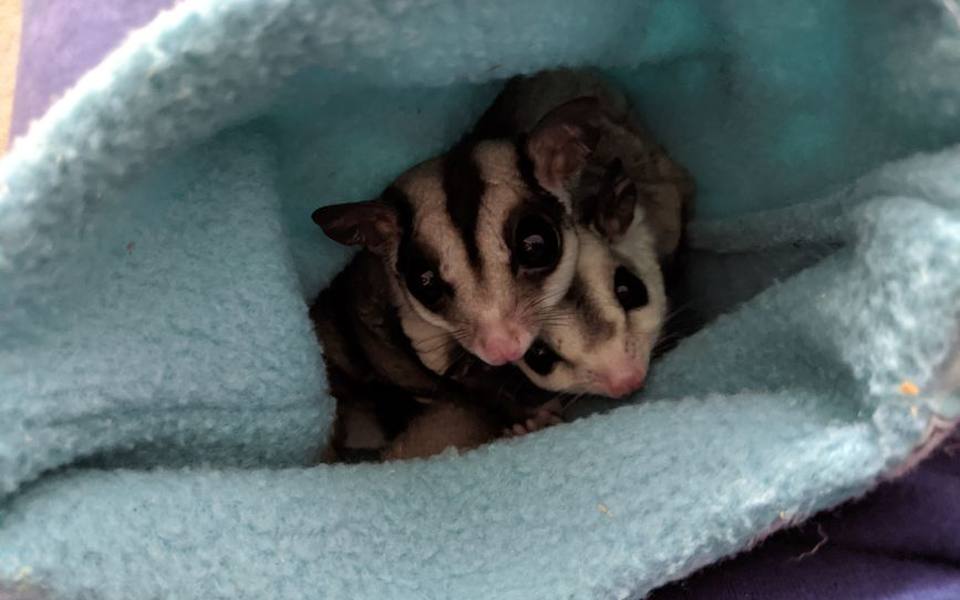
A surprising variety of unusual creatures can be kept legally without extensive state permitting in a broad selection of jurisdictions. Many captive-bred pocket mammals, such as degus, short-tailed opossums, and sugar gliders, are frequently exempted from wildlife permitting schemes because they do not threaten native ecosystems or human safety. Similarly, small non-venomous reptiles, various invertebrates, and specific desert-dwelling rodents often bypass wildlife regulatory control in states with moderate wildlife management programs, making them straightforward choices for private homes.
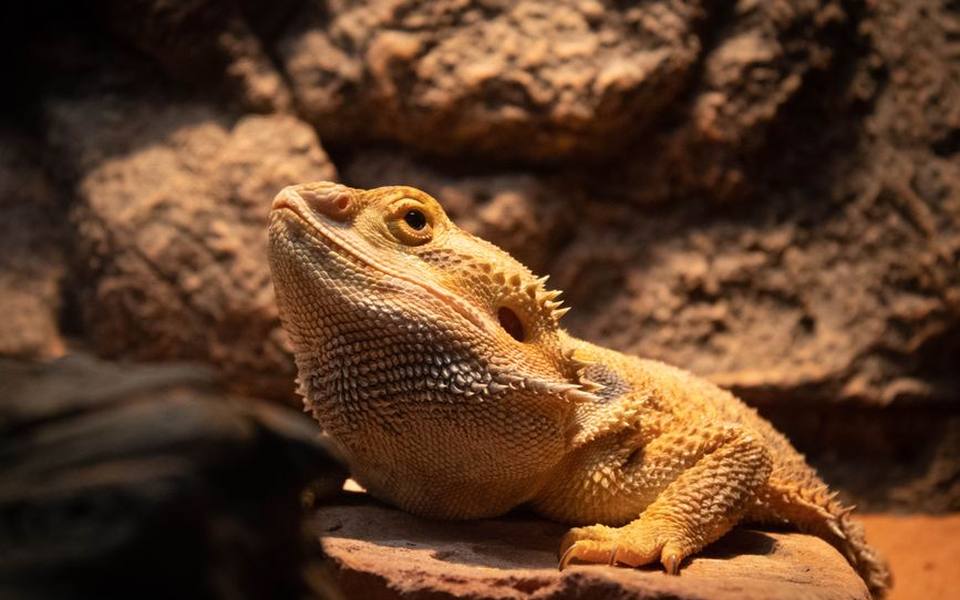
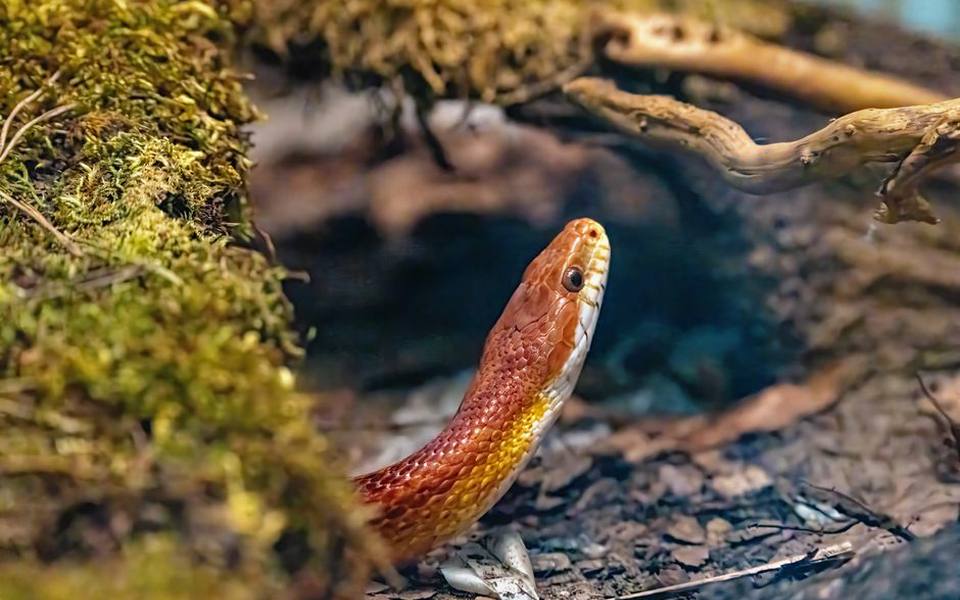
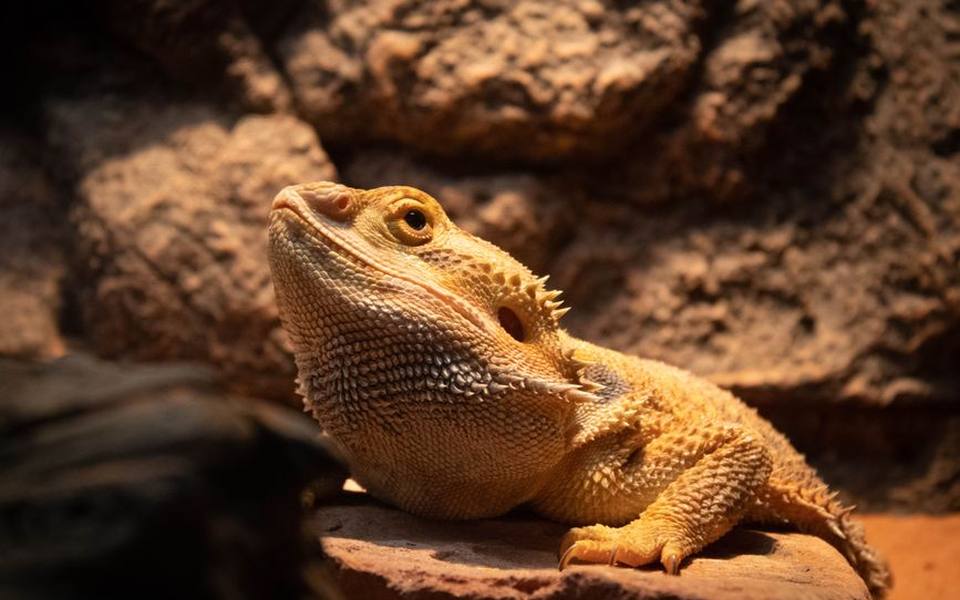
Captive-bred reptiles represent one of the most accessible categories for non-traditional pet enthusiasts. Leopard geckos, corn snakes, bearded dragons, and ball pythons are widely recognized as standard domestic-profile animals across almost every state. These animals are typically managed under general companion animal welfare rules rather than strict wild animal protocols, provided they do not belong to native species protected by state wildlife conservation acts. Keepers can ensure their wellness by working directly with specialized reptile vets who understand specific thermoregulation and dietary requirements.
Even when species are considered legal by default, individual keeping conditions must remain ethical and compliant with baseline animal neglect laws. Certain birds, such as cockatiels, budgerigars, and select conures, are completely unrestricted in most states, while monk parakeets and starlings face bans due to agricultural damage concerns. Establishing that an animal is legal in your region requires verifying both that it is not on the state restricted wildlife schedule and that its species is not barred by domestic invasive fauna lists.
Species Commonly Classified as Prohibited or Restricted
Across the majority of states, large carnivores, non-human primates, native game animals, and medically significant venomous reptiles are either flatly prohibited or strictly limited to scientific facilities. Animals such as wolves, big cats, bears, and baboons carry obvious public liability risks that state natural resource agencies prefer not to oversee in private residential backyards. In many states, keeping these apex species without accredited zoological standing or commercial exhibitor credentials will result in immediate seizure and potential legal charges.
Ecological vulnerability plays an equally large role in determining which species are banned. Herbivorous mammals like wild swine, invasive rodent species, and certain aquatic reptiles like red-eared sliders are barred in jurisdictions where feral populations could disrupt native wildlife or damage agriculture. State conservation officers monitor these environmental threats aggressively because an escaped or intentionally abandoned population can rapidly displace local fauna, transmit foreign parasites, and alter natural waterways beyond repair.
Venomous snakes and rear-fanged species represent another restricted category that frequently draws statutory bans. While some jurisdictions allow experienced keepers to maintain venomous collections under strict containment protocols and anti-venom supply mandates, many jurisdictions treat them as inherently dangerous wild animals. In states with complete dangerous wild animal bans, possession is entirely off-limits to private hobbyists, meaning that even captive-bred vipers or rear-fanged colubrids cannot be held lawfully regardless of the keeper's experience level.
Understanding the Difference Between Permits and Licenses
Navigating the administrative paperwork for non-standard animals requires a clear grasp of the distinction between an ownership permit and an animal license. A possession permit is typically an individualized authorization granted by a state department of natural resources or agricultural board, conferring permission to hold a specific, identified specimen at an approved residential address. It usually requires proof of legitimate acquisition, detailed veterinary records, and an approved caging plan, but does not allow commercial activities or breeding for public sale.
An animal license, conversely, often carries broader commercial or operational implications under state or federal frameworks. For example, a federal license issued by the United States Department of Agriculture is required for entities that exhibit, breed for wholesale distribution, or commercially transport warm-blooded animals covered by the Animal Welfare Act. Holding an exhibitor license does not automatically supersede state wildlife prohibitions, meaning that federal authorization cannot override a state-level ban on keeping specific wild mammals in private collections.
Permits often demand recurring annual renewals, supplemental fee payments, and routine verification of veterinary health monitoring. Failing to submit annual documentation or neglecting to report changes in animal numbers can invalidate an active permit automatically. Once authorization lapses, the animal's legal status changes immediately to unlawful possession, potentially subjecting the keeper to citations, non-refundable administrative fines, or the revocation of all future permitting privileges within that state's boundaries.
Step-by-Step Process for Securing Ownership Authorization
Securing legal authorization for a restricted companion is a methodical process that must be completed well before taking custody of the animal. In most states with permit systems, the initial step involves submitting a detailed application to the state fish and wildlife commission or department of agriculture. This application package typically requires proof of species origin, proof of captive breeding, site plans for housing, and a written emergency response protocol detailing recapture procedures should the animal breach containment.
Many jurisdictions establish rigorous prior experience prerequisites before considering an individual's permit application. Applicants may need to log between one hundred and one thousand verified hours working directly with the specific taxonomic family under the supervision of a licensed facility, sanctuary, or accredited professional. Written recommendation letters from certified practitioners, animal curators, or licensed keepers must verify that the applicant possesses the technical handling competence, biological knowledge, and safety discipline required to manage the species safely.
Once administrative paperwork is evaluated, regulatory authorities typically conduct an on-site physical inspection of the proposed facility or enclosure. The state wildlife officer inspects structural integrity, perimeter barriers, latch mechanisms, drainage, lighting, and sanitation equipment against strict statutory benchmarks. Only after the inspector signs off on the containment facility and validates that all municipal zoning clearances are in order will the agency issue the official possession certificate to the prospective keeper.
How States Group and Classify Non-Traditional Animals
State governments generally adopt one of four distinct regulatory models to oversee captive non-traditional fauna: comprehensive bans, tiered risk-based licensing, partial species restrictions, or permissive baseline statutes. In highly structured regulatory environments like Florida with 269 listings, wildlife is codified into Class I, Class II, and Class III tiers based on danger levels, requiring varying degrees of experience, land acreage, and safety lockouts. Meanwhile, states like Texas with 282 listings leave much of the regulation to county-level dangerous wild animal registration boards.
At the other end of the regulatory spectrum, states such as California with 336 listings enforce comprehensive default prohibitions where all wild and non-traditional species are considered detrimental to native wildlife or public safety unless specifically listed on a narrow exempt schedule. In these strict jurisdictions, even commonplace pets found elsewhere, such as ferrets, sugar gliders, and hedgehog varieties, are categorized as prohibited wild mammals. Possessing these species without an institutional research or rehabilitation permit remains unlawful regardless of captive-bred status.
Tiered classification schemes allow state wildlife biologists to tailor enclosure requirements and safety mandates to the specific physical capabilities of each species. A Class III small mammal may require only simple escape-proof caging and standard hygiene, while a mid-sized reptile or wild canid in a higher class demands double-gated entry vestibules, concrete footers to prevent digging, and heavy-gauge steel perimeter fencing. Understanding your state's exact classification tier prevents accidental violations of state captive wildlife statutes.
Facility Inspections and Containment Standards
Passing a wildlife agency facility inspection requires strict adherence to physical construction standards laid out in state administrative codes. Inspectors assess containment enclosures not merely for basic animal comfort, but primarily for human safety and escape prevention. Enclosures must be constructed from materials proven to withstand the bite pressure, clawing, burrowing, or climbing capabilities of the specific species. Fencing gauges, support post spacing, and gate latch configurations are frequently scrutinized with exact measurement tools during on-site assessments.
For species categorized as potentially hazardous or flight-prone, secondary containment systems are standard legal requirements in almost all permitting jurisdictions. These systems typically consist of a secure perimeter barrier surrounding the primary enclosure or an enclosed safety vestibule featuring interlocking double doors. Such design configurations ensure that if an animal slips past a keeper during daily feeding, cleaning, or health assessments, it remains trapped within an intermediate secure space rather than escaping into the open neighborhood.
Environmental management and welfare components are evaluated alongside physical security. Regulating agencies verify that housing features appropriate ambient temperature ranges, ultraviolet lighting, moisture management, and designated retreat spaces that reduce animal stress. Storing adequate sanitation supplies, having a potable water delivery system, and providing a clean food preparation station are mandatory conditions for maintaining a valid permit, ensuring that containment keeps the animal healthy while securing the surrounding community.
Local Municipalities, County Ordinances, and HOAs
Holding a valid state possession permit does not grant an absolute right to house an unusual animal on your property. Municipal governments, town councils, and county commissions frequently enact local ordinances that are significantly more restrictive than state wildlife laws. An animal permitted by the state natural resource department can still be barred completely under a city's public nuisance code, livestock zoning restrictions, or local dangerous animal regulations, resulting in eviction of the pet.
Zoning designations govern property use and dictate which categories of animals are permissible within residential, rural, or agricultural districts. Municipal codes often establish mandatory setback distances, requiring that outdoor enclosures sit fifty or one hundred feet away from adjacent residential property lines. In densely populated urban and suburban neighborhoods, local noise and odor ordinances can be invoked against keepers of non-traditional pets like miniature pigs, vocal fowl, or non-human primates, triggering code enforcement interventions.
Private property agreements, lease contracts, and homeowners association bylaws add an additional layer of enforceable restrictions. Even if city and state authorities have no objection to a particular species, private residential covenants can prohibit any animal outside of common domestic canines and felines. Violating private covenants can lead to formal association fines, civil litigation, or eviction proceedings, making a complete review of property deeds and lease documents essential before committing to any exotic companion.
Securing Specialized Veterinary Care Before Bringing an Animal Home
Establishing a professional relationship with an experienced medical provider is often a mandatory administrative prerequisite before an ownership permit will be processed. Many state wildlife and agricultural applications require an official veterinary commitment form signed by a licensed practitioner who agrees to provide routine, diagnostic, and emergency treatment for the animal. Without an established relationship with qualified exotic animal veterinarians near you, regulatory agencies will promptly return the permit paperwork as incomplete.
Finding medical practitioners who treat unconventional species can be challenging outside of major metropolitan areas, making geographic location an important ownership factor. Across our catalog of 1,872 verified veterinary listings in top states, medical professionals possess specialized equipment, unique anesthesia protocols, and specific diagnostic capabilities tailored to avian, reptilian, and non-standard mammalian biology. General companion practices are rarely equipped to diagnose metabolic bone disease, exotic respiratory infections, or complex dietary deficiencies in specialized species.
Beyond fulfilling permit requirements, regular medical evaluations establish a documented baseline of health that protects both the animal and the keeper. Routine testing for zoonotic pathogens, parasites, and systemic diseases ensures that keeping an exotic specimen does not introduce biosecurity hazards into your household. Establishing your veterinary care plan early guarantees that if your animal experiences a sudden metabolic crisis, injury, or behavioral emergency, professional clinical assistance is readily accessible without delayed emergency searches.
Transporting and Relocating Across Jurisdictions
Transporting non-standard animals across state lines introduces complex legal requirements governed by both federal interstate commerce laws and state border entry rules. The federal Lacey Act prohibits the interstate shipment or trafficking of wildlife taken, possessed, transported, or sold in violation of state, federal, or tribal statutes. Transporting an animal into a state where its private possession is banned constitutes a federal statutory violation, exposing the transporter to significant federal penalties alongside local state enforcement.
Most states enforce entry permit and health certificate mandates for any non-traditional pet brought across state borders, even for temporary transit or relocation. These documents, usually titled Certificates of Veterinary Inspection, must be executed by an accredited veterinarian within a specific window—typically thirty days prior to travel. The inspection confirms that the animal is free of infectious diseases, holds mandatory vaccinations where applicable, and originates from an unquarantined captive breeding population.
Permanent relocations demand a complete restart of the regulatory verification process within your new jurisdiction. A permit or exemption issued in one territory is non-transferable and carries zero legal authority once you cross state boundaries. Responsible owners coordinate with the wildlife department, county administration, and municipal animal control office in the destination city months ahead of moving day, ensuring all inspection clearances, zoning permits, and local registrations are finalized before the animal arrives.
Published 2026-09-21 · reviewed with each rebuild, last September 2026.
Find exotic pet vets near you
The directory lists 3,226 exotic pet vets by state and city — pick your state or use the “Near me” button in the header.
More guides
-
 Owning
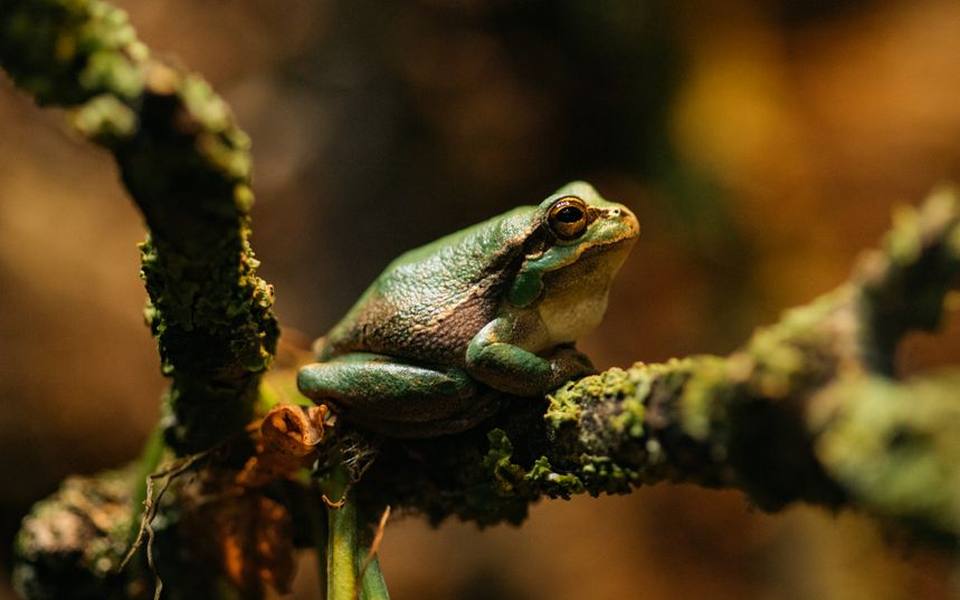
What Are Amphibians? A Complete Guide to Amphibians as Exotic Pets
-
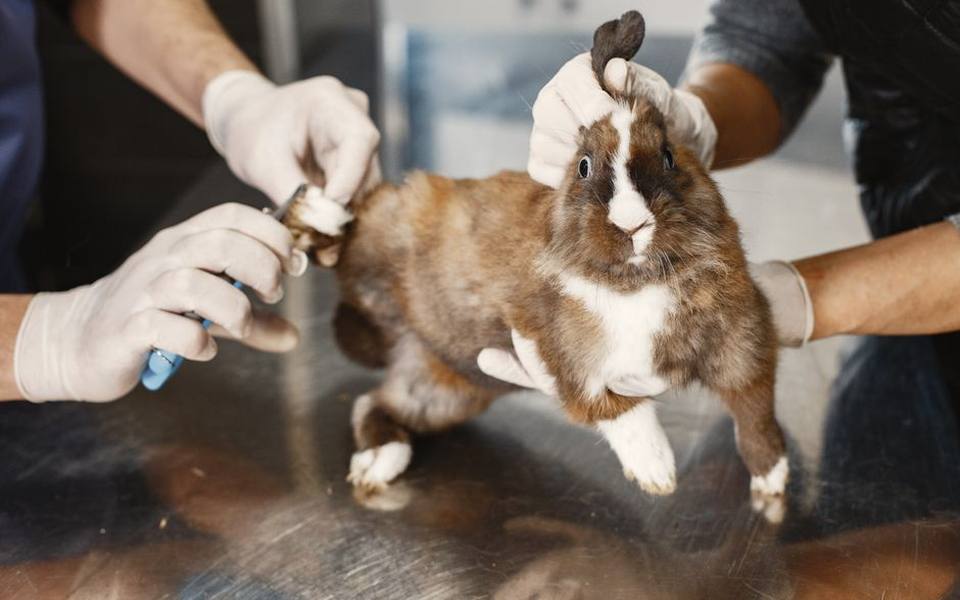 Money
MoneyHow to Find Affordable and Emergency Vet Care for Exotic Pets
-
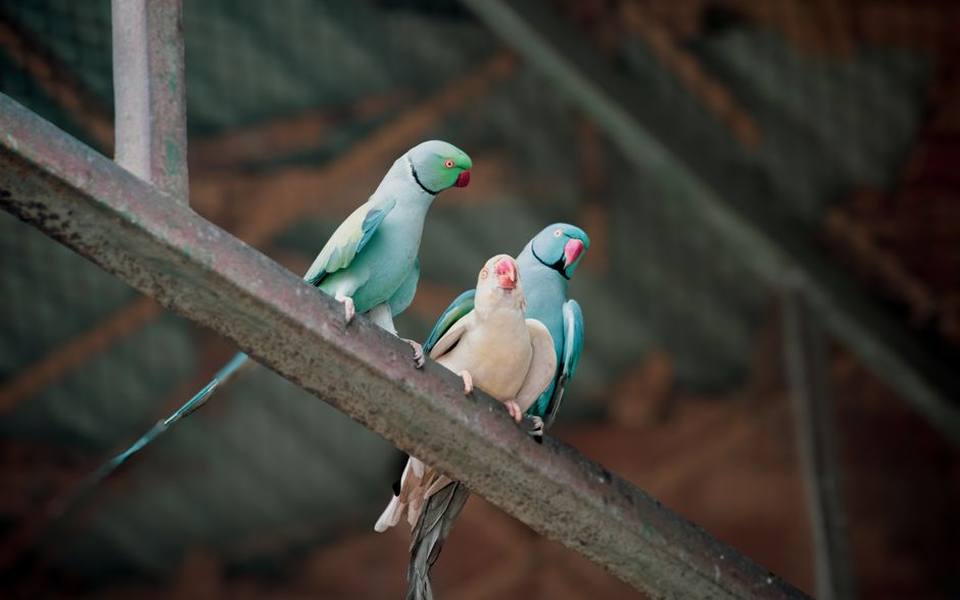 Money
MoneyHow Much Does a Parrot Cost? Complete Exotic Bird and Pet Care Price Guide
-
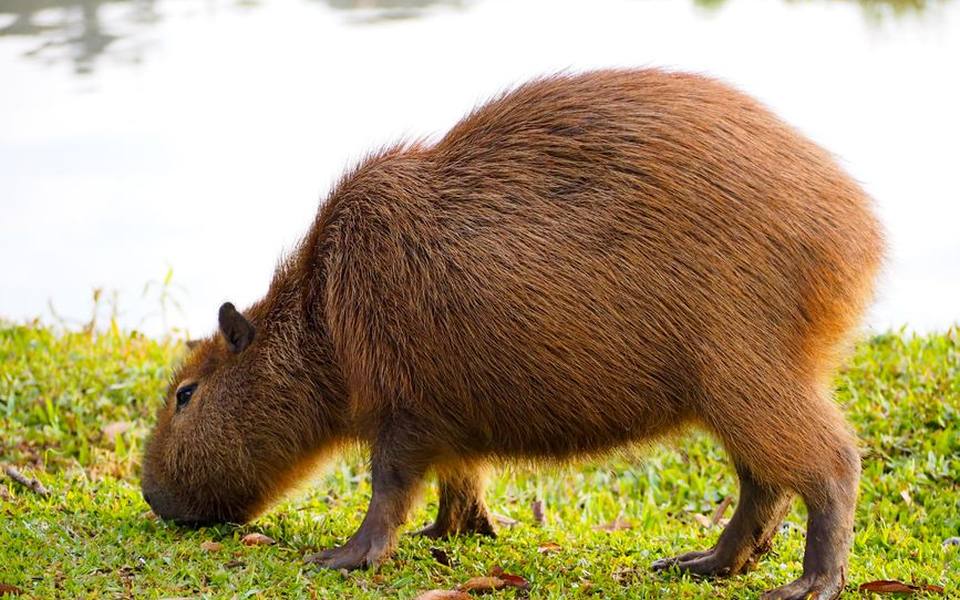 Owning
Can You Keep a Capybara as a Pet? Legality, Care, and Diet Requirements
-
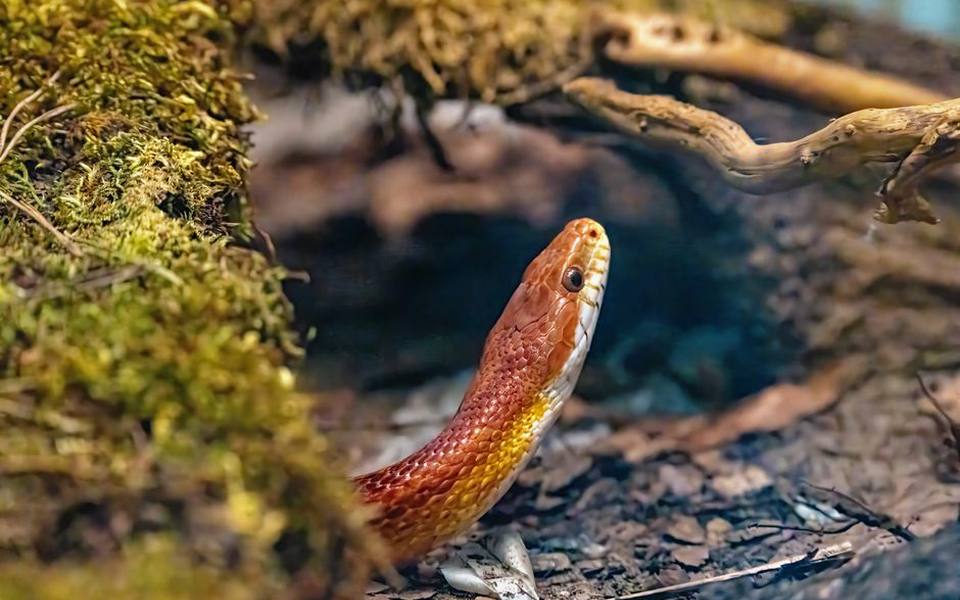 Owning
How to Treat and Get Rid of Snake Mites Safely
-
 Owning
Keeping Exotic Mammals: Can You Have a Fennec Fox or Kinkajou as a Pet?
-
 Money
MoneyLow-Cost Rabbit Neutering: What to Expect and How to Find Affordable Care
-
 Owning
What Is an Avian Pet? A Guide to Bird Care and Specialized Veterinary Medicine
-
 Service
How to Find and Choose the Right Exotic Pet Veterinarian
-
 Owning
Swim Bladder Disease in Aquarium Fish: Causes, Symptoms, and Treatment
-
Owning
How to Identify and Treat Mites and Skin Parasites in Reptiles, Snakes, and Rabbits
-
Safety
Rabbit GI Stasis Guide: Symptoms, Emergency Care, and Prevention
-
 Owning
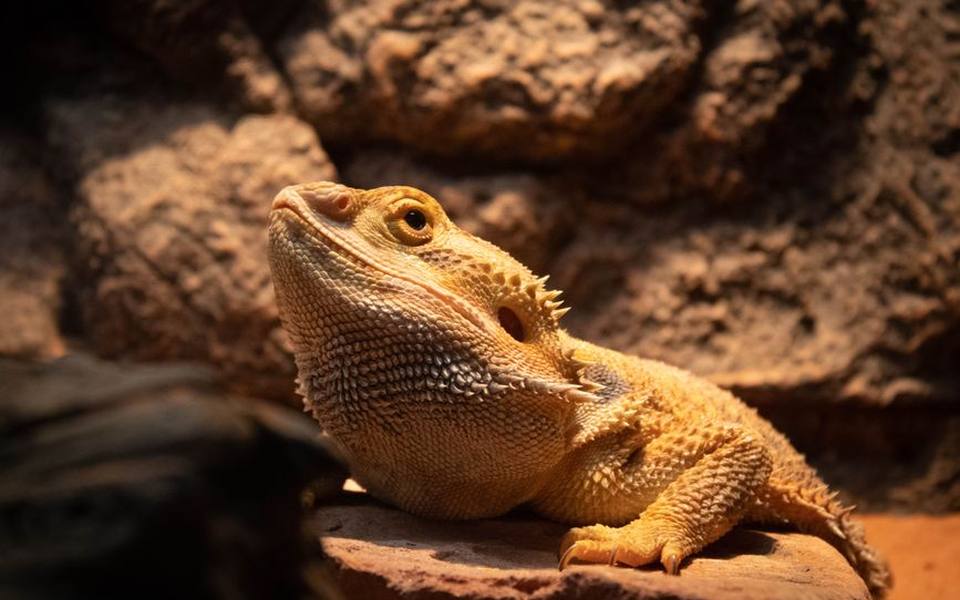
Bearded Dragon Health Guide: Brumation, Impaction, Fungus, and Skin Issues
-
 Safety
Hamster Wet Tail Disease: Causes, Symptoms, Treatment, and Prevention
-
 Owning
Clinical Care Guide: Common Illnesses in Ferrets, Pythons, and Rabbits
-
Owning
Sugar Glider Diet and Feeding Guide: BML, TPG, and Nutritional Balance
-
Owning
Bird Grooming Guide: Wing Trimming, Beak Care, and Nail Maintenance
-
 Money
MoneyExotic Pet Insurance and Vet Costs: What Is Covered and Is It Worth It?
-
Owning
Bird Feather Plucking and PBFD: Causes, Symptoms, and Diagnostic Steps
-
 Service
Psittacine Health and Avian Veterinary Care Guide
-
 Service
How to Find and Evaluate Exotic Pet Clinics, Specialists, and Emergency Care
-
 Owning
Clinical Guide to Reptile Shell Disorders, Shedding Complications, and Impaction
-
 Owning
Small Mammal Healthcare: Managing Chronic Illness and Emergencies
-
 Safety
Avian Egg Binding and Yolk Peritonitis: Emergency Care and Clinical Protocols
-
 Owning
Bird Grooming, Wing Maintenance, and Early Illness Signs
-
 Service
Backyard Poultry and Waterfowl Veterinary Care Guide
-
 Buying
Exotic Pet Ownership: Legal Rules, Realistic Costs, and Beginner Options
-
 Service
Aquatic Medicine: Treating Swim Bladder and Fish Infections
-
 Money
MoneyRabbit Spay, Neuter, and Vaccination Costs: Complete Veterinary Guide
-
 Owning
Understanding Amphibians: Characteristics, Classification, and Pet Care Basics
-
 Owning
Bearded Dragon Brumation and Metabolic Bone Disease: Signs, Causes, and Care
-
 Buying
Parrot Ownership Guide: Prices, Types, and Avian Basics
-
 Owning
Complete Guide to Snake Mite Treatment: Products, Safe Sprays, and Vet Care
-
 Money
MoneyRabbit Spay and Neuter Costs: Vaccinations and Low-Cost Vet Options
-
 Owning
What Are Amphibians? Traits, Classification, and Pet Care Basics
-
 Owning
How to Get an Exotic Pet License: Legal Permits and Animal Ownership Laws
-
 Owning
Reptile Health Guide: Bearded Dragon Brumation, Metabolic Bone Disease, and Snake Mite Control
-
 Money
MoneyRabbit Spay, Neuter, and Vaccination Costs: Low-Cost Vet Guide
-
 Money
MoneyHow Much Does an Exotic Vet Cost? Emergency, Routine, and In-Home Care Guide