Defining Non-Traditional Pets in Modern Households
In the veterinary world, any animal that is not a domestic dog, standard farm livestock, or common domestic cat generally falls into the category of an exotic or non-traditional companion. This encompasses an immense range of species, from tiny pocket rodents and invertebrates to captive-bred reptiles, ornamental parrots, and specialized small carnivores. What unites them is not wild temperament, but rather their distinct biological needs that ordinary retail pet care cannot adequately address.
Choosing to live with a non-standard species involves a mental shift away from typical companion animal routines. You cannot rely on conventional commercial dry kibble or a quick trip to the local general practice animal hospital down the street. Their digestive tracts, metabolic pathways, skin or feather structures, and natural instincts demand custom enclosures, strictly regulated thermal environments, and carefully measured nutrition.
Before considering any uncommon animal, it is essential to understand that their care requirements are precise rather than forgiving. An improper heat gradient can cause systemic organ failure in a lizard within weeks, while incorrect fiber intake can prove fatal to a small herbivore in forty-eight hours. Establishing a baseline understanding of what makes these animals fundamentally different from traditional domestic companions protects both your household and the animal.
Navigating the Patchwork of State and Local Exotic Animal Laws
The legal framework surrounding captive wild and non-traditional animals in the United States is notoriously fractured. A creature that is completely legal to buy over the counter in one jurisdiction may carry criminal misdemeanor penalties just twenty miles away across a county or state line. States like California and Hawaii maintain notoriously restrictive prohibited species lists to protect agriculture and fragile native ecosystems, banning popular companions such as ferrets, hedgehogs, and sugar gliders.
Other regions, such as Texas and several Midwestern states, employ permit systems, caging standards, or conditional ownership tiers depending on an animal's adult size, venom status, or zoonotic disease risk. Navigating these rules requires checking municipal city codes, county ordinances, and state departments of natural resources or wildlife conservation. Homeowners associations and private residential leases frequently impose an additional layer of absolute bans that override broad state allowances.
Federal regulations also step in through the Lacey Act and the Endangered Species Act, prohibiting interstate transport of specific injurious wildlife or imperiled species regardless of local leniency. Even if a local breeder offers an exotic animal for sale, that transaction does not guarantee the animal is legal to house in your specific neighborhood. Due diligence always falls entirely on the prospective keeper before money changes hands.
Animals That Are Widely Restricted or Illegal to Keep
Certain groups of animals are almost universally prohibited as private household companions throughout the country. Large predatory carnivores—including big cats like tigers, lions, and cougars, as well as bears and wolves—face strict federal and state bans under public safety and captive wildlife protection statutes. Similarly, primates such as chimpanzees, macaques, and capuchins are prohibited in most states due to extreme behavioral complexity, aggression upon maturity, and severe transmission risks of shared viruses.
Native wildlife also falls under stringent legal protection. It is generally illegal under both state game codes and the federal Migratory Bird Treaty Act to remove native wild birds, indigenous turtles, squirrels, raccoons, or foxes from their natural habitats to keep as companions. Even well-intentioned rescues of orphaned native fauna can lead to heavy fines, animal confiscation, and wildlife misdemeanor charges unless you hold a licensed wildlife rehabilitation permit.
Venomous snakes, crocodilians, and aquatic invasive species like certain freshwater crayfish or snakehead fish are routinely banned outright or restricted to licensed educational institutions. State agencies prioritize preventing ecological catastrophes, such as reproducing populations establishing themselves in local waterways, alongside safeguarding community members from dangerous medical emergencies.
Widely Permitted Species That Make Rewarding Companions
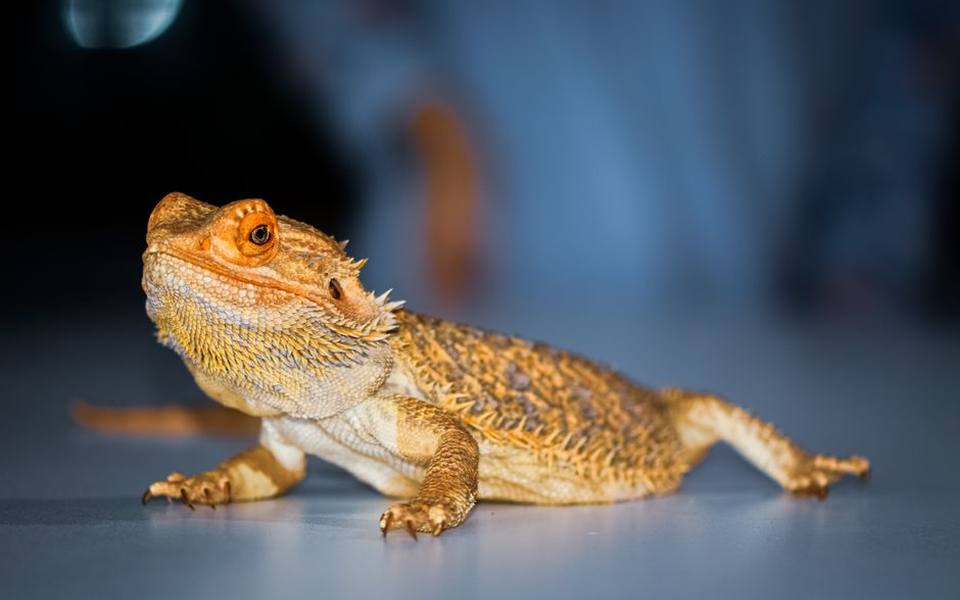
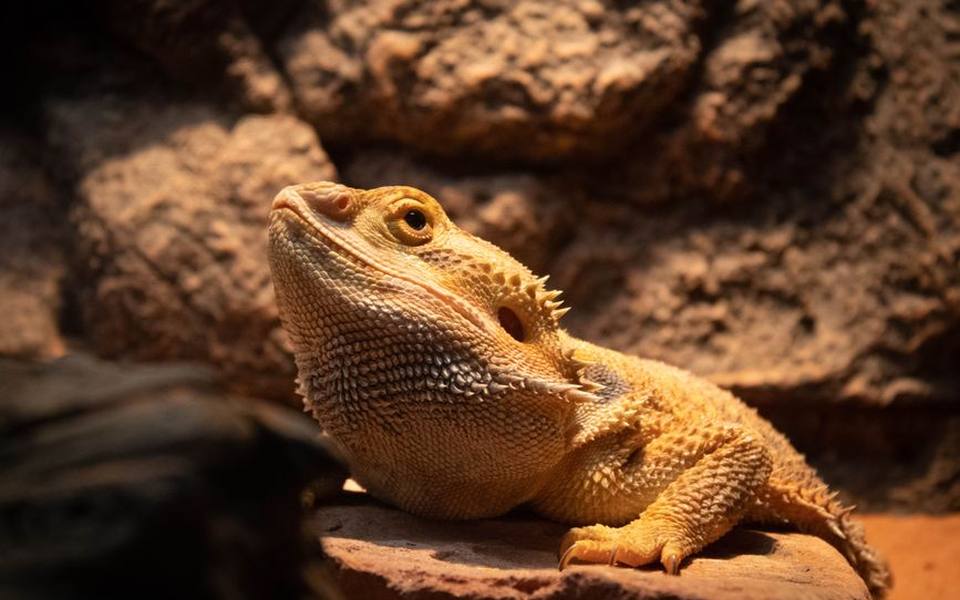
Fortunately, an impressive variety of non-traditional pets remain widely legal across the vast majority of jurisdictions. Captive-bred reptiles such as corn snakes, ball pythons, crested geckos, and bearded dragons are permitted in most municipalities because they present zero flight noise, minimal allergic potential, and no physical threat to neighbors. These animals thrive inside properly engineered enclosures and offer deeply fascinating behavioral observation.
Small herbivorous mammals like domestic guinea pigs, chinchillas, and rabbits are equally accepted across urban and suburban settings. To keep them thriving, owners often consult Rabbit & Small Mammal Vets who specialize in monitoring continuously growing dental arches and sensitive hindgut fermentation systems. When given appropriate indoor housing and specialized attention, these smaller mammals develop strong, affectionate routines with their caretakers.
Avian companions—ranging from approachable budgerigars and cockatiels to larger parrots—are also widely legal, though their noise level must be balanced against shared-wall apartment living. Certain invertebrates, such as captive-bred tarantulas, praying mantises, and isopod colonies, represent another rapidly expanding group of completely legal, compact, and low-nuisance pets that fit neatly into tight residential spaces.
The Reality Behind Affordable and Budget-Friendly Options
Prospective keepers frequently search for inexpensive options, but the initial purchase price of an unusual pet is almost always the smallest line item in your overall budget. Small rodents like fancy mice, dwarf hamsters, or leopard gecko hatchlings can sometimes be purchased for under fifty dollars. However, viewing an animal as inexpensive based solely on acquisition cost leads to poor husbandry decisions and premature health decline.
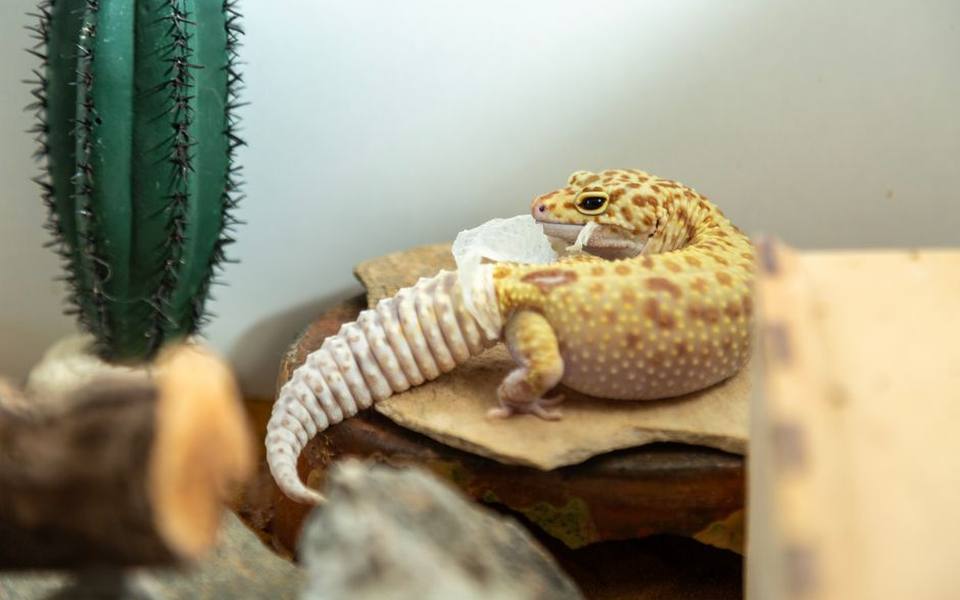
A budget-friendly species is actually defined by its lifetime operating expenses: modest enclosure footprints, low electricity draw for heating, and widely available commercial diets. Invertebrates like desert beetles or vinegaroons, as well as terrestrial geckos, rank among the most genuinely economical options because they do not require massive custom vivariums, daily fresh produce salads, or high-output ultraviolet lighting fixtures that demand regular replacement.
When calculating the true financial footprint of any prospective companion, always combine enclosure construction, substrate bedding, environmental heating regulators, recurring food sources, and emergency medical reserves. A low retail price tag should never be confused with low financial responsibility, as even a small creature requires a committed financial baseline.
Initial Habitat Equipment and Environmental Control Expenses
The primary financial hurdle for almost all non-traditional pets is building an accurate simulation of their native habitat. Unlike a dog that roams freely across living room carpet, an exotic animal spends most of its life confined within a microclimate that you must actively manage. Glass terrariums, secure PVC enclosures, specialized wire cages, and secure screen tops often cost several hundred dollars before a single living animal enters the space.
Environmental maintenance gear adds another critical layer of setup expenditure. For ectothermic species, specialized heating panels, ceramic heat emitters, precision digital pulse-proportional thermostats, and high-output UVB lighting tubes are essential survival tools, not optional luxuries. Inaccurate temperature control or missing ultraviolet wavelengths directly trigger nutritional metabolic diseases, chronic anorexia, and immune collapse.
Internal decor, hiding caves, safe climbing branches, absorbent substrates, and automated misting systems quickly accumulate further expenses. Skimping on initial habitat hardware typically results in broken glass, escaped animals, respiratory infections from stagnant damp air, or thermal burns caused by cheap unregulated heat mats stuck directly beneath plastic tubs.
Recurring Monthly Costs for Specialized Food and Consumables
Ongoing operational costs can rapidly surprise unprepared keepers, particularly when feeding specialized diets. Herbivorous species need steady access to farm-fresh grass hays, specialized extruded timothy-based pellets, and a continuous rotation of fresh leafy greens, which can easily tally significant monthly grocery receipts. Carnivorous and insectivorous species bring an entirely different set of recurring logistics into the home.
Keeping insectivores such as bearded dragons or chameleons requires maintaining live insect colonies—crickets, dubia roaches, and hornworms—that must be fed nutritional diets and dusted with calcium and multivitamin powders. Meanwhile, keepers working with captive reptiles, who often partner with Reptile Vets to monitor dietary balances, routinely purchase frozen feeder rodents in bulk shipments that require dedicated freezer storage space.
Beyond nutrition, recurring consumables include specialized enclosure bedding such as coconut husk coir, aspen shavings, paper substrates, and high-grade water conditioners. Enclosure sanitation demands veterinary-grade disinfectants like chlorhexidine, as ordinary household bleach or ammonia cleaners emit fumes that cause severe respiratory distress in enclosed habitats.
The Hidden Costs and Scarcity of Professional Medical Care
Routine and emergency veterinary care represents the most frequently overlooked cost of exotic pet ownership. The vast majority of private animal practices throughout the United States cater exclusively to canines and felines, lacking the diagnostic equipment, surgical instruments, and pharmacological expertise required to treat birds, reptiles, or pocket pets. When an unusual pet falls ill, owners must seek out credentialed Exotic Pet Veterinarians and Specialist Clinics.

Because specialized practitioners require extensive post-graduate clinical training and advanced facility equipment, office visits, blood chemistry panels, micro-endoscopy, and specialized radiographs typically carry higher fees than standard domestic veterinary appointments. Routine wellness checks, fecal floatations for internal parasites, and diagnostic imaging can quickly reach several hundred dollars per visit depending on your region.
Finding medical assistance during late-night emergencies is an even steeper challenge. After-hours emergency centers rarely keep exotic animal clinicians on call, often forcing owners to drive significant distances to regional teaching hospitals or specialized facilities. Verifying that qualified clinicians are accepting patients within a reasonable driving radius is an absolute prerequisite to bringing any non-traditional animal home.
Regional Veterinary Availability Across the Country
Geographic location heavily dictates how feasible and stress-free exotic pet ownership will be over the lifespan of your animal. Highly populated states with major metropolitan corridors generally offer a broad selection of dedicated specialists; for example, owners can research regional care using local listings for Exotic Pet Vets in California or connect with experienced practices through Exotic Pet Vets in Florida.
In contrast, keepers residing in rural states or remote agricultural counties often face critical veterinary deserts. A small mammal experiencing sudden gastrointestinal stasis or an egg-bound lizard cannot safely wait through an eight-hour highway transport to receive emergency stabilization. In these regions, finding even a single practitioner willing to administer sub-cutaneous fluids or perform a basic fecal exam can prove difficult.
Before investing in an animal with complex biological needs, map out your nearest veterinary resources, noting their operational hours and emergency intake protocols. Knowing exactly where to turn when your pet displays subtle indicators of illness—such as lethargy, hiding, or refusal to eat—remains the fundamental difference between a manageable health scare and a preventable loss.
Evaluating Daily Time, Routine Maintenance, and Lifespan Demands
Financial cost is only one component of the commitment; time investment and species longevity demand equal scrutiny. Many non-traditional species possess astonishing lifespans that rival or vastly exceed domestic dogs. Certain tortoises, medium-to-large parrots, and even medium-sized captive snakes routinely live thirty to over fifty years in captivity, representing life-stage commitments that may span college, career relocations, marriages, and retirement.
Daily upkeep involves rigid mechanical chores rather than casual couch companionship. Cleaning food dishes, picking waste from substrate, misting enclosures to sustain humidity cycles, monitoring temperature gauges, and preparing species-appropriate meals must occur reliably seven days a week. For companion birds, owners regularly work alongside Avian Vets to adjust environmental enrichment and dietary variety to curb neuroses like feather destructive behaviors.
Vacation planning also becomes significantly more complicated with non-traditional pets. You cannot simply drop off a sensitive desert lizard, social small mammal colony, or large flight bird at a neighborhood commercial boarding kennel. Locating experienced, trustworthy pet sitters who are comfortable handling live feeder insects or administering specialized medication is challenging and adds to your travel budget.
How to Responsibly Choose Your Next Companion
Selecting the right non-traditional companion begins with honest self-evaluation regarding your living space, discretionary budget, long-term life plans, and tolerance for specialized chores. If you rent your home, prioritize compact, silent, securely housed species that will not trigger landlord disputes or violate lease clauses. If your budget is tight, focus on hardy beginner animals with modest heating and feeding demands.
Always prioritize captive-bred specimens sourced from ethical, transparent breeders or look into dedicated exotic animal rescue organizations. Wild-caught imports arrive dehydrated, heavily burdened with internal parasites, and severely traumatized by transport stress, creating immediate veterinary heartaches. Reputable rescues and hobbyist breeders can clearly document an animal's age, dietary history, and baseline behavioral quirks.
Take your time researching independent care sheets, cross-referencing information across specialized books and peer-reviewed veterinary literature rather than relying solely on quick pet store pamphlets. Setting up and testing your enclosure's thermal and humidity gradients for a full week before the animal arrives ensures a seamless, stress-free transition for your new companion.
Published 2026-09-21 · reviewed with each rebuild, last September 2026.
Find exotic pet vets near you
The directory lists 3,226 exotic pet vets by state and city — pick your state or use the “Near me” button in the header.
More guides
-
 Owning
What Are Amphibians? A Complete Guide to Amphibians as Exotic Pets
-
 Money
MoneyHow to Find Affordable and Emergency Vet Care for Exotic Pets
-
 Money
MoneyHow Much Does a Parrot Cost? Complete Exotic Bird and Pet Care Price Guide
-
 Owning
Can You Keep a Capybara as a Pet? Legality, Care, and Diet Requirements
-
 Owning
How to Treat and Get Rid of Snake Mites Safely
-
 Owning
Keeping Exotic Mammals: Can You Have a Fennec Fox or Kinkajou as a Pet?
-
 Money
MoneyLow-Cost Rabbit Neutering: What to Expect and How to Find Affordable Care
-
 Owning
What Is an Avian Pet? A Guide to Bird Care and Specialized Veterinary Medicine
-
 Service
How to Find and Choose the Right Exotic Pet Veterinarian
-
 Owning
Swim Bladder Disease in Aquarium Fish: Causes, Symptoms, and Treatment
-
Owning
How to Identify and Treat Mites and Skin Parasites in Reptiles, Snakes, and Rabbits
-
Safety
Rabbit GI Stasis Guide: Symptoms, Emergency Care, and Prevention
-
 Owning
Bearded Dragon Health Guide: Brumation, Impaction, Fungus, and Skin Issues
-
 Safety
Hamster Wet Tail Disease: Causes, Symptoms, Treatment, and Prevention
-
 Owning
Clinical Care Guide: Common Illnesses in Ferrets, Pythons, and Rabbits
-
Owning
Sugar Glider Diet and Feeding Guide: BML, TPG, and Nutritional Balance
-
Owning
Bird Grooming Guide: Wing Trimming, Beak Care, and Nail Maintenance
-
 Money
MoneyExotic Pet Insurance and Vet Costs: What Is Covered and Is It Worth It?
-
 Owning
Legal Exotic Pets and Ownership Laws: Permits, Licenses, and State Regulations
-
Owning
Bird Feather Plucking and PBFD: Causes, Symptoms, and Diagnostic Steps
-
 Service
Psittacine Health and Avian Veterinary Care Guide
-
 Service
How to Find and Evaluate Exotic Pet Clinics, Specialists, and Emergency Care
-
 Owning
Clinical Guide to Reptile Shell Disorders, Shedding Complications, and Impaction
-
 Owning
Small Mammal Healthcare: Managing Chronic Illness and Emergencies
-
 Safety
Avian Egg Binding and Yolk Peritonitis: Emergency Care and Clinical Protocols
-
 Owning
Bird Grooming, Wing Maintenance, and Early Illness Signs
-
 Service
Backyard Poultry and Waterfowl Veterinary Care Guide
-
 Service
Aquatic Medicine: Treating Swim Bladder and Fish Infections
-
 Money
MoneyRabbit Spay, Neuter, and Vaccination Costs: Complete Veterinary Guide
-
 Owning
Understanding Amphibians: Characteristics, Classification, and Pet Care Basics
-
 Owning
Bearded Dragon Brumation and Metabolic Bone Disease: Signs, Causes, and Care
-
 Buying
Parrot Ownership Guide: Prices, Types, and Avian Basics
-
 Owning
Complete Guide to Snake Mite Treatment: Products, Safe Sprays, and Vet Care
-
 Money
MoneyRabbit Spay and Neuter Costs: Vaccinations and Low-Cost Vet Options
-
 Owning
What Are Amphibians? Traits, Classification, and Pet Care Basics
-
 Owning
How to Get an Exotic Pet License: Legal Permits and Animal Ownership Laws
-
 Owning
Reptile Health Guide: Bearded Dragon Brumation, Metabolic Bone Disease, and Snake Mite Control
-
 Money
MoneyRabbit Spay, Neuter, and Vaccination Costs: Low-Cost Vet Guide
-
 Money
MoneyHow Much Does an Exotic Vet Cost? Emergency, Routine, and In-Home Care Guide