Recognizing Buoyancy Loss and Swim Bladder Dysfunction
A healthy fish maintains neutral buoyancy effortlessly, pausing at any depth in the water column without drifting upward or sinking down. When the swim bladder organ becomes inflamed, compressed, or infected, this delicate equilibrium collapses immediately. Keepers often notice their fish listing awkwardly to one side, swimming with an exaggerated head-down posture, or bobbing uncontrollably at the surface. In other instances, affected fish struggle to lift off the substrate, resting their bellies on the gravel while exhausting their pectoral fins.
The swim bladder is a gas-filled hydrostatic organ lined with epithelial tissue and supplied by specialized blood vessels. In physostomous species, such as goldfish and koi, a pneumatic duct connects the swim bladder directly to the digestive tract, allowing the animal to gulp or expel gas through the mouth. In physoclistous species, including many popular tropical community fish, gas exchange occurs solely through the bloodstream via the rete mirabile. Because the organ sits close to the intestines and spine, any systemic swelling or internal infection can distort its capacity.
Pinpointing the underlying origin requires observing whether buoyancy failure arose suddenly or developed gradually over several days. Sudden bouts frequently stem from dietary bloat, sudden temperature swings, or intestinal impaction pushing directly against the bladder wall. Chronic or worsening conditions typically involve internal bacterial pathology, developmental deformities, or secondary physical trauma. Understanding this distinction prevents keepers from misapplying aggressive chemical treatments when a conservative dietary protocol or simple environmental adjustment would resolve the condition safely.
Buoyancy Complications in Genetically Fluorescent and Small Fish
Small schooling species like fluorescent tetras, danios, and barbs often present unique diagnostic challenges when swimming issues emerge. When managing swim bladder disease in GloFish variants, owners frequently discover that their vibrant pets are just as susceptible to gastrointestinal blockage and rapid temperature fluctuations as standard morphs. Because these small fish have high metabolic rates, a minor case of constipation caused by dry flake gorging can exert sudden, disproportionate physical pressure on the swim bladder within hours.
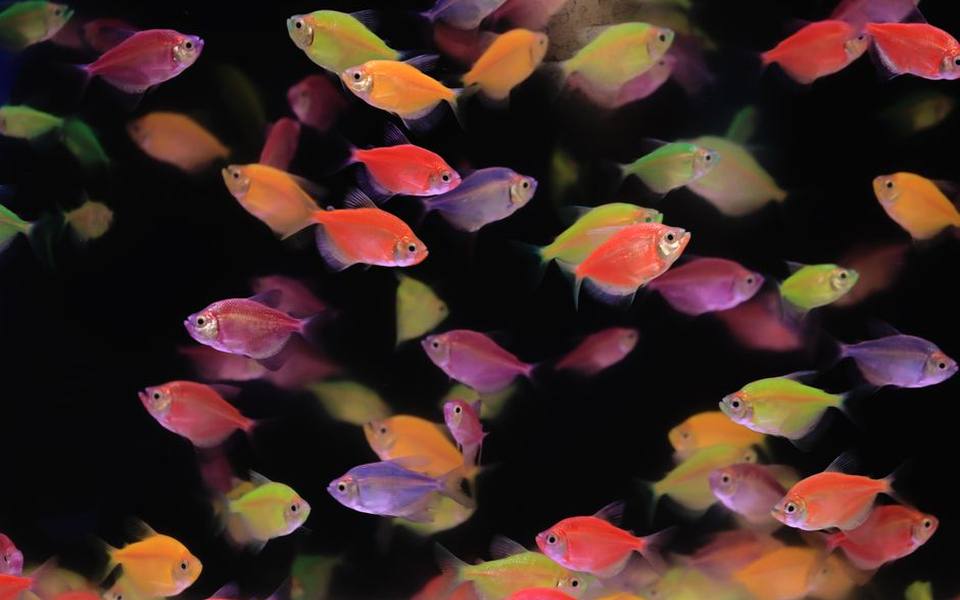
Surface feeding behavior significantly accelerates buoyant distress in small shoaling species. Dry commercial flakes and micro-pellets often trap air bubbles, which fish ingest in large volumes during feeding frenzies at the top of the tank. In a small fish, this swallowed air expands inside the stomach, wedging the gastrointestinal tract against the air bladder and forcing the fish to float upside down. Lowering the water current temporarily and shifting away from dry surface meals is often the first critical step toward stabilizing them.
Systemic pathogen loads also threaten miniature tropical species when tank conditions fluctuate. Poor water quality, marked by elevated nitrites or shifting pH, degrades mucosal defenses and allows opportunistic waterborne bacteria to colonize the internal organs. If your small schooling fish develop dropsy-like swelling, protruding scales, or red streaks alongside balance loss, bacterial infection of the organ is probable. In such complex cases, consulting qualified exotic pet veterinarians ensures accurate diagnostic differentiation before medications disrupt the entire biological cycle.
Approaches to Buoyancy Disorders in Large Pond Koi
Buoyancy loss in pond koi demands a different physical and thermal approach due to their substantial mass and outdoor environment. An effective koi swim bladder treatment regimen typically begins by evaluating water temperature trends, as cold snaps directly suppress koi digestive function. In water below fifty-five degrees Fahrenheit, a koi's gut motility slows dramatically, meaning heavy summer feeds can sit undigested, fermenting and causing gas impactions that tilt the fish sideways or leave it pinned to the pond floor.
Physical injuries and structural organ damage occur frequently in expansive pond setups where koi interact vigorously during spawning or predator avoidance. A sudden blunt impact against pond shelves, rocks, or underwater pump fixtures can rupture the swim bladder wall or trigger internal bleeding. When evaluating a large fish, keepers must look for asymmetrical side swellings, missing scales, or bruised ventral skin. Gentle palpation by an experienced keeper can determine whether the abdominal cavity feels fluid-distended or rigidly obstructed by foreign materials.
Treating large pond specimens often requires moving the affected fish into an aerated, temperature-regulated vat rather than dosing hundreds of gallons of outdoor water. In specialized quarantine systems found across sunny regions, such as those monitored by aquatic veterinarians in Florida, keepers maintain stable temperatures around seventy-five degrees to kickstart metabolic processes and immune response. Salt therapy and thermal support remain the twin pillars of conservative koi stabilization before advanced pharmaceutical interventions are introduced.
Evaluating Commercial Tonics and Internal Bacterial Additives
Aquarium hobbyists frequently turn to packaged retail medications when home remedies fail to restore natural equilibrium. Popular commercial formulations, including specialized regimens like NT Labs swimbladder treatment courses, typically utilize targeted biocides and mild antibacterial agents intended to suppress internal aeromonas or pseudomonas species. These treatments are engineered to treat the water column directly, absorbing through the gills to tackle internal bacterial pressures without immediately destroying beneficial biological filters when used strictly as directed.
Before adding commercial solutions to a main aquarium, reviewing the active ingredient profiles is critical. Many over-the-counter buoyancy tonics rely on compounds such as acriflavine, aminoacridine, or formaldehyde derivatives designed to eliminate secondary parasites and external bacterial loads that tax the fish's immune system. While these agents can alleviate systemic stress, they rarely penetrate deeply into isolated internal organs if the swim bladder has already formed structural abscesses or severe internal fluid buildup.
Proper dosing depends on calculating genuine water volume rather than theoretical tank capacity, subtracting the displacement caused by rocks, thick substrate, and equipment. Overdosing buoyancy medications can deplete dissolved oxygen levels rapidly, turning a mild balance problem into acute respiratory failure. Always run vigorous supplementary aeration through an air stone whenever commercial treatments are present in the water, and monitor livestock closely for signs of surface piping or rapid gill flutter throughout the entire multi-day schedule.
Setting Up an Effective Quarantine and Hospital Tank
Treating swim bladder complications and infectious diseases directly in a display tank is rarely advisable due to substrate absorption and plant sensitivity. A dedicated quarantine tank allows keepers to lower the water level significantly, reducing the hydrostatic pressure placed on a buoyant or sinking fish. Reducing the water depth to four to six inches enables exhausted bottom-sitters to reach surface air and food without burning through their remaining muscular energy reserves.
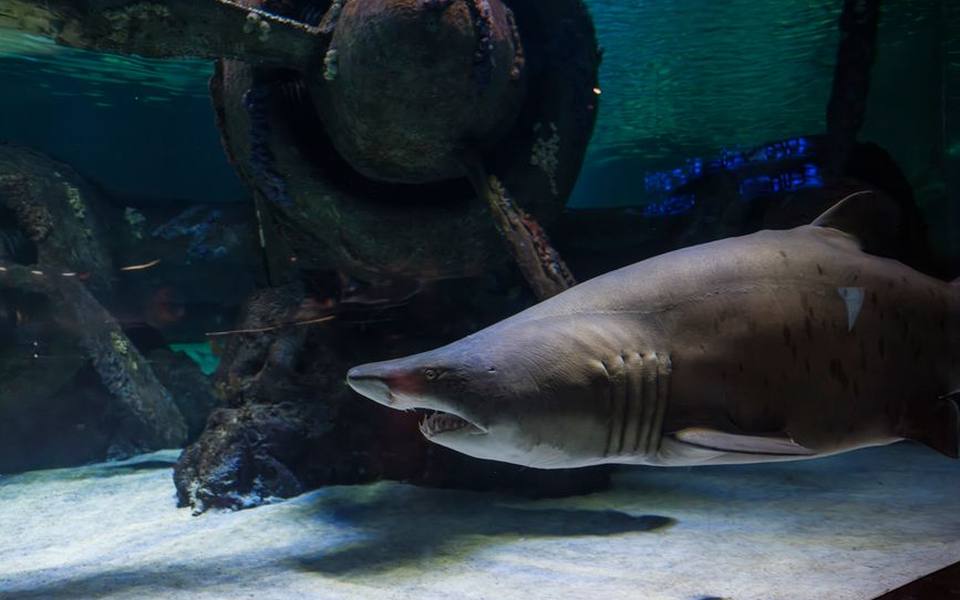
Hospital systems should remain deliberately bare-bottom to simplify waste removal and prevent medication molecules from binding to gravel or porous decor. A seasoned sponge filter, seeded from a mature, pathogen-free aquarium, delivers necessary biological conversion without generating intense water turbulence that tosses disoriented fish around. A reliable submersible heater with an external plastic guard prevents compromised fish from resting against exposed heating elements and sustaining devastating dermal contact burns.
Dimming the ambient lighting around the treatment container significantly curtails systemic cortisol production, which directly strengthens the animal's natural immune defenses. Keep the tank covered with a secure, breathable lid, as disoriented fish experiencing buoyancy shifts can thrash unexpectedly and leap out. Daily monitoring of ambient water chemistry inside this restricted volume is non-negotiable, as smaller hospital tanks experience rapid parameter swings if uneaten food or metabolic waste accumulates.
Osmotic Support, Fasting Protocols, and Dietary Changes
The standard initial intervention for non-infectious swim bladder swelling involves a mandatory fasting period of forty-eight to seventy-two hours. Withholding food gives the digestive tract time to clear impacted feces and relieve spatial pressure against the gas bladder chambers. Most cold-water and tropical fish tolerate short fasting intervals exceptionally well, drawing on hepatic glycogen stores without experiencing nutritional distress or long-term organ damage.
Following the fasting window, transitioning the fish to high-fiber, low-protein soft fare can clear remaining intestinal obstructions. Blanched, peeled green peas are the time-tested standard; the outer skin must be thoroughly discarded, and the soft interior split into digestible micro-portions. The dense plant roughage acts as a mild, natural laxative in omnivorous and herbivorous species, sweeping sluggish fecal matter and trapped gas through the lower intestine and frequently restoring natural posture within twenty-four hours.
Osmotic therapy using magnesium sulfate, commonly known as pure Epsom salt, provides powerful supportive relief for bloated aquatic patients. Unlike standard sodium chloride aquarium salt which draws out fluid through cellular pressure, Epsom salt relaxes smooth muscle tissue and reduces fluid accumulation in abdominal dropsy scenarios. Administering an Epsom salt bath at a concentration of one to two teaspoons per five gallons in an isolated treatment container typically relieves visceral tension without placing excessive metabolic strain on the kidneys.
Recognizing and Halting Bacterial Mouth Rot
Bacterial mouth rot is an aggressive, destructive pathology that differs fundamentally from simple mechanical abrasions or fungal tufts. Often presenting as a component of the Columnaris complex caused by Flavobacterium columnare, this condition begins with subtle pale discoloration along the lips and jaws before degrading oral architecture. If an owner does not initiate prompt mouth rot treatment for their fish, the bacteria rapidly erode delicate cartilage, leaving the animal unable to grasp feed or create buccal suction.
Distinguishing true bacterial rot from cottony Saprolegnia fungi is vital for selecting an effective course of medication. Columnaris produces grayish-white, fibrous plaques with irregular margins that cling tightly to the jawline, often accompanied by surrounding tissue necrosis and hyperemic red edges. True water molds, by contrast, generally feature long, fluffy filaments resembling cotton balls that wave freely in the water current. Applying antifungal products to a virulent bacterial infection wastes irreplaceable days during which bone erosion becomes irreversible.
Stressors such as poor dissolved oxygen, organic mulm buildup, and high stocking densities accelerate the transformation of environmental bacteria into virulent pathogens. Once the protective mucosal layer around the mouth is compromised by rough substrate or aggressive tankmate nipping, bacterial colonies anchor quickly. Immediate isolation of the symptomatic fish protects the wider community, as Columnaris strains can spread rapidly through shed bacterial debris and shared water columns in poorly maintained systems.
Medication Strategies for Severe Mouth and Jaw Infections
Halting advanced tissue erosion on the mouth requires potent, bio-available antibacterial therapies rather than mild herbal remedies. Broad-spectrum antibiotics that absorb readily through aquatic epithelial tissues, including combinations of kanamycin and nitrofurazone, represent the frontline protocol for aggressive gram-negative Columnaris outbreaks. Dosing these medications sequentially in an unplanted treatment tank halts bacterial replication across the exposed oral margins before deeper systemic bacteremia takes hold.
Direct topical application of veterinary antiseptics offers significant benefits when jaw erosion is caught in its earliest stage. Carefully lifting the fish in a wet, soft net and gently swabbing the external lesions with a diluted povidone-iodine solution or commercial aquatic antiseptic creates a sterile barrier on the affected tissue. This manual procedure must be performed swiftly, ideally within thirty seconds, keeping the gills submerged in clean aquarium water to prevent undue hypoxia or panic-induced injury.
Where systemic absorption from the water column proves insufficient, feeding antibiotic-medicated food offers the most direct internal delivery route. However, fish suffering from advanced mouth rot often refuse food entirely due to excruciating oral discomfort. In regions where advanced medical support is accessible, such as through specialized veterinary practices in California, clinicians can perform specialized tube feeding or administer targeted intramuscular antibiotic injections to bypass damaged oral tissues entirely.
Protecting Biological Filtration and Water Chemistry
A common pitfall during fish disease treatment is the accidental eradication of the tank's biological nitrogen cycle. Many potent antibacterial agents cannot distinguish between pathogenic Columnaris microbes and the beneficial Nitrosomonas and Nitrobacter colonies residing inside the filter media. When these bio-filtration colonies perish, ammonia and nitrite levels climb swiftly, inflicting chemical burns on the fish's already inflamed gills and mouth tissues.
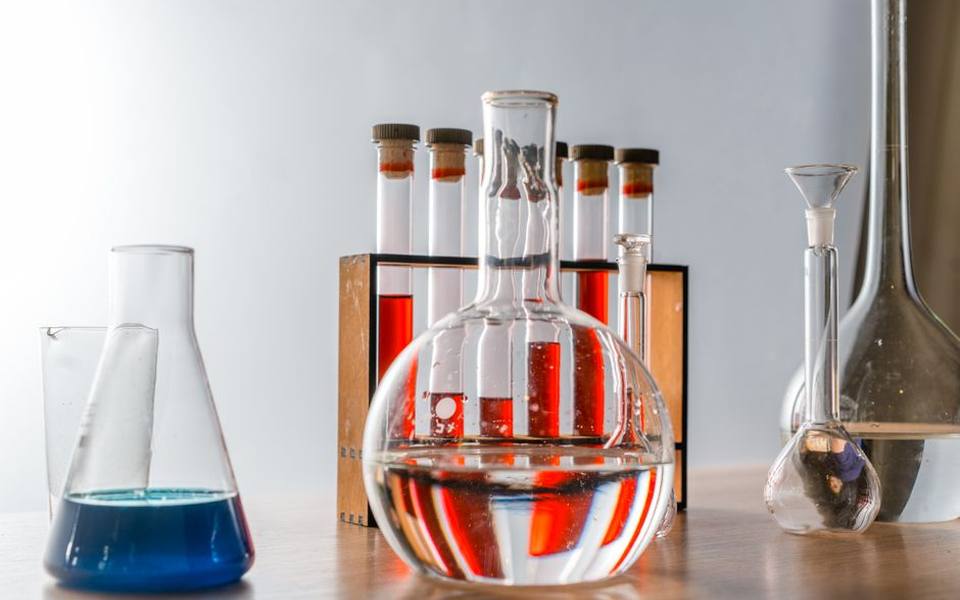
To safeguard your display aquarium's biological health, run high-potency antibiotic treatments exclusively in an isolated quarantine system. If an entire main aquarium must be treated due to herd-level contamination, remove the established biological media cartridges and preserve them in a separate aerated bucket filled with clean tank water. Maintain daily parameter testing using reliable liquid reagent kits to detect any chemical spikes the instant they materialize, neutralizing ammonia surges immediately with conditioning binders.
Managing dissolved organic carbons through aggressive siphon cleaning prevents medications from binding harmlessly to decaying mulm rather than targeting pathogens. Carry out a twenty to thirty percent water change before every subsequent dose of medication to clear out degraded chemical byproducts and dead bacterial matter. Restoring activated carbon to the filtration chain only after the treatment cycle is fully finished extracts residual pharmaceutical compounds safely without interfering with active therapy.
When Home Remedies Fail: Veterinary Aquatic Medicine
While dietary adjustments and clean water resolve many mild buoyancy issues, refractory cases require clinical veterinary expertise. Persistent swimming abnormalities may reflect internal organ tumors, deep coelomic fluid accumulation, congenital spine curvatures, or swim bladder stones that no over-the-counter bath can remedy. An aquatic clinician can perform non-invasive diagnostic radiography or ultrasonography to visualize the precise physical state of the internal organs safely.
Veterinarians certified in aquatic care have access to advanced clinical techniques, including sterile needle aspiration to decompress severely over-inflated swim bladders. By carefully inserting an ultra-fine gauge needle into the gas chamber under mild sedation, a practitioner can equalize pressure and immediately restore horizontal stability. Additionally, clinical skin scrapings and oral swabs can be cultured in a laboratory, identifying the specific bacterial strain and providing an exact antibiotic sensitivity profile for targeted healing.
Locating an aquatic practitioner was once exceptionally difficult, but modern veterinary care increasingly accommodates non-traditional species across the country. Comprehensive veterinary directories covering all states assist fish owners in connecting with licensed clinicians experienced in sedation, surgery, and fish pathology. Establishing contact with a dedicated professional ensures your aquatic pets receive scientific, humane medical intervention when common home remedies reach their limits.
Published 2026-09-21 · reviewed with each rebuild, last September 2026.
Find exotic pet vets near you
The directory lists 3,226 exotic pet vets by state and city — pick your state or use the “Near me” button in the header.
More guides
-
 Owning
What Are Amphibians? A Complete Guide to Amphibians as Exotic Pets
-
 Money
MoneyHow to Find Affordable and Emergency Vet Care for Exotic Pets
-
 Money
MoneyHow Much Does a Parrot Cost? Complete Exotic Bird and Pet Care Price Guide
-
 Owning
Can You Keep a Capybara as a Pet? Legality, Care, and Diet Requirements
-
 Owning
How to Treat and Get Rid of Snake Mites Safely
-
 Owning
Keeping Exotic Mammals: Can You Have a Fennec Fox or Kinkajou as a Pet?
-
 Money
MoneyLow-Cost Rabbit Neutering: What to Expect and How to Find Affordable Care
-
 Owning
What Is an Avian Pet? A Guide to Bird Care and Specialized Veterinary Medicine
-
 Service
How to Find and Choose the Right Exotic Pet Veterinarian
-
 Owning
Swim Bladder Disease in Aquarium Fish: Causes, Symptoms, and Treatment
-
Owning
How to Identify and Treat Mites and Skin Parasites in Reptiles, Snakes, and Rabbits
-
Safety
Rabbit GI Stasis Guide: Symptoms, Emergency Care, and Prevention
-
 Owning
Bearded Dragon Health Guide: Brumation, Impaction, Fungus, and Skin Issues
-
 Safety
Hamster Wet Tail Disease: Causes, Symptoms, Treatment, and Prevention
-
 Owning
Clinical Care Guide: Common Illnesses in Ferrets, Pythons, and Rabbits
-
Owning
Sugar Glider Diet and Feeding Guide: BML, TPG, and Nutritional Balance
-
Owning
Bird Grooming Guide: Wing Trimming, Beak Care, and Nail Maintenance
-
 Money
MoneyExotic Pet Insurance and Vet Costs: What Is Covered and Is It Worth It?
-
 Owning
Legal Exotic Pets and Ownership Laws: Permits, Licenses, and State Regulations
-
Owning
Bird Feather Plucking and PBFD: Causes, Symptoms, and Diagnostic Steps
-
 Service
Psittacine Health and Avian Veterinary Care Guide
-
 Service
How to Find and Evaluate Exotic Pet Clinics, Specialists, and Emergency Care
-
 Owning
Clinical Guide to Reptile Shell Disorders, Shedding Complications, and Impaction
-
 Owning
Small Mammal Healthcare: Managing Chronic Illness and Emergencies
-
 Safety
Avian Egg Binding and Yolk Peritonitis: Emergency Care and Clinical Protocols
-
 Owning
Bird Grooming, Wing Maintenance, and Early Illness Signs
-
 Service
Backyard Poultry and Waterfowl Veterinary Care Guide
-
 Buying
Exotic Pet Ownership: Legal Rules, Realistic Costs, and Beginner Options
-
 Money
MoneyRabbit Spay, Neuter, and Vaccination Costs: Complete Veterinary Guide
-
 Owning
Understanding Amphibians: Characteristics, Classification, and Pet Care Basics
-
 Owning
Bearded Dragon Brumation and Metabolic Bone Disease: Signs, Causes, and Care
-
 Buying
Parrot Ownership Guide: Prices, Types, and Avian Basics
-
 Owning
Complete Guide to Snake Mite Treatment: Products, Safe Sprays, and Vet Care
-
 Money
MoneyRabbit Spay and Neuter Costs: Vaccinations and Low-Cost Vet Options
-
 Owning
What Are Amphibians? Traits, Classification, and Pet Care Basics
-
 Owning
How to Get an Exotic Pet License: Legal Permits and Animal Ownership Laws
-
 Owning
Reptile Health Guide: Bearded Dragon Brumation, Metabolic Bone Disease, and Snake Mite Control
-
 Money
MoneyRabbit Spay, Neuter, and Vaccination Costs: Low-Cost Vet Guide
-
 Money
MoneyHow Much Does an Exotic Vet Cost? Emergency, Routine, and In-Home Care Guide