Understanding Psittacine Health and Avian Physiology
Psittacines, which encompass true parrots, cockatoos, parakeets, and lories, have biological systems that differ fundamentally from traditional domestic pets like cats and dogs. Because birds evolved as prey animals, their primary survival mechanism is the masking phenomenon, an instinctive drive to hide signs of injury or systemic disease until an illness has progressed to an advanced stage. When a psittacine clearly looks sick to an owner, the underlying medical issue is almost always urgent and requires immediate assessment by a qualified clinician.
Avian physiology features a remarkably fast metabolic rate, a complex respiratory system with air sacs that reach throughout skeletal cavities, and an inability to tolerate prolonged periods without nutrition. Even a minor infection or digestive disturbance can cause a sudden decline in blood sugar and body temperature. Understanding these physiological vulnerabilities allows owners to recognize that routine veterinary intervention is not a luxury, but rather a vital baseline for long-term companion bird survival.
Choosing regular professional monitoring helps identify subtle weight loss, micro-changes in feather condition, and subclinical respiratory changes before clinical emergencies happen. Establishing care with an experienced avian veterinarian gives you access to specialized diagnostics, baseline blood panels, and nutritional guidance tailored to your specific species, whether you share your home with an energetic budgerigar or a large macaw.
Why Parakeets and Small Parrots Need Specialized Care
Budgerigars and other parakeets are among the most popular companion birds in the United States, yet they are frequently underserved when it comes to formal medical evaluations. Due to their small size, pet parents often assume that minor behavioral changes are harmless or that diagnostic procedures are too difficult to perform on birds weighing under forty grams. In truth, finding a knowledgeable parakeet veterinarian is essential because their small blood volume and high metabolic rate leave very little margin for error during an acute illness.
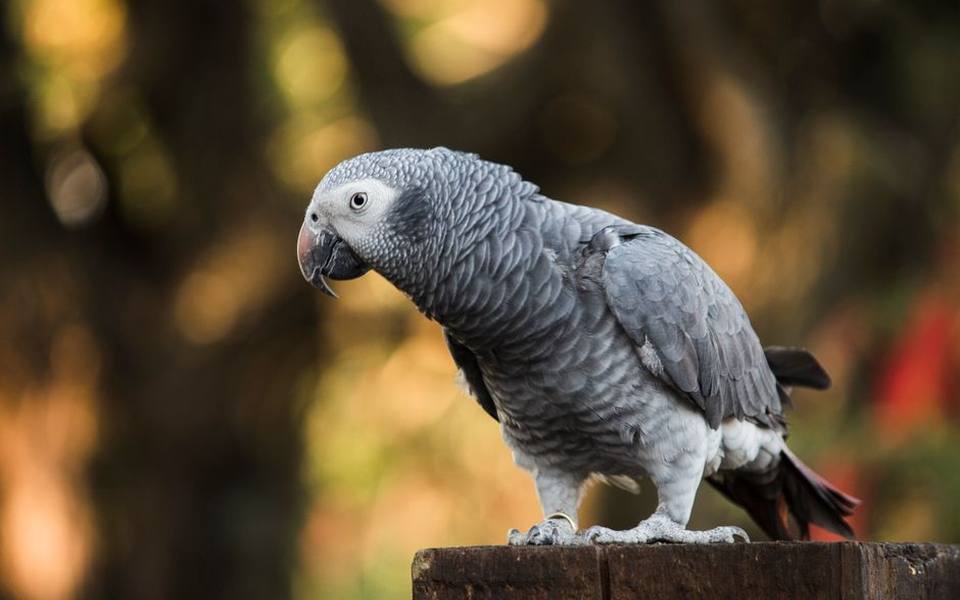
Parakeets are prone to specific medical conditions that general practitioners might overlook during a basic physical check. Budgies frequently suffer from nutritional deficiencies caused by all-seed diets, leading to hepatic lipidosis, lipomas, and metabolic bone disease. Additionally, they show high genetic predispositions to testicular and ovarian tumors, renal carcinomas, and chronic respiratory infections caused by organisms like Chlamydia psittaci. An experienced clinician can palpate subtle abdominal masses that an untrained eye would easily miss.
When handling a fragile budgie or small conure, specialized restraint techniques are critical to prevent respiratory compromise. Birds do not have diaphragms, meaning any pressure placed across their sternum can quickly cause suffocation. A trained parakeet vet uses gentle, precise towel wraps that immobilize the head while keeping the keel completely free to expand. This focused handling ensures thorough examinations without causing lethal cardiac or respiratory stress to a frightened patient.
What Defines an Avian and Exotic Veterinary Hospital
Not every veterinary practice is equipped to handle avian patients safely, which is why owners often seek out an animal and bird health care center that maintains dedicated exotic wings. A proper avian veterinary hospital features specialized environmental controls, including dedicated quiet rooms free from barking dogs and predatory smells that trigger severe stress responses in birds. The ambient temperature in recovery spaces must also be adjustable, as hypothermic birds struggle to maintain their baseline body heat.
Beyond calm boarding and examination rooms, specialized bird animal hospital facilities invest in avian-specific medical equipment. Standard small animal clinics use endotracheal tubes and anesthesia machines designed for dogs and cats, which can damage delicate avian tracheal rings. Specialty clinics use micro-cuffed or uncuffed tubes, precision micro-drip intravenous pumps, and specialized heated incubators capable of delivering supplemental oxygen alongside nebulized medications directly to critically ill birds.
The technical nursing staff at a dedicated bird & exotic hospital also receives rigorous training in species-specific care. Avian venipuncture, crop gavage feeding, and micro-dose medication delivery demand a high degree of manual dexterity and anatomical familiarity. Ensuring the hospital you select regularly treats non-traditional pets ensures that everyone from the triage receptionist to the registered technician understands how to handle avian emergencies.
Evaluating Veterinary Qualifications for Psittacines
When looking for a bird & exotics veterinarian, understanding veterinary credentials helps you assess a practitioner's depth of training. In the United States, any licensed veterinarian can legally treat birds, but general veterinary school curricula typically dedicate only a few hours of coursework to avian medicine. Owners seeking the highest standard of care often look for doctors certified by the American Board of Veterinary Practitioners in avian practice, which requires extensive clinical case reviews and rigorous examination.
If a board-certified specialist is not operating in your local community, you can still find exceptional bird vet care by evaluating a doctor's ongoing professional commitments. Inquire whether the practitioner belongs to professional organizations such as the Association of Avian Veterinarians, pursues annual continuing education credits focused on psittacines, and maintains a sizable avian caseload. A veterinarian who examines dozens of birds each month will quickly detect clinical patterns that an occasional bird doctor might miss.
Do not hesitate to ask straightforward questions before scheduling your first wellness consultation. Ask how the clinic approaches routine diagnostics, what species they see most frequently, and what emergency contingency plans they offer for overnight monitoring. Transparent exotic pet veterinary clinics are always happy to discuss their protocols, experience levels, and handling methodologies with prospective bird owners.
Regional Availability and Urban Exotic Specialty Centers
Access to advanced avian medical care often depends on geographic proximity to major metropolitan regions and veterinary teaching institutions. For instance, bird owners living in major coastal metropolitan areas like the San Francisco Bay Area or the Northeast corridor often have access to established facilities like a dedicated bay area bird and exotics hospital or regional referral centers. These dense urban hubs attract board-certified avian specialists who can manage complex soft-tissue surgeries, advanced endoscopy, and complex orthopedic repairs.
In contrast, companion bird owners residing in rural or suburban regions may need to travel substantial distances to reach a dedicated avian practice. In areas where independent avian hospitals are scarce, mixed-practice facilities that employ a hybrid animal and bird vet become vital local lifelines. These clinics provide routine wellness screening and stabilize emergent cases locally before transferring complicated patients to university teaching hospitals when necessary.
If you reside in a state with vast rural stretches, identifying your nearest emergency avian resource in advance is a key ownership responsibility. Mapping the driving route to comprehensive regional facilities, such as recognized veterinary practices in California or specialty emergency centers in neighboring regions, ensures that you are not scrambling to find an open facility during a critical weekend breathing crisis or traumatic injury.
Core Components of Routine Avian Medical Exams
A comprehensive wellness examination for a psittacine begins long before the veterinarian touches the patient. The practitioner usually starts with a hands-off observational assessment, watching the bird's posture, alertness, breathing pattern, and symmetry while it rests comfortably inside its travel carrier. This step prevents the adrenaline surge of handling from masking early respiratory distress or mobility deficits that disappear once the bird enters a state of defensive panic.
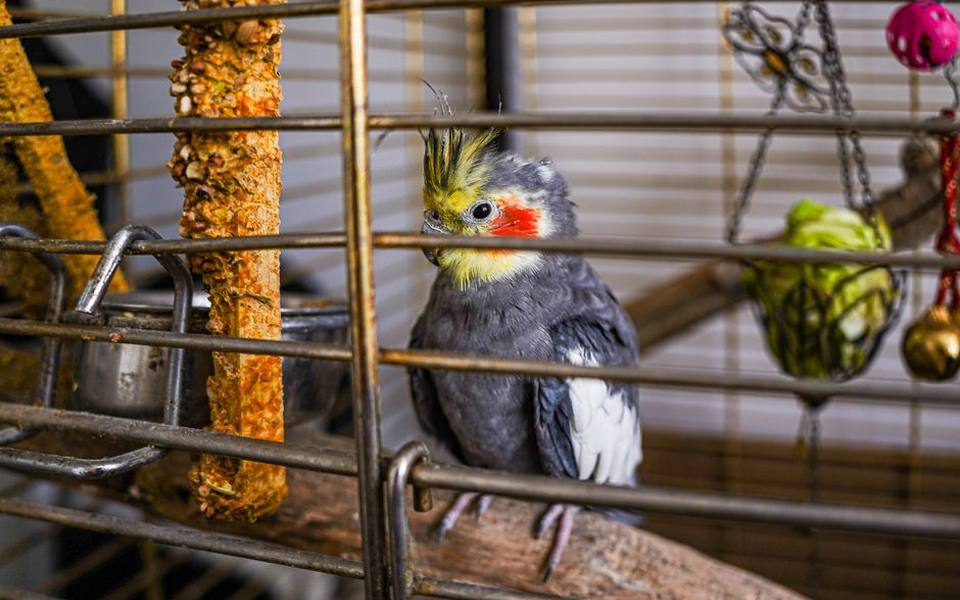
Once observation is complete, the physical exam moves systematically from beak to vent. The veterinarian evaluates the nares for discharge or asymmetry, inspects the oral cavity and choana for blunted papillae—a classic indicator of vitamin A deficiency—and uses an ophthalmoscope to inspect the eyes. The doctor palpates the pectoral muscle mass to score the bird's body condition from one to five, inspects the keel for bruising or deformities, and checks the preen gland, wings, and feet for pododermatitis.
Routine examinations also include precise weight recording on a gram scale, which serves as one of the most reliable indicators of avian health. A drop of just five to ten percent of normal body weight warrants immediate investigation. At this stage, your doctor may also recommend routine baseline testing, such as a fecal Gram stain to screen for abnormal yeast and bacterial balances, alongside a thorough review of your home enclosure and daily diet.
Diagnostics and Laboratory Testing for Pet Birds
Because physical exams can only reveal outward clinical signs, diagnostic testing plays a central role in bird veterinary care. Routine diagnostic screening typically involves taking a micro-volume blood sample from the right jugular vein, the basilic vein on the wing, or the medial metatarsal vein. A standard avian panel includes a complete blood count to screen for systemic inflammation or anemia, as well as a plasma biochemistry profile to measure liver enzymes, bile acids, uric acid, and blood glucose.
Radiography is another cornerstone of avian diagnostics, though it typically requires light sedation with sevoflurane or isoflurane to obtain diagnostic-quality symmetrical views without terrifying the patient. Digital X-rays allow clinicians to visualize the cardio-hepatic silhouette, examine the clear margins of internal air sacs, evaluate the density of long bones, and identify ingested metal foreign bodies like zinc or lead fragments sitting in the ventriculus.
Advanced diagnostics have become increasingly common in bird animal hospital settings across the country. High-resolution ultrasound, rigid endoscopy for direct visualization of the coelomic cavity, and targeted PCR testing for viral diseases like Psittacine Beak and Feather Disease, Polyomavirus, and Avian Bornavirus allow modern practitioners to detect insidious pathogens early. These objective metrics enable targeted therapies rather than broad, empirical antibiotic treatments that can disrupt normal gut flora.
Recognizing Warning Signs and Avian Emergency Signals
Being an attentive psittacine owner requires learning to spot the subtle, non-specific signs of early illness before your bird reaches an advanced state of collapse. Early clues often present as quiet behavioral shifts: a usually vocal bird growing quiet, spending more time sleeping during daytime hours, or failing to greet family members. Subtle changes in droppings, such as a shift in fecal color, liquid polyuria, or discolored biliverdin-stained yellow or green urates, always warrant clinical attention.
As an illness advances, physical symptoms become impossible to ignore. A bird sitting puffed up at the bottom of the cage, resting with both feet flat on a perch, or exhibiting rhythmic tail bobbing with each respiration is in serious respiratory or systemic distress. Open-mouth breathing, clicking sounds during respiration, discharge around the cere, or crusting over the eyes represent acute emergencies that require immediate transfer to a bird hospital equipped for oxygen therapy.
Trauma, uncontrolled bleeding, and toxic exposures also demand rapid veterinary care. Birds possess a relatively small circulating blood volume, meaning that a broken blood feather or animal bite can lead to fatal shock if left untreated. Keep an emergency styptic powder on hand, keep your travel carrier accessible, and consult qualified exotic animal veterinarians right away whenever an unexpected accident or sudden physical collapse occurs.
Emergency Hospitalization and Critical Avian Care
When a bird is admitted to an intensive care unit, initial treatment focuses on stabilization rather than exhaustive testing. Pushing an unstable patient through radiographs or extensive blood draws can trigger cardiac arrest. Instead, the clinician typically places the bird into a pre-warmed, quiet incubator with controlled humidity and supplemental oxygen to lower physiological stress and assist respiratory efficiency before handling.
Fluid resuscitation is often the next critical step for a dehydrated avian patient. Depending on the severity of the dehydration, fluids can be administered through subcutaneous injection, warm oral gavage, or an intraosseous catheter placed directly into the ulna or tibiotarsus. Concurrently, pain management and heat support help restore normal metabolic equilibrium, allowing the medical team to stabilize core body temperature and blood pressure safely.
Once a bird demonstrates clinical stabilization, specialized nursing care begins. This frequently involves crop tube feeding with easily digestible, high-calorie elemental recovery formulas to prevent dangerous catabolic states. Parenteral antibiotics, antifungals, or chelating agents are introduced once diagnostic samples are secured, and the patient is monitored continuously through glass doors to minimize stress while keeping close track of breathing and waste production.
Preparing Your Psittacine for a Low-Stress Clinic Visit
Transporting a pet bird to a veterinary hospital can provoke anxiety, but thoughtful preparation significantly smooths the experience. Always use a secure, rigid pet carrier rather than an open wire cage or cardboard box. Wire cages present risks of wing fracture if the bird panics in transit, while cardboard can be chewed through quickly by a determined parrot. Ensure the carrier has a sturdy, non-slip natural wood perch bolted low to the floor to prevent balance loss during turns.
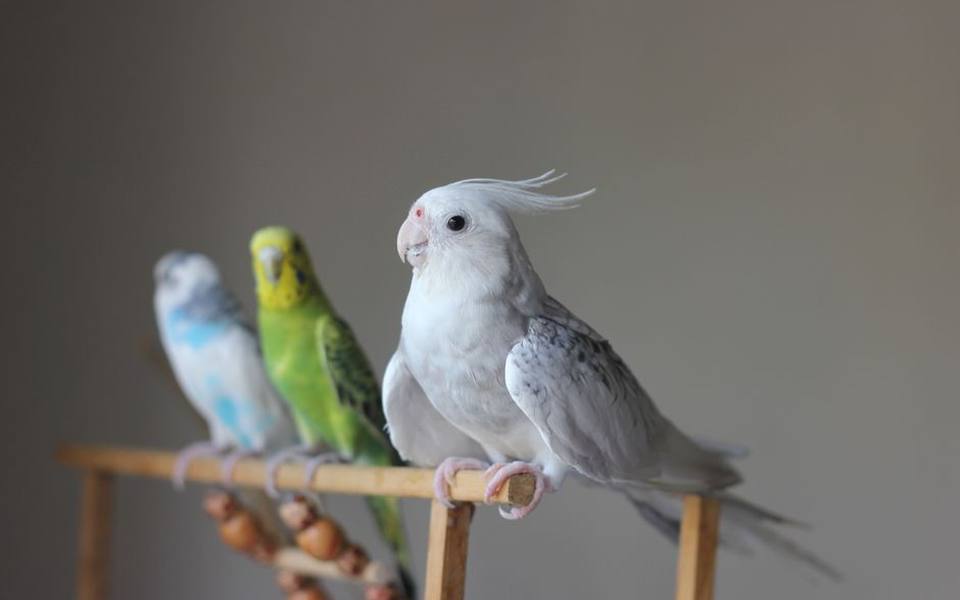
Line the bottom of the carrier with plain white paper towels rather than loose wood shavings or crushed corncob bedding. This allows your veterinarian to inspect the volume, consistency, and color of fresh droppings produced during the trip. Avoid cleaning the carrier immediately prior to leaving home, as old droppings provide helpful diagnostic clues regarding recent digestion, kidney function, and hydration.
In cold or windy weather, pre-warm your vehicle before placing the bird inside, and drape a dark, breathable towel over the carrier to block chilly drafts and visually shield your bird from terrifying sights like moving traffic. Bring photographs of your home cage setup, lists of foods offered, and details on any household chemicals, scented candles, or cookware used nearby, as environmental details often hold the key to unexplained health problems.
Husbandry, Nutrition, and Long-Term Preventive Wellness
Preventive medicine forms the true foundation of long-term psittacine wellness. The historical standard of feeding companion parrots an exclusive seed mix is now recognized across avian veterinary medicine as a leading cause of premature mortality. Seed diets lack essential amino acids, calcium, zinc, and vitamin A, while providing excessive fat that predisposes birds to atherosclerosis, stroke, and chronic liver failure.
A healthy diet typically consists of high-quality formulated organic pellets providing roughly sixty to seventy percent of daily calories, supplemented generously with fresh, dark leafy greens, orange root vegetables, legumes, and occasional sprouted grains. Fresh, clean water must be provided daily in sanitized bowls, as bacterial biofilms form quickly in water cups contaminated with dropped food or droppings.
Beyond nutrition, proper husbandry involves safeguarding environmental air quality and respecting biological sleep cycles. Psittacine respiratory tracts are extraordinarily sensitive to airborne toxins, including polytetrafluoroethylene fumes from overheated non-stick cookware, aerosol sprays, incense, and cigarette smoke. Ensuring your bird receives ten to twelve hours of uninterrupted darkness each night helps regulate hormonal cycles, preventing chronic egg-laying in females and aggressive territorial behaviors in males.
Published 2026-09-21 · reviewed with each rebuild, last September 2026.
Find exotic pet vets near you
The directory lists 3,226 exotic pet vets by state and city — pick your state or use the “Near me” button in the header.
More guides
-
 Owning
What Are Amphibians? A Complete Guide to Amphibians as Exotic Pets
-
 Money
MoneyHow to Find Affordable and Emergency Vet Care for Exotic Pets
-
 Money
MoneyHow Much Does a Parrot Cost? Complete Exotic Bird and Pet Care Price Guide
-
 Owning
Can You Keep a Capybara as a Pet? Legality, Care, and Diet Requirements
-
 Owning
How to Treat and Get Rid of Snake Mites Safely
-
 Owning
Keeping Exotic Mammals: Can You Have a Fennec Fox or Kinkajou as a Pet?
-
 Money
MoneyLow-Cost Rabbit Neutering: What to Expect and How to Find Affordable Care
-
 Owning
What Is an Avian Pet? A Guide to Bird Care and Specialized Veterinary Medicine
-
 Service
How to Find and Choose the Right Exotic Pet Veterinarian
-
 Owning
Swim Bladder Disease in Aquarium Fish: Causes, Symptoms, and Treatment
-
Owning
How to Identify and Treat Mites and Skin Parasites in Reptiles, Snakes, and Rabbits
-
Safety
Rabbit GI Stasis Guide: Symptoms, Emergency Care, and Prevention
-
 Owning
Bearded Dragon Health Guide: Brumation, Impaction, Fungus, and Skin Issues
-
 Safety
Hamster Wet Tail Disease: Causes, Symptoms, Treatment, and Prevention
-
 Owning
Clinical Care Guide: Common Illnesses in Ferrets, Pythons, and Rabbits
-
Owning
Sugar Glider Diet and Feeding Guide: BML, TPG, and Nutritional Balance
-
Owning
Bird Grooming Guide: Wing Trimming, Beak Care, and Nail Maintenance
-
 Money
MoneyExotic Pet Insurance and Vet Costs: What Is Covered and Is It Worth It?
-
 Owning
Legal Exotic Pets and Ownership Laws: Permits, Licenses, and State Regulations
-
Owning
Bird Feather Plucking and PBFD: Causes, Symptoms, and Diagnostic Steps
-
 Service
How to Find and Evaluate Exotic Pet Clinics, Specialists, and Emergency Care
-
 Owning
Clinical Guide to Reptile Shell Disorders, Shedding Complications, and Impaction
-
 Owning
Small Mammal Healthcare: Managing Chronic Illness and Emergencies
-
 Safety
Avian Egg Binding and Yolk Peritonitis: Emergency Care and Clinical Protocols
-
 Owning
Bird Grooming, Wing Maintenance, and Early Illness Signs
-
 Service
Backyard Poultry and Waterfowl Veterinary Care Guide
-
 Buying
Exotic Pet Ownership: Legal Rules, Realistic Costs, and Beginner Options
-
 Service
Aquatic Medicine: Treating Swim Bladder and Fish Infections
-
 Money
MoneyRabbit Spay, Neuter, and Vaccination Costs: Complete Veterinary Guide
-
 Owning
Understanding Amphibians: Characteristics, Classification, and Pet Care Basics
-
 Owning
Bearded Dragon Brumation and Metabolic Bone Disease: Signs, Causes, and Care
-
 Buying
Parrot Ownership Guide: Prices, Types, and Avian Basics
-
 Owning
Complete Guide to Snake Mite Treatment: Products, Safe Sprays, and Vet Care
-
 Money
MoneyRabbit Spay and Neuter Costs: Vaccinations and Low-Cost Vet Options
-
 Owning
What Are Amphibians? Traits, Classification, and Pet Care Basics
-
 Owning
How to Get an Exotic Pet License: Legal Permits and Animal Ownership Laws
-
 Owning
Reptile Health Guide: Bearded Dragon Brumation, Metabolic Bone Disease, and Snake Mite Control
-
 Money
MoneyRabbit Spay, Neuter, and Vaccination Costs: Low-Cost Vet Guide
-
 Money
MoneyHow Much Does an Exotic Vet Cost? Emergency, Routine, and In-Home Care Guide