Understanding Natural Brumation Cycles and Winter Dormancy
Bearded dragons do not hibernate in the mammalian sense, but they undergo a seasonal state of dormancy known as brumation. In the wild across central Australia, dropping daylight hours and cooler winter temperatures trigger this biological slowdown to conserve energy when food and warmth become scarce. In captivity, domestic dragons often retain this instinct, slowing down noticeably even when indoor environmental controls remain largely stable throughout the changing seasons.
Knowing when a pet enters this cycle prevents unnecessary panic. Typically, adult dragons enter brumation during late autumn or early winter, usually between October and February in North America, though individual schedules vary widely. Some animals sleep soundly for weeks or months at a stretch, while others merely slow down, refusing heavy meals and spending more time in the cooler zones of their enclosures. Juveniles under one year of age rarely brumate fully and should be monitored closely if they begin to shut down.
Before allowing your pet to sleep undisturbed, confirming that the slowdown is truly biological rather than environmental or disease-related is essential. Drops in enclosure temperature or an aging ultraviolet bulb can mimic the onset of dormancy by reducing a lizard's metabolic capacity. A thorough assessment of vivarium temperatures, appetite shifts, and general alert levels helps differentiate between healthy seasonal rest and an emerging medical complication that requires immediate intervention.
Telling Natural Sluggishness Apart from Serious Lethargy
Differentiating normal dormant behavior from pathological lethargy is one of the most stressful challenges a reptile owner faces. A brumating dragon reduces its energy output voluntarily but maintains solid body condition, muscle tone across the temporal head pads, and clear, bright eyes when disturbed. If gently woken, a healthy brumating animal will open its eyes, shift posture slightly, flick its tongue, and remain responsive before settling back into sleep.
Pathological lethargy, by contrast, involves systemic weakness rather than restful conservation of energy. Sick animals often rest in awkward, splayed positions, appear unresponsive to environmental stimuli, display darkened beards out of distress, and exhibit sunken fat pads behind their eyes. Weight loss during true dormancy is typically minimal, usually limited to a few grams over several months. Any dragon losing noticeable mass or displaying wrinkled, inelastic skin while resting is unwell rather than simply sleeping.
Whenever you suspect a dormant cycle is starting, booking a routine checkup with experienced reptile vets provides peace of mind. A basic physical exam and a fecal float test rule out internal parasites, which can multiply unchecked while a dragon's digestive tract remains dormant. Sleeping with an active parasite load or undigested food in the stomach can lead to severe gastrointestinal decay, systemic toxicity, and life-threatening dehydration.
Causes and Warning Signs of Digestive Impaction
Digestive impaction occurs when an indigestible mass blocks a bearded dragon's intestinal tract, preventing normal waste excretion. Because a dragon's digestive tract relies heavily on ambient heat to stimulate gastric motility, husbandry errors represent the primary cause of this condition. When basking surface temperatures fall below the required baseline of roughly one hundred degrees Fahrenheit, enzymes cannot break down chitinous insect shells, leading to hard obstructions inside the gut.
Inappropriate loose substrates pose another widespread threat to digestive health. Sand, crushed walnut shells, calcium-based gravel, and small wood chips can be accidentally ingested during feeding or exploratory tongue licking. Over time, these fine particles bind with food boluses and urate deposits, forming dense blockages that a dragon cannot naturally pass. Feeding oversized feeder insects, particularly those with hard exoskeletons like large dubia roaches or superworms, significantly compounds this risk in younger dragons.
Early signs of a constipated or impacted lizard include a sudden refusal to eat, a rounded or tense abdomen, and days stretching past the animal's typical defecation schedule. As the blockage progresses, the mass can press against internal nerve pathways running along the lower spine, leading to partial weakness or dragging of the rear legs. Affected lizards often strain repeatedly without producing stool, appearing visibly agitated or displaying persistent black beards.
Safe Relief Protocols and Medical Treatment for Blockages
When an owner observes minor digestive sluggishness without severe distress or paralysis, gentle home support can sometimes encourage normal bowel movements. Placing the dragon in a shallow bath of warm water, roughly eighty-five to ninety degrees, for fifteen to twenty minutes helps hydrate the digestive tract and naturally relaxes the cloacal muscles. Gentle, downward strokes along the right side of the belly toward the vent can help dislodge minor obstructions, provided the motion is never forced.
A few drops of pure pumpkin puree or olive oil given orally can occasionally soften a stubborn fecal plug, but home treatments have strict limits. You should never force-feed a dragon showing significant abdominal swelling, nor should you administer over-the-counter laxatives or perform home enemas. If warm soaks fail to produce stool within forty-eight hours, or if the dragon shows any loss of motor control in its rear legs, home remedies must immediately stop in favor of professional diagnostics.
Clinical intervention by qualified exotic pet veterinarians typically involves digital radiographs to pinpoint the exact location and density of the blockage. Medical therapy may include controlled fluid therapy to soften the digestive mass, prescription motility agents, and medically supervised cloacal flushes. In severe cases involving foreign objects or large mineralized obstructions that fail to respond to conservative therapy, emergency surgical celiotomy may be the only available method to save the lizard's life.
Cloacal Prolapse Emergencies and Underlying Triggers
A cloacal prolapse is a critical emergency where internal tissues, such as the lower intestine, urinary tract, or reproductive hemipenes, invert and protrude outward through the vent. This condition is visible as a moist, pink, red, or purple mass projecting from the underside of the tail base. The exposed tissue quickly dries, swells, and loses blood circulation when exposed to the air, turning a treatable mechanical problem into tissue necrosis within a matter of hours.
Prolapse is rarely a primary illness; instead, it serves as an alarming symptom of severe physical straining. Chronic impaction, high intestinal parasite burdens, and large urinary stones force the dragon to push violently during defecation attempts. Nutritional secondary hyperparathyroidism also contributes significantly, as a lack of blood calcium weakens muscular sphincters, rendering them incapable of holding pelvic organs securely in place under modest pressure.
If you discover a prolapse, immediate emergency action is necessary while arranging transport to an emergency clinic. Keep the exposed tissue lubricated and protected by applying a water-soluble lubricating jelly or placing the lizard on clean, damp paper towels. Applying a cold sugar-water solution using household granulated sugar can help draw out edema and reduce tissue swelling temporarily. Never attempt to push the organs back into the vent yourself, as blunt trauma can easily tear delicate mucosal tissues.
Yellow Fungus Disease and Infectious Dermatitis
Yellow Fungus Disease is among the most destructive infectious conditions encountered in captive reptile medicine. Caused primarily by fungal pathogens in the *Nannizziopsis* genus, this contagious dermatological disease invades deep tissue layers rather than staying on the surface of the scales. While normal healthy bearded dragons naturally display yellow, citrus, or orange pigments along their skin, fungal lesions present a markedly distinct, pathological appearance that owners must learn to distinguish.
True fungal lesions appear as irregular, crusty, thickened patches of yellowish-brown or necrotic tissue that spread across multiple shed cycles. Unlike natural coloration, fungal zones often feel rough, break the uniform pattern of the scales, and leave open, weeping ulcers when the dragon attempts to shed. Common initial sites include the edges of the mouth, the vent area, the undersides of the limbs, and the tail tip, where micro-abrasions allow environmental spores to enter.
Living in humid coastal environments can complicate environmental balance; for example, keepers seeking guidance from exotic pet vets in Florida often face persistent challenges maintaining dry desert conditions during summer. Fungal infections require prompt fungal culture or PCR testing for definitive diagnosis. Treatment demands aggressive, long-term oral antifungal medications combined with topical antiseptic washes. Because the infection is easily spread among lizards, strict quarantine and sanitation are mandatory.
Scale Rot, Blister Disease, and Enclosure Humidity
Scale rot is an umbrella term describing bacterial or superficial fungal dermatitis caused directly by unsanitary, overly damp housing conditions. Bearded dragons evolved in arid semi-desert ecosystems with low ambient moisture levels and high ventilation. When enclosures feature soaked bedding, poor airflow, or water dishes that leak into substrates, the lizard's ventral scales sit continuously against damp surfaces, compromising their protective epidermal barrier.
Early scale rot appears as discolored brown, black, or reddish spots along the belly, inner thighs, or ventral tail base. Individual scales may appear lifted, swollen, or ragged at the margins, resembling mechanical burns or dirty stains that do not disappear after a shed. In advanced stages, blister disease develops, characterized by fluid-filled pustules beneath the scales that rupture, creating portal wounds for secondary bacterial pathogens like *Pseudomonas* to enter the bloodstream.
Mild superficial cases can often be halted by immediately rectifying enclosure husbandry and providing daily diluted antiseptic soaks using povidone-iodine mixed to the color of weak tea. However, systemic scale rot with ulcerations requires prescription topical creams and systemic antibiotic injections. Resolving the environmental issue requires stripping out soiled substrates, replacing them with dry paper towels, and ensuring the ambient enclosure humidity stays securely within the optimal range of thirty to forty percent.
Calcium Deficiency and Metabolic Bone Disease
Metabolic Bone Disease, often initiated by nutritional calcium deficiency or lack of ultraviolet light, remains one of the most common captive reptile disorders. To absorb dietary calcium from greens and insects, a bearded dragon requires vitamin D3, which is synthesized in the skin only under exposure to active UVB radiation. Without adequate UVB light or proper dietary supplementation, the lizard's parathyroid gland draws calcium directly from its skeletal structure to maintain basic neurological functions.
Early symptoms of calcium depletion present subtly as muscle tremors, twitching toes, and occasional loss of balance while climbing enclosure branches. As bone density continues to erode, the long bones of the legs bend under body weight, creating a bowed appearance. The mandible softens significantly, often referred to as rubber jaw, which leaves the mouth hanging slightly open and makes chewing crunchy insects difficult or impossible.
Preventing this debilitating decline requires a dual approach: high-output linear UVB fluorescent tubes paired with balanced calcium supplementation. Compact coil bulbs do not project sufficient UV gradients over the entire length of an active adult enclosure. Calcium powder with vitamin D3 should dust feeder insects at frequencies appropriate for the dragon's age, while daily green salads should emphasize calcium-rich options like collard greens, mustard greens, and turnip tops over poor sources like iceberg lettuce.
Clinical Diagnostics and What to Expect at the Vet
When health complications arise, an exotic animal clinic uses targeted diagnostic tools that standard domestic dog and cat practices rarely stock. During an initial physical examination, the practitioner conducts a systematic palpation of the coelomic cavity, feeling for intestinal impactions, enlarged follicular clusters in females, or swollen organs. They will examine the oral cavity for signs of infectious stomatitis, inspect the cloacal vent, and assess skeletal firmness along the jaw and spine.
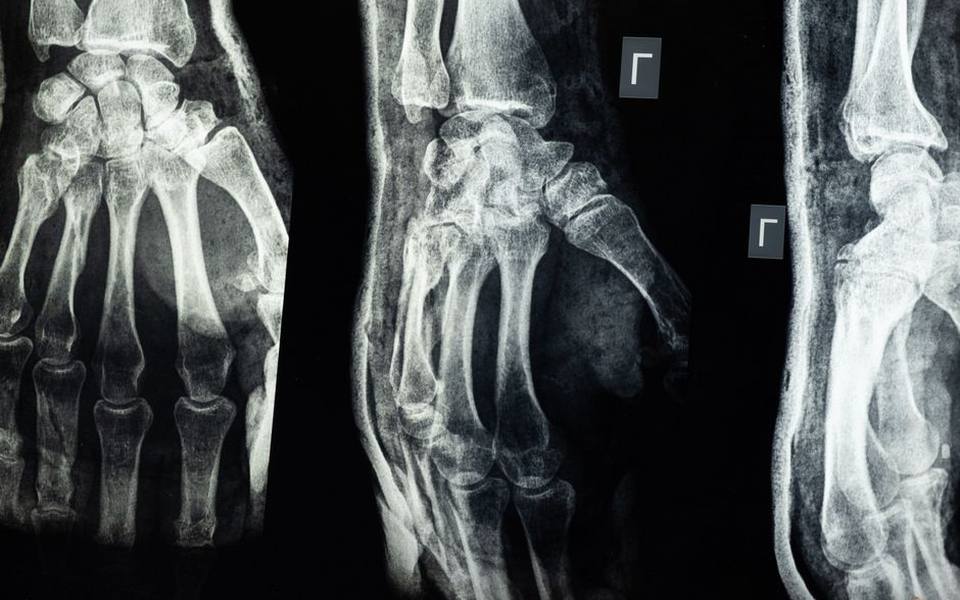
Fecal testing remains the first-line diagnostic for gastrointestinal distress, detecting microscopic protozoa, coccidia, and pinworms that trigger chronic inflammation and secondary straining. Radiographs are invaluable for visual confirmation of skeletal mineral density, identification of radiopaque foreign materials like swallowed stones or dense sand deposits, and detection of respiratory congestion indicative of lower respiratory infections.
Blood chemistry panels and complete blood counts provide critical windows into organ function that external exams cannot reveal. Elevated white blood cell counts indicate active bacterial or fungal challenges, while elevated uric acid levels can confirm articular or visceral gout. Checking comprehensive provider listings across ExoticVetAtlas helps ensure you locate an accredited hospital equipped with specialized reptile diagnostic equipment and knowledgeable medical staff.
Preventative Husbandry and Enclosure Standards
The vast majority of bearded dragon illnesses stem directly from avoidable husbandry deficiencies. Establishing a reliable enclosure begins with selecting the proper footprint; an adult bearded dragon requires a vivarium of at least one hundred and twenty gallons to accommodate active movement and maintain a proper thermal gradient. Without sufficient space, creating a distinct warm basking area alongside an adequately cool retreat zone becomes nearly impossible.
Thermal control requires precise, continuous measurement rather than estimation. An accurate digital probe thermometer or infrared temperature gun must be used to verify basking surface temperatures between one hundred and one hundred and five degrees Fahrenheit for adults, with the ambient cool side settling around seventy-five to eighty degrees. Linear T5 high-output UVB lighting must span at least half the length of the vivarium, mounted at the manufacturer's recommended distance, and replaced every six to twelve months.
Finally, substrate selection should match the keeper's experience level and the health of the individual animal. Solid surfaces such as slate tile, non-adhesive shelf liner, or plain butcher paper eliminate the risk of substrate impaction while making daily spot-cleaning straightforward. By maintaining spotless sanitation, balanced heat gradients, and proactive nutritional dusting, owners can easily prevent the vast majority of dermatological, digestive, and metabolic hurdles.
Published 2026-09-21 · reviewed with each rebuild, last September 2026.
Find exotic pet vets near you
The directory lists 3,226 exotic pet vets by state and city — pick your state or use the “Near me” button in the header.
More guides
-
 Owning
What Are Amphibians? A Complete Guide to Amphibians as Exotic Pets
-
 Money
MoneyHow to Find Affordable and Emergency Vet Care for Exotic Pets
-
 Money
MoneyHow Much Does a Parrot Cost? Complete Exotic Bird and Pet Care Price Guide
-
 Owning
Can You Keep a Capybara as a Pet? Legality, Care, and Diet Requirements
-
 Owning
How to Treat and Get Rid of Snake Mites Safely
-
 Owning
Keeping Exotic Mammals: Can You Have a Fennec Fox or Kinkajou as a Pet?
-
 Money
MoneyLow-Cost Rabbit Neutering: What to Expect and How to Find Affordable Care
-
 Owning
What Is an Avian Pet? A Guide to Bird Care and Specialized Veterinary Medicine
-
 Service
How to Find and Choose the Right Exotic Pet Veterinarian
-
 Owning
Swim Bladder Disease in Aquarium Fish: Causes, Symptoms, and Treatment
-
Owning
How to Identify and Treat Mites and Skin Parasites in Reptiles, Snakes, and Rabbits
-
Safety
Rabbit GI Stasis Guide: Symptoms, Emergency Care, and Prevention
-
 Safety
Hamster Wet Tail Disease: Causes, Symptoms, Treatment, and Prevention
-
 Owning
Clinical Care Guide: Common Illnesses in Ferrets, Pythons, and Rabbits
-
Owning
Sugar Glider Diet and Feeding Guide: BML, TPG, and Nutritional Balance
-
Owning
Bird Grooming Guide: Wing Trimming, Beak Care, and Nail Maintenance
-
 Money
MoneyExotic Pet Insurance and Vet Costs: What Is Covered and Is It Worth It?
-
 Owning
Legal Exotic Pets and Ownership Laws: Permits, Licenses, and State Regulations
-
Owning
Bird Feather Plucking and PBFD: Causes, Symptoms, and Diagnostic Steps
-
 Service
Psittacine Health and Avian Veterinary Care Guide
-
 Service
How to Find and Evaluate Exotic Pet Clinics, Specialists, and Emergency Care
-
 Owning
Clinical Guide to Reptile Shell Disorders, Shedding Complications, and Impaction
-
 Owning
Small Mammal Healthcare: Managing Chronic Illness and Emergencies
-
 Safety
Avian Egg Binding and Yolk Peritonitis: Emergency Care and Clinical Protocols
-
 Owning
Bird Grooming, Wing Maintenance, and Early Illness Signs
-
 Service
Backyard Poultry and Waterfowl Veterinary Care Guide
-
 Buying
Exotic Pet Ownership: Legal Rules, Realistic Costs, and Beginner Options
-
 Service
Aquatic Medicine: Treating Swim Bladder and Fish Infections
-
 Money
MoneyRabbit Spay, Neuter, and Vaccination Costs: Complete Veterinary Guide
-
 Owning
Understanding Amphibians: Characteristics, Classification, and Pet Care Basics
-
 Owning
Bearded Dragon Brumation and Metabolic Bone Disease: Signs, Causes, and Care
-
 Buying
Parrot Ownership Guide: Prices, Types, and Avian Basics
-
 Owning
Complete Guide to Snake Mite Treatment: Products, Safe Sprays, and Vet Care
-
 Money
MoneyRabbit Spay and Neuter Costs: Vaccinations and Low-Cost Vet Options
-
 Owning
What Are Amphibians? Traits, Classification, and Pet Care Basics
-
 Owning
How to Get an Exotic Pet License: Legal Permits and Animal Ownership Laws
-
 Owning
Reptile Health Guide: Bearded Dragon Brumation, Metabolic Bone Disease, and Snake Mite Control
-
 Money
MoneyRabbit Spay, Neuter, and Vaccination Costs: Low-Cost Vet Guide
-
 Money
MoneyHow Much Does an Exotic Vet Cost? Emergency, Routine, and In-Home Care Guide