Finding Qualified Medical Care for Backyard Flocks
Keeping backyard poultry has evolved from a purely agricultural venture into a widespread companion animal pursuit. Despite this surge in popularity, locating qualified veterinary care for chickens and ducks remains a common hurdle for flock keepers across the United States. Many companion animal clinics focus exclusively on canines and felines, while production livestock veterinarians primarily manage commercial operations with thousands of production birds rather than individual pet layers or heritage ducks.
When an individual bird falls ill, owners often struggle to find a licensed practitioner willing to examine a single hen or drake. General practitioners may lack specialized training in avian anatomy, unique pharmacology, or flock biosecurity. Consequently, flock owners must look toward experienced avian vets or mixed-animal clinicians who specifically accept poultry patients. These professionals understand the subtle physiology of gallinaceous birds and waterfowl, offering targeted diagnostic workups instead of guesswork.
Reaching out to general exotic animal practices is often the fastest route to professional care. Dedicated exotic pet veterinarians and specialist clinics routinely manage avian species, possessing the specialized tools required to safely anesthetize, radiograph, and treat avian anatomy. Establishing a relationship with a poultry doctor before an acute emergency occurs ensures you have an established veterinary-client-patient relationship when immediate medical interventions become necessary.
Recognizing Subtle Signs of Avian Distress and Disease
Birds are prey species naturally wired to conceal overt symptoms of injury, weakness, or systemic illness until they can no longer compensate physically. By the time a backyard hen isolates herself in a corner or a runner duck sits persistently away from the flock, the underlying medical condition has often progressed significantly. Daily observational habits are the first line of defense in catching flock health problems early.
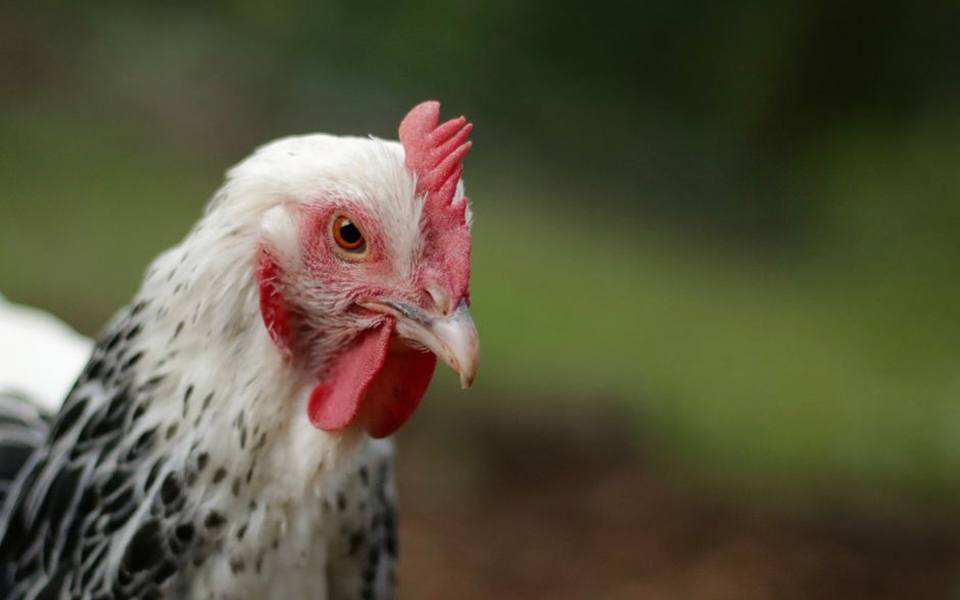
Key early indicators of illness include changes in posture, altered feather carriage, and abnormal facial color. A healthy bird displays bright, alert eyes, upright tail feathers, and an active interest in foraging or social hierarchy. When a bird begins hunching, drooping its wings, or puffing its feathers to maintain body heat, it is experiencing metabolic stress. Pale, shrunken combs or dusky, cyanotic wattles in chickens can indicate anemia from external parasites, cardiovascular distress, or severe internal infection.
Digestive changes provide immediate diagnostic clues for the attentive flock keeper. Examining dropping consistency helps distinguish between temporary dietary shifts, coccidiosis, bacterial enteritis, or renal impairment. Furthermore, gentle manual palpation of the crop—the muscular storage pouch along the right side of the bird's chest—should reveal a soft, full sack after feeding that empties completely overnight. A hard, impacted crop or a squishy, sour-smelling pouch points to mechanical obstruction or fungal candidiasis that requires medical attention.
Understanding Pododermatitis and Foot Health in Ducks
Pododermatitis, colloquially known as bumblefoot, is an inflammatory and degenerative condition affecting the plantar surfaces of avian feet. While chickens frequently suffer from perching trauma, waterfowl are uniquely vulnerable due to their physical structure. Domestic ducks possess heavy bodies supported by soft, pliable footpads and fragile web tissue that lack the durable, thick scales found on land-dwelling birds.
Waterfowl pododermatitis typically begins with superficial micro-abrasions caused by abrasive ground surfaces, coarse gravel, frozen mud, or rough concrete surrounding artificial pools. Once the epidermal barrier is breached, opportunistic environmental bacteria—most frequently Staphylococcus aureus, Escherichia coli, or Pseudomonas—colonize the subcutaneous layers. The avian immune response produces a thick, caseous, solid pus that the body cannot easily reabsorb or liquefy, leading to a hard core or black necrotic scab.
Heavy domestic breeds, such as Pekins, Rouens, and heavy Muscovies, experience an amplified risk of foot lesions due to excess mechanical pressure placed on their connective tissues. Inadequate swimming access exacerbates this pressure, forcing birds to carry their full weight on land continuously rather than buoying their mass in water. Preventing pododermatitis requires managing environmental substrates, maintaining clean bedding, and monitoring footpad integrity during routine handling.
Clinical Staging and Veterinary Treatment for Bumblefoot
Effective bumblefoot management depends entirely on the clinical grade of the lesion. Early-stage cases, characterized by localized redness, mild swelling, and intact skin, can often be reversed by adjusting coop bedding, providing soft grass runs, and using non-steroidal topical antiseptic soaks. However, once a dark necrotic plug forms or extensive swelling appears across the metatarsal pad, systemic veterinary care becomes essential to prevent permanent lameness.
When bumblefoot penetrates deep anatomical structures, conservative home remedies usually fall short. An experienced poultry doctor will palpate the foot, perform diagnostic digital radiographs to evaluate underlying bone density, and assess for osteomyelitis—a destructive bone infection that can prove fatal. In advanced cases across states like Texas and beyond, surgical debridement under general anesthesia is often required to remove necrotic cores, flush infected tendon sheaths, and obtain bacterial cultures.
Post-operative management involves meticulous wound care and specialized bandaging to protect the vulnerable surgical site from moisture and fecal contamination. Waterfowl present a unique challenge because conventional wraps unravel rapidly when birds enter water. Veterinarians frequently employ cohesive flexible bandages combined with moisture-resistant outer barriers or specialized neoprene duck booties, alongside systemic antimicrobials and targeted pain medications to ensure humane, effective recovery.
Niacin Deficiency in Growing Ducklings
Waterfowl have distinct nutritional requirements that set them apart from gallinaceous species, a difference that catches many novice keepers off guard. Ducklings grow at an astonishing metabolic rate, multiplying their hatch weight exponentially within their first six weeks of life. This explosive skeletal and vascular development demands significantly higher concentrations of vitamin B3, also known as niacin or nicotinic acid, than standard chick starters provide.
Commercial poultry feed formulated generically for baby chickens typically contains just enough niacin to support chick growth, usually around thirty to forty milligrams per kilogram of feed. Ducklings, however, require fifty-five to seventy milligrams per kilogram to properly synthesize structural proteins and maintain bone growth plates. When ducklings consume plain chicken starter without supplemental niacin, systemic biochemical deficiencies begin manifesting in the skeletal structure within two to three weeks.
The classical presentation of duckling niacin deficiency includes bowed legs, enlarged and swollen hock joints, an unnatural inward or outward rotation of the feet, and severe reluctance to walk. Affected ducklings may wobble unsteadily, drop to their hocks, or use their wings for balance. If left unaddressed, the leg bones ossify into permanently deformed configurations, leading to lifelong mobility deficits, secondary foot infections, and an inability to forage or swim effectively.
Corrective Nutrition and Emergency Vitamin Supplementation
When early signs of leg weakness or joint swelling appear in growing waterfowl, immediate intervention can halt and often reverse the physical damage. The fastest way to correct borderline deficiency is administering a clean source of water-soluble B vitamins directly to the individual. Liquid vitamin B complex formulations administered orally provide bioavailable niacin that absorbs rapidly through the gastrointestinal tract without straining developing kidneys.
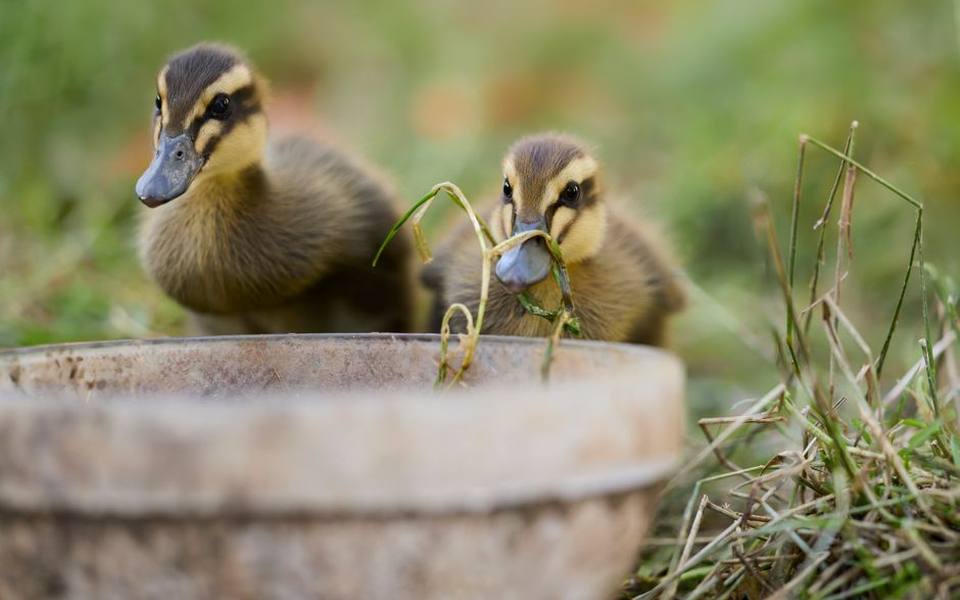
For whole-brooder management, top-dressing feed with nutritional yeast or food-grade brewer's yeast is an established preventative practice. Adding approximately one to two tablespoons of brewer's yeast per cup of commercial feed reliably raises total dietary niacin levels into the safe zone for young ducklings. Flock keepers must ensure they do not substitute active baking yeast, which ferments dangerously inside the bird's digestive tract and causes life-threatening gastrointestinal distress.
Veterinarians treating acute deficiency often prescribe oral supplements or injectable vitamin preparations alongside supportive splinting if the growth plates have begun to deviate. In regions with dense backyard flock populations, such as communities in California, practitioners frequently instruct clients to transition growing waterfowl to dedicated commercial waterfowl pellets as soon as possible. Unlike multi-species feed blends, species-specific waterfowl diets are scientifically balanced to support rapid skeletal growth without requiring supplemental guesswork.
Reproductive Emergencies in Egg-Laying Hens
Modern laying hens are biological marvels, bred to produce hundreds of calcium-shelled eggs annually. This relentless metabolic demand places intense strain on their reproductive and skeletal systems, creating high vulnerability to acute medical crises. Egg binding, salpingitis, and egg yolk peritonitis represent the most common reproductive emergencies presented to avian practices handling poultry.
Egg binding occurs when a fully formed egg becomes lodged in the hen's oviduct, typically near the shell gland or cloaca. Contributing causes include hypocalcemia, obesity, abnormally large double-yolked eggs, or oviductal fatigue in older birds. An egg-bound hen demonstrates pronounced distress, standing in a wide-legged 'penguin' stance, straining rhythmically, and displaying shallow respiration. Without swift veterinary treatment to deliver calcium gluconate, hydration, and gentle manual or surgical removal, the condition can prove fatal within twenty-four to forty-eight hours.
Internal laying and oviductal infections represent equally severe chronic threats. When an ovulated yolk fails to enter the infundibulum and drops into the abdominal cavity, it triggers sterile or septic inflammation known as egg yolk peritonitis. Over time, the hen develops abdominal distension, often called 'water belly' or ascites, alongside lethargy and weight loss. Poultry doctors use diagnostic ultrasound and centesis to drain fluid, running cultures to select targeted therapeutics that alleviate intra-abdominal pressure.
Veterinary Pharmacology and Food Animal Legal Realities
A critical aspect of poultry veterinary medicine that surprises many pet owners is the legal status of chickens and ducks. Under federal regulations in the United States, all poultry—regardless of whether they sleep inside a home as cherished companions or live in a production barn—are legally classified as food-producing animals. This classification strictly dictates which medications a licensed practitioner may legally prescribe.
The Animal Medicinal Drug Use Clarification Act (AMDUCA) sets stringent guidelines regarding extra-label drug use in food animals. Certain drug classes, including fluoroquinolones like enrofloxacin and nitroimidazoles like metronidazole, are completely prohibited from extra-label use in poultry under federal law due to concerns over human antibiotic resistance and drug residues. Even when an owner explicitly promises never to consume a pet hen's eggs or meat, a veterinarian's license depends on following these federal mandates.
Consequently, an experienced doctor must navigate safe pharmaceutical choices by consulting databases managed by the Food Animal Residue Avoidance Databank (FARAD). These scientific resources establish scientifically validated egg and meat withdrawal periods for approved antimicrobials, parasiticides, and analgesics. Working with a doctor who understands these legal frameworks protects both the individual animal's systemic health and the biosecurity of the regional food supply.
Managing Parasites and Flock Biosecurity
Parasitic infestations represent an ongoing challenge for backyard flock managers, directly undermining immune competence and overall vitality. External ectoparasites, particularly northern fowl mites, red roost mites, and poultry lice, feed on avian blood and epidermal debris. Severe mite infestations can cause profound, life-threatening anemia in hens within weeks, manifesting as pale combs, reduced egg production, listlessness, and self-mutilation through aggressive preening.
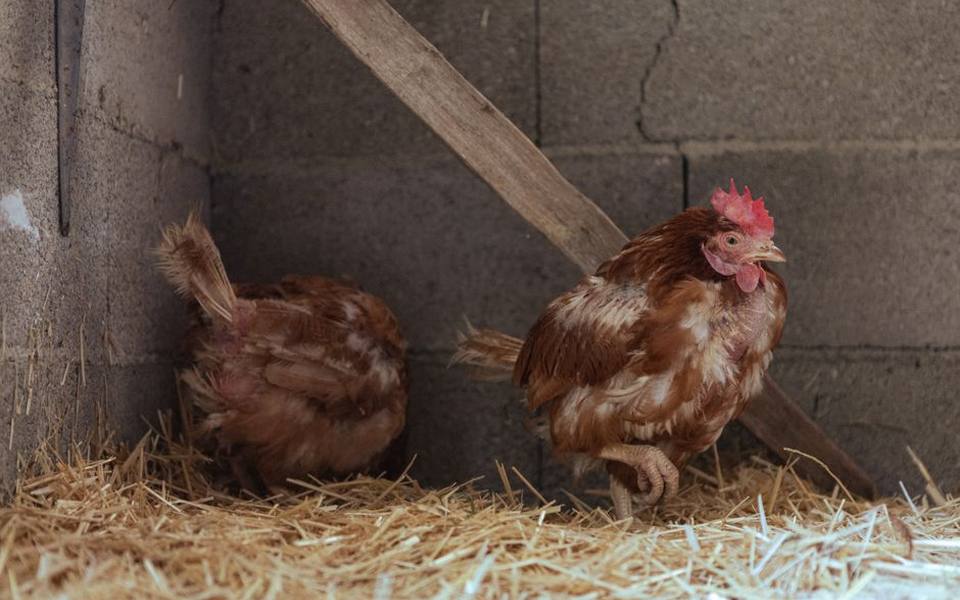
Internal endoparasites, including roundworms, cecal worms, capillary worms, and coccidial protozoa, reside within the mucosal lining of the gastrointestinal system. Coccidiosis, caused by host-specific Eimeria species, poses an acute threat to young pullets and ducklings, causing bloody diarrhea, mucosal sloughing, and rapid dehydration. Veterinary diagnostic evaluations involve performing quantitative fecal egg counts to identify exact parasite loads before prescribing targeted anthelmintics, avoiding the development of drug-resistant parasite strains.
Maintaining strict biosecurity protocols forms the ultimate defensive wall against both parasites and highly contagious viral pathogens. Wild waterfowl and songbirds naturally carry avian influenza and exotic Newcastle disease, which can decimate domestic flocks. Simple containment measures, such as covering outdoor runs with solid roofing, elevating feed stations to deter rodents, and changing footwear before entering the coop, drastically reduce pathogen transmission pathways between wild vectors and your backyard flock.
Preparing for Your Poultry Veterinary Examination
Transporting a sick bird to a veterinary hospital requires thoughtful preparation to minimize thermal and psychological stress. Chickens and ducks are easily overwhelmed by unfamiliar sensory environments, high-stress dog waiting rooms, and sudden changes in temperature. A secure, well-ventilated plastic dog carrier lined with clean, non-slip terrycloth towels or puppy training pads provides a dark, secure environment that keeps birds calm throughout travel.
Before departing for the clinic, assemble a detailed husbandry record for your veterinary team. Note the exact commercial feed brand, daily treats, coop substrate, water source, and any recent additions to the flock. Collect a fresh fecal sample produced the morning of the exam, placing it into a clean, sealed plastic bag. Fresh droppings allow the technician to perform an immediate direct smear and fecal flotation to screen for shedding parasites and abnormal bacterial blooms.
If you are caring for a larger flock, consider whether bringing a companion bird along will reduce the patient's acute anxiety. Flocks thrive on social cohesion, and an isolated hen often relaxes significantly when accompanied by a calm flock-mate during travel. Navigating health emergencies becomes significantly more manageable when you utilize comprehensive national veterinary networks like ExoticVetAtlas to map out local clinics with active avian capabilities well before a health crisis strikes your coop.
Published 2026-09-21 · reviewed with each rebuild, last September 2026.
Find exotic pet vets near you
The directory lists 3,226 exotic pet vets by state and city — pick your state or use the “Near me” button in the header.
More guides
-
 Owning
What Are Amphibians? A Complete Guide to Amphibians as Exotic Pets
-
 Money
MoneyHow to Find Affordable and Emergency Vet Care for Exotic Pets
-
 Money
MoneyHow Much Does a Parrot Cost? Complete Exotic Bird and Pet Care Price Guide
-
 Owning
Can You Keep a Capybara as a Pet? Legality, Care, and Diet Requirements
-
 Owning
How to Treat and Get Rid of Snake Mites Safely
-
 Owning
Keeping Exotic Mammals: Can You Have a Fennec Fox or Kinkajou as a Pet?
-
 Money
MoneyLow-Cost Rabbit Neutering: What to Expect and How to Find Affordable Care
-
 Owning
What Is an Avian Pet? A Guide to Bird Care and Specialized Veterinary Medicine
-
 Service
How to Find and Choose the Right Exotic Pet Veterinarian
-
 Owning
Swim Bladder Disease in Aquarium Fish: Causes, Symptoms, and Treatment
-
Owning
How to Identify and Treat Mites and Skin Parasites in Reptiles, Snakes, and Rabbits
-
Safety
Rabbit GI Stasis Guide: Symptoms, Emergency Care, and Prevention
-
 Owning
Bearded Dragon Health Guide: Brumation, Impaction, Fungus, and Skin Issues
-
 Safety
Hamster Wet Tail Disease: Causes, Symptoms, Treatment, and Prevention
-
 Owning
Clinical Care Guide: Common Illnesses in Ferrets, Pythons, and Rabbits
-
Owning
Sugar Glider Diet and Feeding Guide: BML, TPG, and Nutritional Balance
-
Owning
Bird Grooming Guide: Wing Trimming, Beak Care, and Nail Maintenance
-
 Money
MoneyExotic Pet Insurance and Vet Costs: What Is Covered and Is It Worth It?
-
 Owning
Legal Exotic Pets and Ownership Laws: Permits, Licenses, and State Regulations
-
Owning
Bird Feather Plucking and PBFD: Causes, Symptoms, and Diagnostic Steps
-
 Service
Psittacine Health and Avian Veterinary Care Guide
-
 Service
How to Find and Evaluate Exotic Pet Clinics, Specialists, and Emergency Care
-
 Owning
Clinical Guide to Reptile Shell Disorders, Shedding Complications, and Impaction
-
 Owning
Small Mammal Healthcare: Managing Chronic Illness and Emergencies
-
 Safety
Avian Egg Binding and Yolk Peritonitis: Emergency Care and Clinical Protocols
-
 Owning
Bird Grooming, Wing Maintenance, and Early Illness Signs
-
 Buying
Exotic Pet Ownership: Legal Rules, Realistic Costs, and Beginner Options
-
 Service
Aquatic Medicine: Treating Swim Bladder and Fish Infections
-
 Money
MoneyRabbit Spay, Neuter, and Vaccination Costs: Complete Veterinary Guide
-
 Owning
Understanding Amphibians: Characteristics, Classification, and Pet Care Basics
-
 Owning
Bearded Dragon Brumation and Metabolic Bone Disease: Signs, Causes, and Care
-
 Buying
Parrot Ownership Guide: Prices, Types, and Avian Basics
-
 Owning
Complete Guide to Snake Mite Treatment: Products, Safe Sprays, and Vet Care
-
 Money
MoneyRabbit Spay and Neuter Costs: Vaccinations and Low-Cost Vet Options
-
 Owning
What Are Amphibians? Traits, Classification, and Pet Care Basics
-
 Owning
How to Get an Exotic Pet License: Legal Permits and Animal Ownership Laws
-
 Owning
Reptile Health Guide: Bearded Dragon Brumation, Metabolic Bone Disease, and Snake Mite Control
-
 Money
MoneyRabbit Spay, Neuter, and Vaccination Costs: Low-Cost Vet Guide
-
 Money
MoneyHow Much Does an Exotic Vet Cost? Emergency, Routine, and In-Home Care Guide