The Fundamentals of Bird Grooming and Safe Handling
Routine bird grooming centers on three areas: feather management, nail trimming, and monitoring beak growth. Unlike dogs or cats, birds are fragile prey animals with unique respiratory systems and hollow bones, meaning improper physical restraint or aggressive trimming can cause severe physiological stress or fatal injuries. Before picking up clippers or scissors, every bird owner must understand that maintenance grooming is intended to support health and prevent domestic accidents, not alter a bird's natural anatomy for convenience.
Proper handling requires gentle, secure restraint using a lightweight cotton towel rather than bare hands. A bird's respiratory system relies on the movement of its keel bone to inflate its air sacs because avian species lack a muscular diaphragm. If you compress a bird's chest tightly while attempting a manicure or feather inspection, the bird can suffocate within seconds. Experienced handlers use the towel to stabilize the head and isolate limbs while leaving the sternum completely unhindered.
Preparation is essential before initiating any grooming session at home. Always assemble clean towel wraps, sharp professional clippers, a non-aspirin styptic powder or cornstarch to control bleeding, and good task lighting in a quiet room with closed doors and covered windows. If an owner feels nervous, the bird will perceive that anxiety immediately, which increases heart rate and agitation. When in doubt, consulting an experienced clinician at an avian vet clinic remains the safest initial step.
Understanding Avian Flight Feather Trimming
Feather management, commonly called wing trimming, is intended to limit rapid upward lift while still permitting controlled, downward gliding. The goal is never to render a companion bird entirely flightless or cause it to drop like a stone onto hard floors, which frequently leads to ruptured air sacs, broken keel bones, or fractured legs. A conservative, symmetrical modification of primary flight feathers allows the animal to land safely if startled while preventing escapes out open doorways.
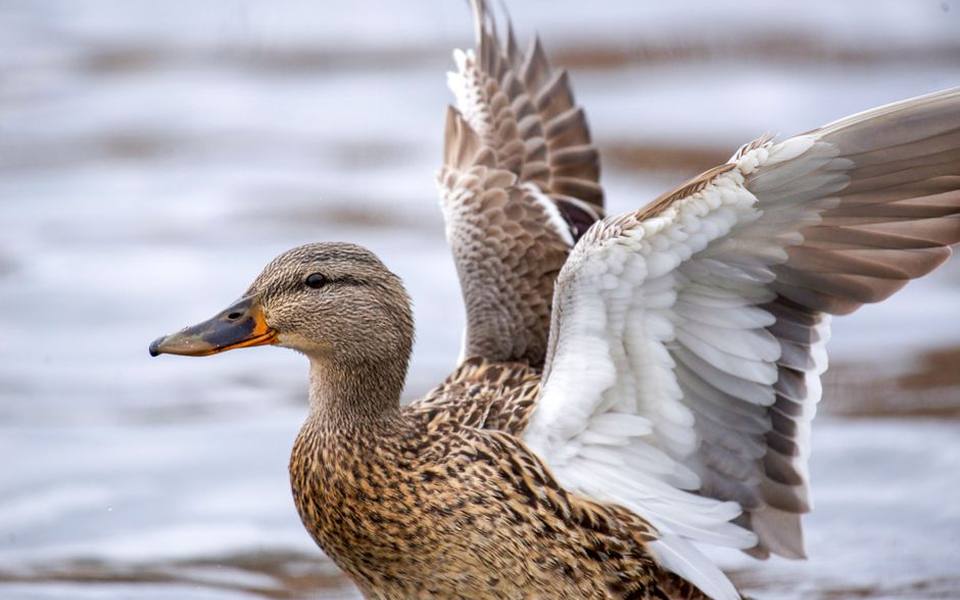
Avian anatomy dictates precise feather selection during any procedure. Flight feathers are divided into outer primary feathers, which generate forward propulsion and lift, and inner secondary feathers, which sit closer to the body along the forearm. Safe wing feather reduction focuses exclusively on the outer primary feathers, trimming them cleanly beneath the line of the major covert feathers. Trimming secondary feathers compromises the bird's balance and aerodynamic parachute, drastically increasing injury risks during falls.
Before making a single cut, an owner must inspect each feather shaft for blood flow. Growing feathers, known as blood or pin feathers, carry an active arterial blood supply encased in a dark keratin sheath. Cutting into a blood feather triggers continuous, heavy bleeding that does not clot easily on its own. If you encounter any sheath that looks purple, blue, or dark red near the base, leave that feather and its neighboring stabilizing feathers entirely untouched.
Step-by-Step Techniques for Parrots and Cockatiels
Trimming flight feathers on small to medium companion birds like cockatiels and parakeets requires a conservative approach due to their lightweight frames. For cockatiels, trimming four to six outer primary feathers on each wing typically provides adequate lift reduction while preserving steady downward glide paths. Trimming only one wing creates a dangerous aerodynamic imbalance that causes the bird to spiral out of control and crash into walls or furniture during panic flights.
To manage a cockatiel safely, wrap the bird gently in a clean towel, holding the back of the head firmly with your thumb and forefinger around the lower jawbone. Extend one wing smoothly outward along its natural angle of motion without forcing the elbow joint. Carefully separate the primary feathers from the secondary flight group. Use small, sharp surgical shears to cut each selected primary feather straight across, just below the overlapping edge of the upper covert feathers.
After finishing both wings symmetrically, test the bird's flight capability in a safe, carpeted room at ground level. Gently toss the bird a few inches upward over a soft bed or sofa to evaluate its glide slope. If the bird drops heavily, too many feathers were removed; if it gains rapid altitude toward the ceiling, one additional primary feather on each side may require neat shortening. Feathers will naturally molt and regrow over several months, requiring periodic reassessment.
Wing Management for Backyard Chickens and Waterfowl
Managing backyard flock flight dynamics differs fundamentally from companion parrot grooming. Chicken owners often find that lightweight Mediterranean breeds, young pullets, and active bantams clear four-foot to six-foot boundary fences with ease. Unlike companion parrots who need balanced flight mechanics for indoor safety, backyard chickens are typically trimmed on only one wing. This deliberate asymmetry prevents the hen from generating uniform aerodynamic lift, causing her to tilt harmlessly back to the ground inside the run.
When clipping a chicken's wing, locate the ten primary flight feathers situated at the tip of the extended wing. Using sharp utility or poultry shears, trim these primary feathers roughly halfway down the quill, well below the overlying covert feathers. Leaving the secondary feathers untouched protects the bird's thermal insulation and natural water-shedding profile while roosting or resting in damp conditions outside.
Domestic waterfowl like ducks and geese require careful species-specific consideration. Heavy meat breeds like Pekins or Rouens cannot gain flight altitude due to body mass, making feather trimming completely unnecessary. However, lighter domestic ducks like Mallards, Calls, and runners possess strong flight abilities. If you need to clip duck wings to keep them safe from perimeter hazards or predators, trim the first ten primaries on one wing similarly to poultry, taking great care to keep water birds dry until cut shafts seal completely.
Always monitor local weather and seasonal molting cycles when managing outdoor flocks. Backyard fowl shed their old feathers annually, typically in late summer or autumn, replacing clipped shafts with fresh, blood-filled quills that soon restore full flight capacity. Never clip outdoor birds right before bitter winter cold sets in, as dense feather layers serve as primary defense mechanisms against hypothermia, wind chill, and driving rain.
Managing Avian Nails and Talons Safely
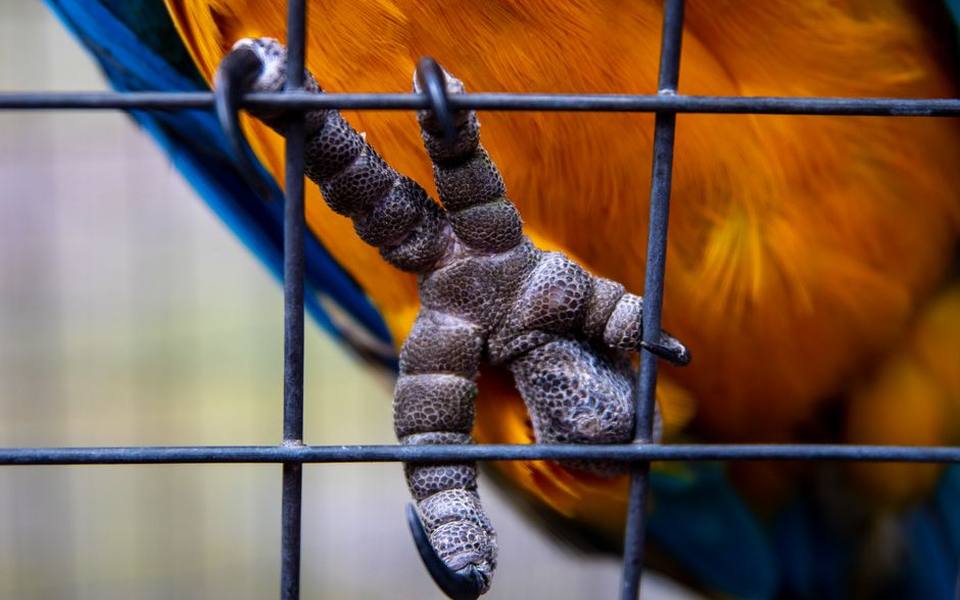
Overgrown bird nails create significant functional hazards inside enclosures and living areas. When claws grow excessively long or curved, birds can snag toes on cage bars, rope toys, or fabric perches, frequently suffering dislocated joints, broken toes, or torn skin. Furthermore, abnormal nail curvature prevents bird feet from wrapping naturally around branches, leading to improper weight distribution, plantar pressure ulcers, and chronic bumblefoot.
Avian claw structures consist of an external keratin sheath surrounding an inner vascular core known as the quick. In birds with pale or translucent nails, like many canaries and cockatiels, the pink quick is easily visible under direct backlighting. In species with dark or black claws, identifying the blood line is impossible from the exterior, requiring owners to make very gradual, millimeter-by-millimeter cuts from the claw tip rather than aggressive single trims.
Use dedicated pet claw trimmers, human cuticle nippers, or an electric rotary nail grinder with an emery drum. Secure the bird in a towel wrap, expose one foot, and isolate an individual toe between your fingers to prevent sudden movement. Angle the cut slightly downward so the trimmed edge sits flat against perches. Keep styptic compound within arm's reach; if you nick the quick, immediate firm pressure with styptic powder halts the blood flow within moments.
Routine nail trims can often be spaced farther apart by using varied perch diameters inside the cage. Natural hardwood branches like manzanita, eucalyptus, or ribbonwood encourage healthy claw wear and foot muscle exercise. Rough cement conditioning perches can help maintain sharp tips, but they must always be placed where the bird perches only occasionally, rather than on the highest sleeping spot where abrasive surfaces cause painful foot sores.
Beak Care: Natural Wear Versus Pathological Overgrowth
A healthy bird beak is an active, dynamic organ composed of a bony core covered by a tough, growing layer of keratin called the rhamphotheca. Under ordinary conditions, healthy hookbills and softbills naturally maintain their own beaks through daily activities including eating hard seeds and pellets, gnawing on untreated wood, rubbing against mineral blocks, and self-grooming. A normal bird rarely requires artificial beak reshaping unless underlying medical issues interfere with daily wear.
When an owner observes an abnormally long, crossed, flaky, or overgrown beak, it almost always signals an underlying systemic disease rather than a simple cosmetic flaw. In companion birds like parakeets and cockatiels, excessive beak growth frequently stems from hepatic lipidosis (fatty liver disease), malnutrition caused by all-seed diets, past mechanical trauma, viral infections, or internal parasites like *Cnemidocoptes* scaly face mites.
Because the beak contains extensive blood supplies, delicate nerve endings, and sensory receptors, routine at-home beak trimming should never be attempted with standard clippers or files. Inappropriate clipping can easily crack the bill down into the vascular bone, resulting in excruciating pain, debilitating blood loss, and lifelong inability to grasp food. Evaluating abnormal growth requires professional diagnostic care from an established veterinary hospital.
Specialized Beak Considerations for Parakeets and Small Hookbills
Budgerigars, commonly referred to as parakeets, are among the most frequent avian patients presenting with beak deformities. A common misconception among new owners is that an overgrown parakeet beak can be quickly snipped off at home with human toenail clippers. Using bladed cutters on small hookbill beaks creates sudden crushing forces that shatter the fragile keratin structure, causing structural damage that prevents normal feeding.
When dealing with parakeet beak abnormalities, veterinary practitioners utilize high-speed dental handpieces or micro-rotary grinding burs to carefully sand down excess keratin layers. This method eliminates concussive shock waves and allows the practitioner to restore the natural physiological occlusion step by step. Throughout the corrective grinding, cold water mist or frequent pauses prevent thermal friction burns on sensitive inner germinal tissues.
In parakeets, scaly face mites are a leading cause of honeycomb-textured, crusty, and rapidly elongating beaks. Treating the underlying parasitic infestation with appropriate antiparasitic spot-on medications prescribed by a qualified vet resolves the primary trigger. Once parasites are eradicated and proper nutritional balances restored, the beak often resumes normal self-wearing function without requiring repeated physical interventions.
Grooming Emergencies and First Aid Protocols
Even during careful grooming sessions, accidents can occur. The two most common avian grooming emergencies are severed blood feathers and clipped nail quicks. Because birds have low total circulating blood volumes—roughly ten percent of their body weight, of which only a small fraction can be lost safely—uncontrolled bleeding demands immediate, methodical intervention rather than panic.
If a nail is cut too short and begins to bleed, instantly pack dry styptic powder, cornstarch, or clean flour against the bleeding tip using firm, constant finger pressure for sixty seconds. Avoid wiping the claw repeatedly, as wiping dislodges the fragile primary clot forming at the vascular opening. Keep the bird calm and wrapped in the towel until the bleeding ceases completely, then monitor foot activity inside the cage.
A broken or partially cut blood feather represents a far more serious hazard because feather quills function like rigid open pipes. Topical styptic powders rarely stop arterial bleeding inside an open quill shaft. The only effective resolution is complete removal of the damaged shaft: grasp the base of the broken feather firmly with needle-nose pliers or hemostats right at skin level, support the wing bone firmly with your other hand, and pull straight out along the natural direction of growth. Apply direct pressure to the empty follicle until clotting is confirmed.
Environmental Enrichment That Reduces Grooming Needs
Providing an enriched physical environment drastically lowers the frequency of invasive grooming sessions for pet birds. In the wild, birds spend hours daily foraging, stripping bark from branches, climbing diverse cliff faces, and wearing down keratin surfaces naturally. Captive birds confined to plastic perches and fed soft, uniform diets inevitably develop overgrown claws and unconditioned beaks due to lack of physical resistance.

Introduce an assortment of natural wood perches with differing textures, curves, and diameters throughout the cage. Woods like dragonwood, bottlebrush, and ash challenge the toes, exercise different muscle groups, and naturally grind down nail tips evenly across all digits. Avoid uniform dowel perches, which force the bird's foot pads into the exact same pressure points around the clock, causing joint stiffness and claw elongation.
Destructible foraging toys are equally vital for natural beak conditioning. Untreated pine blocks, balsa chew items, woven palm ribbons, natural loofah, and whole nuts in shell provide excellent mechanical resistance for hookbill beaks. Offering fresh green branches from non-toxic trees encourages birds to strip bark and chew fibrous wood, keeping the rhamphotheca naturally smooth, conditioned, and properly aligned without artificial veterinary trimming.
When to Rely on Professional Avian Veterinary Services
While routine claw touching or conservative wing maintenance can be handled at home by experienced keepers, recognizing personal limits is critical for bird welfare. If a bird displays severe panic responses, pants heavily, becomes limp, or shows blue discoloration around bare facial skin during handling, grooming must stop immediately. Owners encountering behavioral resistance or physical complications should seek assistance from exotic pet clinics.
Beak adjustments should universally remain in the hands of trained medical teams. Because beak overgrowths regularly point toward systemic organ imbalances like metabolic bone disease or liver dysfunction, a thorough physical exam, blood biochemistry panel, and dietary assessment are essential alongside mechanical grinding. A professional clinician can identify the root source of overgrowth rather than merely masking chronic symptoms.
Owners across the country can locate experienced practitioners through comprehensive directories covering all regions at ExoticVetAtlas. Professional staff possess specialized restraint equipment, anesthetic safety margins, diagnostic blood panels, and sterile grinding instruments necessary to conduct grooming safely, protecting your avian companion from physical stress and preventable injuries.
Published 2026-09-21 · reviewed with each rebuild, last September 2026.
Find exotic pet vets near you
The directory lists 3,226 exotic pet vets by state and city — pick your state or use the “Near me” button in the header.
More guides
-
 Owning
What Are Amphibians? A Complete Guide to Amphibians as Exotic Pets
-
 Money
MoneyHow to Find Affordable and Emergency Vet Care for Exotic Pets
-
 Money
MoneyHow Much Does a Parrot Cost? Complete Exotic Bird and Pet Care Price Guide
-
 Owning
Can You Keep a Capybara as a Pet? Legality, Care, and Diet Requirements
-
 Owning
How to Treat and Get Rid of Snake Mites Safely
-
 Owning
Keeping Exotic Mammals: Can You Have a Fennec Fox or Kinkajou as a Pet?
-
 Money
MoneyLow-Cost Rabbit Neutering: What to Expect and How to Find Affordable Care
-
 Owning
What Is an Avian Pet? A Guide to Bird Care and Specialized Veterinary Medicine
-
 Service
How to Find and Choose the Right Exotic Pet Veterinarian
-
 Owning
Swim Bladder Disease in Aquarium Fish: Causes, Symptoms, and Treatment
-
Owning
How to Identify and Treat Mites and Skin Parasites in Reptiles, Snakes, and Rabbits
-
Safety
Rabbit GI Stasis Guide: Symptoms, Emergency Care, and Prevention
-
 Owning
Bearded Dragon Health Guide: Brumation, Impaction, Fungus, and Skin Issues
-
 Safety
Hamster Wet Tail Disease: Causes, Symptoms, Treatment, and Prevention
-
 Owning
Clinical Care Guide: Common Illnesses in Ferrets, Pythons, and Rabbits
-
Owning
Sugar Glider Diet and Feeding Guide: BML, TPG, and Nutritional Balance
-
 Money
MoneyExotic Pet Insurance and Vet Costs: What Is Covered and Is It Worth It?
-
 Owning
Legal Exotic Pets and Ownership Laws: Permits, Licenses, and State Regulations
-
Owning
Bird Feather Plucking and PBFD: Causes, Symptoms, and Diagnostic Steps
-
 Service
Psittacine Health and Avian Veterinary Care Guide
-
 Service
How to Find and Evaluate Exotic Pet Clinics, Specialists, and Emergency Care
-
 Owning
Clinical Guide to Reptile Shell Disorders, Shedding Complications, and Impaction
-
 Owning
Small Mammal Healthcare: Managing Chronic Illness and Emergencies
-
 Safety
Avian Egg Binding and Yolk Peritonitis: Emergency Care and Clinical Protocols
-
 Owning
Bird Grooming, Wing Maintenance, and Early Illness Signs
-
 Service
Backyard Poultry and Waterfowl Veterinary Care Guide
-
 Buying
Exotic Pet Ownership: Legal Rules, Realistic Costs, and Beginner Options
-
 Service
Aquatic Medicine: Treating Swim Bladder and Fish Infections
-
 Money
MoneyRabbit Spay, Neuter, and Vaccination Costs: Complete Veterinary Guide
-
 Owning
Understanding Amphibians: Characteristics, Classification, and Pet Care Basics
-
 Owning
Bearded Dragon Brumation and Metabolic Bone Disease: Signs, Causes, and Care
-
 Buying
Parrot Ownership Guide: Prices, Types, and Avian Basics
-
 Owning
Complete Guide to Snake Mite Treatment: Products, Safe Sprays, and Vet Care
-
 Money
MoneyRabbit Spay and Neuter Costs: Vaccinations and Low-Cost Vet Options
-
 Owning
What Are Amphibians? Traits, Classification, and Pet Care Basics
-
 Owning
How to Get an Exotic Pet License: Legal Permits and Animal Ownership Laws
-
 Owning
Reptile Health Guide: Bearded Dragon Brumation, Metabolic Bone Disease, and Snake Mite Control
-
 Money
MoneyRabbit Spay, Neuter, and Vaccination Costs: Low-Cost Vet Guide
-
 Money
MoneyHow Much Does an Exotic Vet Cost? Emergency, Routine, and In-Home Care Guide