The Biological Demands of Feeding Captive Gliders
Sugar gliders cannot survive on commercial dry kibble or simple seed mixtures sold in general retail pet stores. In their native habitats across Australia and Indonesia, these small arboreal marsupials are classified as seasonal exudivores and insectivores. During warmer months, their natural intake consists primarily of live insects, spiders, and small invertebrates, which provide animal protein and lipids. As winter approaches and insect activity wanes, gliders switch their feeding behavior toward plant exudates, licking acacia gum, eucalyptus sap, nectar, and sweet lerp coatings left behind by sap-sucking insects.
Replicating this dynamic nutritional profile at home requires a structured, multi-component feeding protocol rather than casual free-choice snacking. Captive gliders face specific metabolic vulnerabilities, particularly regarding liver processing, dental wear, and mineral absorption. Because their wild ancestors burn tremendous caloric energy foraging through tree canopies, an inappropriate pet feeding plan quickly leads to systemic obesity, cataracts, hepatic lipidosis, and irreversible calcium leaching from internal skeletal structures.
A healthy captive meal plan always includes a scientifically tested liquid or semi-liquid staple mix that supplies protein and binders, accompanied by portioned vegetables and modest fruit offerings. Keepers must approach feeding with kitchen scales and measured spoons rather than loose hand-scattered portions. A steady balance of essential amino acids, controlled dietary fats, and calibrated trace elements forms the only proven defense against chronic metabolic decline over an animal's ten- to fifteen-year lifespan.
Understanding Bourbon's Modified Leadbeater's Diet
Bourbon's Modified Leadbeater's diet, universally known among experienced keepers as BML, remains one of the oldest and most strictly formulated captive feeding plans in the community. Developed to modernize historical zoo diets, BML creates a nutrient-dense, spoonable slurry containing honey, pure calcium carbonate, human baby cereal, blended raw eggs, and specified vitamin additives. When prepared correctly and frozen in standard ice cube trays, it supplies an exact concentration of bioavailable proteins and micro-nutrients formulated to offset natural deficiencies in standard produce.
The fundamental rule of feeding BML is absolute adherence to the tested recipe without substitutions. Caregivers often make the mistake of replacing required liquid multivitamin preparations with generic powders, swapping out fortified cereals, or choosing calcium formulas that include excessive vitamin D3 or phosphorus. Modifying any single element in the slurry base throws off the calculated mineral balance, converting a protective meal plan into a trigger for kidney stress or severe soft-tissue calcification.
Each adult glider on this plan receives approximately one tablespoon of the thawed BML paste nightly, placed inside a shallow ceramic dish just before evening wakefulness. Leftover portions must be discarded the following morning without exception, as honey and egg mixtures harbor rapid bacterial proliferation under room temperature. The simplicity of preparation—blending a large batch every few months and freezing daily servings—makes BML a dependable baseline for both novice and experienced owners.
Daily Serving Rhythms and Produce Pairings for BML
A staple paste like BML cannot be fed in isolation; it functions as half of a daily paired feeding system. Alongside the nightly tablespoon of paste, each glider requires one tablespoon of fresh or frozen vegetables and one tablespoon of selected fruits. However, because BML contains a very specific calcium-to-phosphorus foundation, the produce provided alongside it must strictly align with an approved low-phosphorus list to keep the overall intake balanced.
Approved vegetables for this specific protocol typically include green beans, snap peas, frozen mixed vegetables without lima beans, corn, and modest quantities of carrots. On the fruit side, owners generally serve thawed berries, apples, pitted cherries, or melons. Offering unauthorized high-phosphorus items like excessive bananas, grapes, or unapproved greens will systematically neutralize the calcium supplemented within the paste, eroding the protective value that makes the diet reliable in the first place.
Feeding times should always match the crepuscular and nocturnal rhythm of your animals. Placing fresh plates into the enclosure around dusk ensures that the glider consumes the food when it is most appetizing and chemically stable. If you leave dishes out during daytime hours while gliders sleep in their hanging pouches, juices dry out, nutrients oxidize, and fruit flies can invade the cage habitat before nocturnal foraging begins.
The Pet Glider Nutritional Protocol
The Pet Glider diet, widely abbreviated as TPG, presents a popular alternative that incorporates fresh protein and whole produce directly into the primary meal blend. Unlike plans that feed a base puree with whole vegetables served on the side, TPG blends finely pureed poultry, cooked eggs, multiple fresh fruits, and raw vegetables into a uniform daily mash. A specialized, commercially available multivitamin and mineral powder is sprinkled directly onto the portion immediately before serving each evening.
A primary appeal of the TPG method lies in preventing selective eating, which is a frequent challenge with curious marsupials. Gliders are notorious for digging through food dishes to extract sweet sugary fruits while leaving nutrient-dense greens and protein morsels behind. By pureeing vegetables, fruit, turkey, and unsweetened applesauce together into a cohesive texture, owners ensure that every lick delivers an identical ratio of vitamins, fiber, and animal protein to each animal in the colony.
Consistency in the daily vitamin top-dress is critical when using TPG. The blended food mash itself intentionally lacks complete micronutrient fortification because vitamins degrade rapidly when mixed into moist bases and held in home freezers for extended periods. Keepers must measure the precise dry daily dosage per glider onto the thawed paste at serving time, ensuring the animals receive active, unoxidized minerals without settling or degradation.
Evaluating Practical Differences Between Major Plans
Choosing between established diets like BML and TPG often comes down to owner lifestyle, local grocery sourcing, and individual glider health requirements. BML requires zero guesswork regarding vitamin powders because its ingredients—such as specific infant cereals and fruit juices—are widely available at common American grocery stores. Its strict produce list removes subjective decisions, which shields newcomers from accidentally upsetting mineral levels with well-intentioned grocery choices.
Conversely, TPG offers broad produce variety, allowing keepers to rotate seasonal produce such as collards, papaya, bok choy, and kale within the foundational blend. This variety mirrors natural foraging textures and accommodates gliders that show behavioral disinterest toward repetitive daily menus. However, relying on a dedicated vitamin powder from a specialized distributor means that owners must plan inventory carefully, as letting the supplement run out leaves the entire meal plan functionally incomplete.
Under no circumstances should an owner attempt to combine elements of both diets simultaneously, such as dusting BML sides with TPG mineral powders. Each system has been independently calculated for mineral bioavailability. Combining independent feeding formulas creates erratic spikes in calcium, trace minerals, and lipid intake, which overtaxes your animal's internal organs and invalidates the safety profile of both protocols.
The Calcium-Phosphorus Ratio and Skeletal Fragility
The single most prevalent dietary emergency encountered by veterinary staff caring for small marsupials is Nutritional Secondary Hyperparathyroidism, commonly referred to as Metabolic Bone Disease or MBD. Sugar gliders have an exceptionally high metabolic demand for bioavailable calcium. If their daily intake fails to maintain an approximate two-to-one ratio of calcium to phosphorus, their parathyroid gland triggers physiological survival mechanisms, extracting calcium ions straight out of their skeletal framework to maintain vital cardiac and neuromuscular functions.
Over weeks or months of an unbalanced diet, bone density deteriorates dramatically. Early signs include subtle rear-leg trembling, awkward climbing mechanics, and reluctance to glide or jump between enclosure branches. Without immediate intervention by licensed practitioners in small-mammal care, the disease progresses rapidly to hind-limb paralysis, spontaneous bone fractures from gentle handling, and fatal seizures caused by systemic hypocalcemia.
Treating established metabolic decline is medically demanding and emotionally taxing for families. Vets must administer injectable calcium, stabilize damaged joints, and provide intensive fluid therapy, yet permanent spinal deformities often remain. Preventing this devastating trajectory costs very little: it simply requires ditching unverified internet recipes and committing completely to an established, balanced feeding method from day one.
Foods That Threaten Sugar Glider Health
A wide array of ordinary household foods poses immediate toxic or obstructive threats to sugar gliders due to their delicate digestive physiology. All members of the allium family—including onions, garlic, chives, and leeks—contain organosulfur compounds that cause oxidative breakdown of red blood cells, precipitating life-threatening hemolytic anemia. Similarly, chocolate, caffeine, and products containing artificial sweeteners like xylitol must never enter the animal's space under any circumstances.
Pit and seed safety is another urgent consideration during nightly kitchen preparation. Fruits such as peaches, cherries, plums, and apples contain cyanogenic glycosides in their hard seeds and interior pits, which release toxic hydrogen cyanide during mechanical digestion. Furthermore, because gliders cannot process hard fibrous husks easily, unremoved apple seeds or cherry pits present a severe risk of intestinal impaction within their minuscule digestive tracts.
High-fat dairy products, raw meats, and salted processed snacks are equally hazardous. While small gliders readily consume high-fat foods due to instinctual calorie drives, regular access to nuts, seeds, and cheese leads to rapid arterial plaque buildup, intestinal distress, and chronic diarrhea. Diets rich in unrefined plant fats also hinder normal calcium absorption across the intestinal lining, indirectly exacerbating bone weakening even when mineral supplements are present.
Upfront Animal Bargains and Long-Term Nutritional Realities
Prospective owners frequently search for discount avenues to acquire these charming marsupials, hunting for the most affordable deals on private classified boards. However, acquiring an animal from backyard breeding sources or unvetted surrender ads often transfers severe underlying nutritional deficits directly to the buyer. Bargain animals have almost invariably spent their formative months consuming budget parakeet seed mixes, corn pellets, and table scraps from breeders unwilling to invest in proper protein staples.
When an owner brings home a glider that has endured months of nutritional neglect, the financial savings of a cheap purchase disappear immediately. Initial wellness visits, baseline blood profiles, and fecal parasite diagnostics conducted by clinics offering exotic pet medical care typically range from two hundred to several hundred dollars per animal depending on state and clinic structure. Correcting soft bones or parasitic gut overgrowth quickly eclipses any initial purchase discounts.
Beyond upfront medical triage, the routine monthly expense of high-grade poultry, pure honey, certified supplements, fresh organic produce, and live feeder insects must be factored into ownership feasibility. Responsible husbandry means providing for an entire colony—since gliders are deeply social and must never live in total isolation—which doubles or triples recurring food prep expenses. True affordability lies in sustainable preventative care rather than cutting corners on initial animal adoption costs.
Feeder Insects, Hydration, and Natural Enrichment
Live feeder insects serve as valuable physical enrichment and primary hunting stimulation for nocturnal gliders, but they must be administered with disciplined portion control. Insects like black soldier fly larvae, gut-loaded crickets, and occasional mealworms provide healthy behavioral stimulation and varied texture. However, popular insects like waxworms and giant mealworms possess unfavorable calcium-to-phosphorus balances alongside excessive lipid content, meaning they should function strictly as occasional hand-fed training rewards rather than staple meals.
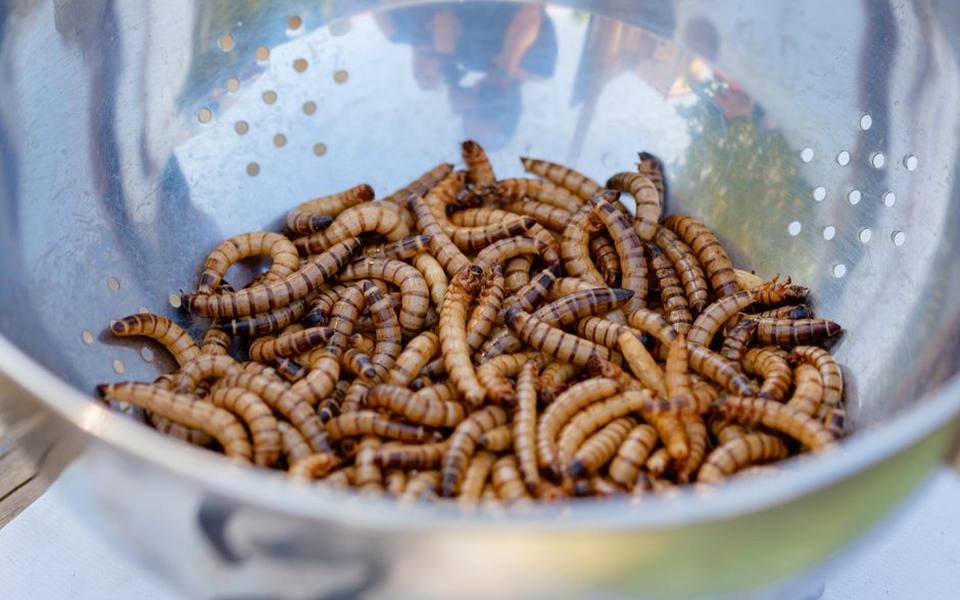
Gut-loading live prey for twenty-four to forty-eight hours before feeding is an indispensable step. Insects should feed on calcium-fortified commercial gut-load matrices or nutrient-rich greens like collards and sweet potato slices so their digestive tracts deliver trace vitamins to the glider. Offering raw, pet-store insects straight out of standard wood-shaving bedding delivers virtually no supplemental value and can load the animal's gut with empty, indigestible chitin shells.
Hydration is just as vital as solid nutrition for animals that process concentrated honey purees. Sugar gliders obtain significant moisture through fresh nightly fruits, but they must also enjoy uninterrupted access to clean water through heavy ceramic crocks or gravity-fed inverted water bottles. Water lines must be inspected and sanitized daily, as curious gliders frequently push bedding, fruit bits, or sticky debris up into dispensing nozzles, blocking essential flow.
Tracking Weight Trends and Establishing Veterinary Care
Because gliders naturally disguise physical illness until clinical weakness becomes severe, a digital gram scale is the most crucial piece of monitoring equipment in your home. Weighing each animal once weekly during daytime rest—by placing them gently inside a breathable fabric pouch and subtracting the tare weight—gives you real-time insight into nutritional efficacy. A sustained weight reduction of even five to ten grams indicates rapid dehydration, dental disease, or intestinal maladsorption requiring prompt investigation.
Consistent nutritional maintenance also reflects in visual physical traits. A well-nourished glider exhibits bright, bulging black eyes without cloudiness, a dense and lustrous fur coat without patchy baldness or crimping, and clear patagium flight membranes free of scabs. Normal droppings should be firm, dark, and oval-shaped; loose, yellowish, or foul-smelling stools point toward improper sugar fermentation in the intestines or potential bacterial overgrowth.
Before bringing gliders into your household, identify an experienced veterinary practitioner within your region who regularly treats exotic wildlife. Whether you are consulting veterinary resources across local networks or seeking specialized care in major metropolitan areas, having established medical support ensures you receive accurate diagnostic guidance whenever appetite fluctuations, dental issues, or digestive disruptions emerge.
Published 2026-09-21 · reviewed with each rebuild, last September 2026.
Find exotic pet vets near you
The directory lists 3,226 exotic pet vets by state and city — pick your state or use the “Near me” button in the header.
More guides
-
 Owning
What Are Amphibians? A Complete Guide to Amphibians as Exotic Pets
-
 Money
MoneyHow to Find Affordable and Emergency Vet Care for Exotic Pets
-
 Money
MoneyHow Much Does a Parrot Cost? Complete Exotic Bird and Pet Care Price Guide
-
 Owning
Can You Keep a Capybara as a Pet? Legality, Care, and Diet Requirements
-
 Owning
How to Treat and Get Rid of Snake Mites Safely
-
 Owning
Keeping Exotic Mammals: Can You Have a Fennec Fox or Kinkajou as a Pet?
-
 Money
MoneyLow-Cost Rabbit Neutering: What to Expect and How to Find Affordable Care
-
 Owning
What Is an Avian Pet? A Guide to Bird Care and Specialized Veterinary Medicine
-
 Service
How to Find and Choose the Right Exotic Pet Veterinarian
-
 Owning
Swim Bladder Disease in Aquarium Fish: Causes, Symptoms, and Treatment
-
Owning
How to Identify and Treat Mites and Skin Parasites in Reptiles, Snakes, and Rabbits
-
Safety
Rabbit GI Stasis Guide: Symptoms, Emergency Care, and Prevention
-
 Owning
Bearded Dragon Health Guide: Brumation, Impaction, Fungus, and Skin Issues
-
 Safety
Hamster Wet Tail Disease: Causes, Symptoms, Treatment, and Prevention
-
 Owning
Clinical Care Guide: Common Illnesses in Ferrets, Pythons, and Rabbits
-
Owning
Bird Grooming Guide: Wing Trimming, Beak Care, and Nail Maintenance
-
 Money
MoneyExotic Pet Insurance and Vet Costs: What Is Covered and Is It Worth It?
-
 Owning
Legal Exotic Pets and Ownership Laws: Permits, Licenses, and State Regulations
-
Owning
Bird Feather Plucking and PBFD: Causes, Symptoms, and Diagnostic Steps
-
 Service
Psittacine Health and Avian Veterinary Care Guide
-
 Service
How to Find and Evaluate Exotic Pet Clinics, Specialists, and Emergency Care
-
 Owning
Clinical Guide to Reptile Shell Disorders, Shedding Complications, and Impaction
-
 Owning
Small Mammal Healthcare: Managing Chronic Illness and Emergencies
-
 Safety
Avian Egg Binding and Yolk Peritonitis: Emergency Care and Clinical Protocols
-
 Owning
Bird Grooming, Wing Maintenance, and Early Illness Signs
-
 Service
Backyard Poultry and Waterfowl Veterinary Care Guide
-
 Buying
Exotic Pet Ownership: Legal Rules, Realistic Costs, and Beginner Options
-
 Service
Aquatic Medicine: Treating Swim Bladder and Fish Infections
-
 Money
MoneyRabbit Spay, Neuter, and Vaccination Costs: Complete Veterinary Guide
-
 Owning
Understanding Amphibians: Characteristics, Classification, and Pet Care Basics
-
 Owning
Bearded Dragon Brumation and Metabolic Bone Disease: Signs, Causes, and Care
-
 Buying
Parrot Ownership Guide: Prices, Types, and Avian Basics
-
 Owning
Complete Guide to Snake Mite Treatment: Products, Safe Sprays, and Vet Care
-
 Money
MoneyRabbit Spay and Neuter Costs: Vaccinations and Low-Cost Vet Options
-
 Owning
What Are Amphibians? Traits, Classification, and Pet Care Basics
-
 Owning
How to Get an Exotic Pet License: Legal Permits and Animal Ownership Laws
-
 Owning
Reptile Health Guide: Bearded Dragon Brumation, Metabolic Bone Disease, and Snake Mite Control
-
 Money
MoneyRabbit Spay, Neuter, and Vaccination Costs: Low-Cost Vet Guide
-
 Money
MoneyHow Much Does an Exotic Vet Cost? Emergency, Routine, and In-Home Care Guide