Understanding Reptilian Dormancy and Seasonal Shifts
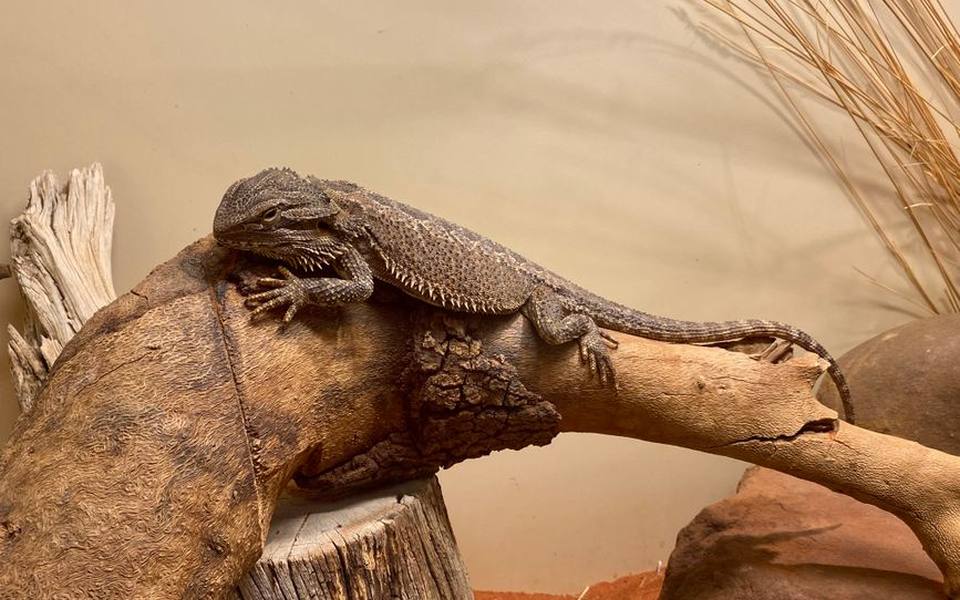
Reptiles do not experience true mammalian hibernation, but bearded dragons and several other temperate lizard species go through a biologically similar state known as brumation. During periods of lower temperatures and shorter daylight hours, a reptile's metabolic rate slows down dramatically to conserve energy. While mammals fall into a deep, uninterrupted sleep where their body temperature drops significantly, brumating reptiles experience a state of dormant rest where they remain somewhat conscious of their surroundings and may occasionally wake to drink water.
In captivity, this seasonal slowdown can be confusing or alarming for new reptile keepers who suddenly notice their normally active pet becoming lethargic. Brumation is an instinctual survival mechanism developed to survive cold winters when food sources in their native Australian habitats are scarce. Even in climate-controlled indoor enclosures where ambient room temperatures stay consistent, seasonal barometric pressure drops and subtle changes in photoperiod often trigger this dormant cycle automatically.
It is important to remember that not every captive dragon will experience dormancy every single year. Some individuals may shut down completely for several months, while others in the same household may merely experience a mild drop in appetite and basking activity for a couple of weeks. Because brumation symptoms share many similarities with severe internal illness, identifying the true cause of lethargy requires careful observation and baseline health checks.
Timing and Triggers for the Annual Slowdown
In the northern hemisphere, captive bearded dragons typically enter brumation during the late autumn or early winter months, most commonly between October and February. The onset depends on multiple environmental factors, including the room's ambient lighting, slight drops in household temperature, and genetic predispositions. In their native southern hemisphere, this biological clock would activate around June, but captive-bred lines usually adjust to the local seasonal calendar where they reside.
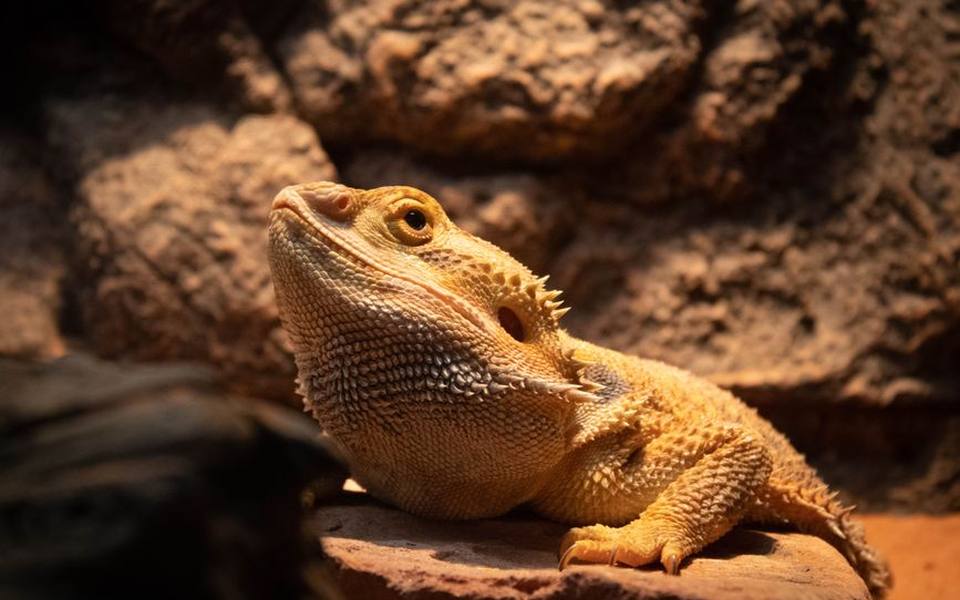
Age plays a critical role in whether an animal should be allowed to enter this extended resting period. Juvenile lizards younger than nine to twelve months should generally not undergo seasonal dormancy because their rapidly developing bodies lack the fat reserves and bone density required to sustain long periods without food. If an adolescent lizard attempts to sleep during the winter, keepers typically need to inspect heating and lighting elements to keep the animal active and feeding.
Before allowing an adult dragon to rest for weeks, verifying baseline health is essential. An animal going into dormancy with an existing bacterial infection, internal parasites, or severe dehydration can rapidly decline while sleeping. Consulting qualified practitioners through reptile vets for a routine fecal test before the winter slowdown ensures that your pet is carrying healthy fat reserves and a clear digestive tract.
Recognizing Behavioral Signs of Natural Dormancy
Determining whether a pet is naturally slowing down or suffering from an underlying medical issue starts with identifying key behavioral shifts. The first sign is usually a deliberate refusal of favorite food items, particularly protein-rich insects. Because cold temperatures slow gut motility, a healthy dragon instinctively empties its digestive tract before sleeping, as undigested food left sitting inside the stomach can rot and cause fatal systemic infections.
Alongside reduced appetite, keepers will notice increased time spent on the cool side of the vivarium. A healthy dragon will actively avoid its basking platform, seeking out dark shelters, burrowing into substrate, or curling up behind decorative logs. Bowel movements become rare or cease altogether once the gut is completely empty, and the animal will spend long hours motionless without showing interest in room activity.
Despite their sluggish demeanor, a brumating reptile should still maintain good physical condition. The fat pads on top of the head should remain plump, and the tail base should feel firm rather than hollowed or skeletal. If a dormant dragon is losing visible weight, exhibiting labored respiration, or discharging fluid from its nose or mouth, it is dealing with an active medical crisis rather than normal seasonal rest.
Eye Movement, Alertness, and Sleeping Postures
A frequent question among owners is whether dormant lizards keep their eyes open while resting. During deep brumation phases, bearded dragons will sleep with their eyes tightly closed for consecutive days or weeks at a time. However, during the transitional entry and exit phases of the cycle, they often lie completely still inside their hide boxes with their eyes wide open, monitoring their environment without moving a muscle.
This stationary, open-eyed posture often startles keepers who expect a sleeping pet to look visibly asleep. In reality, reptiles in this semi-dormant state conserve muscular energy while keeping their sensory systems alerted to potential predators. If you gently approach the vivarium or touch a back foot, the dragon should still blink, turn its head slowly, or acknowledge your presence before settling back down.
Complete lack of response to external stimuli is an urgent warning sign. If a dragon fails to open its eyes when picked up, feels limp like a rag doll, or shows no pupillary reflexes, it has crossed from natural dormancy into critical metabolic shock. Such cases require an immediate visit to experienced clinics found through exotic pet veterinarians and specialist clinics to evaluate systemic function.
The Mechanics and Origins of Metabolic Bone Disease
Metabolic Bone Disease, often abbreviated as MBD, is one of the most widespread yet entirely preventable ailments seen in captive lizards, turtles, and tortoises. At its core, MBD describes a systemic imbalance where the reptile's body cannot access adequate calcium to maintain vital biological functions. Calcium is not merely responsible for building strong bones; it is essential for muscular contractions, cardiac rhythm regulation, nerve signal transmission, and blood coagulation.
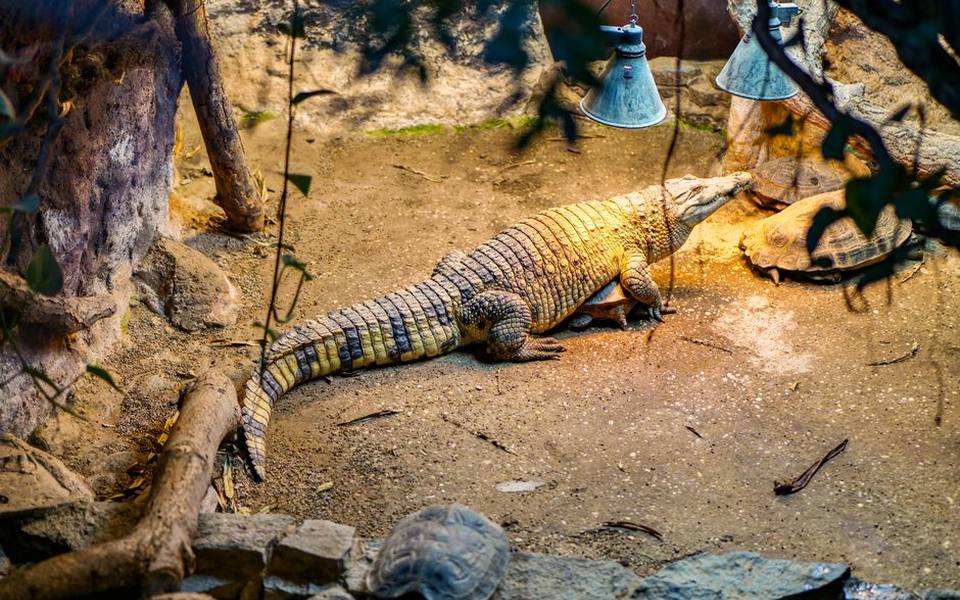
When dietary calcium is deficient, or when the reptile lacks the biological tools to absorb it, the body is forced to scavenge calcium directly from its own skeleton to keep the heart and nervous system operational. This internal leaching process gradually strips the mineral density from bones, leaving them soft, spongy, brittle, and incapable of supporting the animal's weight. Over time, the structural integrity of the entire skeleton collapses.
The primary driver of nutritional metabolic disease is improper husbandry, specifically the failure to provide adequate ultraviolet B (UVB) radiation. Reptiles synthesize vitamin D3 in their skin only when exposed to specific wavelengths of UVB light. Without active vitamin D3, the gastrointestinal lining cannot absorb calcium from food, regardless of how heavily salads or feeder insects are dusted with mineral powders.
Recognizing Early Physical Symptoms of Skeletal Breakdown
In its earliest phases, metabolic bone disease manifests in subtle neuromuscular twitches that many keepers miss. You may notice faint tremors in the toes, sudden jerky spasms in the back legs when the animal walks, or an inability to hold its head completely steady. As muscle contraction falters, the animal may struggle to catch live insects, miss food dishes, or drag its back legs slightly instead of standing tall on all four limbs.
As the condition advances, structural deformities appear throughout the skeletal framework. The lower jaw frequently recedes or becomes pliable, a condition commonly referred to as rubber jaw, which makes chewing solid food painful or impossible. The spine may develop visible humps or serpentine curves, the tail may kink, and the long bones of the front legs often swell up as fibrous tissue attempts to reinforce the weakening bone structure.
Severe stages of MBD lead to pathological fractures, where simple movements like jumping from a low branch can break a limb. Lizards at this stage become profoundly lethargic, experience complete hind-limb paralysis, and suffer from severe chronic constipation because a weakened pelvic girdle compresses the lower bowel. Early intervention by an exotic practitioner is crucial to arresting the disease before irreversible structural deformities take hold.
Correcting Husbandry, Photoperiod, and Mineral Ratios
Halting and treating metabolic complications demands an uncompromising review of your vivarium lighting and supplementation schedule. Compact fluorescent screw-in bulbs and low-output coils do not emit enough concentrated UVB across a broad basking zone. Captive desert species require high-output linear T5 fluorescent fixtures or quality mercury vapor bulbs spanning at least half to two-thirds of the enclosure, positioned without mesh or glass barriers that filter out beneficial rays.
UVB output degrades over time long before the visible bulb burns out, typically requiring full tube replacements every six to twelve months depending on the manufacturer specifications. Keeping a calibrated digital solar meter helps track actual output, ensuring that the basking zone delivers an appropriate UV Index suitable for the specific species. Alongside proper lighting, thermal basking gradients must reach adequate temperatures to fuel the animal's digestive enzymes.
Dietary supplementation must match your animal's life stage and lighting strength. Feeder insects should be gut-loaded with nutrient-dense greens for twenty-four hours before feeding and lightly dusted with pure calcium carbonate powder at most feedings. A secondary multivitamin containing bioavailable vitamin D3 should be applied once or twice weekly. For advanced clinical cases, owners working with practitioners listed across exotic animal veterinarians near you often utilize prescription liquid calcium glubionate.
Spotting External Parasites and Snake Mite Infestations
External parasites represent another serious threat across reptile collections, with the snake mite, scientifically known as *Ophionyssus natricis*, being the most prevalent culprit. These tiny, hematophagous ectoparasites feed directly on the blood of snakes and occasionally lizards. While a single mite causes minor irritation, their rapid reproductive cycle can create thousands of parasites within weeks, leading to severe anemia, secondary skin infections, and the transmission of deadly viruses.
Detecting mites early requires paying attention to behavioral red flags. An infested snake will often spend hours or days completely submerged in its water dish, attempting to drown the pests crawling across its body. You may observe restless pacing, frequent rubbing against tank decor to dislodge parasites, and difficulty completing clean skin sheds, resulting in patchy, retained shed layers around the spectacle scales of the eyes.
Physical inspection confirms the infestation. Look closely at the heat-sensing pits, the groove under the chin, and underneath the ventral belly scales. Mites appear as minuscule black or reddish-brown moving specks about the size of a poppy seed. Running a clean white paper towel gently along the snake's belly will often crush hidden parasites, leaving characteristic rusty brown blood streaks on the paper.
Topical Eradication Protocols and Enclosure Decontamination
Eradicating snake mites requires a dual attack: eliminating the parasites currently living on the reptile while simultaneously sterilizing every surface in their living environment. To treat the animal directly, prepare a shallow soak in lukewarm water, typically around eighty-five degrees Fahrenheit. Adding a tiny drop of plain dish soap breaks the water's surface tension, causing the mites to sink and drown rather than float on the surface.
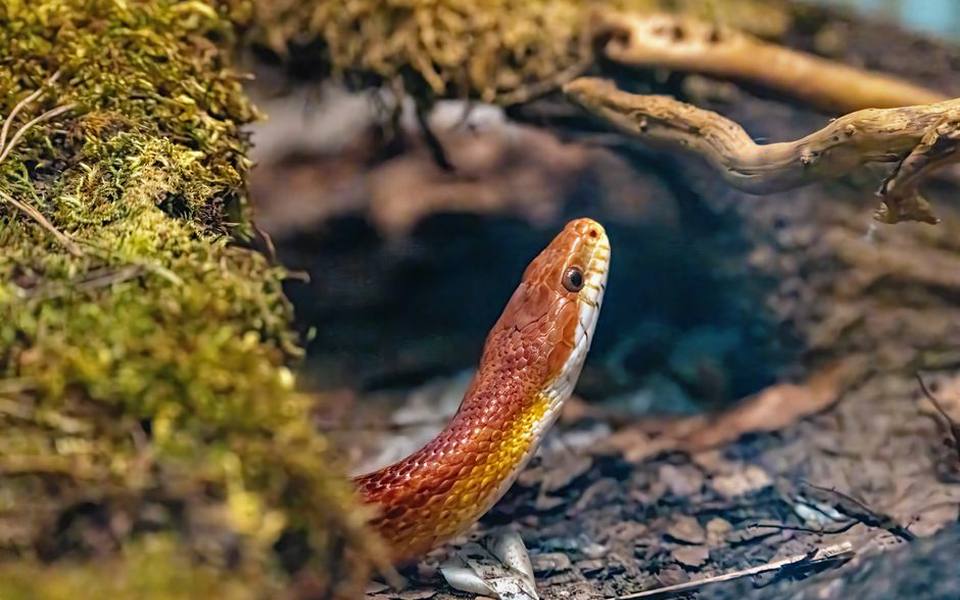
While the animal soaks safely, the entire enclosure must be torn down. Discard porous materials such as natural wood branches, bark chips, and loose substrates, as mite eggs hide within deep micro-crevices. The empty vivarium should be thoroughly scrubbed with veterinary-grade disinfectants, steaming hot water, or targeted antiparasitic sprays formulated specifically for reptile enclosures, making sure to ventilate the area thoroughly before reassembly.
During treatment, keep the enclosure strictly minimal. Line the floor with plain white paper towels, which make newly hatched mites easily visible, and provide smooth, non-porous plastic hides and water bowls that can be washed and disinfected daily. Never spray concentrated synthetic pesticides directly onto your reptile's head or eyes, as neurotoxic poisoning is a frequent consequence of improper chemical application.
Quarantine Protocols and Professional Medical Interventions
Because snake mites can crawl significant distances, an outbreak in one enclosure threatens an entire collection. Any reptile undergoing mite treatment must be placed in a separate quarantine room far from other cages. Keepers should maintain strict biosecurity protocols, handling infested animals and cleaning their supplies only at the very end of daily maintenance routines to prevent hitchhiking mites on clothing or tools.
Quarantine should last for a minimum of four to six weeks following the disappearance of the last visible mite. Mite eggs typically hatch over a variable timeline depending on ambient humidity and temperature, meaning that a seemingly clean enclosure can suffer a secondary resurgence weeks later if unhatched eggs survive. Regular inspections during this window guarantee that the full reproductive cycle has been broken.
For severe infestations, or when dealing with highly delicate species, over-the-counter washes may prove insufficient. Exotic veterinary clinics can prescribe targeted antiparasitic medications, systemic injectables, or safe micro-dose dips that quickly eliminate stubborn colonies without stressing the host's nervous system. If your pet becomes lethargic or anemic from prolonged mite feeding, consulting specialists across the nationwide directory at ExoticVetAtlas is the safest path to full recovery.
Published 2026-09-21 · reviewed with each rebuild, last September 2026.
Find exotic pet vets near you
The directory lists 3,226 exotic pet vets by state and city — pick your state or use the “Near me” button in the header.
More guides
-
 Owning
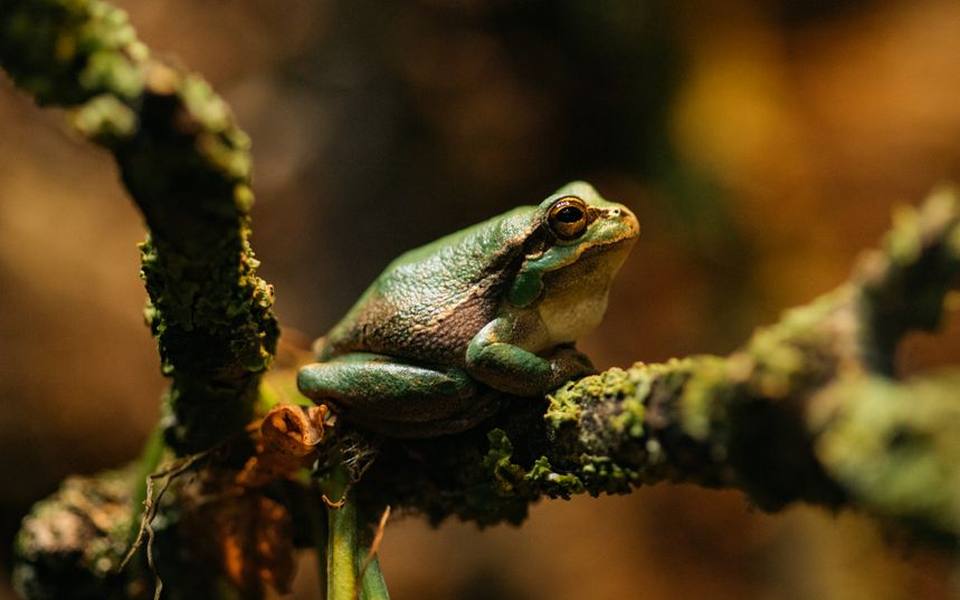
What Are Amphibians? A Complete Guide to Amphibians as Exotic Pets
-
 Money
MoneyHow to Find Affordable and Emergency Vet Care for Exotic Pets
-
 Money
MoneyHow Much Does a Parrot Cost? Complete Exotic Bird and Pet Care Price Guide
-
 Owning
Can You Keep a Capybara as a Pet? Legality, Care, and Diet Requirements
-
 Owning
How to Treat and Get Rid of Snake Mites Safely
-
 Owning
Keeping Exotic Mammals: Can You Have a Fennec Fox or Kinkajou as a Pet?
-
 Money
MoneyLow-Cost Rabbit Neutering: What to Expect and How to Find Affordable Care
-
 Owning
What Is an Avian Pet? A Guide to Bird Care and Specialized Veterinary Medicine
-
 Service
How to Find and Choose the Right Exotic Pet Veterinarian
-
 Owning
Swim Bladder Disease in Aquarium Fish: Causes, Symptoms, and Treatment
-
Owning
How to Identify and Treat Mites and Skin Parasites in Reptiles, Snakes, and Rabbits
-
Safety
Rabbit GI Stasis Guide: Symptoms, Emergency Care, and Prevention
-
 Owning
Bearded Dragon Health Guide: Brumation, Impaction, Fungus, and Skin Issues
-
 Safety
Hamster Wet Tail Disease: Causes, Symptoms, Treatment, and Prevention
-
 Owning
Clinical Care Guide: Common Illnesses in Ferrets, Pythons, and Rabbits
-
Owning
Sugar Glider Diet and Feeding Guide: BML, TPG, and Nutritional Balance
-
Owning
Bird Grooming Guide: Wing Trimming, Beak Care, and Nail Maintenance
-
 Money
MoneyExotic Pet Insurance and Vet Costs: What Is Covered and Is It Worth It?
-
 Owning
Legal Exotic Pets and Ownership Laws: Permits, Licenses, and State Regulations
-
Owning
Bird Feather Plucking and PBFD: Causes, Symptoms, and Diagnostic Steps
-
 Service
Psittacine Health and Avian Veterinary Care Guide
-
 Service
How to Find and Evaluate Exotic Pet Clinics, Specialists, and Emergency Care
-
 Owning
Clinical Guide to Reptile Shell Disorders, Shedding Complications, and Impaction
-
 Owning
Small Mammal Healthcare: Managing Chronic Illness and Emergencies
-
 Safety
Avian Egg Binding and Yolk Peritonitis: Emergency Care and Clinical Protocols
-
 Owning
Bird Grooming, Wing Maintenance, and Early Illness Signs
-
 Service
Backyard Poultry and Waterfowl Veterinary Care Guide
-
 Buying
Exotic Pet Ownership: Legal Rules, Realistic Costs, and Beginner Options
-
 Service
Aquatic Medicine: Treating Swim Bladder and Fish Infections
-
 Money
MoneyRabbit Spay, Neuter, and Vaccination Costs: Complete Veterinary Guide
-
 Owning
Understanding Amphibians: Characteristics, Classification, and Pet Care Basics
-
 Owning
Bearded Dragon Brumation and Metabolic Bone Disease: Signs, Causes, and Care
-
 Buying
Parrot Ownership Guide: Prices, Types, and Avian Basics
-
 Owning
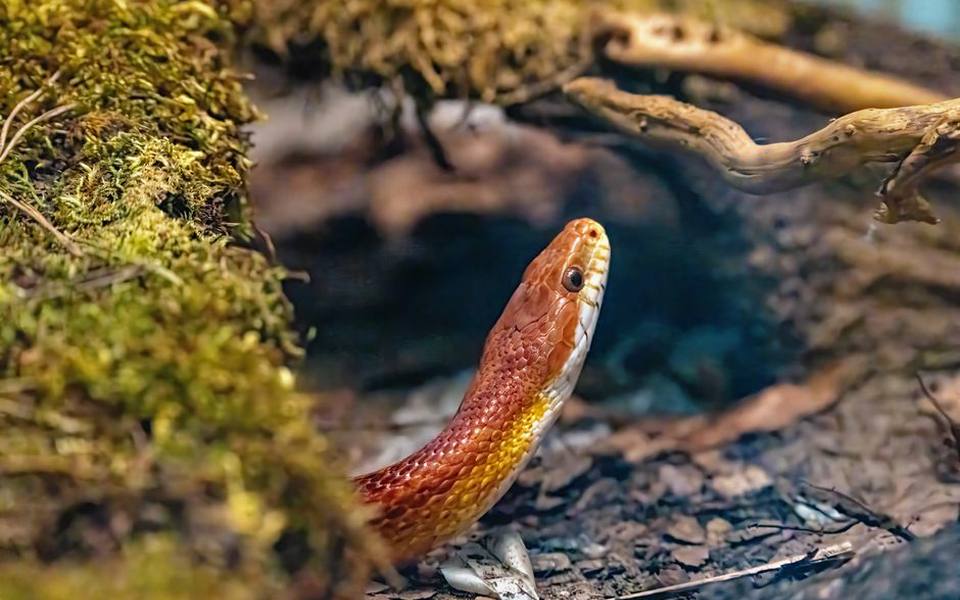
Complete Guide to Snake Mite Treatment: Products, Safe Sprays, and Vet Care
-
 Money
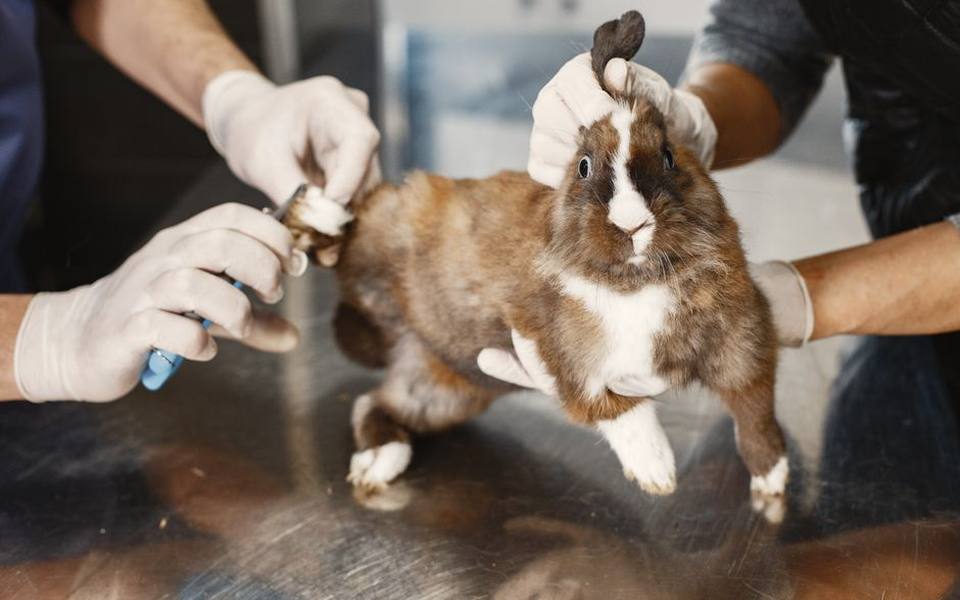
MoneyRabbit Spay and Neuter Costs: Vaccinations and Low-Cost Vet Options
-
 Owning
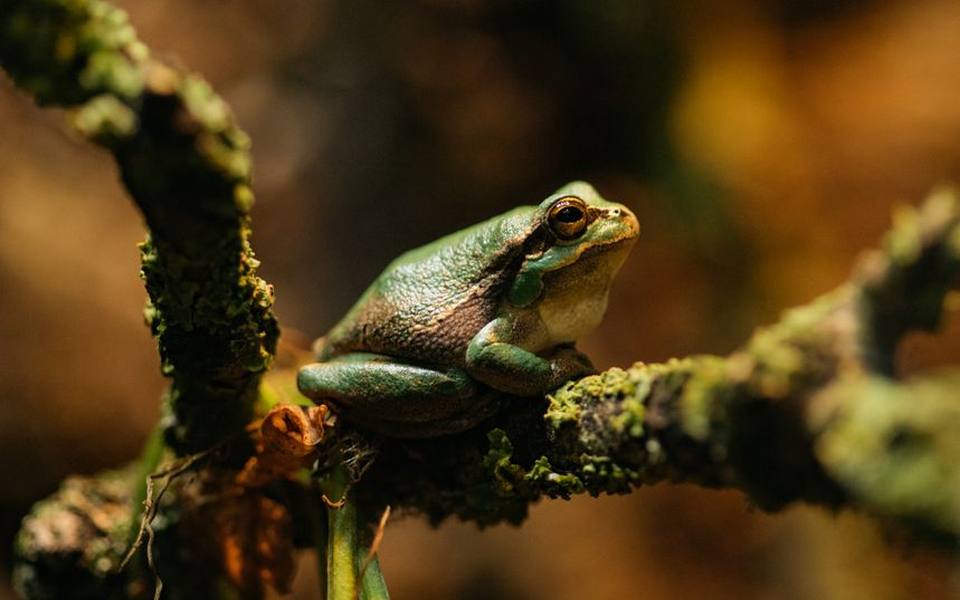
What Are Amphibians? Traits, Classification, and Pet Care Basics
-
 Owning
How to Get an Exotic Pet License: Legal Permits and Animal Ownership Laws
-
 Money
MoneyRabbit Spay, Neuter, and Vaccination Costs: Low-Cost Vet Guide
-
 Money
MoneyHow Much Does an Exotic Vet Cost? Emergency, Routine, and In-Home Care Guide