Why Birds Pull Their Feathers and What It Means
Feather destruction in pet parrots is one of the most distressing issues an owner can witness, but it is a clinical sign rather than a standalone illness. When a bird begins picking feathers from its chest, legs, or underwings, the behavior typically stems from either an underlying medical problem or chronic environmental frustration. Differentiating between physical distress, behavioral habit, and contagious infectious diseases requires a methodical approach. In many instances, an owner notices a few missing breast down feathers before the habit escalates into complete denuding of reachable body areas.
A healthy companion parrot spends several hours each day preening, which involves meticulously aligning feather barbs, removing old keratin sheaths, and distributing protective oils from the uropygial gland. However, normal preening crosses into damaging behavior when the bird snaps feather shafts, chews barbules down to the quill, or actively yanks intact feathers out of the follicle. Because birds cannot easily reach their own head and neck, feather loss that spares the crown almost always indicates self-infliction rather than spontaneous molting issues.
The spectrum of causes is broad, ranging from low ambient humidity and poor dietary nutrition to internal parasites, heavy metal toxicity, and deep-seated fungal infections. Yet behind every severe case sits the lingering possibility of viral infection, particularly psittacine beak and feather disease. Before assuming a bird is simply bored or anxious, pet owners must evaluate physical health with an experienced avian practitioner, as overlooking an organic illness can allow progressive damage to take root throughout the flock.
Understanding Psittacine Beak and Feather Disease
Psittacine beak and feather disease, commonly abbreviated as PBFD, is an infectious viral condition caused by a specific circovirus that targets psittacine species across the globe. Unlike common behavioral plucking, where the bird deliberately pulls healthy or irritated plumage, this circovirus attacks the actively growing cells of the feather follicles, germinal epithelium of the beak, and the avian immune system. As a result, the bird produces structurally compromised feathers that break, curl, or fall out spontaneously, regardless of whether the bird preens normally.
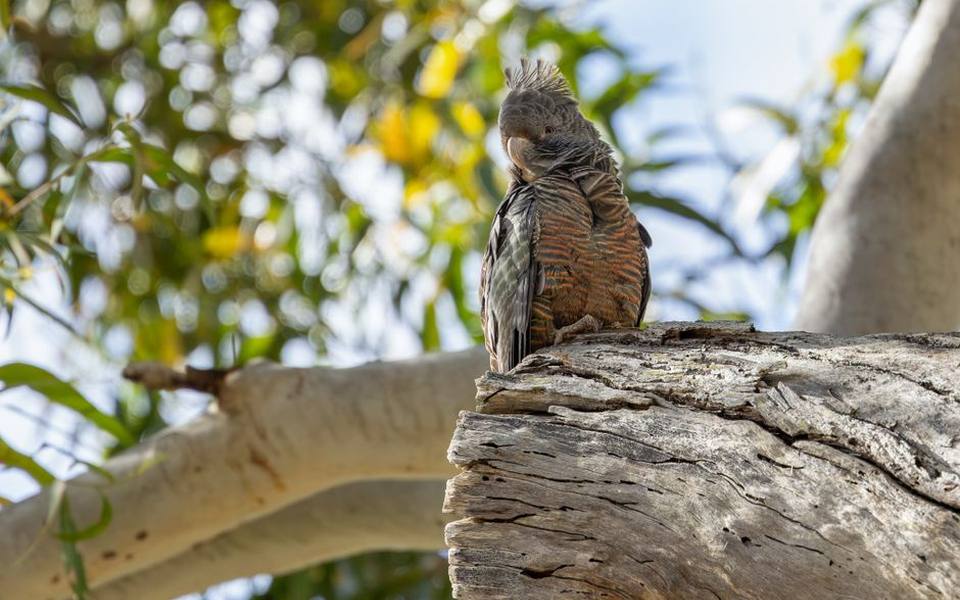
The virus primarily affects parrots, cockatoos, lovebirds, lories, and macaws, though vulnerability varies significantly by species and age. Young birds under three years of age face the highest risk of acute infection, often displaying rapid systemic deterioration. The pathogen targets primary lymphoid organs such as the bursa of Fabricius and the thymus, resulting in profound immunosuppression comparable to human retroviral syndromes. Consequently, secondary bacterial, fungal, or chlamydial infections frequently complicate the disease course, making early clinical identification vital for flock management.
The resilience of the circovirus makes it particularly troublesome in breeding aviaries and multi-bird households. The virus is non-enveloped, meaning it can persist on cage bars, nesting boxes, clothing, and air filters for months or even years without losing infectivity. Routine household detergents typically fail to deactivate it, demanding strict quarantine protocols whenever a new psittacine enters a home or sanctuary setting. Understanding this biology helps owners appreciate why diagnostic screening is so critical when sudden feather abnormalities appear.
Key Differences Between Behavioral Plucking and Viral Illness
Telling the difference between behavioral feather picking and a viral condition like PBFD begins with inspecting where the damage occurs. A bird engaged purely in self-mutilation will possess a completely normal, feathered head because its beak cannot reach its own crown or cheeks. In contrast, viral feather dystrophy causes abnormal growth, shedding, and baldness across all regions of the body, including the head, crest, and face, because the viral insult happens deep within the follicle rather than through external trauma.
The physical appearance of the discarded feather provides another essential clue for owners and clinicians. When a bird mechanically pulls a healthy feather, the shaft is usually clean, straight, and may show a tiny speck of dried blood at the umbilicus if it was plucked during active growth. In psittacine beak and feather disease, emerging pin feathers appear deformed, constricted, pinched, or filled with necrotic hemorrhage within the shaft. These dystrophic feathers often fracture just as they emerge from the skin, leaving blunt, stunted quills behind.
Systemic indicators also separate the two presentations. A purely behavioral plucker often maintains bright eyes, normal vocalizations, excellent appetite, and normal beak keratin. Birds battling active circovirus often show progressive lethargy, weight loss, digestive upset, and eventual beak necrosis. If you observe structural degradation of the beak alongside feather loss, behavioral explanations must be discarded immediately in favor of infectious disease testing through an avian care specialist who understands parrot pathology.
Primary Physical and Environmental Triggers for Plucking
When viral causes are ruled out, medical triggers for feather destruction must be investigated systematically. In companion birds, poor nutrition stands out as the most common contributor, particularly all-seed diets that lack essential vitamin A, zinc, and bioavailable calcium. Dry, itchy skin develops when epithelial tissues lack critical fatty acids and micronutrients, prompting the bird to over-groom. Chronic low humidity inside climate-controlled homes further dehydrates sensitive skin, turning routine preening into destructive chewing.
Internal discomfort also drives birds to pick at the specific anatomical zones overlying internal pain. For instance, a parrot suffering from air sacculitis, hepatic lipidosis, kidney disease, or heavy reproductive activity may obsessively chew feathers over its flank, abdomen, or lower back. Ingestion of heavy metals, such as zinc from cheap cage wire or lead from household fixtures, creates neurological tingling and gastrointestinal cramping that frequently manifests as sudden, frantic feather destruction along the breast and inner thighs.
External parasites like mites and lice are frequently blamed by inexperienced owners, though true ectoparasites are relatively rare in indoor companion birds kept in single households. Instead, allergic dermatitis, giardiasis, and cutaneous fungal blooms occur far more frequently. If your pet begins pulling feathers seemingly out of nowhere, consulting a provider skilled in exotic pet medical care allows for targeted blood work and skin cytology before the behavior becomes an entrenched neuropathic habit.
Recognizing the Progressive Symptoms of PBFD
The clinical progression of psittacine beak and feather disease typically divides into acute and chronic forms. The acute form strikes neonates and young fledglings, presenting with depression, sudden crop stasis, regurgitation, diarrhea, and rapid mortality before characteristic feather abnormalities even develop. In these heartbreaking cases, the virus attacks the developing immune system and internal organs so aggressively that death occurs from secondary septicemia before the plumage can undergo a complete molt.
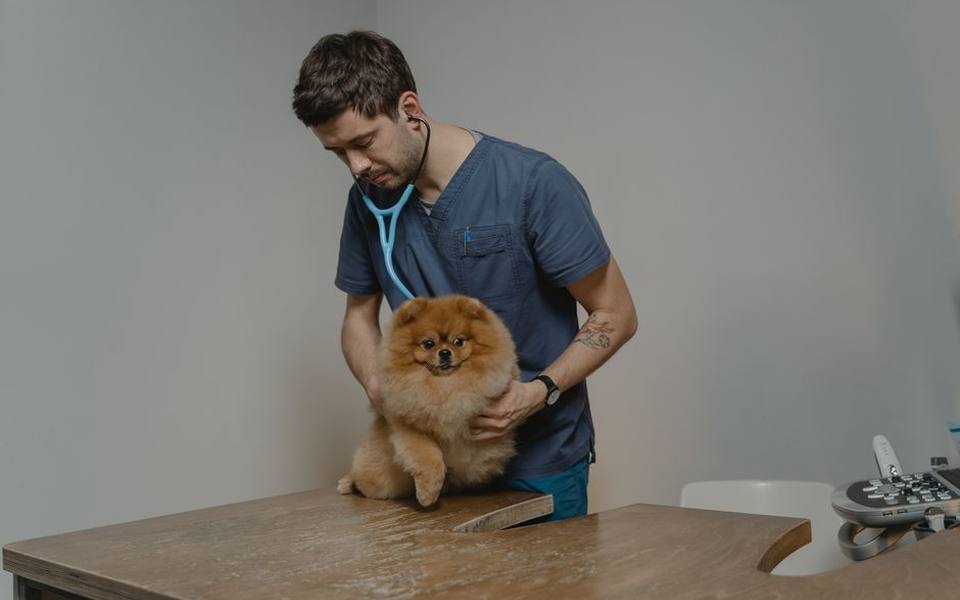
The chronic form is more familiar to companion bird owners and tends to appear in older juveniles and mature birds. The initial sign is frequently a subtle change in plumage texture and color; for example, grey feathers on an African grey parrot may emerge with an unusual red or pink wash, while bright green feathers on an Amazon may appear dull yellow. Furthermore, powder down feathers, which provide the dusty coating on cockatoos and greys, stop producing keratin powder, resulting in a glossy, unusually dark beak.
As the disease advances, newly forming contour and flight feathers break easily, retain their outer sheaths, and bleed internally. Over successive molting cycles, baldness spreads irreversibly over the entire body, including the head. In severe, end-stage cases, the circovirus infiltrates the germinal layers of the rhamphotheca, causing the beak to develop elongations, deep fissures, transverse fractures, and painful oral ulcerations that impair the bird's ability to crack seeds or eat solid pellets.
Psychological and Behavioral Factors in Feather Chewing
Parrots are extraordinarily intelligent, highly social creatures whose cognitive needs rival those of young children. In the wild, flock members spend upwards of eighty percent of their waking hours foraging, flying, interacting with mates, and navigating complex social hierarchies. In a domestic living room, an abundance of calorie-dense food in a stationary bowl leaves hours of unfilled time, frequently leading to boredom, chronic displacement behaviors, and obsessive feather picking as a coping mechanism.
Disrupted circadian rhythms and lack of sleep are major environmental stressors that trigger destructive habits. Birds require ten to twelve hours of uninterrupted, dark, quiet rest each night to maintain normal hormonal balance. Chronic light exposure from household screens and artificial lamps tricks a bird's endocrine system into believing it is perpetual breeding season, leading to territorial aggression, sexual frustration, and nervous grooming directed at the breast and vent regions.
Social isolation and lack of mental enrichment can drive high-strung species like cockatoos, Quaker parakeets, and conures toward self-directed mutilation. Once the feather follicle becomes chronically inflamed from repeated pulling, the physical sensation of regrowth itchiness combines with psychological compulsion, creating a self-reinforcing loop. Managing this behavioral aspect requires structural environmental changes alongside medical guidance from dedicated veterinarians for exotic pets and birds.
Veterinary Diagnostic Protocols and Lab Testing
Diagnosing the root cause of feather destruction begins with a thorough veterinary evaluation that rules out infectious pathogens before focusing on behavioral therapy. Your veterinarian will typically start with a full physical exam, checking the skin for micro-abscesses, examining the cloaca and choana, and inspecting the uropygial gland. Baseline blood panels, including a complete blood count and plasma biochemistry, help detect systemic inflammation, liver failure, or kidney disease that might provoke localized itching.
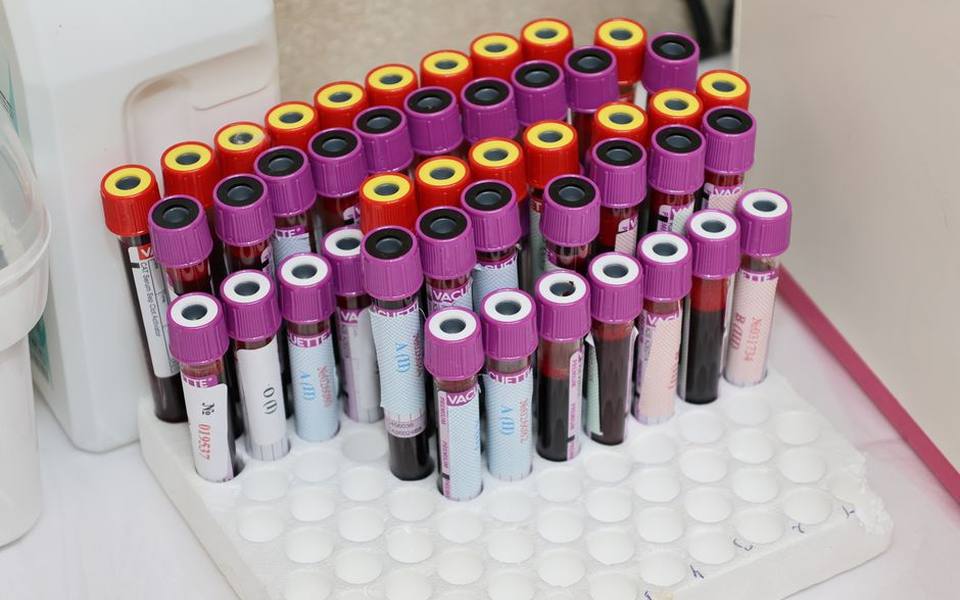
For suspected PBFD, polymerase chain reaction (PCR) testing represents the gold standard diagnostic method. This molecular assay detects viral DNA in whole blood samples, dynamic feather pulp, or choanal swabs. Because false negatives can occur if the virus is transiently sequestered in bone marrow, and false positives can occur if a healthy bird was temporarily exposed to viral dust without established systemic infection, clinicians often recommend re-testing positive birds after ninety days to see if they clear the virus.
Skin scrapings, tape prep cytology, and feather pulp wet mounts allow the practitioner to evaluate for fungal spores, bacterial colonies, or cellular dysplasia. When feather follicles appear severely inflamed or distorted, a surgical punch biopsy of an active follicle provides definitive histopathology, revealing whether circovirus inclusion bodies, bacterial folliculitis, or allergic infiltration are present. Owners in regions with large numbers of bird owners can search through directories like exotic pet vets in California to find clinics fully equipped for avian diagnostics.
Treatment, Supportive Care, and Long-Term Outlook
Presently, there is no specific antiviral cure for psittacine beak and feather disease, meaning veterinary management focuses primarily on palliative support, immune stimulation, and aggressive treatment of secondary illnesses. Birds with mild or early-stage chronic PBFD can sometimes survive for several years in comfortable, strictly isolated environments if protected from cold drafts and opportunistic pathogens. Broad-spectrum antimicrobial therapy, antifungal rinses, and specialized soft diets are frequently utilized when beak deterioration develops.
For birds whose plucking originates from behavioral or dietary causes, treatment revolves around environmental overhaul and medical stabilization. Transitioning a seed-hooked bird to a high-quality formulated pellet, supplemented with fresh dark leafy greens and beta-carotene rich vegetables, can dramatically improve feather quality within one or two molts. Providing daily foraging toys, shreddable balsa wood, destructible cardboard, and structured daily social engagement helps redirect natural chewing instincts away from the bird's own body.
Medical interventions for severe behavioral chewers may include non-steroidal anti-inflammatory drugs to reduce skin irritation, antihistamines, or temporary hormonal therapies to suppress intense breeding drive. Protective collars or soft fabric vests are occasionally employed as temporary crisis measures to allow wounded skin to heal, though they do not solve the root psychological trigger. Working with experienced clinicians, such as those at exotic pet vets in Florida or other specialist hubs, ensures a balanced, patient-centered therapy plan.
Biosecurity and Protecting Other Birds in the Home
Preventing the introduction and transmission of avian circovirus demands uncompromising biosecurity measures, especially for breeders, rescues, and households with multiple companion parrots. Because viral particles shed profusely in fine feather dander, droppings, and crop secretions, simple separation into different rooms is rarely sufficient if they share a central heating and cooling ventilation system. Viral dander clings tenaciously to human hair, clothing, and footwear, making cross-contamination effortless.
Every newly acquired parrot should undergo a rigorous quarantine period lasting at least thirty to sixty days in an isolated airspace before being introduced to resident birds. During this quarantine, a comprehensive medical exam and PCR screening for circovirus, polyomavirus, and chlamydiosis should be performed. Only after receiving clean laboratory test results and completing the quarantine window should the newcomer enter common living areas.
Disinfection protocols for suspected virus exposure must use specialized compounds, such as glutaraldehyde or accelerated hydrogen peroxide products, as conventional bleach dilutions often fail against non-enveloped circoviruses. Any cages, perches, nesting boxes, or plastic toys that belonged to a bird confirmed to have died from PBFD are safest when completely discarded rather than cleaned. Vigilance and strict hygiene remain the primary defenses protecting avian communities from this devastating disease.
Published 2026-09-21 · reviewed with each rebuild, last September 2026.
Find exotic pet vets near you
The directory lists 3,226 exotic pet vets by state and city — pick your state or use the “Near me” button in the header.
More guides
-
 Owning
What Are Amphibians? A Complete Guide to Amphibians as Exotic Pets
-
 Money
MoneyHow to Find Affordable and Emergency Vet Care for Exotic Pets
-
 Money
MoneyHow Much Does a Parrot Cost? Complete Exotic Bird and Pet Care Price Guide
-
 Owning
Can You Keep a Capybara as a Pet? Legality, Care, and Diet Requirements
-
 Owning
How to Treat and Get Rid of Snake Mites Safely
-
 Owning
Keeping Exotic Mammals: Can You Have a Fennec Fox or Kinkajou as a Pet?
-
 Money
MoneyLow-Cost Rabbit Neutering: What to Expect and How to Find Affordable Care
-
 Owning
What Is an Avian Pet? A Guide to Bird Care and Specialized Veterinary Medicine
-
 Service
How to Find and Choose the Right Exotic Pet Veterinarian
-
 Owning
Swim Bladder Disease in Aquarium Fish: Causes, Symptoms, and Treatment
-
Owning
How to Identify and Treat Mites and Skin Parasites in Reptiles, Snakes, and Rabbits
-
Safety
Rabbit GI Stasis Guide: Symptoms, Emergency Care, and Prevention
-
 Owning
Bearded Dragon Health Guide: Brumation, Impaction, Fungus, and Skin Issues
-
 Safety
Hamster Wet Tail Disease: Causes, Symptoms, Treatment, and Prevention
-
 Owning
Clinical Care Guide: Common Illnesses in Ferrets, Pythons, and Rabbits
-
Owning
Sugar Glider Diet and Feeding Guide: BML, TPG, and Nutritional Balance
-
Owning
Bird Grooming Guide: Wing Trimming, Beak Care, and Nail Maintenance
-
 Money
MoneyExotic Pet Insurance and Vet Costs: What Is Covered and Is It Worth It?
-
 Owning
Legal Exotic Pets and Ownership Laws: Permits, Licenses, and State Regulations
-
 Service
Psittacine Health and Avian Veterinary Care Guide
-
 Service
How to Find and Evaluate Exotic Pet Clinics, Specialists, and Emergency Care
-
 Owning
Clinical Guide to Reptile Shell Disorders, Shedding Complications, and Impaction
-
 Owning
Small Mammal Healthcare: Managing Chronic Illness and Emergencies
-
 Safety
Avian Egg Binding and Yolk Peritonitis: Emergency Care and Clinical Protocols
-
 Owning
Bird Grooming, Wing Maintenance, and Early Illness Signs
-
 Service
Backyard Poultry and Waterfowl Veterinary Care Guide
-
 Buying
Exotic Pet Ownership: Legal Rules, Realistic Costs, and Beginner Options
-
 Service
Aquatic Medicine: Treating Swim Bladder and Fish Infections
-
 Money
MoneyRabbit Spay, Neuter, and Vaccination Costs: Complete Veterinary Guide
-
 Owning
Understanding Amphibians: Characteristics, Classification, and Pet Care Basics
-
 Owning
Bearded Dragon Brumation and Metabolic Bone Disease: Signs, Causes, and Care
-
 Buying
Parrot Ownership Guide: Prices, Types, and Avian Basics
-
 Owning
Complete Guide to Snake Mite Treatment: Products, Safe Sprays, and Vet Care
-
 Money
MoneyRabbit Spay and Neuter Costs: Vaccinations and Low-Cost Vet Options
-
 Owning
What Are Amphibians? Traits, Classification, and Pet Care Basics
-
 Owning
How to Get an Exotic Pet License: Legal Permits and Animal Ownership Laws
-
 Owning
Reptile Health Guide: Bearded Dragon Brumation, Metabolic Bone Disease, and Snake Mite Control
-
 Money
MoneyRabbit Spay, Neuter, and Vaccination Costs: Low-Cost Vet Guide
-
 Money
MoneyHow Much Does an Exotic Vet Cost? Emergency, Routine, and In-Home Care Guide