Baseline Costs for Routine Exotic Veterinary Care
A standard wellness checkup for an exotic pet typically costs between $75 and $150, depending on the geographic region, clinic facilities, and the specific animal species. Unlike general domestic pets whose exams rarely exceed standard examination thresholds, exotic species frequently require specialized handling protocols right from the start. A routine visit usually begins with a thorough head-to-tail physical evaluation, weight tracking down to the exact gram, husbandry reviews, and behavioral consultations tailored to the species.
Routine preventative diagnostics will add to that initial office visit fee in almost every case. Clinicians routinely recommend baseline fecal flotation tests to screen for intestinal parasites, which typically add between $30 and $60 to the bill. If your clinician suggests preventive blood work to monitor organ function before health complications arise, that comprehensive panel will usually add anywhere from $100 to $250, bringing a comprehensive preventive checkup to roughly $200 to $450 in most suburban and metropolitan clinics.
Pricing also varies based on whether you visit a general veterinary practice that happens to accept non-traditional species or a dedicated specialty hospital. General practices may charge slightly lower exam rates, but they may lack specialized instruments or hospital wards designed for environmental stabilization. Choosing where to book an appointment often involves balancing baseline pricing against the depth of clinical experience available on site.
Why Exotic Veterinary Medicine Carries Higher Fees
Exotic veterinary fees reflect the substantial investment in specialized medical gear and environmental housing required to treat delicate species. An exotic hospital must maintain micro-sized endotracheal tubes, precision surgical instruments, magnification loupes, and sensitive anesthesia monitoring equipment like Doppler ultrasound probes. Additionally, housing a hospitalized parrot, chinchilla, or monitor lizard requires dedicated recovery incubators with exact temperature, humidity, and supplemental oxygen controls that standard dog and cat kennels cannot accommodate.
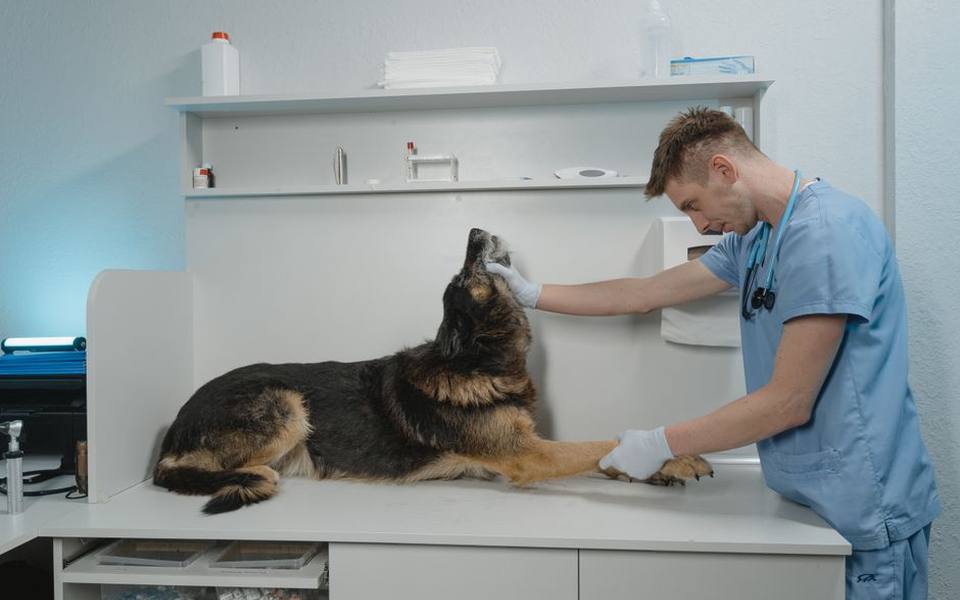
The training required to treat birds, reptiles, amphibians, and small mammals safely is another major driver of veterinary costs. Most general veterinary colleges dedicate very little curriculum time to non-traditional species, meaning exotic practitioners must complete extensive post-graduate residencies, internships, and continuing education courses. Obtaining board certification through the American Board of Veterinary Practitioners requires years of documented caseloads and rigorous examination, justifying the higher consultation rates charged by top specialists.
Handling time is also markedly longer during exotic consultations compared to conventional domestic pet visits. A clinician cannot rush an exam on a prey animal without risking severe stress-induced shock or capture myopathy. Gathering diagnostic samples from a three-hundred-gram creature demands immense patience, trained veterinary technicians, and gentle restraint techniques, which naturally lengthens appointment blocks and increases the operational overhead required for each patient visit.
Essential Checkups and Routine Fees for Guinea Pigs
Prospective owners frequently wonder whether small pocket pets truly require professional veterinary attention. The answer is straightforward: guinea pigs definitely need regular veterinary care, ideally starting immediately after adoption and continuing with annual or semi-annual wellness evaluations throughout their lives. Because guinea pigs are prey animals, their instinct is to hide signs of weakness until underlying infections or systemic illnesses have advanced to critical, life-threatening stages.
A typical guinea pig visit ranges from $70 to $130 for an initial physical assessment, with special attention given to the mouth and gastrointestinal tract. Guinea pigs possess open-rooted teeth that continuously grow throughout their lives, making dental malocclusion and painful molar spurs extremely common issues. Detecting subtle dental spikes during a routine physical can prevent agonizing mouth ulcers and the sudden onset of life-threatening gastrointestinal stasis.
When health complications emerge, diagnostics for small herbivores require delicate handling. A routine abdominal ultrasound or full-body diagnostic radiograph set to assess urinary stones or respiratory congestion typically costs between $150 and $350. You can review regional veterinary centers that focus on small mammal veterinary care to locate clinical staff familiar with the unique physiological traits of cavies and rabbits.
Diagnostic Workups and Finding Top Avian Clinicians
Finding an experienced practitioner capable of handling psittacines, passerines, and backyard poultry requires looking for specialized diagnostic skills. Avian respiratory systems utilize complex air sacs that circulate oxygen differently than mammalian lungs, rendering birds unusually susceptible to respiratory distress and airborne toxins. A specialized avian consultation typically costs between $85 and $160, reflecting the precision handling techniques needed to keep a bird calm on the examination table.
Routine diagnostic testing for birds often includes fecal direct smears, Gram stains, and baseline blood work panels, which generally range between $80 and $220 depending on the laboratory selected. If a bird requires diagnostic testing for viral conditions such as Psittacine Beak and Feather Disease or avian polyomavirus, DNA sequencing tests typically cost $40 to $90 per sample. Maintenance procedures such as specialized beak reshaping, wing clipping, or talon dremeling typically add $25 to $65.
Selecting the right avian expert involves verifying their diagnostic capabilities and clinical familiarity with fragile species. High-caliber avian practitioners maintain micro-dosing pharmacy capabilities and warm isolation rooms designed to shield vulnerable birds from predator sounds and drafts. You can locate dedicated providers through listings for avian veterinary specialists who regularly manage delicate respiratory issues and long-term nutritional imbalances.
Reptile Wellness Visits and Health Intervention Expenses
Reptiles present clinical challenges that stem primarily from their ectothermic nature, slow metabolic rates, and strict environmental dependence. A standard reptile wellness consultation typically runs between $75 and $145, during which an experienced practitioner evaluates the animal's shell, scales, eyes, oral cavity, and cloaca. The clinician will also spend substantial time analyzing the patient's enclosure parameters, thermal gradients, UV lighting cycles, and dietary calcium-to-phosphorus ratios to identify husbandry deficiencies.
Diagnostic work for lizards, snakes, and chelonians routinely includes fecal examinations to identify internal parasites like pinworms and coccidia, generally costing between $30 and $65. Because calcium metabolism disorders such as metabolic bone disease are widespread among captive reptiles, multi-view full-body radiographs are frequently ordered. These diagnostic images typically cost between $150 and $300, providing an accurate look at skeletal bone density and revealing potential foreign body impactions or calcified eggs.
Blood collection in reptiles is technically challenging and involves accessing caudal tail veins or jugular vessels, with specialized diagnostic panels costing anywhere from $120 to $250. When searching for reliable medical help, checking directory resources for reptile veterinary clinics helps connect you with clinicians who understand brumation, shedding complications, and the delicate pharmacokinetics of cold-blooded species.
Locating Qualified Exotic Specialists in Your Region
Finding the most reliable exotic practitioner nearby requires looking beyond generic animal clinic signs and asking targeted questions about patient volume. You should ask clinic receptionists what percentage of their daily patient load consists of non-traditional pets and whether any staff veterinarians hold board certifications through organizations like the American Board of Veterinary Practitioners. Clinics that actively welcome exotic pets will generally have dedicated hospital wards separated completely from loud, barking dogs.

Examine whether the facility maintains appropriate medical technology suited for small and delicate patients. A well-equipped clinic will utilize digital micro-radiography sensors, specialized warming blankets, precision syringe drivers for micro-dose liquid medications, and reliable exotic anesthesia machines. If a practice rarely treats your species, they may lack the specific antibiotics, analgesics, and dietary recovery formulas required for acute supportive stabilization.
Browsing a focused national database such as the exotic pet veterinary directory allows you to evaluate regional options and compare practitioner credentials before an urgent medical issue arises. Establishing a working relationship with an experienced exotic clinician early through a simple initial baseline checkup ensures your pet is on file and makes securing urgent care appointments much easier later.
Emergency Room Fees and Urgent Care Stabilization
When an exotic pet experiences sudden respiratory distress, acute lethargy, bleeding, or intestinal arrest, seeking emergency medical attention becomes urgent. Emergency consultation fees alone typically cost between $150 and $300 just for walk-in triage, even before life-saving interventions begin. Because exotic emergencies rapidly decline into systemic collapse, initial emergency stabilization involving oxygen cages, thermal support, and subcutaneous or intravenous fluids will typically add $200 to $600 to the starting bill.
If your companion requires overnight critical hospitalization in an intensive care setting, fees typically range from $800 to $2,000 per twenty-four-hour period. These intensive care charges cover continuous temperature monitoring, round-the-clock technician supervision, injectable medications, specialized enteral feeding, and repeated diagnostic blood testing. In severe trauma cases or advanced intestinal obstructions, surgical and stabilization costs can quickly approach or exceed $3,000 depending on the hospital.
Locating accessible emergency care during nights and weekends requires advance research, as many standard twenty-four-hour animal hospitals do not keep exotic-certified clinicians on duty. It is wise to identify nearby emergency exotic animal hospitals ahead of time so you know exactly where to drive. For families facing tight budgets, veterinary teaching hospitals and non-profit regional humane facilities sometimes offer lower examination rates and structured hardship assistance.
Surgical Intervention, Anesthesia, and Hospitalization Rates
Surgical interventions for exotic animals carry unique price considerations due to anesthesia monitoring requirements and specialized micro-instrumentation. Routine elective procedures, such as neutering or spaying a rabbit or guinea pig to eliminate reproductive cancers, typically cost between $250 and $700 depending on patient age and gender. More complex non-elective surgeries, such as bladder stone removals, foreign body extractions, fracture repairs, or mass excisions, generally cost between $600 and $2,200.
The administration of general anesthesia represents a substantial portion of any surgical estimate. Exotic species require continuous multi-modal monitoring involving capnography to track expired carbon dioxide, pulse oximetry, Doppler blood pressure assessments, and constant rectal core temperature readings. Inhalation anesthetics like sevoflurane or isoflurane are commonly utilized due to their rapid induction and quick recovery profiles, though their clinical use adds $100 to $300 to standard surgical fees.
Post-operative recovery also demands targeted medical management to keep small animals comfortable and eating voluntarily. The cost of take-home analgesics, gut motility stimulants, anti-inflammatories, and sterile recovery fluids typically adds between $50 and $150 to the final surgical invoice. Investing in high-quality pain management protocols significantly lowers mortality rates and prevents secondary complications like gastrointestinal shutdown during post-operative convalescence.
In-Home Veterinary Care and End-of-Life Options
In-home veterinary care has grown increasingly popular among exotic pet caregivers seeking to minimize the intense stress of clinic transit. Transporting a fragile bird, a stressed guinea pig, or a sensitive reptile in a travel carrier during severe winter chills or summer heat waves can exacerbate breathing difficulties and cardiovascular strain. Mobile exotic clinicians visit your residence to perform routine health assessments, monitor chronic conditions, and collect laboratory samples right in the pet's normal enclosure.

Mobile veterinary house-call fees typically start with a base dispatch or travel travel charge between $75 and $175, added to standard examination and laboratory fees. While slightly more expensive than driving to a physical clinic, this approach provides the clinician with direct visual insight into enclosure setup, cage ventilation, substrate sanitation, and lighting angles. Identifying these environmental factors in person often saves money by solving husbandry-related disorders before clinical disease progresses.
When terminal illness diminishes quality of life, in-home euthanasia offers a tranquil and compassionate alternative to a chaotic clinical environment. In-home euthanasia for an exotic pet typically costs between $200 and $450, depending on the animal's weight, the geographic travel distance, and whether private or communal cremation is chosen. Families seeking low-cost mobile options can often contact regional mobile hospices or animal welfare foundations that offer sliding-scale end-of-life programs to ensure every companion passes comfortably.
Practical Financial Planning for Exotic Medical Care
Preparing financially for sudden exotic veterinary bills requires an active strategy, as unpredictable health setbacks will inevitably occur over an animal's lifespan. Establishing a dedicated pet emergency savings account with three to six months of anticipated veterinary expenses—typically between $500 and $1,500—provides immediate peace of mind. Keeping these funds segregated from everyday household accounts ensures you can authorize essential diagnostic imaging or emergency stabilization treatments without hesitation during critical hours.
You can also explore specialized pet insurance policies tailored for birds, reptiles, and small mammals. Although fewer underwriters cover exotic species compared to cats and dogs, medical policies do exist that reimburse between fifty and eighty percent of covered diagnostic and emergency treatment fees after deductibles. It is vital to enroll pets while they are young and healthy, as insurers universally exclude pre-existing conditions, chronic dental issues, and husbandry-related deficiencies.
When unexpected emergency costs arise that surpass available funds, inquire about deferred-interest medical payment plans, third-party veterinary credit lines, or institutional hardship funds. Many veterinary hospitals partner with specialized medical financing platforms that divide total balances into manageable monthly installments. Communicating transparently with clinic staff regarding your exact budget constraints allows veterinarians to prioritize the most critical diagnostic tests first while prescribing effective generic medications where appropriate.
Published 2026-09-21 · reviewed with each rebuild, last September 2026.
Find exotic pet vets near you
The directory lists 3,226 exotic pet vets by state and city — pick your state or use the “Near me” button in the header.
More guides
-
 Owning
What Are Amphibians? A Complete Guide to Amphibians as Exotic Pets
-
 Money
MoneyHow to Find Affordable and Emergency Vet Care for Exotic Pets
-
 Money
MoneyHow Much Does a Parrot Cost? Complete Exotic Bird and Pet Care Price Guide
-
 Owning
Can You Keep a Capybara as a Pet? Legality, Care, and Diet Requirements
-
 Owning
How to Treat and Get Rid of Snake Mites Safely
-
 Owning
Keeping Exotic Mammals: Can You Have a Fennec Fox or Kinkajou as a Pet?
-
 Money
MoneyLow-Cost Rabbit Neutering: What to Expect and How to Find Affordable Care
-
 Owning
What Is an Avian Pet? A Guide to Bird Care and Specialized Veterinary Medicine
-
 Service
How to Find and Choose the Right Exotic Pet Veterinarian
-
 Owning
Swim Bladder Disease in Aquarium Fish: Causes, Symptoms, and Treatment
-
Owning
How to Identify and Treat Mites and Skin Parasites in Reptiles, Snakes, and Rabbits
-
Safety
Rabbit GI Stasis Guide: Symptoms, Emergency Care, and Prevention
-
 Owning
Bearded Dragon Health Guide: Brumation, Impaction, Fungus, and Skin Issues
-
 Safety
Hamster Wet Tail Disease: Causes, Symptoms, Treatment, and Prevention
-
 Owning
Clinical Care Guide: Common Illnesses in Ferrets, Pythons, and Rabbits
-
Owning
Sugar Glider Diet and Feeding Guide: BML, TPG, and Nutritional Balance
-
Owning
Bird Grooming Guide: Wing Trimming, Beak Care, and Nail Maintenance
-
 Money
MoneyExotic Pet Insurance and Vet Costs: What Is Covered and Is It Worth It?
-
 Owning
Legal Exotic Pets and Ownership Laws: Permits, Licenses, and State Regulations
-
Owning
Bird Feather Plucking and PBFD: Causes, Symptoms, and Diagnostic Steps
-
 Service
Psittacine Health and Avian Veterinary Care Guide
-
 Service
How to Find and Evaluate Exotic Pet Clinics, Specialists, and Emergency Care
-
 Owning
Clinical Guide to Reptile Shell Disorders, Shedding Complications, and Impaction
-
 Owning
Small Mammal Healthcare: Managing Chronic Illness and Emergencies
-
 Safety
Avian Egg Binding and Yolk Peritonitis: Emergency Care and Clinical Protocols
-
 Owning
Bird Grooming, Wing Maintenance, and Early Illness Signs
-
 Service
Backyard Poultry and Waterfowl Veterinary Care Guide
-
 Buying
Exotic Pet Ownership: Legal Rules, Realistic Costs, and Beginner Options
-
 Service
Aquatic Medicine: Treating Swim Bladder and Fish Infections
-
 Money
MoneyRabbit Spay, Neuter, and Vaccination Costs: Complete Veterinary Guide
-
 Owning
Understanding Amphibians: Characteristics, Classification, and Pet Care Basics
-
 Owning
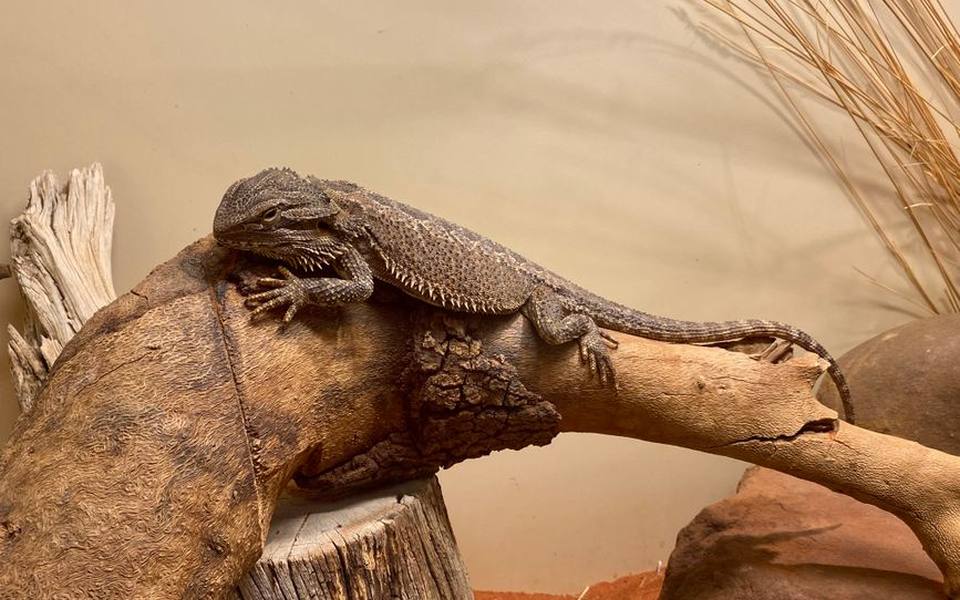
Bearded Dragon Brumation and Metabolic Bone Disease: Signs, Causes, and Care
-
 Buying
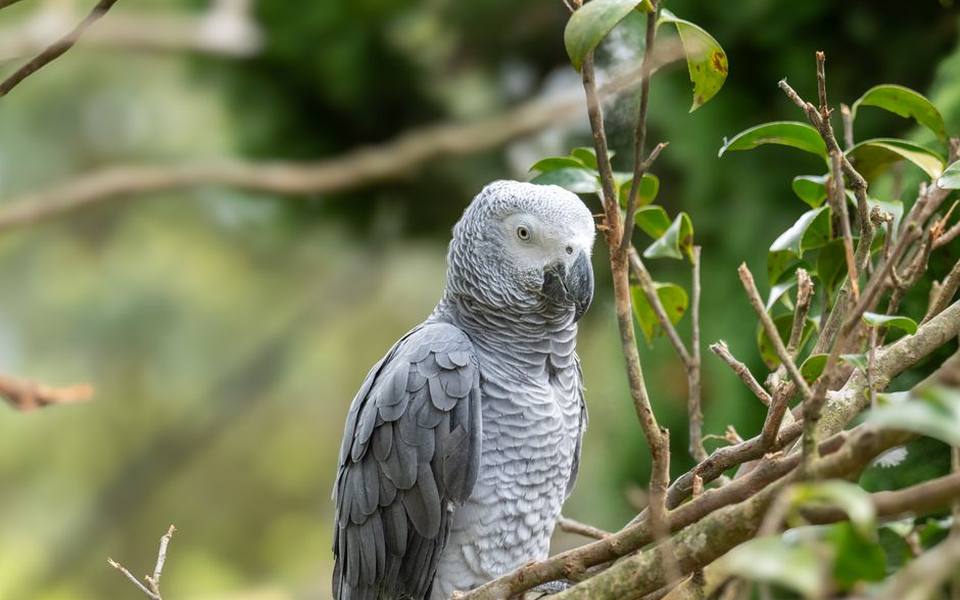
Parrot Ownership Guide: Prices, Types, and Avian Basics
-
 Owning
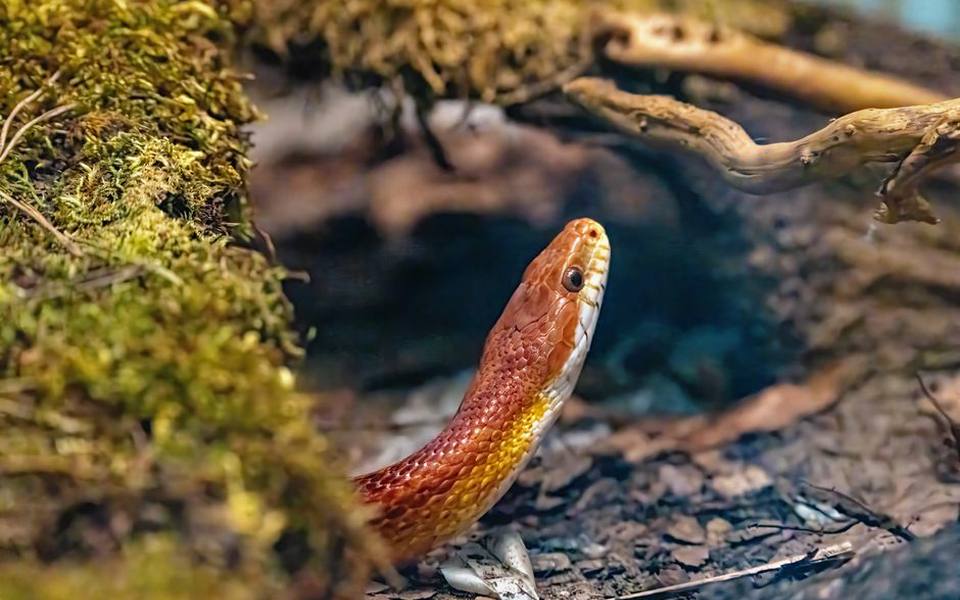
Complete Guide to Snake Mite Treatment: Products, Safe Sprays, and Vet Care
-
 Money
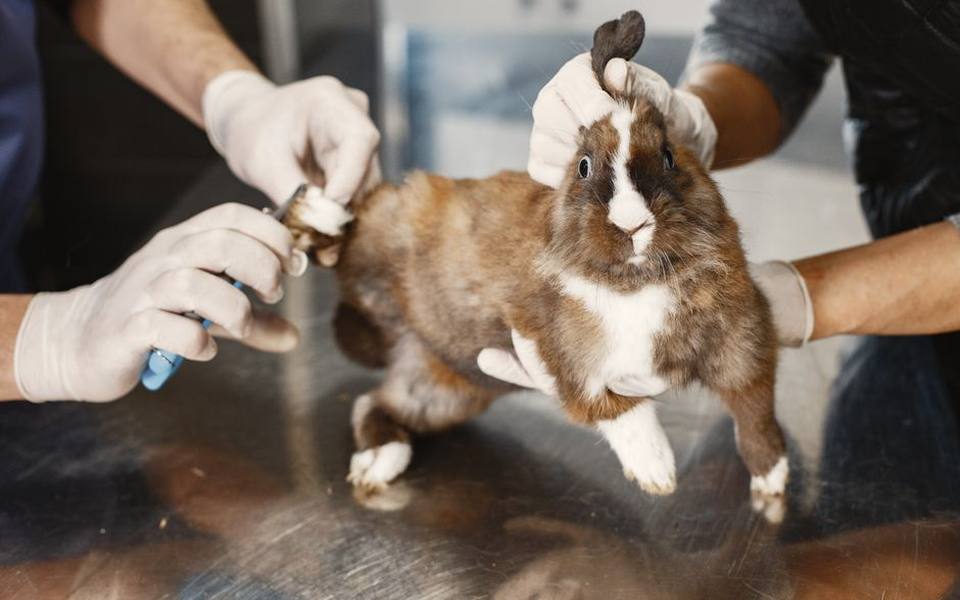
MoneyRabbit Spay and Neuter Costs: Vaccinations and Low-Cost Vet Options
-
 Owning
What Are Amphibians? Traits, Classification, and Pet Care Basics
-
 Owning
How to Get an Exotic Pet License: Legal Permits and Animal Ownership Laws
-
 Owning
Reptile Health Guide: Bearded Dragon Brumation, Metabolic Bone Disease, and Snake Mite Control
-
 Money
MoneyRabbit Spay, Neuter, and Vaccination Costs: Low-Cost Vet Guide