The Critical Differences Between General Practices and Exotic Animal Care
Finding medical care for an uncommon companion starts with recognizing that standard veterinary licensing covers dogs and cats far more thoroughly than reptiles, birds, or pocket pets. Most neighborhood practices focus primarily on domestic canines and felines, meaning their diagnostic tools, surgical equipment, and pharmaceutical dosages are tailored specifically to those species. When you bring an exotic animal into a conventional setting, the attending clinician may lack the specialized anatomical training needed to spot early metabolic disturbances or respiratory distress.
A dedicated exotic pets veterinary clinic operates under a fundamentally different model than a standard community clinic. These facilities invest in micro-instrumentation, precise gram scales, specialized incubators, and anesthesia delivery circuits designed for patients weighing mere fractions of a pound. Furthermore, exotic clinicians typically spend several years pursuing targeted continuing education or formal residency programs. Choosing a provider with specific exotic credentials prevents misdiagnoses that frequently occur when traditional mammalian parameters are applied to delicate non-traditional pets.
Routine checkups also demand a different approach because non-traditional species are prey animals that instinctively conceal outward symptoms of disease. A veterinarian without regular exposure to these species may misinterpret subtle posture changes, mild cloacal swelling, or minor skin dullness as normal baseline behavior. When owners seek specialized care, they are not simply booking a routine exam; they are paying for a professional trained to detect problems long before life-threatening crises emerge.
Navigating Medical Centers Versus Animal Wellness Facilities
While reviewing regional clinic directories, you will often encounter facilities labeled either as an animal and exotic wellness center or as a comprehensive animal & exotic medical center. While these titles sound interchangeable, they frequently denote distinct levels of diagnostic and surgical capability. A wellness-focused outpatient practice usually handles baseline annual exams, fecal screenings, basic nutritional counseling, and minor husbandry guidance, which works well for preventative checkups.
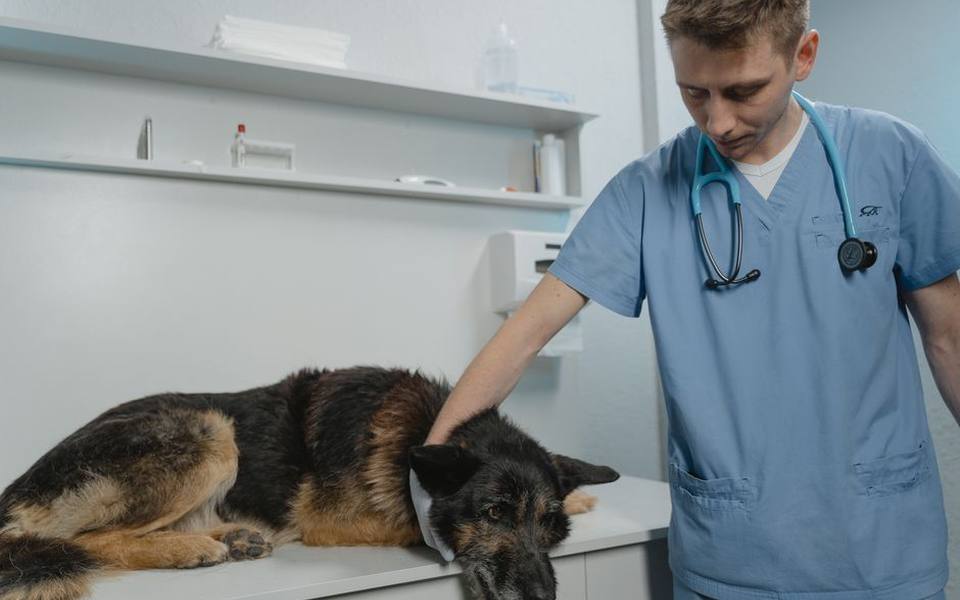
In contrast, a dedicated medical center is structured to manage complex systemic pathology, intensive hospitalization, and soft-tissue or orthopedic surgery. These larger practices typically house digital radiography units calibrated for avian and small-bone imaging, rigid endoscopes for internal biopsies, and point-of-care laboratory analyzers calibrated for tiny blood samples. Knowing the tier of the facility you are visiting helps prevent delays when an animal requires advanced diagnostic intervention rather than a routine fecal check.
Choosing between a preventative wellness clinic and an advanced clinical center often comes down to your animal's current life stage and chronic risk factors. Younger animals thriving in verified, pristine enclosure setups may do wonderfully with a local wellness clinic for regular baseline charting. However, aging animals or species notoriously prone to dental disease, reproductive complications, or neoplasia generally benefit from establishing a primary relationship with a full-service medical facility equipped for rapid surgical care.
Evaluating Qualifications in Reptile and Amphibian Medicine
Locating a qualified herp veterinarian involves looking past broad marketing claims to confirm actual clinical competency with ectothermic biology. Reptiles possess complex metabolic pathways that depend entirely on external temperatures, environmental humidity, and photoperiod cycles. A true reptile specialist will routinely ask detailed questions regarding your terrarium gradient, basking surface temperatures, ultraviolet lighting bulb age, and calcium supplementation schedules before ever beginning their physical hands-on examination.
When evaluating a potential provider, verify whether the doctor belongs to professional bodies like the Association of Reptilian and Amphibian Veterinarians or holds board certification through specialized avian and exotic companion colleges. Board-certified reptile specialists complete rigorous peer-reviewed case logs and written examinations proving their mastery of chelonian shell repair, squamate renal disease, and amphibian skin diagnostics. Seeking out a verified reptile veterinary specialist significantly lowers the risk of catastrophic medication errors, such as administering toxic antibiotics or inappropriate fluids.
The physical layout of the examination room also reveals the clinic's standard of reptilian care. Knowledgeable practitioners provide supplemental warming pads or ceramic heat elements during the appointment, recognizing that cool room temperatures can drop a reptile's heart rate and alter clinical diagnostics. They also keep sterile supplies on hand to safely collect blood from the ventral tail vein or jugular without damaging delicate scales or spinal processes.
Assessing Local and Regional Independent Exotic Practices
Pet owners searching for nearby care often find historical, community-named clinics such as the opossum pike veterinary clinic or regional outpatient offices like island exotics veterinary care. These community-anchored practices can offer exceptional, personalized attention, but owners must still conduct objective due diligence regarding their exotic caseload. In suburban or semi-rural regions, an established opossum pike vet practice may employ a mix of mixed-animal practitioners alongside one or two dedicated exotic clinicians.
To evaluate whether an independent regional office is prepared for your specific species, call ahead and ask straightforward questions about their regular patient volume. Inquire how many rabbits, ferrets, or bearded dragons the primary staff treats in an average week, and confirm whether they maintain species-appropriate hospitalization wards. A clinic where small non-traditional animals make up less than five percent of the overall caseload may not have the staff familiarity required to handle fragile patients safely.
Staff familiarity extends beyond the licensed veterinarian to the registered veterinary technicians and reception staff. Technicians who primarily hold large dogs may inadvertently apply dangerous chest compression to a guinea pig or panic when handling a large constrictor. High-quality community clinics ensure that their entire nursing team receives continuous training in exotic restraint techniques, vein preservation, and low-stress handling practices that keep your pet safe.
Planning for Emergencies and After-Hours Veterinary Interventions
A sudden health crisis with a non-traditional pet is inherently stressful, largely because most 24-hour emergency animal hospitals do not accept exotics. Standard emergency clinics often lack exotic-sized endotracheal tubes, warming incubators, and doctors confident in performing life-saving stabilization on tiny patients. Finding reputable emergency exotic vets should always happen the day you bring an animal home, long before an urgent incident like severe lethargy, prolapse, or gastrointestinal stasis occurs.
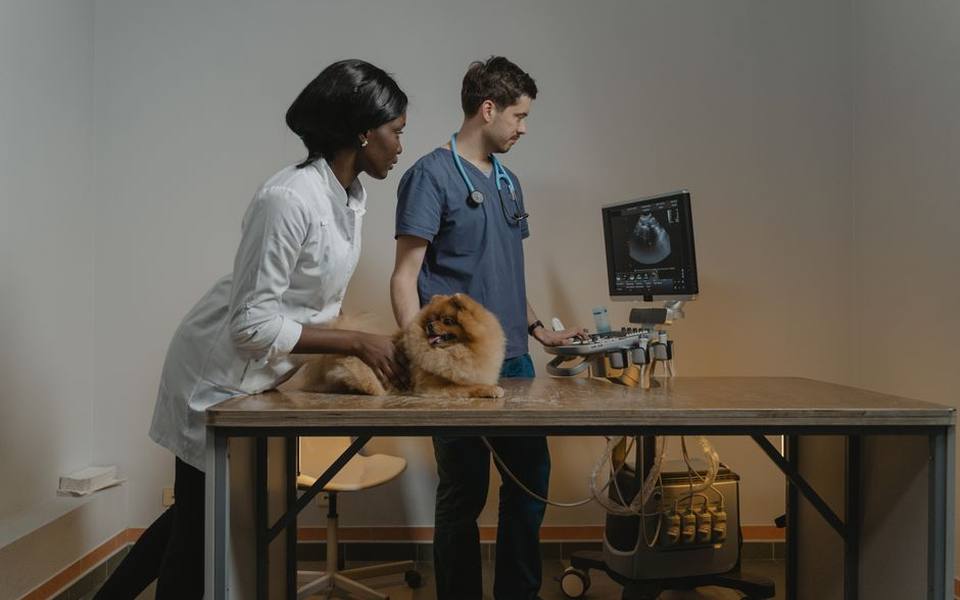
When mapping out emergency options, determine whether the closest after-hours center truly has an exotic doctor on premises or merely offers supportive palliative care until a specialist arrives in the morning. Some regional referral hubs operate like dedicated centers such as medlin exotic animal medical services, featuring on-call specialty surgeons who manage acute trauma, foreign body obstructions, and egg binding overnight. Having these telephone numbers and driving routes recorded ahead of time eliminates critical delays.
In many communities, owners may need to travel an hour or more to access a facility with an on-duty exotic critical care team. If your primary veterinary clinic does not offer round-the-clock emergency support, request a formal emergency protocol from them during your initial wellness visit. Reliable practices always keep an updated list of regional after-hours facilities with verified exotic capabilities to share directly with their regular clients.
Advanced Diagnostics and Specialized Surgical Procedures
Modern exotic medicine has evolved far past simple visual assessments and empirical antibiotic therapy. Advanced facilities offering comprehensive exotic pet medical care now employ high-resolution ultrasound, computed tomography scanning, and specialized rigid endoscopy for internal inspections. These cutting-edge diagnostic tools allow clinicians to detect hepatic lipidosis, follicular stasis, or microscopic bladder stones without resorting to highly invasive exploratory surgical incisions.
Surgical interventions on smaller exotic animals also demand specialized anesthesia protocols and meticulous thermal support. Because small mammals and avian patients lose body heat rapidly under general anesthesia, top-tier surgical suites use forced-air warming blankets, micro-stream capnography, and Doppler blood pressure monitors. Anesthesia is typically managed using dedicated sevoflurane or isoflurane vaporizers calibrated specifically to minimize respiratory depression in patients with exceptionally low tidal volumes.
Post-operative recovery protocols are equally vital when deciding where your animal undergoes surgery. A well-equipped medical center provides humidified, temperature-controlled oxygen cages where animals can awaken safely under constant nursing surveillance. Pain management protocols must also be modern and aggressive, utilizing multimodal analgesia to prevent secondary complications such as lethal post-operative gut shutdown in herbivores.
Understanding Regional Veterinary Availability Across the Country
The geographic distribution of exotic pet specialists varies substantially depending on population density and local regulations governing non-traditional pets. In densely populated states with robust exotic pet communities, finding an accredited provider is comparatively straightforward. Across the country, extensive regional directories index hundreds of active clinics, with comprehensive state listings helping owners identify certified clinicians even in secondary metropolitan regions.
For instance, our directory catalogs 1,872 verified listings across top states, with heavily populated areas offering deep clinical coverage. Owners searching California exotic pet directories can choose from 336 individual listings, while Texas features 282 providers and Florida maintains 269 clinics. However, in more rural states or regions with strict wildlife and exotic ownership laws, owners frequently need to plan for substantial drives to reach the nearest dedicated veterinary specialist.
Because specialized clinical coverage can be sparse outside major urban corridors, established owners often build networks with nearby university veterinary teaching hospitals. Academic institutions regularly house dedicated zoological medicine departments that provide routine, specialty, and emergency services. These tertiary care hospitals serve as vital community resources, offering access to leading clinical researchers, rare pharmaceuticals, and round-the-clock intensive care units.
Vetting Boarding Facilities and Hospitalization Suites
Finding reliable boarding for an exotic animal presents unique challenges that standard boarding kennels cannot address safely. Traditional facilities designed for barking dogs and curious cats create extreme auditory and olfactory stress for prey species like guinea pigs, chinchillas, and birds. When evaluating boarding services, verify that the facility maintains an entirely separate, sound-dampened ward designated exclusively for non-traditional pets with strict temperature control.
Medical boarding requires even closer inspection, particularly if your pet requires daily oral medications, subcutaneous fluid therapy, or scheduled syringe feedings. The facility should have licensed veterinary technicians directly administering treatments rather than relying on uncertified kennel attendants. Ask about their intake protocols, daily monitoring checklists, and whether a supervising exotic veterinarian remains on call throughout weekends and holidays to manage unexpected health declines.
Biosecurity is another crucial factor when choosing an exotic boarding or hospitalization ward. The facility must enforce rigid disinfection protocols and require documented negative fecal screenings or viral tests prior to admitting boarding guests. Without these precautions, infectious conditions like cryptosporidiosis, psittacosis, or viral respiratory infections can pass easily between adjacent enclosures.
Safe Transportation and Preparing for Your Clinical Visit
Preparing an exotic pet for veterinary transit requires thoughtful planning to avoid unnecessary stress or dangerous temperature fluctuations along the way. Small mammals and birds should always travel in secure, hard-sided carriers lined with clean, lint-free towels rather than loose cedar or pine shavings that produce respiratory irritation. For cold-blooded reptiles, insulated coolers or fabric transport bags placed alongside wrapped, warm water bottles help sustain vital core body heat.

Before your appointment, gather thorough documentation regarding your pet's domestic environment to share with the medical team. Take clear photographs of the entire enclosure setup, including heating lamps, thermostats, substrate, water sources, and cage dimensions. Bring exact product names of all commercial diets, seed mixes, and vitamin supplements, as dietary deficiencies and husbandry errors account for an overwhelming majority of exotic veterinary complaints.
Collecting fresh stool samples within twelve to twenty-four hours of your scheduled appointment ensures the laboratory can run accurate parasitic evaluations. Keep the fecal sample sealed in a clean, airtight bag or plastic container at cool room temperature. Arriving with complete environmental records and biological samples allows your clinician to make diagnostic decisions efficiently without unnecessary repeat visits.
Establishing a Long-Term Healthcare Strategy for Uncommon Pets
Maintaining long-term wellness for unique companions requires building an active partnership with a qualified clinician rather than relying solely on reactive, crisis-driven visits. Pet owners often begin their search using broad online queries, looking for an exotic pets veterinary clinic or occasionally misspelling terms as exatic animals during urgent moments. Taking the time to locate and vet a reputable specialist early establishes a baseline of health records that proves invaluable as the animal ages.
A comprehensive long-term healthcare strategy should always incorporate annual or semi-annual wellness bloodwork, baseline dental radiographs, and periodic nutritional audits. Establishing normal physiological baselines while your pet is energetic and healthy gives your veterinarian a definitive reference point when evaluating ambiguous clinical symptoms in the future. Small deviations in liver enzymes or white blood cell counts can signal developing issues long before physical symptoms appear.
By utilizing a centralized national exotic veterinary directory, pet owners can identify accredited providers, evaluate clinical capabilities, and maintain proactive wellness schedules. Investing time into researching exotic clinics ensures your companion receives the informed, gentle, and scientifically rigorous medical attention required for a long, healthy life.
Published 2026-09-21 · reviewed with each rebuild, last September 2026.
Find exotic pet vets near you
The directory lists 3,226 exotic pet vets by state and city — pick your state or use the “Near me” button in the header.
More guides
-
 Owning
What Are Amphibians? A Complete Guide to Amphibians as Exotic Pets
-
 Money
MoneyHow to Find Affordable and Emergency Vet Care for Exotic Pets
-
 Money
MoneyHow Much Does a Parrot Cost? Complete Exotic Bird and Pet Care Price Guide
-
 Owning
Can You Keep a Capybara as a Pet? Legality, Care, and Diet Requirements
-
 Owning
How to Treat and Get Rid of Snake Mites Safely
-
 Owning
Keeping Exotic Mammals: Can You Have a Fennec Fox or Kinkajou as a Pet?
-
 Money
MoneyLow-Cost Rabbit Neutering: What to Expect and How to Find Affordable Care
-
 Owning
What Is an Avian Pet? A Guide to Bird Care and Specialized Veterinary Medicine
-
 Service
How to Find and Choose the Right Exotic Pet Veterinarian
-
 Owning
Swim Bladder Disease in Aquarium Fish: Causes, Symptoms, and Treatment
-
Owning
How to Identify and Treat Mites and Skin Parasites in Reptiles, Snakes, and Rabbits
-
Safety
Rabbit GI Stasis Guide: Symptoms, Emergency Care, and Prevention
-
 Owning
Bearded Dragon Health Guide: Brumation, Impaction, Fungus, and Skin Issues
-
 Safety
Hamster Wet Tail Disease: Causes, Symptoms, Treatment, and Prevention
-
 Owning
Clinical Care Guide: Common Illnesses in Ferrets, Pythons, and Rabbits
-
Owning
Sugar Glider Diet and Feeding Guide: BML, TPG, and Nutritional Balance
-
Owning
Bird Grooming Guide: Wing Trimming, Beak Care, and Nail Maintenance
-
 Money
MoneyExotic Pet Insurance and Vet Costs: What Is Covered and Is It Worth It?
-
 Owning
Legal Exotic Pets and Ownership Laws: Permits, Licenses, and State Regulations
-
Owning
Bird Feather Plucking and PBFD: Causes, Symptoms, and Diagnostic Steps
-
 Service
Psittacine Health and Avian Veterinary Care Guide
-
 Owning
Clinical Guide to Reptile Shell Disorders, Shedding Complications, and Impaction
-
 Owning
Small Mammal Healthcare: Managing Chronic Illness and Emergencies
-
 Safety
Avian Egg Binding and Yolk Peritonitis: Emergency Care and Clinical Protocols
-
 Owning
Bird Grooming, Wing Maintenance, and Early Illness Signs
-
 Service
Backyard Poultry and Waterfowl Veterinary Care Guide
-
 Buying
Exotic Pet Ownership: Legal Rules, Realistic Costs, and Beginner Options
-
 Service
Aquatic Medicine: Treating Swim Bladder and Fish Infections
-
 Money
MoneyRabbit Spay, Neuter, and Vaccination Costs: Complete Veterinary Guide
-
 Owning
Understanding Amphibians: Characteristics, Classification, and Pet Care Basics
-
 Owning
Bearded Dragon Brumation and Metabolic Bone Disease: Signs, Causes, and Care
-
 Buying
Parrot Ownership Guide: Prices, Types, and Avian Basics
-
 Owning
Complete Guide to Snake Mite Treatment: Products, Safe Sprays, and Vet Care
-
 Money
MoneyRabbit Spay and Neuter Costs: Vaccinations and Low-Cost Vet Options
-
 Owning
What Are Amphibians? Traits, Classification, and Pet Care Basics
-
 Owning
How to Get an Exotic Pet License: Legal Permits and Animal Ownership Laws
-
 Owning
Reptile Health Guide: Bearded Dragon Brumation, Metabolic Bone Disease, and Snake Mite Control
-
 Money
MoneyRabbit Spay, Neuter, and Vaccination Costs: Low-Cost Vet Guide
-
 Money
MoneyHow Much Does an Exotic Vet Cost? Emergency, Routine, and In-Home Care Guide