Recognizing when your rabbit's digestive system shuts down
Gastrointestinal stasis, commonly called GI stasis or gut slowdown, is a potentially life-threatening medical emergency where a rabbit's muscular contractions in the stomach and intestines slow to a crawl or stop entirely. Because rabbits are hindgut fermenters built to graze continuously, an empty or immobile digestive tract allows gas to accumulate, causes painful distension, disrupts the cecal microflora balance, and can lead to hepatic lipidosis within twenty-four to forty-eight hours. If your bunny refuses food or stops passing stool for more than eight to twelve hours, you are dealing with an urgent veterinary situation.
The condition is not an independent disease on its own, but rather a severe secondary symptom triggered by an underlying disturbance. Dental spikes, emotional stress, sudden dietary shifts, systemic infections, arthritis discomfort, or dehydration can all prompt a rabbit to stop eating, which quickly halts gut motility. Once the digestive tract pauses, dry ingesta and hair consolidate into a hard, dehydrating mass inside the stomach or cecum, creating a dangerous cycle of escalating pain and deepening anorexia.
Catching the early onset of bunny gastrointestinal stasis makes an immense difference in survival rates and recovery time. While an established gut shutdown requires clinical intervention from a veterinary team, recognizing the shift during the initial phase lets owners implement gentle supportive care and organize urgent transportation before the rabbit enters hypothermic shock or develops a complete secondary physical obstruction.
Early warning signs and subtle behavioral shifts
Rabbits are prey animals that deliberately conceal physical weakness and discomfort until an illness has progressed significantly. The earliest signs of rabbit gut stasis often involve subtle personality changes rather than overt distress. You might notice your rabbit ignoring their morning pellets, leaving a favorite fresh green untouched, or failing to greet you at their enclosure door. They may retreat into a quiet corner, show reluctance to hop around, or appear unusually disinterested in normal daily interaction.

Postural indicators provide critical insight into gut discomfort. A bunny experiencing abdominal cramping will frequently adopt a hunched posture, sitting tightly with their paws pulled under their chest and their abdomen pressed flat against the floor to relieve gas pressure. You may also hear loud, hollow gut gurgles from across the room, or conversely, an ominous complete silence when placing your ear against their flank. Loud, rhythmic tooth grinding—distinct from the soft, rhythmic purring tooth chatter heard when a rabbit is relaxed—is an unambiguous indicator of severe abdominal pain.
As the digestive tract stalls, core body temperature begins to drop alongside systemic blood pressure. A rabbit entering critical GI stasis will often have cool ears, pale or dusky mucous membranes, and a glazed, unfocused stare. Testing their interest with a fragrant treat like fresh cilantro or dill can serve as an immediate litmus test; an enthusiastic herbivore that turns their head away or actively pushes the treat aside requires immediate medical scrutiny.
Evaluating droppings, cecotrope changes, and soiled hindquarters
A rabbit's litter box is the most reliable barometer of their internal health, and monitoring stool output reveals digestive trouble long before outward collapse occurs. During the initial slowdown, fecal pellets typically become noticeably smaller, darker, hard, and misshapen, sometimes appearing teardrop-shaped or oval rather than uniformly spherical. You may also see fecal pellets strung together by ingested fur, known among owners as a string of pearls, indicating that ingested hair is passing through sluggish intestines without adequate hydration and fiber.
True diarrhea in adult rabbits is rare, catastrophic, and constitutes a fatal emergency, but owners frequently confuse it with unformed cecotropes sticking to the fur. A messy condition colloquially termed a poopy butt rabbit occurs when the cecum dysbiosis prevents normal formation of nutrient-rich night feces, or when obesity and spinal pain prevent the rabbit from ingesting them directly from the vent. These sticky, pungent, unformed cecotropes smear across the perineum, tail, and hind legs, creating severe hygiene problems, skin scald, and a prime target for flystrike.
Distinguishing between small, dry stasis pellets and smeared cecotropes helps veterinarians pinpoint where the digestive breakdown originated. When you inspect the vent area, avoid giving stressful submersive baths that risk hypothermia and shock; instead, gently spot-clean the soiled fur with lukewarm water and a clean towel. Documenting the exact size, texture, and frequency of recent droppings will provide vital diagnostic context when you contact an exotic animal hospital.
Slow gut motility versus true acute gastrointestinal obstruction
Before administering any home supportive care, it is crucial to understand the fundamental difference between standard gut slowdown and an acute physical blockage. In simple rabbit GI stasis, the stomach contents gradually desiccate over hours or days, leaving a doughy, firm, but compressible mass in the abdomen. The rabbit typically declines gradually, exhibiting progressive lethargy, diminishing appetite, and decreasing pellet size over twelve to thirty-six hours.
In contrast, acute gastrointestinal obstruction occurs when a dense foreign body, compressed hair pellet, or severe twist suddenly blocks the narrow pylorus or upper duodenum. Obstruction strikes with terrifying speed: a rabbit that was energetic two hours prior may suddenly collapse, thrash in agony, bloat visibly, and experience a rapid drop in body temperature below one hundred degrees Fahrenheit. Their abdomen becomes hard, rigid, and drum-like as the stomach fills with trapped fluid and gas.
Attempting to force-feed a rabbit suffering from a complete obstruction can rupture the stomach wall, resulting in immediate death. If your rabbit's abdomen feels tight and distended like an overinflated balloon, if they appear in agonizing pain, or if their rectal temperature is dangerously low, do not attempt home feeding. Transport them immediately to a clinic equipped for emergency exotic surgeries and urgent radiography.
Immediate steps to take before heading to the veterinary clinic
When you first notice signs of bunny GI stasis, remaining calm and taking measured, methodical steps will protect your rabbit from worsening shock. First, assess their body temperature, as a cold rabbit cannot metabolize nutrients or process oral medications. Normal rabbit rectal temperature ranges between 101.5 and 103.5 degrees Fahrenheit; if their temperature has slipped below 100 degrees, immediately wrap them in a warm towel warmed in the dryer or place them beside a covered, lukewarm hot water bottle.
Next, gently palpate their abdomen with flat fingers to verify that it remains soft and pliable rather than swollen and rigid. If the stomach feels soft and your veterinarian is already on alert, you may offer drops of unflavored electrolyte water or infant simethicone liquid to help break up painful gas bubbles. Simethicone is an inert substance that changes the surface tension of gas pockets without entering the bloodstream, making it a relatively low-risk comfort measure while arranging clinical care.
Never attempt to aggressively massage a distended stomach or force large volumes of fluids down an unresponsive animal's throat. Gather a baseline history of when the rabbit last ate, the appearance of their most recent droppings, and any medications they currently take. Locate an open facility through a comprehensive state-by-state directory of clinics capable of handling delicate exotic species, and prepare a secure, warm transport carrier lined with dry towels.
Emergency syringe feeding and herbivore recovery nutrition
Assisted feeding forms the backbone of managing non-obstructive gut stasis under veterinary direction, ensuring the cecal microbes receive the fermentable fiber necessary to resume intestinal motility. Commercial recovery formulas, such as Oxbow Critical Care or comparable herbivore critical care powders, are specifically formulated with high-fiber timothy meal, stabilized vitamins, and essential electrolytes. Mixing an oxbow rabbit critical care formula with warm water creates a nutrient-dense slurry designed to pass smoothly through feeding syringes while rehydrating the digestive tract.
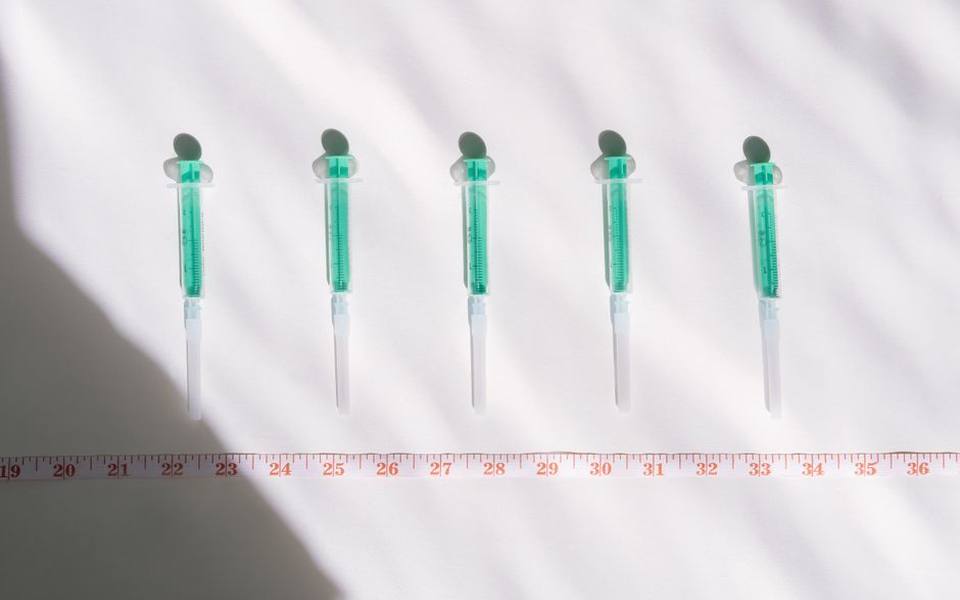
Preparing the mixture correctly is essential for safe administration. Blend the oxbow critical care herbivore powder with warm water until it reaches the consistency of smooth, pourable applesauce, avoiding clumpy textures that jam the syringe tip. Using a wide-bore catheter-tip syringe allows the coarse, beneficial fibers to flow without requiring excessive plunger pressure. Always prepare fresh portions for each feeding session, as warm recovery food left standing can rapidly harbor bacterial growth.
Technique matters far more than speed when feeding a compromised rabbit. Wrap the rabbit securely in a towel on a low table or in your lap, holding them in a natural, upright sitting position with their head level—never tilted backward like a human infant, which can cause fatal aspiration into the lungs. Insert the syringe tip gently into the corner of the mouth behind the incisors, directing the nozzle toward the back cheek, and dispense no more than one milliliter at a time, allowing the rabbit ample time to chew and swallow.
If the rabbit actively fights the syringe, drools the formula out, or shows signs of respiratory distress, cease feeding immediately. Forcing food into an animal that cannot swallow or whose gut is completely immobilized risks severe pulmonary aspiration. Syringe feeding must always complement, rather than replace, professional diagnostic evaluation and prescription veterinary therapy.
Professional medical treatments and clinical diagnostics
Upon arriving at an emergency hospital, a veterinarian will perform a thorough physical examination, listen for gut sounds with a pediatric stethoscope, and likely recommend abdominal radiographs. X-rays are the gold standard for differentiating simple stasis from a surgical obstruction, revealing the exact location of gas pockets, the density of stomach contents, and the presence of foreign material. Blood work may also be performed to evaluate blood glucose and kidney values, as elevated glucose levels often correlate directly with the severity of systemic pain.
Clinical treatment focuses on aggressive rehydration, pain management, and gentle motility stimulation. Subcutaneous or intravenous fluids are typically administered to rehydrate the hardened food mass trapped in the stomach, softening it so normal peristalsis can push it through the intestinal loops. Pain relief is paramount; veterinarians frequently prescribe targeted nonsteroidal anti-inflammatory drugs like meloxicam, or temporary opioid analgesics in severe cases, because a rabbit in pain will stubbornly refuse to resume eating on their own.
Motility agents, such as metoclopramide or cisapride, may be introduced once the veterinarian confirms that no physical blockage exists. These prescription medications stimulate the muscular contractions of the stomach and intestines, coaxing the GI tract back into regular rhythm. Working with dedicated exotic pet veterinarians ensures that dosing calculations and medication choices are tailored specifically to unique rabbit pharmacology rather than adapted hastily from canine or feline medicine.
Rebuilding the diet to prevent future digestive breakdowns
Long-term prevention of gastrointestinal stasis begins with an uncompromising commitment to proper dietary fiber. A healthy adult rabbit's daily food intake must consist of at least eighty percent fresh, aromatic grass hay, such as timothy, orchard grass, oat hay, or meadow grass. The long, coarse strands of hay provide the physical indigestible fiber that mechanically scrapes dental crowns down and drives continuous peristaltic contractions through the stomach and intestines.
Commercial pellets should be strictly limited rather than offered as a primary food source. High-quality, plain timothy-based pellets without colorful seeds, dried corn, or sugary cereal pieces should typically be metered to roughly one-eighth to one-quarter cup per five pounds of body weight daily, depending on the animal's metabolism. Excess carbohydrates disrupt the delicate microflora inside the cecum, prompting explosive gas production and setting the stage for recurring bouts of stasis.
Hydration works hand-in-hand with fiber to keep the digestive contents pliable and moving smoothly. Providing fresh, cool water in heavy ceramic crocks encourages significantly greater water intake than hanging ball-bearing water bottles, which restrict natural drinking mechanics. Daily offerings of washed, damp leafy greens—including romaine lettuce, cilantro, parsley, and dandelion greens—supply both trace micronutrients and critical supplemental moisture directly into the gut lumen.
Stress reduction, dental maintenance, and home wellness monitoring
Diet alone cannot prevent gut slowdown if environmental stressors and underlying health problems are left unaddressed. Rabbits possess sensitive nervous systems that respond strongly to disruptions such as predatory household pets, construction noise, unfamiliar visitors, or sudden territorial changes. Prolonged stress triggers adrenaline release, which naturally shunts blood circulation away from the intestines and suppresses normal digestive contractions.
Dental pathology represents another leading silent catalyst for chronic stasis episodes. Rabbits have open-rooted teeth that grow continuously throughout their lives; if the dental surfaces wear down unevenly, razor-sharp molar spurs develop that lacerate the tongue and cheeks. If your pet exhibits chewing hesitance, drops pellet pieces, or shows wet fur around their chin, schedule an oral exam with a rabbit and small mammal veterinarian who can safely inspect the back molars with specialized scopes.
Regular grooming routines during heavy shedding seasons protect your rabbit from ingesting massive quantities of loose fur during daily self-cleaning. Because rabbits cannot vomit, all ingested hair must travel completely through the gastrointestinal tract. Daily brushings, plenty of running exercise outside their enclosure, and keeping an assembled emergency kit with feeding syringes, recovery formula, and a digital thermometer at home provide the best defense against unexpected gut slowdown emergencies.
Published 2026-09-21 · reviewed with each rebuild, last September 2026.
Find exotic pet vets near you
The directory lists 3,226 exotic pet vets by state and city — pick your state or use the “Near me” button in the header.
More guides
-
 Owning
What Are Amphibians? A Complete Guide to Amphibians as Exotic Pets
-
 Money
MoneyHow to Find Affordable and Emergency Vet Care for Exotic Pets
-
 Money
MoneyHow Much Does a Parrot Cost? Complete Exotic Bird and Pet Care Price Guide
-
 Owning
Can You Keep a Capybara as a Pet? Legality, Care, and Diet Requirements
-
 Owning
How to Treat and Get Rid of Snake Mites Safely
-
 Owning
Keeping Exotic Mammals: Can You Have a Fennec Fox or Kinkajou as a Pet?
-
 Money
MoneyLow-Cost Rabbit Neutering: What to Expect and How to Find Affordable Care
-
 Owning
What Is an Avian Pet? A Guide to Bird Care and Specialized Veterinary Medicine
-
 Service
How to Find and Choose the Right Exotic Pet Veterinarian
-
 Owning
Swim Bladder Disease in Aquarium Fish: Causes, Symptoms, and Treatment
-
Owning
How to Identify and Treat Mites and Skin Parasites in Reptiles, Snakes, and Rabbits
-
 Owning
Bearded Dragon Health Guide: Brumation, Impaction, Fungus, and Skin Issues
-
 Safety
Hamster Wet Tail Disease: Causes, Symptoms, Treatment, and Prevention
-
 Owning
Clinical Care Guide: Common Illnesses in Ferrets, Pythons, and Rabbits
-
Owning
Sugar Glider Diet and Feeding Guide: BML, TPG, and Nutritional Balance
-
Owning
Bird Grooming Guide: Wing Trimming, Beak Care, and Nail Maintenance
-
 Money
MoneyExotic Pet Insurance and Vet Costs: What Is Covered and Is It Worth It?
-
 Owning
Legal Exotic Pets and Ownership Laws: Permits, Licenses, and State Regulations
-
Owning
Bird Feather Plucking and PBFD: Causes, Symptoms, and Diagnostic Steps
-
 Service
Psittacine Health and Avian Veterinary Care Guide
-
 Service
How to Find and Evaluate Exotic Pet Clinics, Specialists, and Emergency Care
-
 Owning
Clinical Guide to Reptile Shell Disorders, Shedding Complications, and Impaction
-
 Owning
Small Mammal Healthcare: Managing Chronic Illness and Emergencies
-
 Safety
Avian Egg Binding and Yolk Peritonitis: Emergency Care and Clinical Protocols
-
 Owning
Bird Grooming, Wing Maintenance, and Early Illness Signs
-
 Service
Backyard Poultry and Waterfowl Veterinary Care Guide
-
 Buying
Exotic Pet Ownership: Legal Rules, Realistic Costs, and Beginner Options
-
 Service
Aquatic Medicine: Treating Swim Bladder and Fish Infections
-
 Money
MoneyRabbit Spay, Neuter, and Vaccination Costs: Complete Veterinary Guide
-
 Owning
Understanding Amphibians: Characteristics, Classification, and Pet Care Basics
-
 Owning
Bearded Dragon Brumation and Metabolic Bone Disease: Signs, Causes, and Care
-
 Buying
Parrot Ownership Guide: Prices, Types, and Avian Basics
-
 Owning
Complete Guide to Snake Mite Treatment: Products, Safe Sprays, and Vet Care
-
 Money
MoneyRabbit Spay and Neuter Costs: Vaccinations and Low-Cost Vet Options
-
 Owning
What Are Amphibians? Traits, Classification, and Pet Care Basics
-
 Owning
How to Get an Exotic Pet License: Legal Permits and Animal Ownership Laws
-
 Owning
Reptile Health Guide: Bearded Dragon Brumation, Metabolic Bone Disease, and Snake Mite Control
-
 Money
MoneyRabbit Spay, Neuter, and Vaccination Costs: Low-Cost Vet Guide
-
 Money
MoneyHow Much Does an Exotic Vet Cost? Emergency, Routine, and In-Home Care Guide