Typical Costs to Alter a Pet Rabbit
In most states, the total expense to surgically alter a companion rabbit typically falls between $175 and $650, depending on the animal's biological sex, regional practice overhead, and the level of perioperative monitoring included. Male procedures usually settle on the lower end of that financial spectrum, while female procedures require deeper abdominal access and extended operative time, pushing them toward higher price tiers. Exotic companion mammals possess distinct respiratory systems and metabolic rates, which means basic clinical quotes rarely mirror the heavily subsidized rates common to canine or feline surgeries.
Regional overhead heavily influences how private practices establish their surgical tariffs. In dense metropolitan corridors, specialized animal hospitals often present complete surgical plans running from $450 to $800, packaging pre-anesthetic laboratory screens, modern gas maintenance, and take-home therapeutics together. Meanwhile, suburban practices or general community clinics with exotic caseloads may bill between $200 and $425 for identical procedures. Rabbit owners evaluating these initial quotes should view the operation not as a casual convenience, but as a primary baseline investment in long-term preventive healthcare.
Connecting with certified practitioners through dedicated directories of Rabbit & Small Mammal Vets allows caregivers to compare itemized estimates before scheduling an intake exam. Evaluating these quotes requires looking beyond the bottom-line total to understand what is covered. A clinic advertising an unusually low baseline surgical fee may bill separately for critical support items like pre-surgical blood testing, fluid administration, pain medications, or post-operative monitoring, which quickly elevates the final checkout total.
The Difference Between Spaying Females and Neutering Males
The anatomical difference between male castration and female ovariohysterectomy creates a noticeable price gap at almost every clinic. Castration for a male rabbit involves making small incisions either in the scrotum or pre-scrotal skin to isolate and remove the testes, which can take an experienced exotic clinician fifteen to twenty minutes of operating time. Because the abdominal wall remains untouched in standard male procedures, the patient spends less overall time under volatile anesthesia, reducing drug consumption and postoperative nursing needs.

Spaying a female rabbit, by contrast, is a major abdominal laparotomy that involves carefully entering the peritoneal cavity to remove both ovaries and the uterine horns. Female reproductive tracts in lagomorphs are notoriously vascular and friable, surrounded by delicate adipose tissue that demands meticulous ligatures and cautious tissue handling. The extended surgical duration increases anesthetic agent use, calls for active thermal support, and prolongs operative monitoring, routinely causing female procedures to cost $75 to $200 more than male operations at the same veterinary facility.
Recovery requirements also influence the final cost calculation between the sexes. Females generally require multiple multimodal analgesics for five to seven days post-op to prevent abdominal discomfort and secondary gastrointestinal stasis. Males frequently stabilize with just two or three days of mild anti-inflammatory therapy. Because an uncomfortable female rabbit is at high risk of refusing food after an invasive abdominal surgery, veterinary teams routinely dispense more supportive nutritional supplements and gut-motility aids alongside standard anti-inflammatories, incrementally increasing the take-home medication invoice.
Essential Vaccination and Wellness Visit Pricing
Routine preventative care for lagomorphs in North America centers around protection against Rabbit Hemorrhagic Disease Virus Serotype 2, widely known as RHDV2. The vaccine protocol typically costs between $35 and $85 per dose, depending on whether the clinic orders single-dose vials or participates in community multi-dose clinic days where costs are pooled. Most protocols require an initial two-dose primary series spaced three to four weeks apart for unexposed juveniles or newly acquired adults, followed by a mandatory annual booster to maintain systemic immunity.
An annual exotic wellness exam fee, which generally ranges from $65 to $130, is almost universally paired with the vaccine administration unless the owner attends a dedicated shelter clinic. During this visit, the clinician conducts a comprehensive physical evaluation that goes far beyond a quick needle prick, checking molar spurs with an otoscope, palpating the cecum and kidneys, and evaluating cardiac rhythm. These baseline assessments ensure the animal is sufficiently healthy to mount an effective immune response to the foreign viral antigens.
Caregivers should also budget for optional microchip placement, which typically costs $30 to $60 and can be performed conveniently while the animal is anesthetized for altering. When combining a comprehensive annual physical, initial two-step vaccination series, and microchipping, an owner should anticipate an upfront preventive care outlay of approximately $150 to $300 during the first year, exclusive of any surgical desexing interventions.
Evaluating What an All-Inclusive Surgery Quote Contains
A responsible surgical estimate for lagomorph desexing contains distinct safety protocols designed to manage species-specific risks. The gold standard package incorporates pre-anesthetic blood testing, typically running $80 to $175, which assesses kidney and liver function alongside packed cell volume. Because rabbits often conceal systemic illness, these panels uncover subclinical organ stress that could prevent the patient from clearing anesthetic agents efficiently, prompting the medical team to alter drug selections or postpone the operation.
Intravenous or subcutaneous fluid therapy represents another mandatory line item in high-quality surgical estimates. Fluids help sustain glomerular filtration, stabilize blood pressure, and counteract dehydration induced by operative stress. Advanced veterinary facilities also rely on specialized airway devices, such as customized rabbit supraglottic airway tubes, alongside pulse oximetry, capnography, and continuous electrocardiogram readings. These monitoring elements frequently add $50 to $120 to the baseline fee, but they drastically lower surgical mortality.
Finally, comprehensive quotes include sufficient take-home medications rather than leaving pain control as an optional add-on. Modern exotic medicine treats pain preemptively, combining injectable opioid-class agents during pre-medication with several days of oral non-steroidal anti-inflammatory liquid for home recovery. When reviewing an estimate from Exotic Pet Veterinarians and Specialist Clinics, verifying that diagnostics, specialized intraoperative fluids, and post-procedural pain management are itemized into the total prevents surprise charges on discharge day.
Unforeseen Expenses and Medical Complications
Even straightforward elective surgeries can present underlying physiological hurdles that inflate total costs. In male rabbits, cryptorchidism—a congenital condition where one or both testicles fail to descend fully into the scrotal sacs—transforms a quick external castration into an intricate internal abdominal exploration. Retrieving a retained abdominal testicle mirrors the surgical complexity and financial expenditure of a female spay, typically adding $100 to $250 above the standard male castration quote due to extended anesthesia and surgical dissection.
In intact female rabbits over two years of age, veterinary surgeons frequently discover advanced uterine pathology upon opening the peritoneal wall. Pre-existing conditions such as cystic endometrial hyperplasia, uterine aneurysms, or early-stage adenocarcinoma make tissues exceptionally friable and engorged with blood vessels. Managing these abnormal structural changes demands specialized surgical hemostatic clips, extra operative time, and occasional microscopic tissue biopsies, which can readily add $150 to $400 to an otherwise routine surgical plan.
Post-operative gastrointestinal stasis represents the most common medical complication following general anesthesia in small mammals. If a rabbit refuses to resume voluntary eating within twelve hours post-discharge, hospital re-admission for syringe-feeding therapy, motility stimulants, and subcutaneous rehydration may become necessary. Setting aside an emergency cushion of $200 to $500 provides crucial financial security should your pet require overnight supportive nursing to jumpstart normal digestive gut transit following their procedure.
Why Rabbit Anesthesia Requires Specialized Investment
The physiological vulnerability of lagomorphs during general anesthesia explains why altering a rabbit generally costs more than desexing an outdoor barn cat or shelter puppy. Rabbits have a high metabolic rate, narrow glottic openings, and an obligate nasal breathing anatomy that makes blind endotracheal intubation technically challenging. Securing a reliable airway requires trained exotic clinicians to use specialized pediatric endoscopes or species-specific airway devices, raising initial clinic overhead for equipment and veterinary staff training.
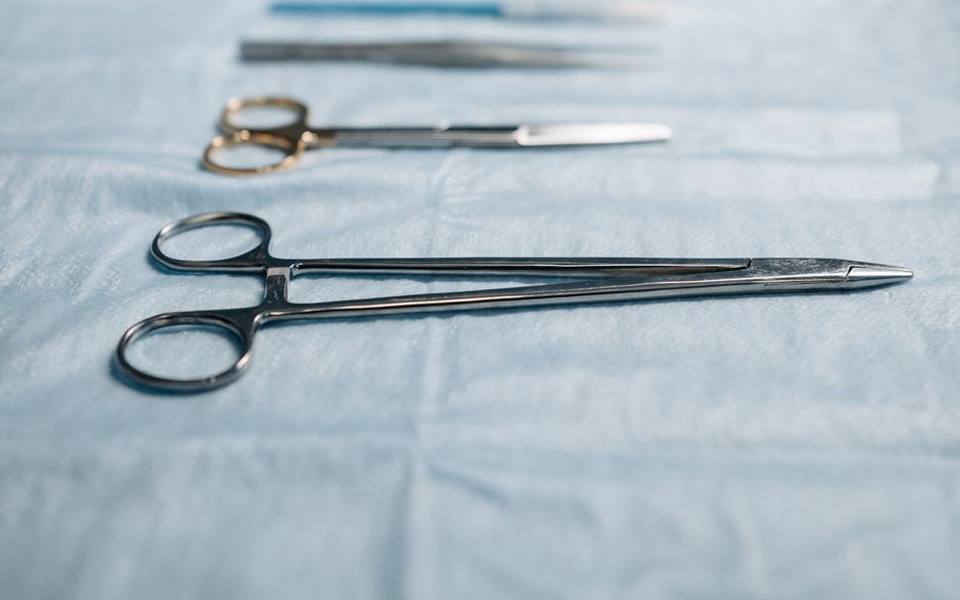
Furthermore, small herbivores lose body heat rapidly while under anesthetic maintenance, which can suppress cardiac function and slow down digestive motility. Safe operating suites deploy active circulating warm-water pads, forced-air warming blankets, and temperature-controlled recovery incubators to keep internal core body heat stable throughout the perioperative window. Maintaining these thermal support systems adds moderate facility use fees to the final patient invoice, but prevents life-threatening post-anesthetic hypothermia.
Staffing allocations during exotic procedures also factor directly into overall clinic fee structures. While routine dog or cat sterilizations might be monitored by a general assistant, rabbit anesthesia demands the uninterrupted attention of a dedicated veterinary nurse tracking respiratory carbon dioxide, heart rate, and tissue perfusion. The presence of focused technical personnel who do not step away to handle phone inquiries or manage front-desk duties ensures rapid intervention if parameters drift, reflecting true clinical value over cut-rate pricing.
Navigating Low-Cost Clinics and Subsidized Programs
Caregivers working with tighter household budgets have several reliable avenues for securing reduced-fee veterinary interventions. Non-profit animal welfare groups, municipal shelters, and regional rabbit rescue organizations often partner with local veterinarians to offer spay and neuter vouchers. These targeted subsidy vouchers can discount procedural rates down to an affordable $75 to $175 range, significantly reducing the initial barrier to preventative care for companion animals adopted outside traditional rescue systems.
High-volume spay and neuter organizations periodically open designated operating days for small mammals. While their pricing remains exceptionally competitive, rabbit owners should carefully verify whether the participating medical staff has specific exotic training. Ask if their clinical team uses specialized gas anesthesia like sevoflurane or isoflurane and whether patients receive pre-emptive analgesia. True savings should never come at the expense of species-specific protocols, such as avoiding prolonged pre-surgical fasting.
Another viable pathway for affordable veterinary care involves contacting state veterinary teaching hospitals or large non-profit humane societies that maintain specialized community medicine wings. Many university medical centers operate low-cost outreach services to expose veterinary students and specialty residents to common lagomorph procedures under the watchful eye of board-certified exotic companion mammal specialists. These programs deliver state-of-the-art monitoring and surgical precision at a fraction of standard private hospital rates.
Geographic Variations in Procedure Pricing Across the States
Veterinary fees fluctuate dramatically depending on the cost-of-living index, commercial rent prices, and exotic veterinarian density within specific geographic areas. For example, pet parents looking for Exotic Pet Vets in California frequently face average procedure totals between $450 and $900 for female spays at private hospitals, driven by coastal operational overhead, mandatory high-tier clinical staffing minimums, and strict diagnostic standards.
Conversely, regions with lower operational costs offer distinct savings on standard medical care. Those browsing Exotic Pet Vets in Texas often encounter private hospital estimates for rabbit neuters and spays closer to the $200 to $450 range outside downtown urban hubs. Rural and semi-suburban communities typically offer moderate baseline service fees, although owners in these locales may need to travel further to find a practitioner who handles small mammals regularly.
When consulting broad directories across all states, caregivers should balance local travel logistics against the experience of the clinical team. Opting for a slightly more expensive clinic staffed by an experienced exotic clinician thirty miles away is frequently a safer and more cost-effective decision than choosing an inexperienced general practice down the street that rarely treats herbivores, as the risk of costly post-op complications drops significantly with experienced surgeons.
Questions to Ask Before Booking a Discount Procedure
Before committing to a discounted surgical package, rabbit owners must ask several clarifying questions to ensure the provider adheres to accepted small mammal guidelines. The single most important clinical query revolves around pre-operative fasting routines. Unlike dogs and cats, rabbits cannot vomit due to their cardiac sphincter anatomy, and withholding food places them in real danger of hepatic lipidosis and severe gut shutdown. Any clinic directing you to fast your bunny overnight should be avoided immediately.
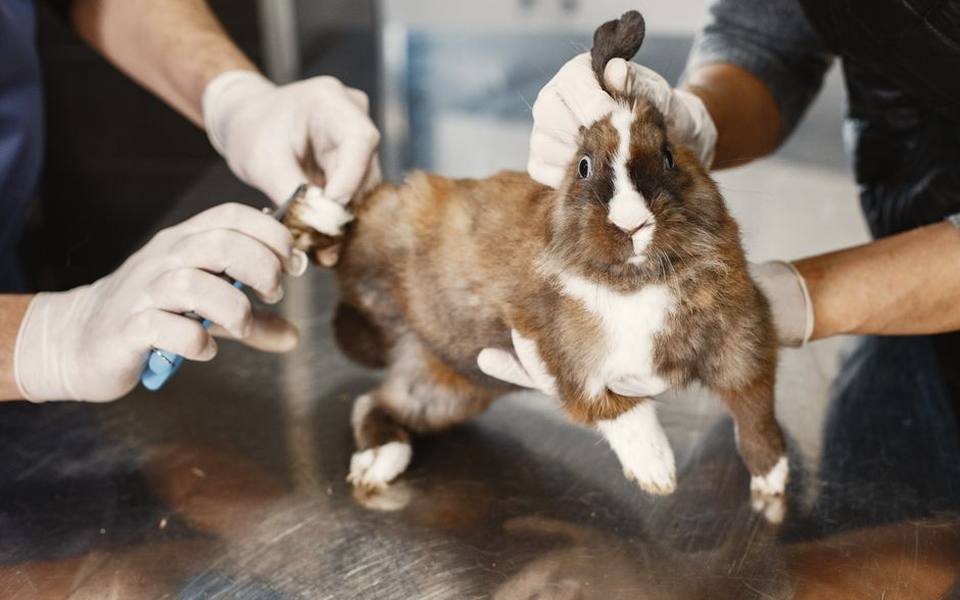
Inquire about their anesthesia induction and monitoring equipment. Confirm that the clinic utilizes modern inhalant gas maintenance rather than relying exclusively on long-acting injectable cocktails that cannot be adjusted rapidly mid-procedure. Ask whether patients receive active supplemental warmth on the table and if a designated assistant records pulse oximetry, core temperature, and respiration continuously until the rabbit is fully awake and chewing food.
Finally, clarify the exact take-home pain management plan. Inquire by name whether liquid oral meloxicam or a comparable non-steroidal anti-inflammatory is included in the quote or available as an optional purchase. If a clinic insists that rabbits do not experience pain after surgical alteration or claims that pain medication is unnecessary, seek care elsewhere. Humane pain control is vital to help your pet return to self-feeding and maintain gut motility post-surgery.
Long-Term Financial and Health Dividends of Desexing
While the upfront price of altering a rabbit can cause initial hesitation, the long-term veterinary savings are substantial. Intact female rabbits carry an alarmingly high risk—frequently cited by veterinary pathologists as exceeding 60 to 80 percent past three years of age—of developing malignant uterine adenocarcinoma. Diagnosing and treating advanced reproductive cancers down the road involves complex thoracic radiographs, abdominal ultrasounds, emergency stabilizing care, and radical surgery, easily exceeding $1,500 to $3,000 in emergency medical bills.
Beyond avoiding life-threatening oncology expenses, desexing eliminates hormonal behaviors that often cause indirect financial and household strain. Intact rabbits frequently exhibit destructive hormonal behaviors, including persistent urine spraying, territorial territorial aggression, and destructive chewing on baseboards, drywall, and furniture. Neutering or spaying dissipates these hormonal urges, allowing owners to maintain house-rabbit freedom and reliable litter box habits without incurring hundreds of dollars in property damage.
Social bonding is another major benefit made possible by altering your pets. Rabbits are social companion animals that thrive in bonded pairs, but unneutered individuals will fight aggressively over territory, resulting in severe bite wounds, ear tears, and abscesses that require surgical flushing and antibiotic therapy. Investing in spaying or neutering establishes the neurochemical stability required for harmonious multi-rabbit households, sparing you recurring emergency bills for fight-induced lacerations.
Published 2026-09-21 · reviewed with each rebuild, last September 2026.
Find exotic pet vets near you
The directory lists 3,226 exotic pet vets by state and city — pick your state or use the “Near me” button in the header.
More guides
-
 Owning
What Are Amphibians? A Complete Guide to Amphibians as Exotic Pets
-
 Money
MoneyHow to Find Affordable and Emergency Vet Care for Exotic Pets
-
 Money
MoneyHow Much Does a Parrot Cost? Complete Exotic Bird and Pet Care Price Guide
-
 Owning
Can You Keep a Capybara as a Pet? Legality, Care, and Diet Requirements
-
 Owning
How to Treat and Get Rid of Snake Mites Safely
-
 Owning
Keeping Exotic Mammals: Can You Have a Fennec Fox or Kinkajou as a Pet?
-
 Money
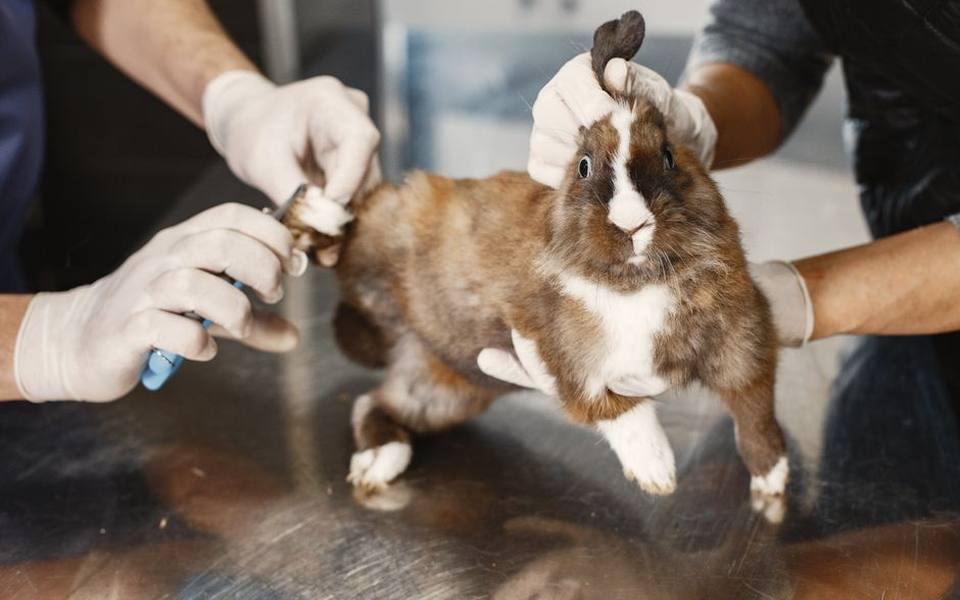
MoneyLow-Cost Rabbit Neutering: What to Expect and How to Find Affordable Care
-
 Owning
What Is an Avian Pet? A Guide to Bird Care and Specialized Veterinary Medicine
-
 Service
How to Find and Choose the Right Exotic Pet Veterinarian
-
 Owning
Swim Bladder Disease in Aquarium Fish: Causes, Symptoms, and Treatment
-
Owning
How to Identify and Treat Mites and Skin Parasites in Reptiles, Snakes, and Rabbits
-
Safety
Rabbit GI Stasis Guide: Symptoms, Emergency Care, and Prevention
-
 Owning
Bearded Dragon Health Guide: Brumation, Impaction, Fungus, and Skin Issues
-
 Safety
Hamster Wet Tail Disease: Causes, Symptoms, Treatment, and Prevention
-
 Owning
Clinical Care Guide: Common Illnesses in Ferrets, Pythons, and Rabbits
-
Owning
Sugar Glider Diet and Feeding Guide: BML, TPG, and Nutritional Balance
-
Owning
Bird Grooming Guide: Wing Trimming, Beak Care, and Nail Maintenance
-
 Money
MoneyExotic Pet Insurance and Vet Costs: What Is Covered and Is It Worth It?
-
 Owning
Legal Exotic Pets and Ownership Laws: Permits, Licenses, and State Regulations
-
Owning
Bird Feather Plucking and PBFD: Causes, Symptoms, and Diagnostic Steps
-
 Service
Psittacine Health and Avian Veterinary Care Guide
-
 Service
How to Find and Evaluate Exotic Pet Clinics, Specialists, and Emergency Care
-
 Owning
Clinical Guide to Reptile Shell Disorders, Shedding Complications, and Impaction
-
 Owning
Small Mammal Healthcare: Managing Chronic Illness and Emergencies
-
 Safety
Avian Egg Binding and Yolk Peritonitis: Emergency Care and Clinical Protocols
-
 Owning
Bird Grooming, Wing Maintenance, and Early Illness Signs
-
 Service
Backyard Poultry and Waterfowl Veterinary Care Guide
-
 Buying
Exotic Pet Ownership: Legal Rules, Realistic Costs, and Beginner Options
-
 Service
Aquatic Medicine: Treating Swim Bladder and Fish Infections
-
 Money
MoneyRabbit Spay, Neuter, and Vaccination Costs: Complete Veterinary Guide
-
 Owning
Understanding Amphibians: Characteristics, Classification, and Pet Care Basics
-
 Owning
Bearded Dragon Brumation and Metabolic Bone Disease: Signs, Causes, and Care
-
 Buying
Parrot Ownership Guide: Prices, Types, and Avian Basics
-
 Owning
Complete Guide to Snake Mite Treatment: Products, Safe Sprays, and Vet Care
-
 Money
MoneyRabbit Spay and Neuter Costs: Vaccinations and Low-Cost Vet Options
-
 Owning
What Are Amphibians? Traits, Classification, and Pet Care Basics
-
 Owning
How to Get an Exotic Pet License: Legal Permits and Animal Ownership Laws
-
 Owning
Reptile Health Guide: Bearded Dragon Brumation, Metabolic Bone Disease, and Snake Mite Control
-
 Money
MoneyHow Much Does an Exotic Vet Cost? Emergency, Routine, and In-Home Care Guide