The First Signs of External Parasites on Snakes, Lizards, and Rabbits
External parasites on captive exotic pets often arrive unnoticed and multiply rapidly before physical lesions or visible bugs become obvious. In snakes and lizards, microscopic or pinhead-sized mites slip beneath overlapping scales, feeding on blood and creating intense discomfort. Rabbits, on the other hand, frequently host ear mites that burrow into the delicate canal lining or fur mites that drift across the spine like walking dandruff. Recognizing these invaders begins with watching subtle behavioral changes rather than waiting for severe secondary infections to break out across your pet's skin.
A snake struggling with an early mite load will typically spend prolonged stretches soaking inside its water bowl, attempting to drown the pests irritating its sensitive scales. In contrast, a bunny dealing with ear or skin parasites will repeatedly shake its head, scratch at the base of its ears with back paws, or display localized thinning of the coat. Because both reptiles and small prey mammals instinctively conceal early weakness, behavioral shifts like restlessness, reduced appetite, and rubbing against cage decor represent early warnings that require prompt investigation.
Catching an infestation in its opening stage prevents secondary complications like severe anemia, bacterial dermatitis, and chronic stress that suppresses the immune system. Once you suspect a parasite problem, physically inspecting your animal under bright, direct light becomes the essential next step. Running a clean white paper towel along a snake's chin groove or gently examining the inner flap of a rabbit's ear canal often reveals the debris, droppings, and moving specks that confirm an active parasite issue.
Recognizing Snake Mites and Subtle Behavioral Changes
The common snake parasite, scientifically known as Ophionyssus natricis, presents as tiny black or dark red specks roughly the size of ground black pepper. These pests congregate around areas with thin skin and abundant blood flow, especially the heat-sensing pits, the rims of the eye caps, and the mental groove under the lower jaw. When you gently run your fingers or a moist white tissue along the underside of your reptile, crushed mites leave telltale reddish-brown streaks of digested blood on the paper.
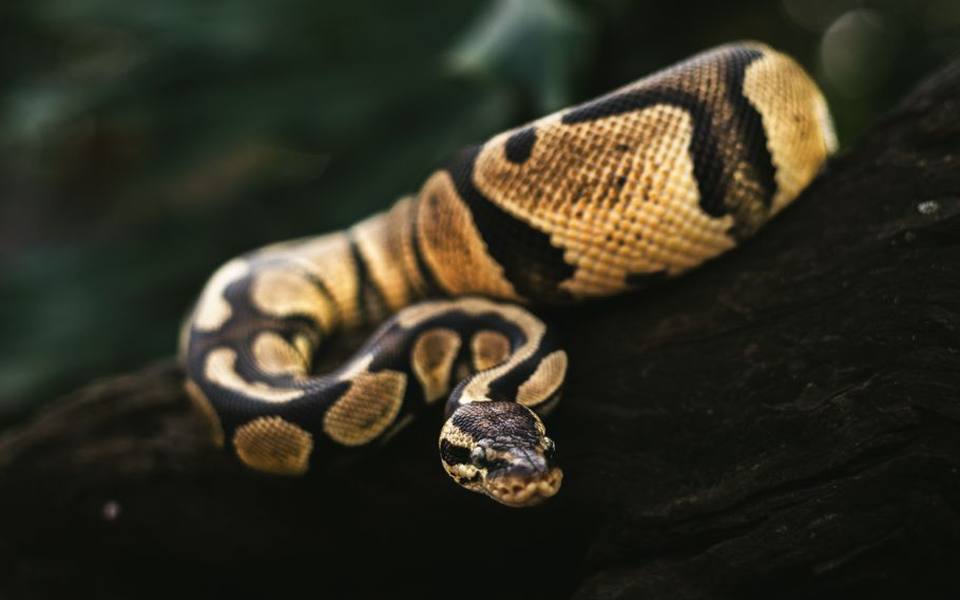
In addition to soaking continuously in their water bowls, infested snakes often produce rough, incomplete sheds that come off in tiny ragged patches rather than a single clean tube. Reptiles may also pace their enclosures restlessly or scrape their snouts and flanks against rough branches, bark hides, and screen lids in a desperate attempt to dislodge feeding parasites. Over time, heavy infestations cause noticeable lethargy, weight loss, and severe dehydration because the snake stops hunting and remains trapped in a cycle of irritation.
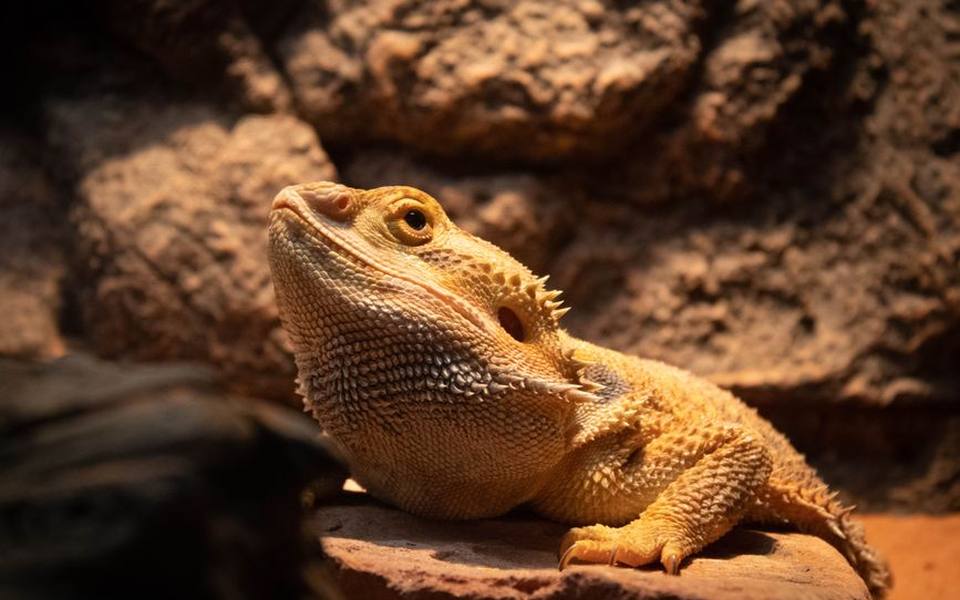
Lizards housing similar reptile parasites show comparable symptoms, often developing crusty accumulations around the ear openings, armpits, and dewlaps. If you notice tiny flecks moving slowly across scales or floating on the surface of the reptile's soaking dish, assume an active infestation is underway. You can consult qualified reptile veterinarians to verify parasite species under a microscope before beginning any aggressive chemical intervention, as inaccurate diagnosis risks unnecessary exposure to harsh chemical compounds.
Understanding the Reptile Mite Life Cycle and Enclosure Reinfestation
Eliminating mites on captive reptiles demands an understanding of their five distinct developmental stages: egg, larva, protonymph, deutonymph, and reproducing adult. Female mites do not lay eggs directly on the reptile; instead, they crawl off the host into microscopic cracks, substrate crevices, wooden perches, and porous cage seams. Under typical terrarium temperatures, an entire generation can mature from egg to adult in roughly twelve to twenty-one days, which explains why single treatments almost always fail.
While adult mites feed directly on your pet's blood, non-feeding nymphal stages can hide inside cage framing, thermostat probe wires, and background foam for weeks without a meal. When keeper treatments target only the visible bugs crawling across the animal's back, hidden eggs hatch days later and trigger an immediate second wave of infection. Eradication therefore requires breaking the reproductive chain both on the animal itself and throughout the entire surrounding living space simultaneously.
Cross-contamination is another constant hazard in multi-reptile households because mobile nymphs travel across shelves, power cords, and handling tools with surprising speed. A single contaminated snake hook or unwashed hand can transport fertile female mites into neighboring enclosures within minutes. Establishing strict quarantine protocols and working from clean, unaffected enclosures toward the infested terrarium ensures you do not inadvertently seed parasites throughout an entire collection during daily maintenance routines.
Safe Protocols for Treating Mites on Snakes and Reptiles
Treating an active snake or reptile infestation requires a careful two-pronged approach: clearing the animal safely while stripping down its environment completely. The safest starting point for an affected snake is a lukewarm water bath lasting twenty to thirty minutes, keeping water depth shallow enough that the animal can rest comfortably on the bottom. Adding a single drop of gentle dish detergent breaks surface tension, causing trapped mites on the scales to drown rather than float safely on skin folds.
While the reptile is soaking, dismantle the primary enclosure entirely, discarding all natural substrates such as wood chips, moss, and coconut coir directly into an outdoor trash bin. Porous enrichment items like hollow logs, branches, and cork bark should either be baked, frozen, or discarded, as cleaning their inner cavities reliably is nearly impossible. Non-porous components, plastic hides, and glass walls must be thoroughly washed with hot water and designated veterinary-grade disinfectants.
For the duration of treatment, which typically lasts four to six weeks, house the reptile on clean white paper towels in a sterile hospital setup. Paper bedding allows you to detect newly hatched mites immediately while eliminating hiding spots for parasite eggs. Any therapeutic topical agent or antiparasitic rinse should be approved by a veterinarian, as reptile skin readily absorbs chemicals, making accidental toxicity a genuine hazard when commercial products are misused.
Evaluating Commercial Mite Sprays and Enclosure Strips
Over-the-counter reptile mite sprays and chemical pest strips are widely available, but they require extreme caution and strict adherence to safety guidelines. Many commercially packaged sprays contain synthetic pyrethroids or permethrins, compounds that disrupt insect nervous systems but can cause severe neurological damage in reptiles if applied improperly. Sprays should never be applied directly to a snake's head, sensory pits, or eyes, nor should an animal be placed back into a wet, recently sprayed enclosure.
Hanging pest strips or vapor-releasing products are sometimes utilized inside empty enclosures during complete system cleanouts, but they present significant risks if left inside occupied vivariums. Inhaling concentrated pesticide vapors over days can lead to organ stress, tremors, and sudden death in captive reptiles with delicate respiratory systems. If you use chemical cleansers on terrarium surfaces, allow the enclosure to air out completely until all residual chemical odors have fully dissipated before reintroducing your pet.
Safer alternatives often recommended by veterinary professionals include controlled dilutions of specialized antiparasitic solutions formulated specifically for exotics. Rather than soaking an animal in unpredictable store-bought concentrates, professional consultation ensures that dosages match the exact weight and species tolerances of your reptile. A licensed clinician found through exotic animal veterinarians near you can supply targeted medications that eradicate pests without compromising your reptile's delicate nervous system.
Identifying Ear Mites and Fur Mites on Pet Rabbits
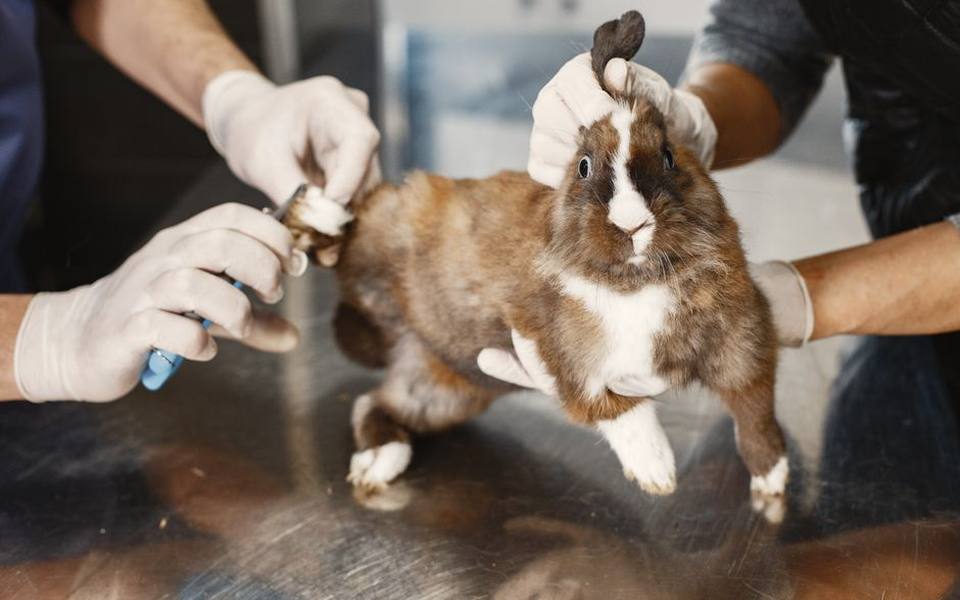
Rabbits are prone to two main types of external parasites: the ear mite, Psoroptes cuniculi, and fur mites, commonly Cheyletiella parasitivorax. Ear mites trigger intense local inflammation inside the ear canal, causing the rabbit to produce thick, brownish, crusty discharge that looks like layered cornflakes or dried honeycomb. Rabbits suffering from ear mites will shake their heads vigorously, carry one ear lower than the other, and scratch frantically around the base of the skull until raw sores develop.

Fur mites, frequently called walking dandruff, operate along the animal's neck, shoulders, and lower spine rather than deep within the ear flap. These tiny, non-burrowing mites feed on superficial skin flakes, resulting in patches of flaky white scaling, coarse fur, and localized thinning of the coat. When you part the fur along the rabbit's spine under good lighting, you may actually see tiny white specks shifting against the skin surface.
While fur mites often produce mild itching, untreated ear infestations can advance inward, perforating the tympanic membrane and causing irreversible inner ear damage. A secondary bacterial infection often settles into the wounded tissue beneath ear crusts, leading to torticollis, commonly known as head tilt, and balance loss. Recognizing crusting, persistent scratching, or sudden dandruff should prompt immediate veterinary care before pain and secondary infections escalate into debilitating systemic distress.
Veterinary Medications and Safe Treatments for Bunny Ear Mites
Managing ear mites in rabbits requires targeted prescription medications that kill the parasites without traumatizing delicate ear tissues. Modern veterinary medicine relies primarily on topical spot-on treatments or injectable compounds such as selamectin or ivermectin, which absorb into the bloodstream and eradicate mites systemically. These medications are dosed strictly by the rabbit's body weight and typically require a repeat administration after ten to fourteen days to interrupt the hatching cycle.
It is critical to avoid picking, peeling, or scraping the crusts out of an affected rabbit's ears during home care. These hard crusts adhere firmly to ulcerated, highly vascular tissue, and tearing them away causes severe pain, profuse bleeding, and open pathways for dangerous bacterial infections. Once systemic antiparasitic medication takes effect, the mites die, inflammation subsides, and the dry crusts slough off naturally on their own over several days.
Never administer dog or cat flea and tick spot-on treatments to a rabbit without direct veterinary clearance. Certain common canine flea preventatives containing fipronil are notoriously lethal to rabbits, triggering rapid seizures, profound neurological collapse, and death within hours of skin contact. To safeguard your rabbit's health, seek care through rabbit and small mammal vets who can prescribe species-safe compounds formulated specifically for lagomorph metabolism.
For mild surrounding discomfort, your exotic veterinarian might suggest soothing ear drops or pain management medications while the systemic therapy takes effect. Consistent adherence to the full dosing schedule guarantees that newly emerged larvae do not re-establish the colony after the initial adult population has been cleared.
Cleaning and Hutch Sanitation During Rabbit Parasite Outbreaks
Successful treatment of rabbit mites extends well beyond applying medication to the animal; the entire living environment must be aggressively cleared of wandering pests. Fur mites can survive off the rabbit host for several days in bedding, carpet fibers, and untreated wood framing. Without thorough environmental decontamination, your rabbit will readily pick up surviving parasites the moment medical protection wears off, rendering your treatment efforts useless.
Begin by stripping the hutch or indoor pen completely, disposing of all straw, paper bedding, and hay litters in sealed plastic bags. Wash all washable fleece blankets, towels, and fabric tunnels in hot water with pet-safe detergent, running them through a high-heat dryer cycle to kill lingering mites and eggs. Hard surfaces, litter pans, and food bowls should be thoroughly scrubbed using hot water and a veterinarian-approved disinfectant or mild bleach solution, followed by thorough rinsing.
Untreated wooden hutches present unique challenges because mites easily wedge themselves into grain seams and corners where cleaning sprays cannot penetrate. In persistent cases, vacuuming baseboards, carpets, and wooden crevices followed by steam cleaning helps sanitize these difficult harboring zones. If multiple rabbits live in the same household or share play areas, all animals should be examined and treated concurrently to prevent an endless loop of cross-contamination.
Dangerous Mistakes to Avoid When Treating Exotic Pet Parasites
One of the most frequent mistakes made by exotic pet keepers is turning to home remedies found on social forums, such as smothering mites with mineral oil, vegetable oils, or kerosene. While coating a snake or rabbit's ears with heavy oils may temporarily suffocate some surface parasites, it wreaks havoc on natural thermoregulation, fouls plumage or fur, and traps heat. In rabbits, pouring oil into an inflamed ear canal can cause severe irritation, macerate tender skin, and damage eardrums.
Another grave hazard is the use of essential oils, including tea tree, eucalyptus, and clove oil, which are frequently touted as natural pest repellents. Both reptiles and rabbits lack the metabolic liver enzymes required to break down concentrated volatile organic compounds found in essential oils. Exposure to these extracts frequently leads to acute toxicosis, neurological depression, chemical skin burns, and organ failure, transforming a manageable skin parasite issue into a life-threatening medical emergency.
Finally, keepers often discontinue treatment protocols the moment visible symptoms disappear, which almost guarantees a relapse within a few short weeks. Parasite eggs are naturally resistant to most therapeutic sprays and topical dips, meaning unhatched eggs remain viable in hiding spots long after adult bugs are eliminated. Completing the entire prescribed duration of medication and maintaining hospital cage sanitation for several full life cycles ensures permanent eradication.
Knowing When Home Care Ends and Veterinary Intervention Begins
While routine enclosure cleaning and early monitoring fall squarely on the keeper, active infestations frequently demand diagnostic confirmation and prescription therapies from a professional. Severe skin conditions like secondary bacterial infections, open ulcerations, profound weight loss, or head tilt require clinical evaluation beyond basic over-the-counter washes. An exotic animal clinician can take skin scrapings and ear swabs to determine whether the problem stems from mites, lice, fungal ringworm, or bacterial dermatitis.
Professional exotic animal clinics maintain access to modern pharmaceuticals that clear infestations quickly with minimal stress to the patient. They can also provide supportive therapies such as fluid replacement for dehydrated reptiles or pain relief for bunnies suffering from ulcerated ear canals. If your pet shows lethargy, refuses food for multiple days, or exhibits balance disturbances, schedule an examination immediately rather than continuing home remedies that may waste precious recovery time.
Finding reliable care is straightforward through directories like ExoticVetAtlas, which catalogs experienced exotic practitioners across the United States. Connecting with a knowledgeable clinician gives you the right prescriptions, accurate dosing calculations, and tailored enclosure maintenance advice for your specific species, ensuring your pet returns to vibrant, itch-free health.
Published 2026-09-21 · reviewed with each rebuild, last September 2026.
Find exotic pet vets near you
The directory lists 3,226 exotic pet vets by state and city — pick your state or use the “Near me” button in the header.
More guides
-
 Owning
What Are Amphibians? A Complete Guide to Amphibians as Exotic Pets
-
 Money
MoneyHow to Find Affordable and Emergency Vet Care for Exotic Pets
-
 Money
MoneyHow Much Does a Parrot Cost? Complete Exotic Bird and Pet Care Price Guide
-
 Owning
Can You Keep a Capybara as a Pet? Legality, Care, and Diet Requirements
-
 Owning
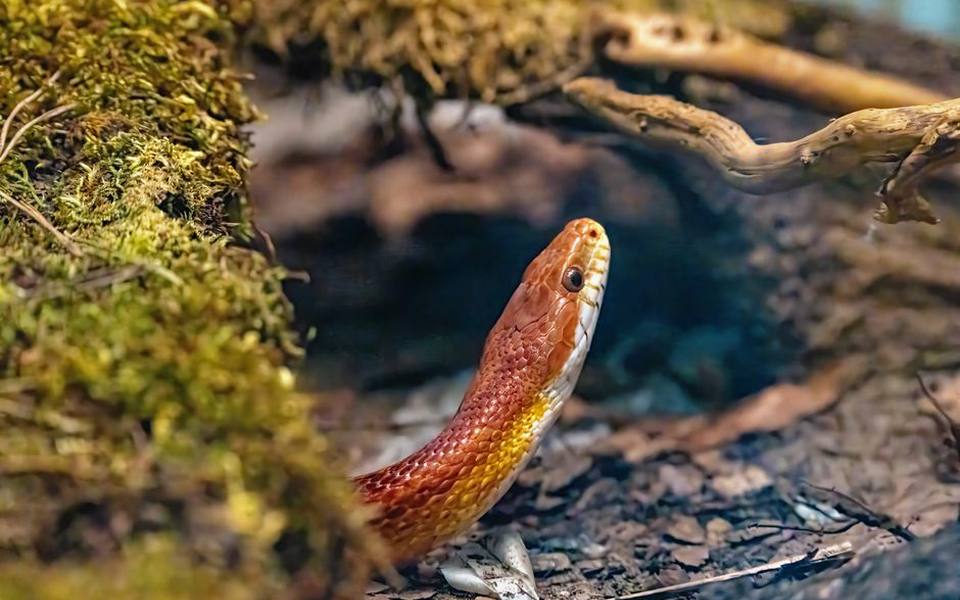
How to Treat and Get Rid of Snake Mites Safely
-
 Owning
Keeping Exotic Mammals: Can You Have a Fennec Fox or Kinkajou as a Pet?
-
 Money
MoneyLow-Cost Rabbit Neutering: What to Expect and How to Find Affordable Care
-
 Owning
What Is an Avian Pet? A Guide to Bird Care and Specialized Veterinary Medicine
-
 Service
How to Find and Choose the Right Exotic Pet Veterinarian
-
 Owning
Swim Bladder Disease in Aquarium Fish: Causes, Symptoms, and Treatment
-
Safety
Rabbit GI Stasis Guide: Symptoms, Emergency Care, and Prevention
-
 Owning
Bearded Dragon Health Guide: Brumation, Impaction, Fungus, and Skin Issues
-
 Safety
Hamster Wet Tail Disease: Causes, Symptoms, Treatment, and Prevention
-
 Owning
Clinical Care Guide: Common Illnesses in Ferrets, Pythons, and Rabbits
-
Owning
Sugar Glider Diet and Feeding Guide: BML, TPG, and Nutritional Balance
-
Owning
Bird Grooming Guide: Wing Trimming, Beak Care, and Nail Maintenance
-
 Money
MoneyExotic Pet Insurance and Vet Costs: What Is Covered and Is It Worth It?
-
 Owning
Legal Exotic Pets and Ownership Laws: Permits, Licenses, and State Regulations
-
Owning
Bird Feather Plucking and PBFD: Causes, Symptoms, and Diagnostic Steps
-
 Service
Psittacine Health and Avian Veterinary Care Guide
-
 Service
How to Find and Evaluate Exotic Pet Clinics, Specialists, and Emergency Care
-
 Owning
Clinical Guide to Reptile Shell Disorders, Shedding Complications, and Impaction
-
 Owning
Small Mammal Healthcare: Managing Chronic Illness and Emergencies
-
 Safety
Avian Egg Binding and Yolk Peritonitis: Emergency Care and Clinical Protocols
-
 Owning
Bird Grooming, Wing Maintenance, and Early Illness Signs
-
 Service
Backyard Poultry and Waterfowl Veterinary Care Guide
-
 Buying
Exotic Pet Ownership: Legal Rules, Realistic Costs, and Beginner Options
-
 Service
Aquatic Medicine: Treating Swim Bladder and Fish Infections
-
 Money
MoneyRabbit Spay, Neuter, and Vaccination Costs: Complete Veterinary Guide
-
 Owning
Understanding Amphibians: Characteristics, Classification, and Pet Care Basics
-
 Owning
Bearded Dragon Brumation and Metabolic Bone Disease: Signs, Causes, and Care
-
 Buying
Parrot Ownership Guide: Prices, Types, and Avian Basics
-
 Owning
Complete Guide to Snake Mite Treatment: Products, Safe Sprays, and Vet Care
-
 Money
MoneyRabbit Spay and Neuter Costs: Vaccinations and Low-Cost Vet Options
-
 Owning
What Are Amphibians? Traits, Classification, and Pet Care Basics
-
 Owning
How to Get an Exotic Pet License: Legal Permits and Animal Ownership Laws
-
 Owning
Reptile Health Guide: Bearded Dragon Brumation, Metabolic Bone Disease, and Snake Mite Control
-
 Money
MoneyRabbit Spay, Neuter, and Vaccination Costs: Low-Cost Vet Guide
-
 Money
MoneyHow Much Does an Exotic Vet Cost? Emergency, Routine, and In-Home Care Guide