Understanding the Swim Bladder and Why It Fails
Swim bladder disease is not a single isolated illness but rather a descriptive term for buoyancy loss caused by inflammation, physical compaction, infection, or developmental deformities of the fish air bladder. When this internal gas-filled sac cannot regulate volume properly, a fish loses its neutral buoyancy and ends up trapped floating at the water surface, sinking like a stone to the gravel, or swimming tilted at an unnatural angle. In many home aquariums, the condition resolves with modest adjustments to diet and temperature, though severe systemic infections require medical intervention.
The anatomical structure itself—often termed the swimming bladder or fish gas bladder—is a thin-walled, flexible organ located in the dorsal portion of the body cavity just beneath the spine. Depending on the species, fish maintain buoyancy either by swallowing air at the water surface through a connecting duct known as the pneumatic duct, or by exchanging gases directly through a specialized network of blood capillaries. When gastrointestinal pressure presses against this chamber or when fluid gathers inside the tissue, equilibrium collapses.
Aquarists frequently notice buoyancy problems in popular companion species like bettas, fancy goldfish, dwarf cichlids, and small tetras. While seeing an aquatic pet drift helplessly can feel alarming, swimbladder disease is rarely instantly fatal on its own. The primary danger comes from secondary exhaustion, prolonged skin exposure to ambient air along the spine, skin ulcers from gravel friction, and the inability to compete with tank mates for daily food.
Recognizing the Symptoms Across Common Aquarium Species
The most unmistakable symptom of fish float bladder trouble is a fish struggling to maintain a horizontal position in the water column. You may observe your pet listing sideways, resting completely upside down, or pointing head-down toward the gravel bed while furiously fluttering its pectoral fins just to stay in place. In cases where the air bladder fish retains excess gas, the animal floats involuntarily like a cork, unable to dive toward the lower levels of the aquarium.
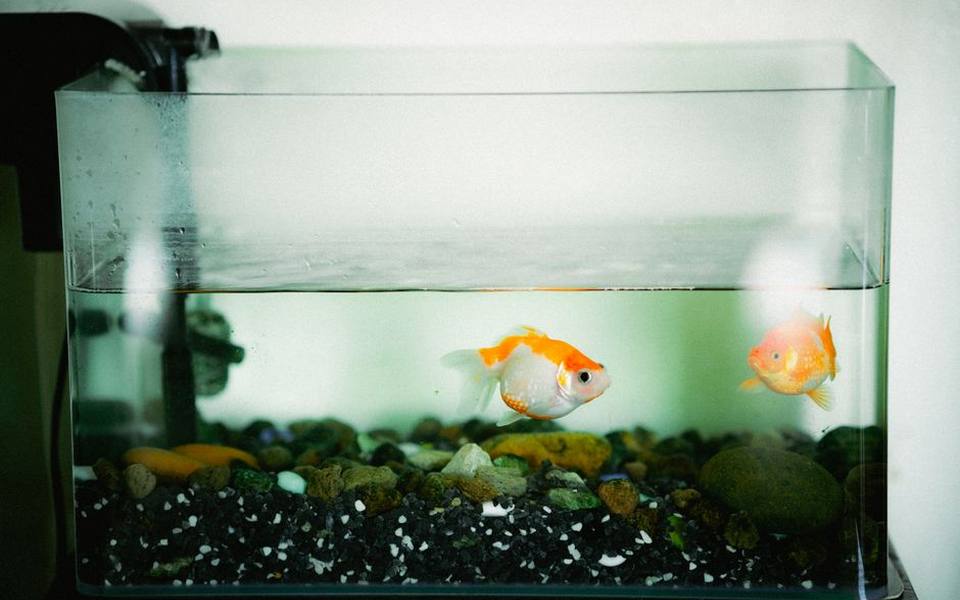
Conversely, some fish present with negative buoyancy, meaning the gas chamber has deflated or filled with exudative fluid, leaving the fish unable to lift off the substrate. These bottom-sitters often scuff their bellies against rough stones, leading to secondary bacterial scratches or fin rot along the lower margin. Observing how your fish rests during quiescent nighttime hours provides an accurate early warning, as compromised buoyancy becomes pronounced when active swimming halts.
Physical changes frequently accompany abnormal movement. The belly area may appear unevenly swollen, with one side protruding more prominently than the other, or the entire spine may assume an arched, curved silhouette. Fish enduring persistent air bladder problems also display stress indicators such as clamped fins, reduced appetite, faded scale coloration, and rapid opercular movement indicating labored respiration as they fight against water currents.
Common Symptoms Observed in Goldfish
Fancy goldfish varieties, including orandas, fantails, ryukins, and black moors, are notoriously prone to floating disorders due to centuries of selective breeding that compressed their spinal columns and internal anatomy. Classic goldfish swim bladder symptoms often appear shortly after mealtime, beginning as mild tail buoyancy where the fish subtly tips forward before escalating to full inversion at the tank surface. Many fancy goldfish owners find their pets floating helplessly belly-up within thirty minutes of consuming dry commercial flakes.
Because goldfish lack a true anatomical stomach, their digestive tract is a continuous, relatively simple tube packed tightly alongside the swim bladder within a shortened visceral cavity. When dry pellets or commercial flakes expand inside the intestine after being swallowed along with atmospheric air, the swollen food bolus exerts direct mechanical pressure on the gas bladder. This prevents normal hydrostatic adjustment until digestion moves the material along the tract.
In chronic cases, fancy goldfish may spend days suspended at the surface, which dries out the exposed belly skin or ventral fins and invites opportunistic fungus. Alternatively, severe compaction or fluid-filled bladders cause fancy goldfish to sit motionlessly wedged between plants on the tank bottom. If you notice accompanying pineconing scales—where the scales flare outward like a pinecone—the issue has likely progressed beyond basic constipation into fluid retention, warranting consultation through exotic pet medical care channels.
Why Betta Fish Face Frequent Floating Troubles
Bettas possess a specialized labyrinth organ allowing them to breathe atmospheric air directly from the water surface, a biological adaptation that inadvertently increases their exposure to swim bladder disease betta complications. When a betta feeds aggressively at the surface, it often swallows air bubbles alongside dry food morsels. This rapid air intake, combined with dense dry pellets that swell rapidly once hydrated in the stomach, creates a familiar betta swim bladder issue characterized by an inability to dive below the top inch of the tank.
Low ambient water temperature serves as another major trigger for betta swim bladder disorder. Bettas are obligate tropical fish requiring stable water temperatures typically between seventy-eight and eighty-two degrees Fahrenheit; when kept in unheated bowls or drafty rooms, their core metabolic rate decelerates dramatically. Food remains trapped in the digestive tract, fermenting and producing gastrointestinal gas that displaces the swimming bladder and leaves the betta stranded sideways against heater guards or floating foliage.
Long-finned varieties like halfmoons and rosetails struggle double when buoyancy issues occur because their heavy finnage creates additional hydrodynamic drag. A betta experiencing swimming bladder challenges will quickly become exhausted from repeated diving attempts, eventually resigning itself to lying on its side among floating plant leaves. Recognizing the onset early prevents long-term organ displacement and keeps your betta comfortable throughout recovery.
Underlying Causes Behind the Disorder
Mechanical constipation remains the leading cause of reversible buoyancy distress across freshwater species, but it is far from the only contributing factor. Bacterial or parasitic infections can directly target the bladder membrane, causing the tissue walls to thicken, lose flexibility, or weep inflammatory fluid internally. When bacteria infiltrate the organ, the fish rarely responds to dietary adjustments alone and typically requires targeted antimicrobial medication managed in a hospital enclosure.
Physical trauma from aggressive tank mates, rough netting during transport, or violent impacts against tank decorations can also rupture or bruise the delicate gas chamber. In breeding programs, genetic deformities occasionally lead to young fry developing malformed, absent, or fused swimbladders that fail to mature properly, resulting in permanent swimming abnormalities that cannot be corrected by diet or water chemistry adjustments.
Environmental stress frequently acts as the baseline catalyst that allows dormant health issues to flare up into observable symptoms. Elevated levels of ammonia, nitrite, or nitrate cause systemic organ inflammation and suppress the immune system, making fish vulnerable to internal microflora imbalances. In states like California, municipal water supplies can vary widely by season, making routine baseline parameter testing essential before suspecting physical disease.
Immediate First-Aid Measures for an Affected Fish
When you first observe buoyancy complications, the critical opening step is implementing a strict fasting period lasting forty-eight to seventy-two hours. Pausing all food input allows the digestive tract to clear naturally without accumulating further pressure against the adjacent air bladder fish structure. Healthy aquarium fish possess sufficient energy reserves to comfortably withstand several days without food, and fasting alone frequently resolves simple gas compactions.
Simultaneously assess and modify the physical environment to minimize physical exhaustion for the struggling animal. Lower the water level in the aquarium or relocate the fish into a shallow recovery tank so it can reach the water surface to breathe without burning excessive metabolic energy. Ensure the filter current is reduced to a gentle, quiet trickle, as turbulent water flow forces an unbalanced fish to spin uncontrollably.
Check your water parameters immediately using a reliable liquid test kit to confirm zero parts per million ammonia, zero nitrite, and safe nitrate concentrations. Verify that your submerged heater maintains a steady temperature; raising tropical water by two degrees—typically bringing bettas toward eighty degrees Fahrenheit—accelerates gut motility and helps expel trapped intestinal waste without placing unneeded chemical stress on the gills.
Step-by-Step Treatment for Betta Fish
Executing a successful swim bladder disease betta treatment requires patience, environmental stability, and a structured feeding protocol. Begin by fasting your betta for a full three days while keeping the aquarium water clean and heated to eighty degrees Fahrenheit. If the fish appears bloated near the anal vent, prepare an Epsom salt bath using pure magnesium sulfate rather than standard aquarium sodium chloride, dissolving roughly one tablespoon per gallon in a clean container of warmed tank water.
Magnesium sulfate acts as a natural muscle relaxant and gentle osmotic laxative, encouraging the digestive tract to release trapped fecal material without irritating delicate gills. Allow the betta to soak in this separate Epsom salt bath for ten to fifteen minutes under close observation, then return the fish to its main enclosure. Repeat this soak once daily for up to three days if mechanical swelling remains visible.
Following the fasting period, introduce a small portion of natural roughage rather than processed dry pellets. Frozen or live daphnia—often referred to as water fleas—acts as a stellar, biologically appropriate laxative for insectivorous bettas. While older hobby literature frequently suggested feeding boiled, deshelled green peas, bettas struggle to digest complex plant matter, making chitin-rich daphnia a far safer and more effective introductory meal after fasting.
Hospital Tank Setup and Medication Protocols
If a fish shows zero improvement after fasting, gentle laxative treatments, and thermal optimization, the buoyancy failure likely stems from an internal bacterial infection rather than simple compaction. Moving the fish into a bare-bottom hospital tank of five to ten gallons simplifies treatment and prevents strong medications from crashing the beneficial biological filter in your primary display aquarium. Maintain pristine water quality by carrying out daily twenty-five percent water changes.
In a dedicated quarantine environment, broad-spectrum antibiotic therapies that target gram-negative pathogens are typically employed to address bacterial swimbladder disease. Medications formulated with kanamycin or combinations of neomycin are often administered via medicated feed if the fish is still eating, which delivers active ingredients directly to internal tissues far more effectively than dissolving powder into the open water column.
Keep the hospital setup dim and free of abrasive rocks or rough synthetic decorations that could scrape the fish as it struggles to swim. For keepers working in regions like Florida where warm weather encourages rapid microbial proliferation in home tanks, keeping quarantine equipment clean and thoroughly sterilized between patient uses helps ensure internal infections remain contained.
Preventative Tank Habits and Feeding Strategies
Preventing swim bladder problems is substantially easier than treating advanced structural organ damage once it takes hold in your aquarium. The single most effective habit is modifying how you introduce commercial dry foods: always pre-soak dry pellets and flakes in a small cup of tank water for two to three minutes before pouring them in. This allows dry food to expand fully prior to ingestion, preventing post-meal swelling inside the gut.
Transition floating-feed fish toward slow-sinking granules or deliver meals slightly beneath the surface using clean forceps or pipettes. By encouraging fish to grab their nutrition underwater, you eliminate the gulping of atmospheric air bubbles that so often triggers acute gas distress in greedy eaters like goldfish and bettas. Rotating commercial diets with frozen mysis shrimp, brine shrimp, and bloodworms provides fibrous chitin that maintains natural digestive flow.
Consistent tank maintenance represents the other cornerstone of buoyancy protection. Conduct regular partial water changes to prevent nitrate creep, calibrate digital heaters with secondary thermometers to prevent chilling, and refrain from overfeeding. A healthy adult fish thrives on surprisingly small portions delivered once or twice daily, avoiding the physical gut impactions that place continuous structural load against internal balance organs.
When to Involve an Aquatic or Exotic Veterinarian
While mild cases often respond quickly to home care, you should seek veterinary assistance if your pet remains completely inverted for several consecutive days, develops severe red streaks along its flank, or displays progressive body swelling. These clinical signs often indicate systemic sepsis, internal organ failure, or infectious dropsy, which require diagnostic radiographs and prescription systemic antibiotics that cannot be purchased over the counter.
Aquatic veterinary medicine has advanced considerably in recent years, with practitioners routinely performing ultrasound imaging, fine-needle fluid aspirations, and microscopic skin scrapes on companion fish. A veterinarian can determine whether the swimming bladder is mechanically deformed, displaced by an internal ovarian cyst, or completely collapsed, providing an accurate prognosis and sparing the fish unnecessary chemical trials.
Locating a professional who treats non-traditional aquatic species is straightforward when you consult our national exotic directory, which indexes verified clinics that manage pet fish alongside reptiles and birds. Experienced clinicians can recommend specialized clinical treatments—ranging from surgical buoyancy corrections to controlled antibiotic regimens—tailored directly to your fish's species, weight, and general health condition.
Published 2026-09-21 · reviewed with each rebuild, last September 2026.
Find exotic pet vets near you
The directory lists 3,226 exotic pet vets by state and city — pick your state or use the “Near me” button in the header.
More guides
-
 Owning
What Are Amphibians? A Complete Guide to Amphibians as Exotic Pets
-
 Money
MoneyHow to Find Affordable and Emergency Vet Care for Exotic Pets
-
 Money
MoneyHow Much Does a Parrot Cost? Complete Exotic Bird and Pet Care Price Guide
-
 Owning
Can You Keep a Capybara as a Pet? Legality, Care, and Diet Requirements
-
 Owning
How to Treat and Get Rid of Snake Mites Safely
-
 Owning
Keeping Exotic Mammals: Can You Have a Fennec Fox or Kinkajou as a Pet?
-
 Money
MoneyLow-Cost Rabbit Neutering: What to Expect and How to Find Affordable Care
-
 Owning
What Is an Avian Pet? A Guide to Bird Care and Specialized Veterinary Medicine
-
 Service
How to Find and Choose the Right Exotic Pet Veterinarian
-
Owning
How to Identify and Treat Mites and Skin Parasites in Reptiles, Snakes, and Rabbits
-
Safety
Rabbit GI Stasis Guide: Symptoms, Emergency Care, and Prevention
-
 Owning
Bearded Dragon Health Guide: Brumation, Impaction, Fungus, and Skin Issues
-
 Safety
Hamster Wet Tail Disease: Causes, Symptoms, Treatment, and Prevention
-
 Owning
Clinical Care Guide: Common Illnesses in Ferrets, Pythons, and Rabbits
-
Owning
Sugar Glider Diet and Feeding Guide: BML, TPG, and Nutritional Balance
-
Owning
Bird Grooming Guide: Wing Trimming, Beak Care, and Nail Maintenance
-
 Money
MoneyExotic Pet Insurance and Vet Costs: What Is Covered and Is It Worth It?
-
 Owning
Legal Exotic Pets and Ownership Laws: Permits, Licenses, and State Regulations
-
Owning
Bird Feather Plucking and PBFD: Causes, Symptoms, and Diagnostic Steps
-
 Service
Psittacine Health and Avian Veterinary Care Guide
-
 Service
How to Find and Evaluate Exotic Pet Clinics, Specialists, and Emergency Care
-
 Owning
Clinical Guide to Reptile Shell Disorders, Shedding Complications, and Impaction
-
 Owning
Small Mammal Healthcare: Managing Chronic Illness and Emergencies
-
 Safety
Avian Egg Binding and Yolk Peritonitis: Emergency Care and Clinical Protocols
-
 Owning
Bird Grooming, Wing Maintenance, and Early Illness Signs
-
 Service
Backyard Poultry and Waterfowl Veterinary Care Guide
-
 Buying
Exotic Pet Ownership: Legal Rules, Realistic Costs, and Beginner Options
-
 Service
Aquatic Medicine: Treating Swim Bladder and Fish Infections
-
 Money
MoneyRabbit Spay, Neuter, and Vaccination Costs: Complete Veterinary Guide
-
 Owning
Understanding Amphibians: Characteristics, Classification, and Pet Care Basics
-
 Owning
Bearded Dragon Brumation and Metabolic Bone Disease: Signs, Causes, and Care
-
 Buying
Parrot Ownership Guide: Prices, Types, and Avian Basics
-
 Owning
Complete Guide to Snake Mite Treatment: Products, Safe Sprays, and Vet Care
-
 Money
MoneyRabbit Spay and Neuter Costs: Vaccinations and Low-Cost Vet Options
-
 Owning
What Are Amphibians? Traits, Classification, and Pet Care Basics
-
 Owning
How to Get an Exotic Pet License: Legal Permits and Animal Ownership Laws
-
 Owning
Reptile Health Guide: Bearded Dragon Brumation, Metabolic Bone Disease, and Snake Mite Control
-
 Money
MoneyRabbit Spay, Neuter, and Vaccination Costs: Low-Cost Vet Guide
-
 Money
MoneyHow Much Does an Exotic Vet Cost? Emergency, Routine, and In-Home Care Guide