What Defines an Amphibian in the Animal Kingdom
Amphibians are ectothermic vertebrates that bridge the evolutionary gap between aquatic fish and terrestrial reptiles. The term amphibian originates from the ancient Greek word amphibios, which translates to a double life, referencing the transition most species make from water-dwelling larvae to land-capable adults. Unlike mammals or birds, amphibians lack fur, feathers, and true claws, relying entirely on surrounding environmental temperatures to regulate their internal metabolic processes.
A defining characteristic of all living amphibians is their permeable, glandular skin. Lacking protective scales, their outer dermis allows water, atmospheric gases, and chemical compounds to pass directly into their tissues and bloodstream. This remarkable trait enables cutaneous respiration, where oxygen is absorbed directly through moist epithelial tissue, but it also leaves them uniquely vulnerable to toxins, pathogens, and desiccation in both wild and domestic environments.
In global ecosystems, amphibians serve as critical indicator species whose population health reflects broader environmental conditions. Their complex physiology demands clean water, balanced humidity, and chemical-free soil to thrive. When brought into human care, these precise evolutionary adaptations mean that maintaining an amphibian requires strict control over moisture, environmental hygiene, water purity, and enclosure temperatures rather than simple containment.
The Three Orders of Modern Amphibians
Modern amphibians belong to the subclass Lissamphibia, which scientists categorize into three distinct living orders: Anura, Caudata, and Gymnophiona. The largest and most recognizable group is order Anura, encompassing frogs and toads. Characterized by long, muscular hind limbs built for jumping or swimming, Anurans lack tails in adulthood and possess specialized vocal sacs that males use to produce distinct breeding calls during wet seasons.
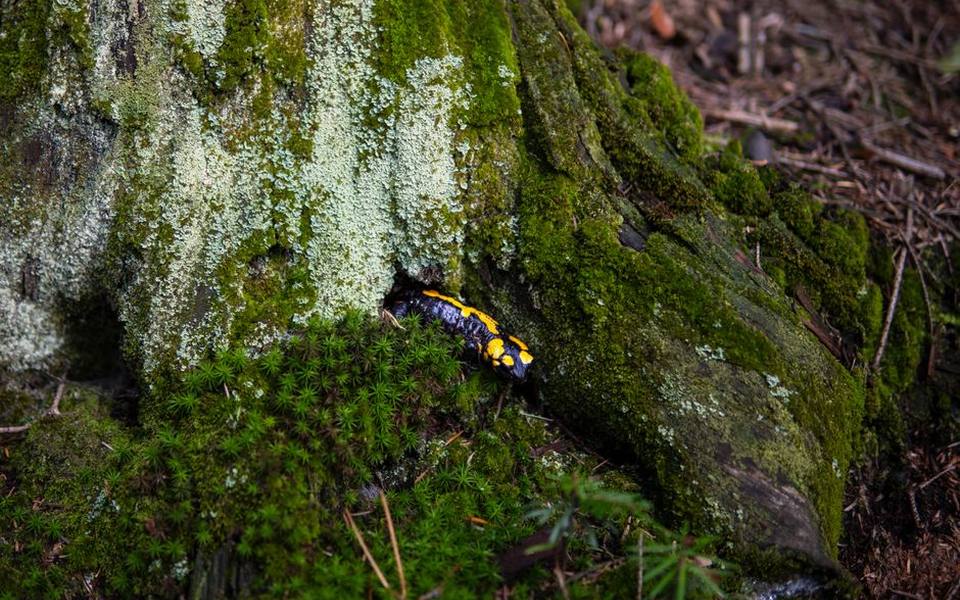
Order Caudata contains salamanders, newts, and sirens. Unlike frogs, these amphibians retain their elongated bodies and tails throughout their entire lives, moving with a primitive side-to-side undulating motion reminiscent of early tetrapods. Salamanders typically prefer cool, damp leaf litter or subterranean burrows, while true newts cycle between aquatic and terrestrial phases, frequently developing flattened, paddle-like tails during breeding seasons to navigate ponds and slow-moving streams.
The third order, Gymnophiona, consists of caecilians, which are limbless, burrowing amphibians primarily found in tropical soil and freshwater systems across Central America, Africa, and Southeast Asia. Often mistaken for large earthworms or small snakes, caecilians possess ring-like dermal folds called annuli and tiny, recessed eyes covered by skin or bone. While rarely encountered in the retail pet trade, caecilians represent an ancient, highly specialized branch of amphibian biology.
Biological Superpowers and Cutaneous Respiration
While adult amphibians typically possess simple sac-like lungs, their primary or secondary method of gas exchange occurs through cutaneous respiration. The epidermis must stay continuously moist so that ambient oxygen dissolves into thin layers of mucus and diffuses directly across capillary-rich tissue. Specialized dermal glands produce protective mucus to prevent drying, while granular glands can secrete biochemical compounds ranging from mild irritants to lethal neurotoxins as defense mechanisms.
Because their skin is so porous, amphibians do not drink water through their mouths as mammals and reptiles do. Instead, they absorb moisture and electrolytes directly from their surroundings through a specialized, highly vascularized abdominal area known as the pelvic patch or seat patch. When an amphibian presses its underside against damp moss, soil, or a shallow water dish, osmotic pressure draws hydration straight into its circulatory system.
This exceptional permeability means that physical contact with human skin presents genuine medical risks to captive specimens. Natural human skin oils, sweat salts, soap residues, hand sanitizers, and household lotions can quickly absorb into an amphibian's bloodstream, causing systemic toxicity, chemical burns, or organ failure. Handling should always be kept to an absolute minimum and conducted using powder-free nitrile gloves thoroughly rinsed with conditioned water.
The Complex Life Cycle and Metamorphosis
The classic amphibian life cycle begins with unshelled, gelatinous eggs deposited in freshwater pools, temporary vernal puddles, or attached to aquatic vegetation. Without a protective amniotic shell to retain internal moisture, amphibian eggs must remain submerged or situated in saturated microclimates to prevent drying out. Over several days or weeks, embryos develop within clear jelly capsules before hatching into fully aquatic larvae, commonly called tadpoles or polliwogs.
During the larval phase, young amphibians look and function very differently from their adult forms, possessing external or internal gills, a laterally compressed tail for swimming, and specialized scraping mouthparts designed for feeding on algae and biofilms. As hormonal surges of thyroid stimulating hormone trigger metamorphosis, the larva undergoes an extraordinary anatomical restructuring: gills regress, lungs expand, limbs emerge, the tail resorbs, and the herbivorous digestive tract shortens into a predatory system.
Nature also features fascinating evolutionary departures from this standard developmental journey. Some species undergo direct development, where tiny, fully formed froglets hatch directly from terrestrial eggs without an intermediate free-swimming tadpole stage. Conversely, species like the Mexican axolotl demonstrate obligate neoteny, reaching full sexual maturity while permanently retaining their juvenile larval features, including aquatic habits and large external gills, throughout their adult lives.
Choosing an Amphibian as a Companion Animal
Prospective keepers must recognize that amphibians are ornamental, observational display animals rather than interactive, cuddly pets. Species commonly kept in home collections vary significantly in behavior, activity levels, and environmental difficulty. Terrestrial ambush predators like the Pacman frog spend most of their time burrowed into substrate waiting for food, making them low-energy pets suitable for smaller enclosures, while poison dart frogs offer vibrant colors and active daytime foraging.
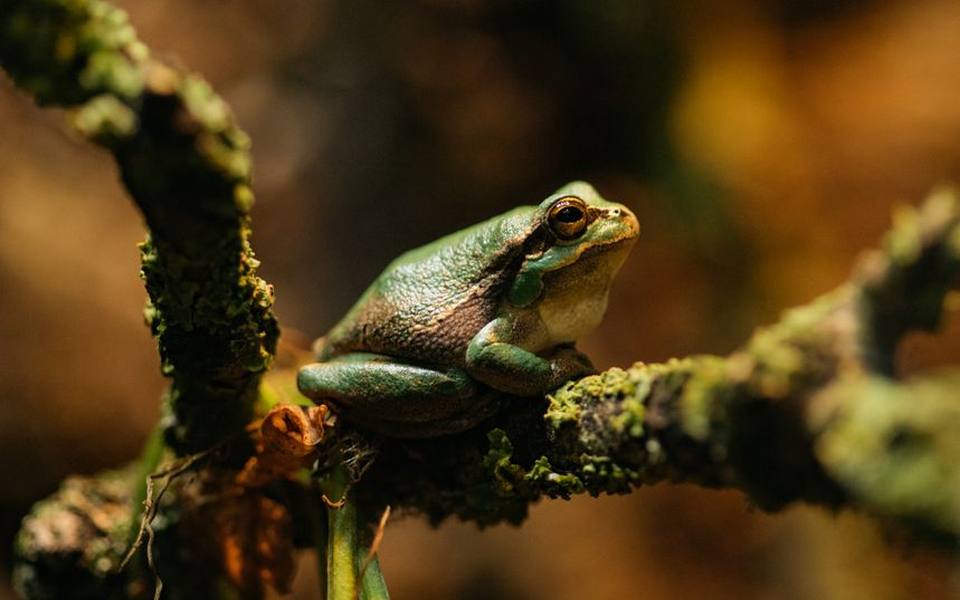
Arboreal species like White's tree frogs and red-eyed tree frogs introduce vertical habitat dimensions and require tall vivariums with sturdy branches and broad-leaf foliage. In contrast, aquatic hobbyists frequently gravitate toward axolotls or African clawed frogs, which spend their entire lives underwater and require cold, filtered aquatic tanks rather than terrestrial vivariums. Each species occupies a distinct environmental niche that demands specific hardware, humidity parameters, and lighting schedules.
Longevity is an often-overlooked factor when acquiring an amphibian. While small wild frogs may only survive a few seasons due to heavy predation, captive amphibians kept in optimized enclosures routinely live for ten to twenty years, and some salamander species can exceed twenty-five years. Taking on an amphibian requires a dependable multi-year commitment to continuous climate control, live insect management, and stable environmental maintenance.
Enclosure Architecture and Microclimates
Designing a captive amphibian enclosure requires replicating a functional microclimate where temperature and humidity stay within species-specific tolerance ranges. Vivariums generally fall into three structural categories: fully terrestrial terrariums with moist soil substrates, semi-aquatic paludariums featuring partitioned land and water areas, and fully aquatic aquariums. Glass enclosures with sealed or partially screened tops are standard for retaining necessary ambient humidity without eliminating air exchange.
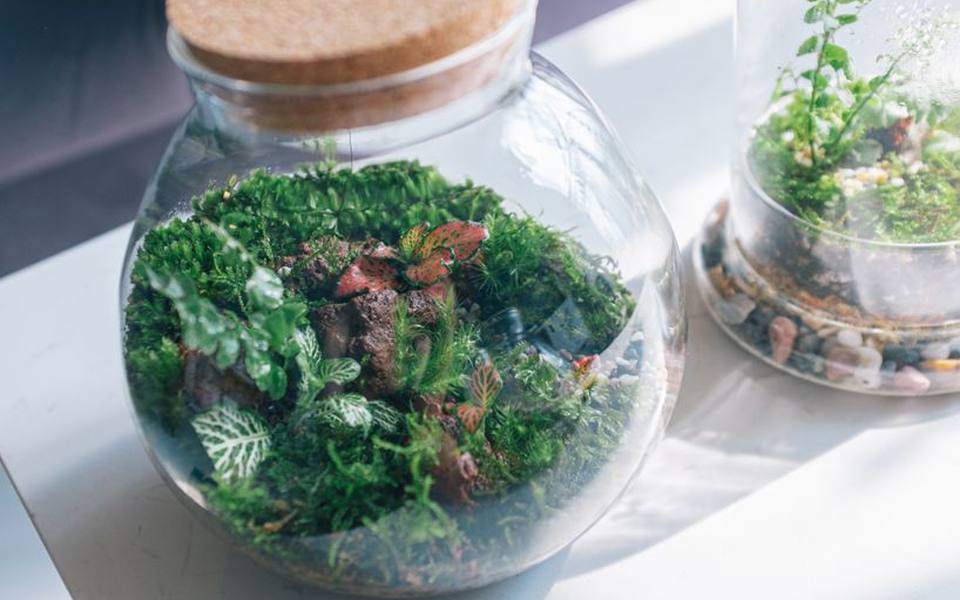
A proper terrestrial setup typically incorporates a bioactive drainage system to prevent stagnant water from saturating root zones and decomposing organic waste. Keepers place an expanded clay or false bottom beneath a fine mesh barrier, topped with an organic substrate blend of coco coir, sphagnum moss, and leaf litter. Beneficial microfauna, such as springtails and isopods, are routinely introduced into the soil to consume decomposing waste, sheds, and mold before harmful bacteria multiply.
Thermal control must be approached cautiously, as amphibians overheat and desiccate much faster than reptiles. Most temperate species prefer temperatures between 65 and 72 degrees Fahrenheit, while tropical species rarely require temperatures exceeding 78 to 82 degrees. High-wattage basking lamps used for desert lizards should be avoided entirely; gentle ambient heating pads connected to external digital thermostats provide safe, reliable warmth without drying out surrounding air.
Water Quality and Chemical Sensitivities
Water purity is the most critical factor in amphibian survival, as any dissolved compounds pass directly into their internal organs through cutaneous absorption. Municipal tap water contains chlorine and chloramines added to eliminate pathogens, but these exact chemicals cause severe dermal irritation and gill necrosis in captive amphibians. Untreated tap water should never be poured into misting reservoirs, soaking dishes, or aquatic tanks under any circumstances.
To make tap water safe, keepers must use broad-spectrum aquatic conditioners specifically formulated to break down chloramines and neutralize toxic heavy metals like copper and lead. Distilled or reverse osmosis water alone is unsuitable for prolonged soaking or aquatic housing because it lacks essential minerals and osmotic balance, which can cause severe cellular swelling or mineral depletion; it should be blended with pure spring water or remineralized salts.
Aquatic setups housing axolotls or newts require established biological filtration to process metabolic waste. Amphibians produce ammonia through respiration and waste excretion, which quickly accumulates to lethal levels in uncycled systems. Beneficial bacteria colonies housed inside sponge or canister filters convert raw ammonia into nitrites and subsequently into less harmful nitrates, which keepers keep in check through regular partial water changes using temperature-matched, conditioned water.
Nutrition, Live Prey, and Mineral Balance
All adult amphibians are obligate carnivores that respond almost exclusively to the movement of live prey. Their diets cannot be sustained on dry commercial pellets, dog food, or dead meat. Keepers must be comfortable sourcing, housing, and handling live feeder insects, including crickets, dubia roaches, captive-cultured fruit flies, earthworms, black soldier fly larvae, and silkworms depending on the mouth gape and hunting strategy of the specific animal.
Feeder insects sold at retail outlets contain poor calcium-to-phosphorus ratios and minimal vitamin content, which causes metabolic bone disease (MBD) if fed without preparation. Gut-loading feeder bugs with fresh leafy greens, squash, and nutritious grains for 24 to 48 hours before feeding transfers essential micro-nutrients directly into the amphibian's digestive tract. Furthermore, insects must be lightly dusted with high-grade calcium carbonate and multivitamin powders containing pre-formed vitamin A.
Amphibians cannot convert beta-carotene into active vitamin A efficiently, making dietary pre-formed vitamin A essential to prevent squamous metaplasia and short-tongue syndrome, a condition where frogs lose the ability to capture insects. Overfeeding is equally dangerous; sedentary ambush predators like Pacman and tomato frogs readily consume excessive calories, leading to severe obesity, liver lipidosis, and decreased life expectancy. Feeding schedules must match the animal's age, species metabolism, and ambient temperature.
Recognizing Illness and Medical Needs
Recognizing medical emergencies in amphibians requires daily visual observation, as their subtle signs of disease can progress rapidly into irreversible decline. Common clinical indicators of sickness include lethargy, abnormal posture, sunken or cloudy eyes, persistent loss of appetite, fluid swelling known as dropsy, and unexplained color changes. Because their skin serves as an essential breathing organ, any open sores, sloughing patches, or excessive mucus accumulation demand immediate attention.

Bacterial dermatosepticemia, traditionally called red leg syndrome, is a frequent systemic infection caused by opportunistic bacteria invading compromised dermal barriers, often resulting from poor sanitation or improper temperature. Another catastrophic threat is chytridiomycosis, a fungal disease caused by Batrachochytrium dendrobatidis that thickens the keratinized skin layers, suffocating the animal and disrupting electrolyte regulation. Suspected outbreaks require prompt isolation and specific antifungal baths prescribed by an experienced exotic practitioner.
When health problems arise, seeking care from clinicians experienced with ectotherms is crucial. Routine domestic dog and cat clinics rarely possess diagnostic tools, anesthesia protocols, or specialized pharmacology needed for small delicate amphibians. Consulting experienced practitioners through reptile vets or dedicated exotic animal hospitals ensures accurate diagnostics, such as skin scrapes, cloacal washes, and properly measured water-soluble medications.
Navigating Veterinary Care and Long-Term Ownership
Before bringing an amphibian home, prospective owners must investigate state wildlife regulations and municipal exotic pet ordinances. In states like California and New Jersey, owning axolotls is completely prohibited due to concerns about accidental releases endangering vulnerable native ecosystems. Similarly, certain large toad species and exotic newts face strict transport permits or importation bans across Florida and other southern regions to prevent invasive spread.
A rigorous quarantine period is mandatory whenever adding an amphibian to an existing animal collection. Newly acquired specimens should be housed in a simple, sterile setup with moist paper towels and clean hiding caves for 60 to 90 days. This separate environment allows keepers to monitor fecal consistency, verify hunting drive, and test for underlying fungal or parasitic loads before introducing the animal into complex, hard-to-sanitize bioactive enclosures.
Building a relationship with a qualified medical professional should happen well before an emergency occurs. Experienced clinicians listed under exotic pet veterinarians and specialist clinics or browsed across our complete all states veterinary directory can conduct baseline wellness checks, perform fecal examinations for internal parasites, and provide species-specific husbandry audits that keep your amphibians thriving for years.
Published 2026-09-21 · reviewed with each rebuild, last September 2026.
Find exotic pet vets near you
The directory lists 3,226 exotic pet vets by state and city — pick your state or use the “Near me” button in the header.
More guides
-
 Owning
What Are Amphibians? A Complete Guide to Amphibians as Exotic Pets
-
 Money
MoneyHow to Find Affordable and Emergency Vet Care for Exotic Pets
-
 Money
MoneyHow Much Does a Parrot Cost? Complete Exotic Bird and Pet Care Price Guide
-
 Owning
Can You Keep a Capybara as a Pet? Legality, Care, and Diet Requirements
-
 Owning
How to Treat and Get Rid of Snake Mites Safely
-
 Owning
Keeping Exotic Mammals: Can You Have a Fennec Fox or Kinkajou as a Pet?
-
 Money
MoneyLow-Cost Rabbit Neutering: What to Expect and How to Find Affordable Care
-
 Owning
What Is an Avian Pet? A Guide to Bird Care and Specialized Veterinary Medicine
-
 Service
How to Find and Choose the Right Exotic Pet Veterinarian
-
 Owning
Swim Bladder Disease in Aquarium Fish: Causes, Symptoms, and Treatment
-
Owning
How to Identify and Treat Mites and Skin Parasites in Reptiles, Snakes, and Rabbits
-
Safety
Rabbit GI Stasis Guide: Symptoms, Emergency Care, and Prevention
-
 Owning
Bearded Dragon Health Guide: Brumation, Impaction, Fungus, and Skin Issues
-
 Safety
Hamster Wet Tail Disease: Causes, Symptoms, Treatment, and Prevention
-
 Owning
Clinical Care Guide: Common Illnesses in Ferrets, Pythons, and Rabbits
-
Owning
Sugar Glider Diet and Feeding Guide: BML, TPG, and Nutritional Balance
-
Owning
Bird Grooming Guide: Wing Trimming, Beak Care, and Nail Maintenance
-
 Money
MoneyExotic Pet Insurance and Vet Costs: What Is Covered and Is It Worth It?
-
 Owning
Legal Exotic Pets and Ownership Laws: Permits, Licenses, and State Regulations
-
Owning
Bird Feather Plucking and PBFD: Causes, Symptoms, and Diagnostic Steps
-
 Service
Psittacine Health and Avian Veterinary Care Guide
-
 Service
How to Find and Evaluate Exotic Pet Clinics, Specialists, and Emergency Care
-
 Owning
Clinical Guide to Reptile Shell Disorders, Shedding Complications, and Impaction
-
 Owning
Small Mammal Healthcare: Managing Chronic Illness and Emergencies
-
 Safety
Avian Egg Binding and Yolk Peritonitis: Emergency Care and Clinical Protocols
-
 Owning
Bird Grooming, Wing Maintenance, and Early Illness Signs
-
 Service
Backyard Poultry and Waterfowl Veterinary Care Guide
-
 Buying
Exotic Pet Ownership: Legal Rules, Realistic Costs, and Beginner Options
-
 Service
Aquatic Medicine: Treating Swim Bladder and Fish Infections
-
 Money
MoneyRabbit Spay, Neuter, and Vaccination Costs: Complete Veterinary Guide
-
 Owning
Bearded Dragon Brumation and Metabolic Bone Disease: Signs, Causes, and Care
-
 Buying
Parrot Ownership Guide: Prices, Types, and Avian Basics
-
 Owning
Complete Guide to Snake Mite Treatment: Products, Safe Sprays, and Vet Care
-
 Money
MoneyRabbit Spay and Neuter Costs: Vaccinations and Low-Cost Vet Options
-
 Owning
What Are Amphibians? Traits, Classification, and Pet Care Basics
-
 Owning
How to Get an Exotic Pet License: Legal Permits and Animal Ownership Laws
-
 Owning
Reptile Health Guide: Bearded Dragon Brumation, Metabolic Bone Disease, and Snake Mite Control
-
 Money
MoneyRabbit Spay, Neuter, and Vaccination Costs: Low-Cost Vet Guide
-
 Money
MoneyHow Much Does an Exotic Vet Cost? Emergency, Routine, and In-Home Care Guide