Understanding Brumation Versus True Mammalian Hibernation
Brumation is a natural dormant state that ectothermic reptiles, including bearded dragons, enter in response to colder temperatures and shorter daylight cycles. While many pet owners wonder whether bearded dragons hibernate, true hibernation strictly applies to endothermic mammals like bears or rodents that drop their body temperatures while remaining asleep for months. Reptiles experience brumation instead, characterized by periods of deep rest interspersed with brief awakenings. During this phase, their metabolic rate drops significantly, yet they remain aware of their environment and can react sluggishly to gentle handling or shifts in cage lighting.
Understanding this physiological state is essential because captive bearded dragons often show identical symptoms when suffering from severe health problems. A healthy bearded dragon will gradually reduce its activity level over several weeks as ambient room temperatures shift in the autumn. It will slowly stop basking, ignore favorite feeder insects, and retreat toward the cooler end of its vivarium. While wild agamid lizards in central Australia rely on brumation to survive winter droughts and freezing desert nights, indoor dragons may enter dormancy even when artificial basking lights remain constant, triggered by subtle barometric pressure shifts or room ambient temperatures.
Distinguishing a harmless winter sleep from an acute medical emergency is where many owners struggle. Because dormant lizards move very little, early clinical signs of progressive conditions like metabolic bone disease can be completely missed. When an owner assumes their reptile is simply taking a routine winter nap, progressive calcium depletion can advance unnoticed for months. Knowing how brumation works gives keepers the confidence to support their pet safely while remaining vigilant for true physical deficits.
Timing and Environmental Triggers for Seasonal Dormancy
Timing varies across individual animals, but captive bearded dragons typically initiate brumation between late autumn and early spring, usually beginning around October or November. The duration depends heavily on genetics, age, and indoor climate cues, running anywhere from a few brief weeks to upwards of four months. In domestic environments, even dragons housed in climate-controlled rooms often perceive subtle reductions in ambient sunlight filtering through household windows. Some dragons will brumate faithfully every single calendar year, whereas others housed under the exact same conditions might skip dormancy altogether throughout their entire adult lives.
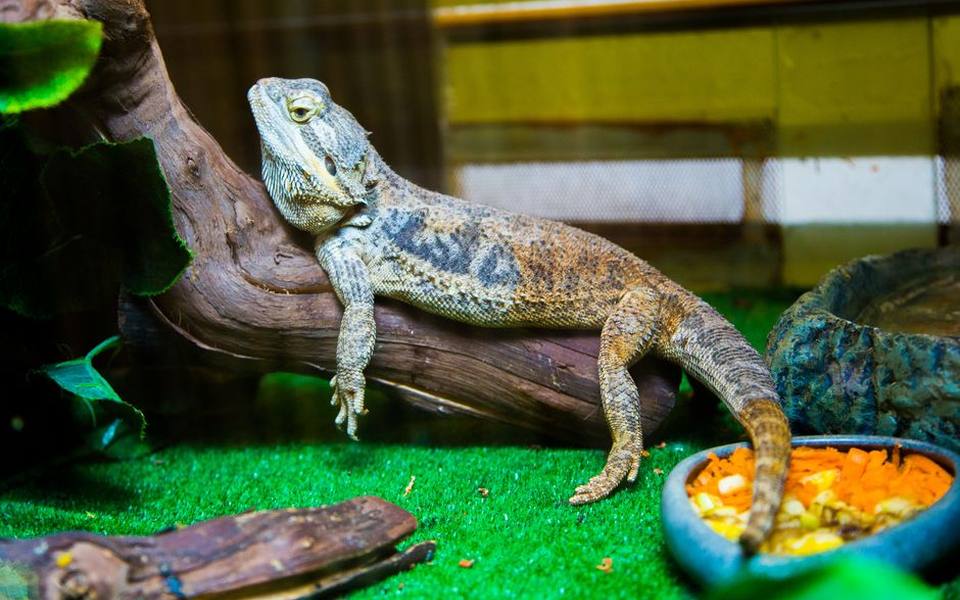
Age plays a crucial role in determining whether dormancy is developmentally safe. Juvenile dragons younger than ten to twelve months old should generally not be allowed to brumate because their rapidly expanding skeletal structures demand constant calcium uptake and high daily caloric intake. If an adolescent lizard starts acting lethargic during winter, owners should look for underlying husbandry problems rather than assuming seasonal dormancy. Adults, by contrast, possess the fat reserves stored in their tail base and coelomic fat pads necessary to sustain weeks of near-zero food intake without organ damage.
Environmental triggers go beyond simple calendar dates. While seasonal light cycles dictate natural rhythms, artificial photoperiod reductions and failing heat bulbs often initiate accidental brumation in captive setups. If basking temperatures drop below adequate digestion thresholds, a lizard naturally shuts down its digestive tract to prevent food from rotting in its stomach. Keepers should always verify that enclosure basking surfaces maintain proper gradient ranges before concluding that seasonal cycles are solely responsible for a pet's behavioral deceleration.
Identifying Normal Brumation Postures and Behaviors
Determining whether your lizard has entered normal brumation requires careful observation of resting habits and physical postures. When a bearded dragon begins brumating, it actively seeks out secluded, dark corners, hollow logs, or burrowing substrate beneath cage furniture. Its appetite declines gradually rather than dropping overnight; it will first refuse greens, then turn down live feeders, and eventually empty its gastrointestinal tract before fully settling into sleep. Its skin might darken slightly to absorb residual heat, but its muscle tone across the spine and pelvis should remain firm and well-defined.
Owners frequently ask whether bearded dragons brumate with their eyes open or closed. The answer depends on their current depth of sleep, as dragons often drift between light torpor and deep rest. While completely dormant reptiles keep their eyes shut tight for consecutive days or weeks, a brumating dragon will frequently open one or both eyes if you open the vivarium doors, adjust room lights, or approach the enclosure. They may track your movement across the room without shifting their body, blink slowly, and then settle their eyelids back down once quiet returns.
A critical indicator of normal seasonal rest is responsiveness without distress. If you gently touch your dragon's shoulder or lightly stroke its tail, a healthy brumating animal will react with slow, deliberate motion, often shifting position or taking a deeper breath. The dragon should not tremble, convulse, or show flaccid limbs that fail to push back against floor pressure. If a pet appears completely comatose, feels unusually squishy or limp, or fails to open its eyes when picked up, immediate evaluation by qualified reptile veterinary specialists is necessary to rule out life-threatening illnesses.
Defining Metabolic Bone Disease in Captive Agamids
Metabolic bone disease, or nutritional secondary hyperparathyroidism, is a preventable yet prevalent condition affecting captive reptiles. At its biological core, MBD represents a profound disruption in how a lizard absorbs, synthesizes, and utilizes calcium throughout its skeletal system and neuromuscular pathways. When serum calcium levels plunge below physiological minimums, the parathyroid glands secrete parathyroid hormone, which actively leaches calcium directly out of the lizard's skeletal matrix to maintain vital cardiac and neuromuscular function. Over time, bones become porous, brittle, and structurally compromised, resembling rubber rather than dense calcified tissue.
The onset of MBD is insidious, often developing over weeks or months of subtle nutritional or environmental deficits. In the earliest stages, owners may notice nothing more than mild reluctance to climb basking branches or slight unsteadiness during pursuit of prey. As the condition worsens, calcium depletion interferes with peripheral nerve signaling, leading to characteristic involuntary muscle twitches, trembling toes, and systemic muscle weakness. Left unchecked, the disease permanently deforms bones, causing curved spines, flattened ribs, swollen limbs, and the hallmark soft mandible where the jaw structure completely weakens.
Unlike seasonal dormancy, which is an evolved, healthy survival strategy, metabolic bone disease is an unnatural pathological breakdown that causes substantial pain and chronic physical disability. A lizard suffering from MBD is not resting; its neuromuscular system is starving for mineral ions required to transmit motor commands. Understanding the root mechanics of bone metabolism helps owners realize why a sluggish dragon must never be dismissed as merely tired without first validating its nutritional and lighting parameters.
Distinguishing Brumation Sluggishness from MBD Weakness
Telling the difference between normal brumation lethargy and pathological weakness from MBD is one of the most critical responsibilities of keeping a bearded dragon. A brumating dragon chooses not to move, holding its limbs firmly tucked under its frame or curled close against its abdomen. In contrast, an MBD-afflicted lizard physically cannot move properly; it may attempt to lift its torso to bask but end up dragging its belly across the substrate because its femoral bones are too weak to support body weight.
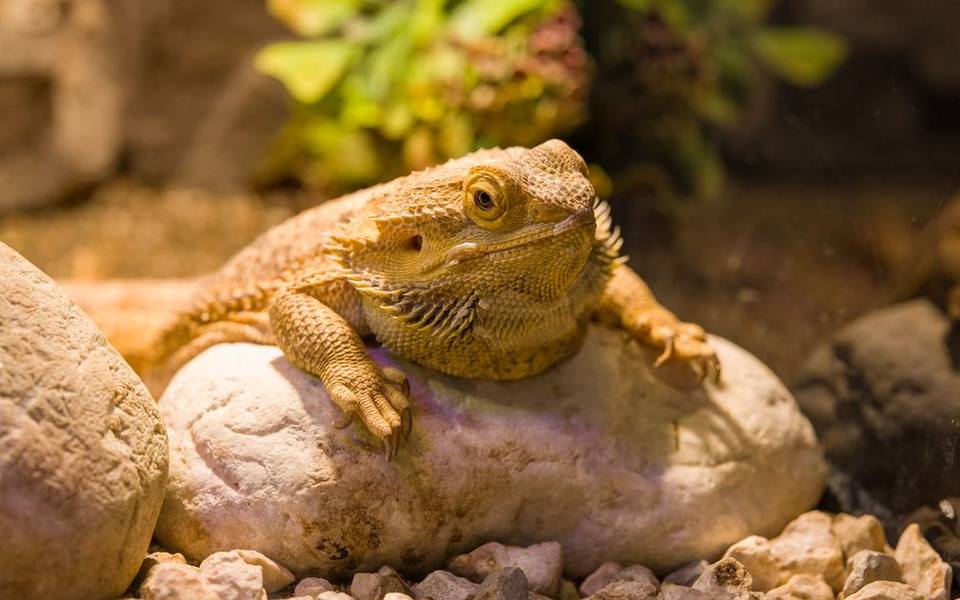
Fine motor control provides another definitive diagnostic distinction. While a brumating dragon may move sluggishly, its motions remain smooth, controlled, and deliberate when aroused. Dragons with calcium deficiencies display noticeable muscle fasciculations—tiny, intermittent tremors or jerky contractions that flicker through the toes, tail tip, and leg muscles. Furthermore, an owner can gently palpate the lower jawline: a healthy brumating dragon maintains a rigid, bony jaw that firmly resists deflection, whereas an MBD patient often displays a pliable, soft mandible that gives way under light fingertip pressure.
Skeletal architecture must also be scrutinized before assuming seasonal rest. A dragon entering dormancy maintains a straight spine, symmetrical shoulders, and sturdy, straight leg bones, even if its abdominal cavity looks relatively deflated from fasting. Metabolic bone disease, conversely, presents with hard, fibrous swellings around the wrists and ankles, a sudden hump along the thoracic spine, or an underbite caused by jaw shortening. If your dragon appears unusually flat, displays asymmetric limb joints, or cannot grasp branches, seek care from experienced exotic pet veterinarians immediately rather than waiting for spring.
Lighting Deficits and Calcium Synthesis Breakdown
The primary driver behind nutritional secondary hyperparathyroidism is a failure in the reptile's vitamin D3 synthesis cascade. In the wild, bearded dragons bask under intense Australian sunlight, absorbing specific wavelengths within the ultraviolet B spectrum (280 to 315 nanometers). This radiation converts provitamin D in the epidermis into previtamin D3, which then isomerizes into active calcitriol through liver and kidney processing. Without adequate UVB light exposure, bearded dragons cannot absorb dietary calcium across their intestinal mucosa, regardless of how much calcium supplement is sprinkled onto their food.
In home enclosures, artificial UVB sources degrade over time even if the visible light bulb continues to illuminate the vivarium. Linear fluorescent T5 high-output bulbs typically maintain proper UVB output for about six to twelve months, depending on manufacturer specifications, while compact coil bulbs often fail to provide sufficient coverage across the lizard's basking zone. Furthermore, screen mesh lids can filter out thirty to fifty percent of usable UVB rays, dramatically lowering the effective UV index reaching the animal's dorsal skin.
Dietary balance between calcium and phosphorus represents the second half of the equation. Many popular feeding insects, such as mealworms and crickets, naturally possess an inverted calcium-to-phosphorus ratio, containing significantly more phosphorus than calcium. Excess dietary phosphorus binds with calcium in the digestive tract, rendering it unabsorbable and accelerating systemic depletion. Regular dusting of feeder insects with pure calcium carbonate, coupled with gut-loading using calcium-rich leafy greens, provides the necessary dietary base to sustain skeletal integrity throughout all seasons.
Veterinary Clearance and Pre-Dormancy Preparation
Before allowing any bearded dragon to enter deep brumation, a thorough pre-dormancy health audit is mandatory. Housing a lizard that harbors hidden internal parasites, renal impairment, or subclinical MBD in a cold, low-metabolism state can prove fatal. When a reptile's body temperature drops, its immune system naturally downregulates, permitting dormant bacterial or protozoan infections to proliferate unchecked. A comprehensive fecal examination performed a month before winter allows you to eradicate parasite burdens while the lizard still has enough metabolic warmth to clear medications.
Cleansing the gastrointestinal tract is equally vital once an owner decides to permit winter sleep. Food remaining in an inactive lizard's stomach cannot be digested properly because digestive enzymes require elevated basking temperatures to break down proteins and plant matter. If a dragon falls asleep with a stomach full of roaches or greens, that material will putrefy internally, causing fatal sepsis or gastrointestinal impaction. To prevent this, owners must cease offering solid food at least ten to fourteen days prior to turning down temperatures, ensuring the reptile passes its final bowel movement.
Hydration during the ramp-down period should never be overlooked. Even though lizards consume less water during winter, dehydration remains a leading complication of captive brumation, leading to gout and acute kidney stress. Offering shallow lukewarm soaks or administering oral droplets via a syringe helps keep hydration levels stable before dormancy begins. During this transitional phase, maintaining access to clean drinking water ensures the lizard can hydrate should it wake periodically.
Enclosure Adjustments and Monitoring During Inactivity
Managing an enclosure during active brumation requires striking a careful balance between natural dormancy and neglect. While it may be tempting to completely shut down lights and heating elements, domestic vivariums generally need a modified schedule rather than total darkness. Photoperiods are typically reduced from the standard twelve or fourteen hours down to eight or ten hours of daytime light, keeping basking temperatures modestly lower while maintaining safe nighttime ambient baselines that do not dip below sixty-five degrees Fahrenheit.
Nutrition during this dormant period must be approached with caution. Because the dragon's digestive machinery is stalled, you should not force-feed your pet or leave live insects inside the vivarium. Loose crickets or superworms can chew on a sleeping dragon's eyelids, toes, and vent, causing painful lacerations and severe secondary bacterial infections. If your dragon temporarily rouses, wanders around the habitat, or basks for several consecutive hours, you may offer fresh leafy greens lightly dusted with calcium, but avoid heavy proteins unless the animal stays awake for days.
Weighing your bearded dragon on a digital kitchen scale every two to three weeks provides the safest, least intrusive method of monitoring health. A healthy adult dragon will typically lose less than five to ten percent of its overall body weight across the entire brumation span. If your scale reveals rapid or continuous weight loss, the dragon is not experiencing a safe brumation cycle; instead, it is burning lean tissue due to underlying disease, dehydration, or persistent parasite loads, demanding immediate re-warming and medical intervention.
Clinical Treatments and Rehabilitation for MBD Patients
When a lizard exhibits definite signs of metabolic bone disease—such as inability to support its weight, rubbery jaw structures, or persistent tremors—prompt clinical intervention is imperative. An exotic veterinarian will conduct a thorough physical exam alongside whole-body orthogonal radiographs to assess bone mineral density, detect hairline cortical fractures, and check for organ enlargement. Blood biochemical profiles are frequently drawn to evaluate ionized calcium, total calcium, and phosphorus ratios, providing an objective baseline of systemic compromise.
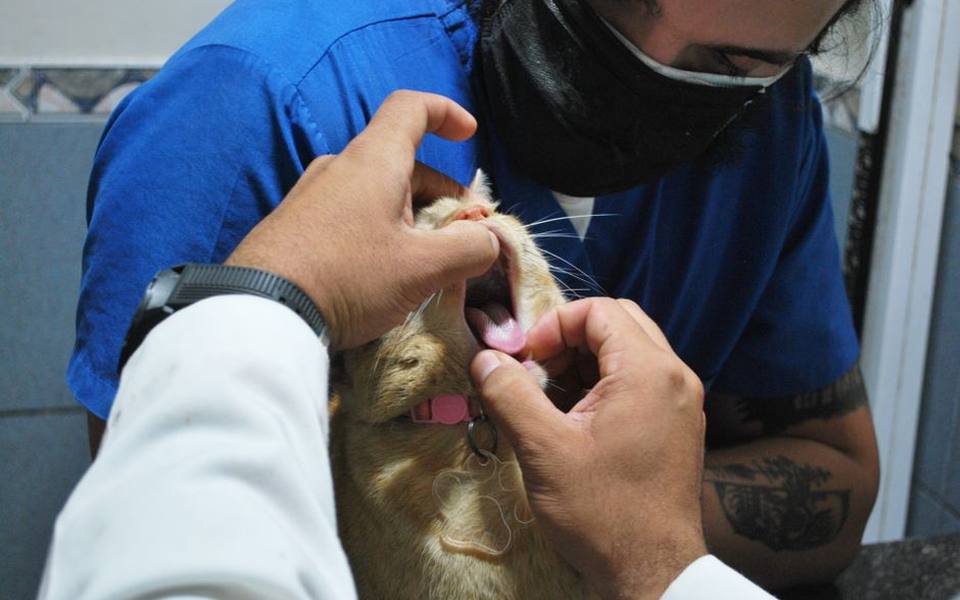
Treatment for acute MBD typically involves controlled, bioavailable calcium therapy administered under clinical supervision. In severe cases involving tetany or seizures, injectable calcium glubionate or gluconate may be administered to rapidly stabilize blood concentrations, followed by daily oral liquid calcium suspensions. Because sudden shifts in circulating calcium can stress the heart and kidneys, dosages must be carefully calculated by certified exotic veterinarians in regional centers, such as experienced reptile clinics in Texas or practices in other heavily populated states.
Concurrently, veterinary teams address environmental and husbandry failures. UVB fixtures must be upgraded immediately to high-output linear systems positioned at correct distances, and oral vitamin D3 supplementation may be prescribed if cutaneous synthesis is insufficient. While severe skeletal deformities, such as kyphosis or shortened jaws, are permanent structural changes that will never fully reverse, prompt medical stabilization can stop bone degradation, restore pain-free mobility, and allow affected lizards to live comfortable, adapted lives.
Post-Brumation Care and Long-Term Prevention Plans
As winter wanes and ambient daylight lengths expand, bearded dragons gradually wake from brumation. You will observe your pet spending more time basking directly beneath the heat lamp, opening its eyes fully, and showing renewed curiosity about its surroundings. To support this biological awakening, slowly increase the daily photoperiod back to twelve to fourteen hours over a period of seven to ten days, restoring basking spot temperatures to the ideal range of one hundred to one hundred and five degrees Fahrenheit.
The first post-brumation meals should be gentle on the reviving digestive system. Offer hydration first via shallow warm baths or water drops on the snout, followed by easily digestible, moisture-rich greens like collard greens, dandelion leaves, or escarole. Once the dragon passes its first post-winter stool, gut-loaded insects dusted with calcium and multivitamins can be reintroduced in small, controlled portions. This measured ramp-up prevents refeeding syndrome and allows gut flora to repopulate naturally.
Long-term prevention of metabolic bone disease requires ongoing vigilance rather than intermittent fixes. Regularly replacing linear UVB bulbs before they expire, providing diverse gut-loaded feeders with calcium supplementation, and recording monthly weights form the foundation of proper agamid lizard care. Should you notice persistent lethargy outside of seasonal windows, consult trusted resources across the national exotic pet vet directory to ensure your companion receives expert care before minor deficiencies develop into irreversible disease.
Published 2026-09-21 · reviewed with each rebuild, last September 2026.
Find exotic pet vets near you
The directory lists 3,226 exotic pet vets by state and city — pick your state or use the “Near me” button in the header.
More guides
-
 Owning
What Are Amphibians? A Complete Guide to Amphibians as Exotic Pets
-
 Money
MoneyHow to Find Affordable and Emergency Vet Care for Exotic Pets
-
 Money
MoneyHow Much Does a Parrot Cost? Complete Exotic Bird and Pet Care Price Guide
-
 Owning
Can You Keep a Capybara as a Pet? Legality, Care, and Diet Requirements
-
 Owning
How to Treat and Get Rid of Snake Mites Safely
-
 Owning
Keeping Exotic Mammals: Can You Have a Fennec Fox or Kinkajou as a Pet?
-
 Money
MoneyLow-Cost Rabbit Neutering: What to Expect and How to Find Affordable Care
-
 Owning
What Is an Avian Pet? A Guide to Bird Care and Specialized Veterinary Medicine
-
 Service
How to Find and Choose the Right Exotic Pet Veterinarian
-
 Owning
Swim Bladder Disease in Aquarium Fish: Causes, Symptoms, and Treatment
-
Owning
How to Identify and Treat Mites and Skin Parasites in Reptiles, Snakes, and Rabbits
-
Safety
Rabbit GI Stasis Guide: Symptoms, Emergency Care, and Prevention
-
 Owning
Bearded Dragon Health Guide: Brumation, Impaction, Fungus, and Skin Issues
-
 Safety
Hamster Wet Tail Disease: Causes, Symptoms, Treatment, and Prevention
-
 Owning
Clinical Care Guide: Common Illnesses in Ferrets, Pythons, and Rabbits
-
Owning
Sugar Glider Diet and Feeding Guide: BML, TPG, and Nutritional Balance
-
Owning
Bird Grooming Guide: Wing Trimming, Beak Care, and Nail Maintenance
-
 Money
MoneyExotic Pet Insurance and Vet Costs: What Is Covered and Is It Worth It?
-
 Owning
Legal Exotic Pets and Ownership Laws: Permits, Licenses, and State Regulations
-
Owning
Bird Feather Plucking and PBFD: Causes, Symptoms, and Diagnostic Steps
-
 Service
Psittacine Health and Avian Veterinary Care Guide
-
 Service
How to Find and Evaluate Exotic Pet Clinics, Specialists, and Emergency Care
-
 Owning
Clinical Guide to Reptile Shell Disorders, Shedding Complications, and Impaction
-
 Owning
Small Mammal Healthcare: Managing Chronic Illness and Emergencies
-
 Safety
Avian Egg Binding and Yolk Peritonitis: Emergency Care and Clinical Protocols
-
 Owning
Bird Grooming, Wing Maintenance, and Early Illness Signs
-
 Service
Backyard Poultry and Waterfowl Veterinary Care Guide
-
 Buying
Exotic Pet Ownership: Legal Rules, Realistic Costs, and Beginner Options
-
 Service
Aquatic Medicine: Treating Swim Bladder and Fish Infections
-
 Money
MoneyRabbit Spay, Neuter, and Vaccination Costs: Complete Veterinary Guide
-
 Owning
Understanding Amphibians: Characteristics, Classification, and Pet Care Basics
-
 Buying
Parrot Ownership Guide: Prices, Types, and Avian Basics
-
 Owning
Complete Guide to Snake Mite Treatment: Products, Safe Sprays, and Vet Care
-
 Money
MoneyRabbit Spay and Neuter Costs: Vaccinations and Low-Cost Vet Options
-
 Owning
What Are Amphibians? Traits, Classification, and Pet Care Basics
-
 Owning
How to Get an Exotic Pet License: Legal Permits and Animal Ownership Laws
-
 Owning
Reptile Health Guide: Bearded Dragon Brumation, Metabolic Bone Disease, and Snake Mite Control
-
 Money
MoneyRabbit Spay, Neuter, and Vaccination Costs: Low-Cost Vet Guide
-
 Money
MoneyHow Much Does an Exotic Vet Cost? Emergency, Routine, and In-Home Care Guide