Routine Bird Grooming and Health Monitoring Basics
Caring for a companion bird requires a careful balance between gentle physical maintenance and attentive behavioral observation. Unlike cats or dogs, birds instinctively mask discomfort, weakness, and physical illness until their physical reserves are heavily depleted. Routine grooming sessions provide the perfect hands-on opportunity to assess feather quality, check skin condition, inspect the beak and feet, and verify overall muscle condition before minor issues become medical crises.
A proper grooming regimen generally centers on keeping the claws at a functional length, monitoring primary flight feathers, and ensuring the plumage remains clean and free of parasites or self-inflicted damage. Whenever you handle your bird for nail trimming or wing evaluation, you have direct access to evaluate body score, breast muscle symmetry, and the cleanliness of the vent area. Establishing a calm, predictable handling routine reduces stress for both owner and bird.
Before attempting any grooming procedure at home, gather appropriate medical supplies, including styptic powder or cornstarch to halt minor bleeding, suitable specialized clippers, and soft cotton towels for safe restraint. If a bird appears lethargic, displays labored breathing, or resists handling with extreme panic, pause immediately. Consulting experienced avian vets is always preferable when you are uncertain about technique or when your pet shows early signs of underlying distress.
Safely Managing Claws on Cockatiels and Small Birds
Small birds such as cockatiels, budgies, and lovebirds rely heavily on sharp yet properly proportioned claws to balance, forage, and grip perches comfortably. Overgrown nails tend to curl sideways, snag on rope toys or cage bars, and alter the natural distribution of weight across the foot pads, which can eventually lead to pressure sores or bumblefoot. Regular trimming keeps the tips blunt and reduces the risk of traumatic toe injuries.
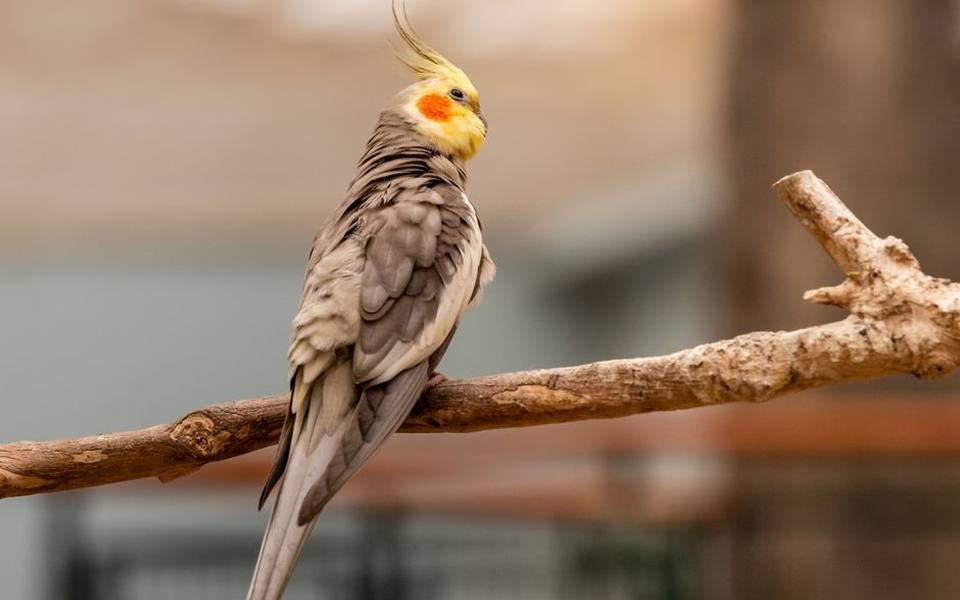
When performing a cockatiel nail trim, good lighting is essential because translucent nails allow you to clearly see the internal blood vessel, known as the quick. Gently secure the bird using a soft washcloth to control the wings and prevent sudden squirming, ensuring the chest is never compressed since birds lack a diaphragm and can easily suffocate under excessive pressure. Isolate a single toe between your thumb and forefinger, holding human cuticle nippers or bird-specific nail clippers at a forty-five-degree angle.
Take off only the very tip of the nail, remaining several millimeters away from the pink line of the quick. If you accidentally nick the vessel, maintain steady pressure and apply styptic powder or cornstarch directly onto the bleeding tip for thirty seconds until a firm clot forms. Performing frequent, tiny cuts every few weeks is far safer than attempting substantial reductions on neglected claws.
Incorporating natural wood perches of varying diameters, such as clean manzanita or bottlebrush branches, helps naturally wear down claws between maintenance sessions. Avoid abrasive sandpaper perch covers, which do little to shorten nails and frequently cause severe skin abrasions on the sensitive undersides of small avian feet.
Handling Claw Trims for Medium and Large Parrots
Larger hookbills like African greys, Amazons, and cockatoos present unique challenges during claw maintenance due to their jaw strength and opaque black nails. In dark claws, the blood vessel cannot be seen with ordinary backlighting, turning every clip parrot nails session into an exercise in caution. Removing small shavings incrementally prevents pain, sudden bleeding, and lasting trust issues between you and your pet.
Many experienced parrot caretakers prefer using an electric rotary tool equipped with a fine sanding band rather than traditional guillotine-style clippers. A low-speed rotary file smooths down sharp points rapidly without crushing brittle horn tissue, effectively cauterizing microscopic vessels as it grinds. If you choose manual clippers, cut parrot nails by shaving off tiny slants from the underside of the tip, pausing as soon as the center of the cross-section changes from dry flaky keratin to a slightly softer, darker core.
Positive reinforcement transforms grooming from a frightening struggle into a manageable chore. Acclimate your parrot gradually to seeing the towel, hearing the hum of the rotary tool, and having its toes touched in exchange for high-value treats like almond slices or walnut pieces. If a parrot displays extreme defensive aggression or panic, schedule a professional maintenance visit at established exotic animal hospitals to prevent injuries to handler or bird.
Evaluating Flight Feather Trims and Mobility Needs
Deciding whether to perform a bird wing trim is a personal choice that depends heavily on the bird's home environment, temperament, and household hazards like open doors, ceiling fans, or predatory house pets. The primary goal of a proper trim is never to ground the bird entirely, but rather to eliminate rapid upward lift while still allowing the bird to glide safely downward without crashing heavily onto hard floors.
A safe wing trim targets only the outer primary flight feathers, typically cutting symmetrically on both wings to maintain aerodynamic balance during emergency descents. Never trim secondary flight feathers, which sit closer to the body, and never cut into actively growing blood feathers. Blood feathers have a dark, swollen quill filled with circulating blood, and slicing through one causes persistent hemorrhage that may require emergency feather extraction with pliers.
Many avian behaviorists now advocate for flight training and environmental bird-proofing over aggressive feather clipping whenever possible. Flight develops essential pectoral muscles, aids cardiovascular health, and prevents emotional frustration in intelligent hookbills. If you do choose to trim, inspect the wings monthly, as newly molted blood feathers emerge quietly among old plumage and must be protected from accidental cutting.
Investigating Feather Plucking and Destructive Plumage Habits
When an owner notices bald patches, frayed shafts, or discarded contour feathers at the bottom of the cage, the underlying cause is rarely straightforward. A chronic feather pluck pattern can stem from complex behavioral frustration, inadequate environmental humidity, heavy metal ingestion, skin infections, internal parasites like Giardia, or metabolic organ dysfunction. Distinguishing between normal molting and destructive plucking is the first step toward effective intervention.
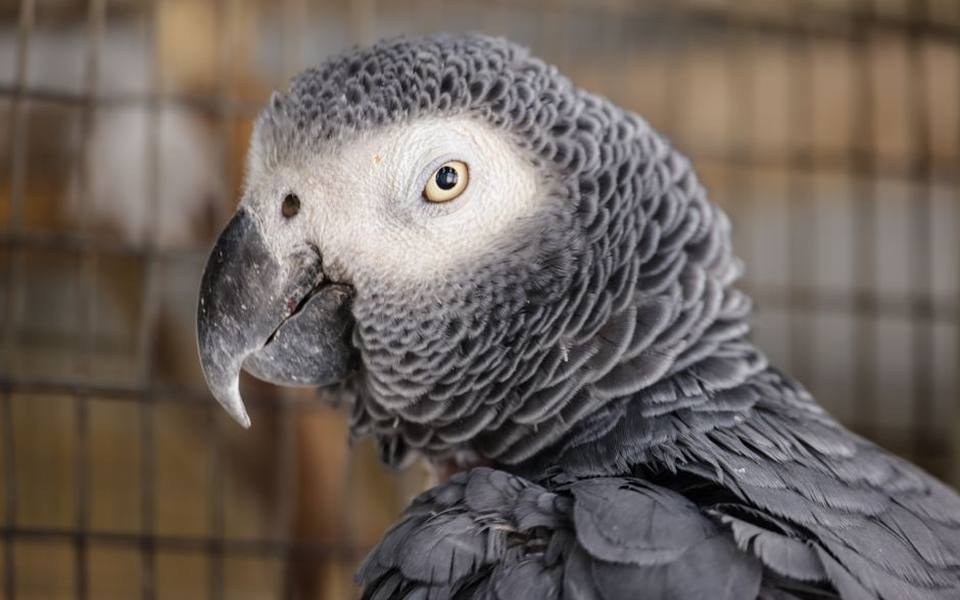
Normal molting results in symmetrical feather loss accompanied by visible pinfeathers emerging from the skin, without creating bare skin patches or bleeding wounds. Conversely, plucking often leaves downy under-feathers shredded, shafts broken unevenly, and bare patches across the chest, thighs, or wing joints where the bird can easily reach with its beak. Feathers on the top of the head remain immaculate simply because the bird cannot access them.
Addressing feather picking requires a methodical diagnostic workup by qualified professionals listed among verified exotic pet veterinary specialists. Blood panels, fecal tests, and skin scrapings rule out systemic infections or nutritional deficiencies before behavior modification therapies are initiated. Improving dietary diversity, introducing challenging foraging puzzles, and increasing daily sleep hours in a quiet, dark room often reduce self-mutilation triggers significantly.
Recognizing When a Parakeet Shows Subtle Distress
Small flock birds like budgerigars hide early symptoms of illness with astonishing determination to avoid drawing the attention of predators. By the time an owner casually remarks that their parakeet is sick, the condition has often progressed to an advanced stage requiring rapid veterinary intervention. Knowing the faint initial markers of distress can mean the difference between timely recovery and sudden loss.
One of the earliest signs of systemic illness is prolonged feather fluffing. Sick birds puff out their contour feathers to trap body heat when their metabolism struggles to maintain normal avian body temperatures, which typically run around one hundred and four to one hundred and eight degrees Fahrenheit. A bird sleeping on two feet instead of tucking one foot up into its belly feathers, or resting near the bottom of the cage, is experiencing profound physical exhaustion.
Watch closely for subtle changes in posture, such as tail bobbing with every breath, clicking vocalizations during respiration, or soiled feathers around the nostrils and vent. Changes in stool consistency—specifically watery droppings, dark black tarry feces, or undigested whole seeds—indicate severe gastrointestinal disturbance. Prompt isolation in a warm, quiet hospital cage with supplemental heat is critical while arranging transportation to a clinic.
Understanding Digestive Delays and Crop Stasis
The avian crop is an expandable muscular pouch located at the base of the neck that temporarily stores food before it enters the proventriculus for digestion. In healthy birds, ingested food passes through the crop steadily within a few hours. When motility grinds to a halt—a condition known as crop stasis or slow crop—food remains stagnant, creating an ideal breeding ground for opportunistic yeasts like Candida and anaerobic bacteria.
Stasis is particularly common in hand-fed chicks whose formula was mixed at inappropriate temperatures, either too cold to stimulate natural motility or hot enough to burn the sensitive mucosal lining. In adult birds, crop slowdown typically points to foreign body ingestion, heavy metal poisoning, systemic infection, or viral diseases such as avian bornavirus. An impacted crop feels enlarged, firm, or overly fluid-filled long after regular feeding hours have passed.
Birds experiencing stasis often regurgitate sour-smelling fluid, shake their heads violently to fling sticky mucus from the beak, stretch their necks repeatedly, and exhibit profound anorexia. Never attempt to flush or massage an impacted crop at home without veterinary training, as the risk of aspirating toxic fluid into the delicate avian lungs is extremely high. Professional intervention typically involves diagnostic crop flushes, systemic motility drugs, antifungal medications, and gentle fluid support.
Heavy Metal Toxicity and Avian Lead Exposure
Heavy metal poisoning remains one of the most devastating and frequently overlooked emergencies across both companion bird care and wild raptor conservation. The prominent crisis of bald eagle lead poisoning in North American wildlife—frequently caused by scavenging carcasses or gut piles left behind with fragmented lead ammunition—mirrors the exact physiological catastrophe seen when a companion parrot nibbles on household items containing lead or zinc.
In domestic environments, common culprits include lead weights in drapery hems, stained glass solder, antique bird cages coated with leaded paint, costume jewelry, and galvanized hardware. Once ingested, acidic gastric juices in the ventriculus dissolve the metal, allowing it to enter the bloodstream where it wreaks havoc on red blood cells, the peripheral nervous system, and gastrointestinal motility.
Clinical presentations are dramatic and acute. Birds suffering from lead intoxication present with profound weakness, drooping wings, head tremors, severe seizures, green-stained watery urine, and rapid crop stasis. Radiographs usually reveal radiopaque metal fragments lodged in the gizzard, requiring immediate chelation therapy using specialized binding agents like calcium EDTA to pull toxic ions out of the bloodstream before irreversible neurological damage occurs.
Preparing for Safe Veterinary Transport and Immediate Care
When an unexpected grooming accident or sudden health crisis strikes, preparing a secure transport container minimizes stress and protects an already fragile patient. Cardboard boxes with small ventilation holes or rigid small-animal pet carriers lined with soft paper towels provide dark, enclosed environments that discourage flapping and panic during vehicle travel. Remove heavy swings, hanging toys, and water bowls that could shift and injure the bird on the road.
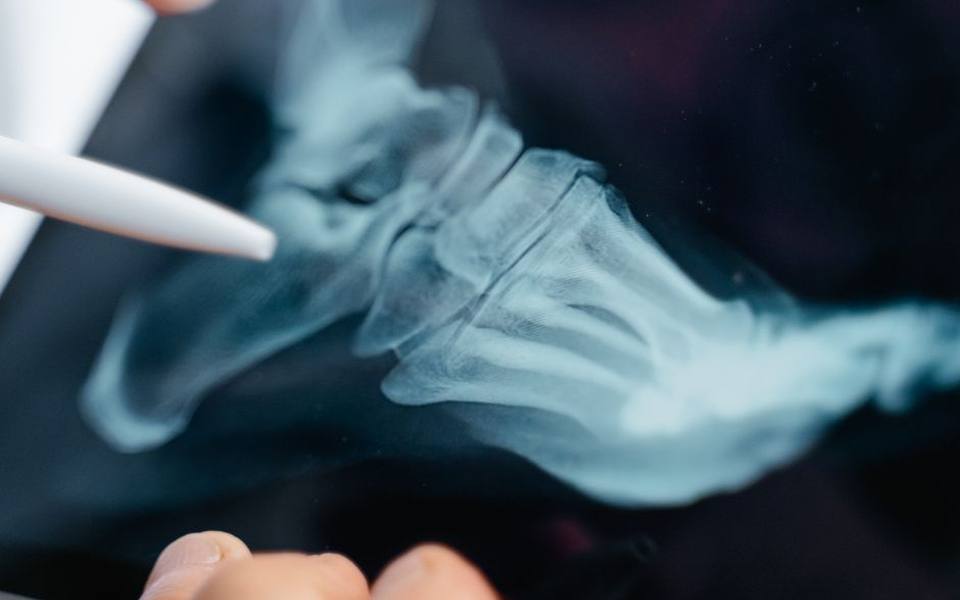
Maintaining warmth during transport is vital for any debilitated bird. You can place a warm hot-water bottle wrapped in a hand towel beneath half of the carrier base, allowing the bird to move toward or away from the heat source as needed. In chilly weather, warm up your car cabin thoroughly before carrying the covered transport crate outside.
Owners across different regions can locate specialized medical facilities through regional directories, such as listings for avian veterinarians in California and surrounding areas. Always call the receiving facility ahead of time so the veterinary staff can prepare an oxygen chamber, emergency fluids, and incubators prior to your arrival.
Establishing a Daily At-Home Avian Health Checklist
Consistent preventative monitoring at home prevents minor physiological abnormalities from developing into life-threatening conditions. Investing in a digital gram scale accurate to single-gram increments is the single most valuable investment any bird owner can make. Weigh your bird every morning before breakfast; an unexplained weight loss of even five to ten percent across a few days warrants immediate investigation even if the bird acts completely normal.
Inspect the cage droppings daily during liner changes. A typical avian dropping consists of three distinct components: firm dark fecal matter, creamy white chalky urates, and clear liquid urine. Any persistent discoloration, absence of feces, or extreme volume changes provides an objective early warning of metabolic stress, renal failure, or hepatic disorders.
Finally, observe social interactions and vocal patterns each morning. A healthy bird greets the sunrise with vociferous chirps, stretches wings and legs methodically, and grooms its feathers with purpose. Paying close attention to subtle behavioral shifts enables you to intervene early, ensuring your companion enjoys a long, resilient, and well-supported life.
Published 2026-09-21 · reviewed with each rebuild, last September 2026.
Find exotic pet vets near you
The directory lists 3,226 exotic pet vets by state and city — pick your state or use the “Near me” button in the header.
More guides
-
 Owning
What Are Amphibians? A Complete Guide to Amphibians as Exotic Pets
-
 Money
MoneyHow to Find Affordable and Emergency Vet Care for Exotic Pets
-
 Money
MoneyHow Much Does a Parrot Cost? Complete Exotic Bird and Pet Care Price Guide
-
 Owning
Can You Keep a Capybara as a Pet? Legality, Care, and Diet Requirements
-
 Owning
How to Treat and Get Rid of Snake Mites Safely
-
 Owning
Keeping Exotic Mammals: Can You Have a Fennec Fox or Kinkajou as a Pet?
-
 Money
MoneyLow-Cost Rabbit Neutering: What to Expect and How to Find Affordable Care
-
 Owning
What Is an Avian Pet? A Guide to Bird Care and Specialized Veterinary Medicine
-
 Service
How to Find and Choose the Right Exotic Pet Veterinarian
-
 Owning
Swim Bladder Disease in Aquarium Fish: Causes, Symptoms, and Treatment
-
Owning
How to Identify and Treat Mites and Skin Parasites in Reptiles, Snakes, and Rabbits
-
Safety
Rabbit GI Stasis Guide: Symptoms, Emergency Care, and Prevention
-
 Owning
Bearded Dragon Health Guide: Brumation, Impaction, Fungus, and Skin Issues
-
 Safety
Hamster Wet Tail Disease: Causes, Symptoms, Treatment, and Prevention
-
 Owning
Clinical Care Guide: Common Illnesses in Ferrets, Pythons, and Rabbits
-
Owning
Sugar Glider Diet and Feeding Guide: BML, TPG, and Nutritional Balance
-
Owning
Bird Grooming Guide: Wing Trimming, Beak Care, and Nail Maintenance
-
 Money
MoneyExotic Pet Insurance and Vet Costs: What Is Covered and Is It Worth It?
-
 Owning
Legal Exotic Pets and Ownership Laws: Permits, Licenses, and State Regulations
-
Owning
Bird Feather Plucking and PBFD: Causes, Symptoms, and Diagnostic Steps
-
 Service
Psittacine Health and Avian Veterinary Care Guide
-
 Service
How to Find and Evaluate Exotic Pet Clinics, Specialists, and Emergency Care
-
 Owning
Clinical Guide to Reptile Shell Disorders, Shedding Complications, and Impaction
-
 Owning
Small Mammal Healthcare: Managing Chronic Illness and Emergencies
-
 Safety
Avian Egg Binding and Yolk Peritonitis: Emergency Care and Clinical Protocols
-
 Service
Backyard Poultry and Waterfowl Veterinary Care Guide
-
 Buying
Exotic Pet Ownership: Legal Rules, Realistic Costs, and Beginner Options
-
 Service
Aquatic Medicine: Treating Swim Bladder and Fish Infections
-
 Money
MoneyRabbit Spay, Neuter, and Vaccination Costs: Complete Veterinary Guide
-
 Owning
Understanding Amphibians: Characteristics, Classification, and Pet Care Basics
-
 Owning
Bearded Dragon Brumation and Metabolic Bone Disease: Signs, Causes, and Care
-
 Buying
Parrot Ownership Guide: Prices, Types, and Avian Basics
-
 Owning
Complete Guide to Snake Mite Treatment: Products, Safe Sprays, and Vet Care
-
 Money
MoneyRabbit Spay and Neuter Costs: Vaccinations and Low-Cost Vet Options
-
 Owning
What Are Amphibians? Traits, Classification, and Pet Care Basics
-
 Owning
How to Get an Exotic Pet License: Legal Permits and Animal Ownership Laws
-
 Owning
Reptile Health Guide: Bearded Dragon Brumation, Metabolic Bone Disease, and Snake Mite Control
-
 Money
MoneyRabbit Spay, Neuter, and Vaccination Costs: Low-Cost Vet Guide
-
 Money
MoneyHow Much Does an Exotic Vet Cost? Emergency, Routine, and In-Home Care Guide