Sourcing Realities and Initial Health Screenings
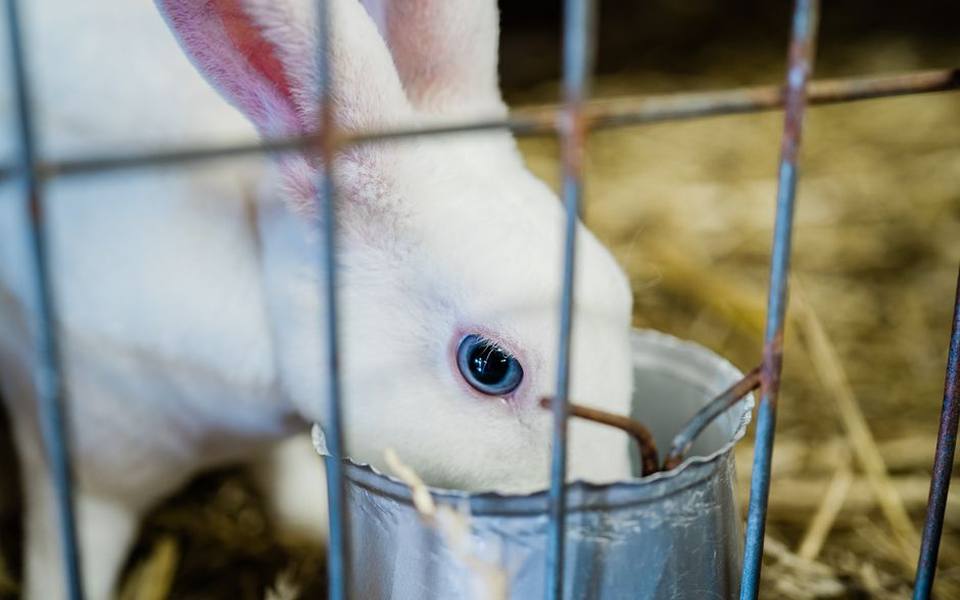
Bringing a small mammal into your home often begins with browsing local options, but prospective owners frequently discover that purchasing from a general retail pet outlet brings unforeseen medical risks. Animals displayed in a traditional rabbit pet shop or multi-species enclosure frequently arrive from commercial breeding facilities where respiratory pathogens, parasites, and congenital defects spread unchecked. These animals are often housed in high-stress, noisy environments that suppress immune function, leading to latent illnesses that surface days or weeks after arrival.
Similarly, acquiring rodents or small pocket pets from a standard chinchilla pet store setting warrants strict caution regarding environmental history and handling. Many commercial vendors prioritize turnover over genetic screening, increasing the prevalence of malocclusion, ringworm, and subclinical gastrointestinal issues. Before finalizing an acquisition, inspect the animal for clear eyes, clean nostrils, unsoiled vent areas, and symmetrical body condition, keeping in mind that surface appearances can be deceptive in prey species that actively conceal illness.
A responsible owner should schedule an intake examination with a qualified clinician within forty-eight hours of bringing the animal home. A thorough baseline assessment includes dental inspection, fecal flotation for coccidia and pinworms, auscultation of heart and lungs, and weight tracking. Locating trusted Rabbit & Small Mammal Vets before you bring an animal home ensures that you have immediate diagnostic support should transitional stress trigger an acute medical event.
Ferret Healthcare and Endocrine Disease Protocols
Comprehensive ferret veterinary care demands familiarity with the species’ susceptibility to chronic endocrine and neoplastic disorders. Domestic ferrets in North America face exceptionally high rates of hyperadrenocorticism, commonly called adrenal gland disease, which develops when adrenal tissue becomes hyperplastic or neoplastic. Symptoms typically manifest as symmetrical alopecia beginning at the tail base, vulvar enlargement in spayed females, prostate enlargement causing dysuria in males, and noticeable pruritus with muscle wasting across the pelvis.
Modern medical management heavily relies on GnRH agonist therapy to suppress sex hormone production without invasive surgery. Administering a slow-release deslorelin acetate device, widely known as a suprelorin implant ferrets receive via subcutaneous injection, downregulates pituitary receptors and stops the abnormal production of androgens. Clinical improvements in hair regrowth, energy levels, and urinary ease typically emerge within three to six weeks, though the implant generally requires replacement every twelve to twenty-four months depending on the individual patient's endocrine response.
Beyond adrenal disease, insulinoma represents another chronic challenge characterized by functional pancreatic beta-cell tumors that oversecrete insulin. Ferret owners must monitor for stargazing, rear-limb weakness, pawing at the mouth, and episodes of lethargy. Treatment typically combines dietary adjustments high in animal protein with medical therapies like prednisolone or diazoxide to maintain stable blood glucose levels and prevent recurrent neuroglycopenic crises.
Managing Acute Ferret Crises and Emergency Care
Recognizing an emergency in domestic ferrets requires vigilant observation because their accelerated metabolism leaves very little buffer during acute decompensation. Foreign body ingestion is an ever-present danger; ferrets relentlessly chew rubber, foam, and silicone items, leading to complete gastrointestinal obstruction. Symptoms include persistent dry retching, severe bruxism, black tarry stools, and acute abdominal pain that causes the animal to curl protectively or scream when handled.
Sudden, catastrophic collapses often point to severe hypoglycemic shock from an unmanaged insulinoma crisis. When a ferret becomes comatose or experiences grand mal seizures, owners should immediately apply a concentrated sugar solution, such as maple syrup or corn syrup, directly onto the gums before heading to a clinic. This temporary measure elevates circulating sugar just enough to maintain cerebral perfusion while you transport the animal for intravenous dextrose stabilization.
Securing an emergency vet for ferrets requires advance planning, as general small animal emergency hospitals often lack species-specific vascular access catheters and pediatric equipment. When contacting emergency facilities after hours, confirm that on-duty personnel possess experience placing intraosseous lines, interpreting blood gas panels for mustelids, and performing urgent exploratory laparotomies under exotic-safe inhalation anesthesia.
Critical Triage and Emergency Protocols for Hamsters
Hamsters possess exceptionally fragile physiological reserves, turning minor infections into life-threatening emergencies within twelve to twenty-four hours. Proliferative ileitis, commonly termed wet tail, is an acute bacterial infection of the intestinal tract seen primarily in young or stressed Syrian hamsters. Clinical signs include watery, foul-smelling diarrhea, extreme lethargy, hunched posture, and sunken eyes indicative of catastrophic systemic dehydration. Without rapid subcutaneous fluid resuscitation and targeted antimicrobial therapy, mortality rates remain exceedingly high.
Sudden unresponsiveness in hamsters during cold seasons frequently leads to confusion between biological torpor and true medical collapse. When ambient temperatures drop significantly, hamsters may enter an unregulated hypothermic torpor where respirations become nearly imperceptible and body temperature plummets. Owners must slowly warm the animal using body heat or indirect radiant warmth over several hours, carefully observing for reflexive whisker twitches, before concluding that an irreversible collapse has taken place.
If your pet experiences severe respiratory distress, facial swellings from impacted cheek pouches, or traumatic drops resulting in internal bleeding, locating an emergency vet for hamster treatment is imperative. Because hamsters have tiny circulating blood volumes, veterinary interventions require microsurgical precision, specialized warming incubators, and calibrated micro-dosing of emergency pharmaceuticals.
Sugar Glider Veterinary Needs and Surgical Protocols
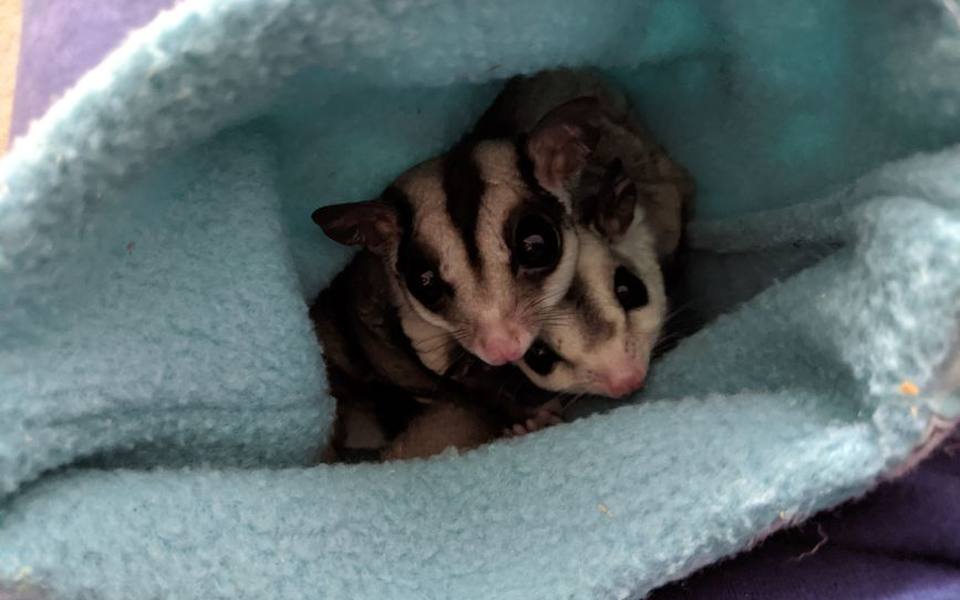
Providing adequate care for captive sugar gliders involves understanding their status as nocturnal, arboreal marsupials with unique biological vulnerabilities. Sourcing qualified sugar glider veterinarians can be challenging because their clinical presentation differs dramatically from placental pocket pets. Standard care requires annual wellness evaluations, baseline fecal screens for protozoa like giardia, and persistent blood monitoring to screen for metabolic bone disease and nutritional secondary hyperparathyroidism driven by inappropriate captive diets.
A reliable sugar glider vet must also navigate high stress thresholds, self-mutilation disorders, and dental disease stemming from soft, sugary diets. Captive gliders frequently develop severe periodontal infections, suborbital abscesses, and nutritional cataracts if their dietary calcium-to-phosphorus ratios are improperly balanced. Experienced practitioners rely on sedation protocols tailored to patients weighing under one hundred and fifty grams to conduct comprehensive oral cavity exams.
Elective surgery is central to managing glider behavior and housing stability, making the sugar glider neuter procedure a standard recommendation for pet males. Neutering intact males significantly reduces pungent territorial scent-gland secretions, curtails inter-male aggression, eliminates bald patches associated with frontal and sternal scent glands, and prevents unwanted litters in social colonies. Surgeons utilize precise scrotal ablation or laser vasectomies to minimize postoperative licking and self-inflicted wound trauma.
Neurological Management: Wobbly Hedgehog Syndrome
African pygmy hedgehogs are genetically predisposed to a progressive, degenerative neurodegenerative disorder known clinically as wobbly hedgehog syndrome. Pathologically similar to human multiple sclerosis, this fatal condition causes vacuolization and progressive demyelination of the central nervous system, particularly targeting the brainstem and spinal cord. Early warning signs generally emerge between one and three years of age, presenting as subtle ataxia, hindlimb weakness, recurring falls when turning, and difficulty maintaining balance inside exercise wheels.
As the pathology advances, the neurological deficit ascends from the pelvic limbs to the thoracic limbs, culminating in total tetraplegia and an inability to ball up defensively. While definitive diagnosis can only be established post-mortem via histopathological examination of neural tissue, a knowledgeable exotic clinician will rule out inner ear infections, traumatic brain injury, encephalitozoonosis, and cervical disc disease through detailed neurological exams, radiographic imaging, and response to therapeutic trials.
Because there is no cure, care for an affected hedgehog centers on compassionate palliative management. Owners must modify enclosures with soft, low-profile fleece bedding, replace elevated food dishes with shallow saucers, and implement physical therapy to maintain muscle tone and joint mobility. Frequent weight checks, supplemental syringe feeding, and subcutaneous fluid administration keep the patient comfortable until quality-of-life considerations dictate humane euthanasia.
Chinchilla Vulnerabilities, Handling, and Fur Slip
Chinchillas are remarkably adapted for high-altitude Andean environments, possessing up to eighty hairs per follicle, which produces an exceptionally dense protective pelt. However, this physiological adaptation creates vulnerability to chinchilla fur slip, an autonomic defense mechanism where large patches of fur release instantly when an animal is grabbed roughly or encounters extreme stress. While fur slip itself is not fatal, it leaves bare, vulnerable skin and signals extreme systemic terror that can trigger gastrointestinal stasis or cardiac collapse.
Handling a chinchilla requires a gentle, non-restrictive technique that supports the entire body without grasping the pelt or pinning the shoulders. Practitioners and owners should secure the animal by supporting the base of the tail with one hand while cradling the thorax and hindlimbs against the handler's chest. Avoiding excessive restraint not only preserves the coat but also prevents devastating rib fractures and diaphragmatic tears to which their lightweight skeletal structures are susceptible.
Beyond dermatological defense mechanics, chinchillas require meticulous environmental management to prevent heatstroke and dental decay. Their dense fur prevents effective evaporative cooling, making ambient temperatures above seventy-five degrees Fahrenheit inherently dangerous. Concurrently, their open-rooted, continuously growing elodont teeth demand a diet dominated by coarse grass hay to prevent crown elongation, periapical abscesses, and painful lingual spikes that erode oral mucosa.
Exotic Canid Considerations: Fennec Fox Healthcare
Keeping a non-traditional canid involves extensive research, and locating comprehensive fennec fox information is critical before taking on this demanding species. Native to the arid regions of North Africa, fennec foxes retain intense wild behaviors including hyperactive nocturnal digging, pungent scent marking, and shrill defensive vocalizations. Furthermore, municipal and state regulations vary widely across the country, with many jurisdictions banning their possession entirely or requiring specialized permits and captive wildlife containment enclosures.
Veterinary care for fennec foxes must strike a balance between canine medical standards and exotic wildlife protocols. While they require vaccination against standard canine pathogens—including canine distemper, parvovirus, adenovirus, and rabies—practitioners must carefully select killed-virus or recombinant vaccines. Administering modified-live canine vaccines to fennec foxes can accidentally induce fatal clinical disease, making it vital to work with clinicians deeply versed in exotic carnivore medicine.
Dietary management requires strict adherence to natural metabolic adaptations, including high taurine requirements and low-bulk nutritional profiles. In captivity, improper feeding strategies lead to severe dilated cardiomyopathy, metabolic bone disease from calcium-phosphorus mismatches, and kidney failure. A dedicated clinician will help formulate a balanced regimen of whole prey, high-grade feline or canine formulations, and insect protein supplemented with appropriate micronutrients.
Establishing an Exotic Emergency Safety Net
Exotic mammals present clinical emergencies with little advance warning due to prey instincts that conceal weakness until physiological compensation fails entirely. Establishing an emergency plan before an acute event occurs is one of the most effective ways to preserve life. Identify at least two local facilities capable of handling advanced small mammal emergencies, noting their triage capabilities, availability of oxygen cages, and on-site exotic blood transfusion supplies.

When an acute crisis develops, transporting the animal properly can mean the difference between survival and death during transit. Small mammals must travel in secure, darkened, well-ventilated carriers insulated against rapid temperature swings, with soft towels offering traction and warmth. Avoid open cages where draft exposure or shifting sightlines can trigger panic and accelerate shock.
Consulting comprehensive online directories like ExoticVetAtlas helps owners map out qualified facilities across regional boundaries, which is crucial if you live in rural or medically underserved areas. Working with dedicated Veterinarians for Exotic Pets and Birds ensures that whether your companion faces acute gastrointestinal stasis or sudden respiratory compromise, they receive clinically competent care.
Managing Long-Term Chronic Illness and Quality of Life
Sustaining an exotic pet through chronic conditions such as renal disease, osteoarthritis, and heart failure requires proactive collaboration with your veterinary care team. Many medications designed for dogs and cats cannot be administered directly to small mammals without reformulation. Veterinary compounding pharmacies play an indispensable role in small mammal medicine, preparing accurate, flavored liquid suspensions that make daily dosing feasible for pocket pets without excessive restraint.
Daily nursing routines must include precise, objective metrics to assess therapy efficacy and disease progression. Investing in a gram-scale for weekly or daily weight tracking provides the earliest indicator of declining health, often flagging problems days before clinical symptoms emerge. Environmental modifications, such as adding non-slip flooring, low-sided litter pans, and supplemental warmth, preserve independence and physical comfort for elderly or neurologically impaired patients.
Ultimately, owners must establish clear quality-of-life criteria alongside their veterinary care team. Objective tracking tools evaluate mobility, respiratory effort, appetite, hydration, and social engagement. When chronic discomfort can no longer be controlled with multi-modal analgesia and palliative nursing, choosing humane, unhurried euthanasia honors the bond between you and your unique companion animal.
Published 2026-09-21 · reviewed with each rebuild, last September 2026.
Find exotic pet vets near you
The directory lists 3,226 exotic pet vets by state and city — pick your state or use the “Near me” button in the header.
More guides
-
 Owning
What Are Amphibians? A Complete Guide to Amphibians as Exotic Pets
-
 Money
MoneyHow to Find Affordable and Emergency Vet Care for Exotic Pets
-
 Money
MoneyHow Much Does a Parrot Cost? Complete Exotic Bird and Pet Care Price Guide
-
 Owning
Can You Keep a Capybara as a Pet? Legality, Care, and Diet Requirements
-
 Owning
How to Treat and Get Rid of Snake Mites Safely
-
 Owning
Keeping Exotic Mammals: Can You Have a Fennec Fox or Kinkajou as a Pet?
-
 Money
MoneyLow-Cost Rabbit Neutering: What to Expect and How to Find Affordable Care
-
 Owning
What Is an Avian Pet? A Guide to Bird Care and Specialized Veterinary Medicine
-
 Service
How to Find and Choose the Right Exotic Pet Veterinarian
-
 Owning
Swim Bladder Disease in Aquarium Fish: Causes, Symptoms, and Treatment
-
Owning
How to Identify and Treat Mites and Skin Parasites in Reptiles, Snakes, and Rabbits
-
Safety
Rabbit GI Stasis Guide: Symptoms, Emergency Care, and Prevention
-
 Owning
Bearded Dragon Health Guide: Brumation, Impaction, Fungus, and Skin Issues
-
 Safety
Hamster Wet Tail Disease: Causes, Symptoms, Treatment, and Prevention
-
 Owning
Clinical Care Guide: Common Illnesses in Ferrets, Pythons, and Rabbits
-
Owning
Sugar Glider Diet and Feeding Guide: BML, TPG, and Nutritional Balance
-
Owning
Bird Grooming Guide: Wing Trimming, Beak Care, and Nail Maintenance
-
 Money
MoneyExotic Pet Insurance and Vet Costs: What Is Covered and Is It Worth It?
-
 Owning
Legal Exotic Pets and Ownership Laws: Permits, Licenses, and State Regulations
-
Owning
Bird Feather Plucking and PBFD: Causes, Symptoms, and Diagnostic Steps
-
 Service
Psittacine Health and Avian Veterinary Care Guide
-
 Service
How to Find and Evaluate Exotic Pet Clinics, Specialists, and Emergency Care
-
 Owning
Clinical Guide to Reptile Shell Disorders, Shedding Complications, and Impaction
-
 Safety
Avian Egg Binding and Yolk Peritonitis: Emergency Care and Clinical Protocols
-
 Owning
Bird Grooming, Wing Maintenance, and Early Illness Signs
-
 Service
Backyard Poultry and Waterfowl Veterinary Care Guide
-
 Buying
Exotic Pet Ownership: Legal Rules, Realistic Costs, and Beginner Options
-
 Service
Aquatic Medicine: Treating Swim Bladder and Fish Infections
-
 Money
MoneyRabbit Spay, Neuter, and Vaccination Costs: Complete Veterinary Guide
-
 Owning
Understanding Amphibians: Characteristics, Classification, and Pet Care Basics
-
 Owning
Bearded Dragon Brumation and Metabolic Bone Disease: Signs, Causes, and Care
-
 Buying
Parrot Ownership Guide: Prices, Types, and Avian Basics
-
 Owning
Complete Guide to Snake Mite Treatment: Products, Safe Sprays, and Vet Care
-
 Money
MoneyRabbit Spay and Neuter Costs: Vaccinations and Low-Cost Vet Options
-
 Owning
What Are Amphibians? Traits, Classification, and Pet Care Basics
-
 Owning
How to Get an Exotic Pet License: Legal Permits and Animal Ownership Laws
-
 Owning
Reptile Health Guide: Bearded Dragon Brumation, Metabolic Bone Disease, and Snake Mite Control
-
 Money
MoneyRabbit Spay, Neuter, and Vaccination Costs: Low-Cost Vet Guide
-
 Money
MoneyHow Much Does an Exotic Vet Cost? Emergency, Routine, and In-Home Care Guide