Understanding What Avian Means in Pet Care
In simple biological terms, avian refers to anything relating to or characteristic of birds. When pet professionals or caretakers speak of an avian companion, they are referring to a warm-blooded, egg-laying vertebrate belonging to the biological class Aves. Unlike mammals, birds possess specialized adaptations including hollow bones, high-efficiency respiratory air sacs, feathers, and beaks rather than teeth. Understanding these fundamental physiological distinctions is critical before bringing one into your home, as their biological systems react entirely differently to common household hazards, medications, and dietary practices than dogs or cats.
Within the broader avian umbrella, companion birds encompass several distinct families, ranging from passerines like finches and canaries to psittacines, which are true parrots. Psittacines are characterized by their curved bills, upright posture, and zygodactyl feet, meaning two toes point forward and two point backward. This anatomical layout provides exceptional grasping ability for climbing branches, manipulating puzzle toys, and handling individual pieces of food. Their intellectual capacity and social nature also stem directly from their evolutionary history as flock-dwelling animals.
Recognizing a bird as an avian species rather than a conventional domestic animal helps set proper expectations for their care. Domestic dogs and cats have been selectively bred over thousands of years to thrive alongside humans, whereas the vast majority of pet parrots remain essentially wild creatures by nature. Their instincts, reproductive cycles, vocal expressions, and flight responses are hardwired. Successful guardianship requires learning their unique body language and respecting physiological needs that are fundamentally distinct from mammalian companions.
Classifications and Popular Companion Parrot Types
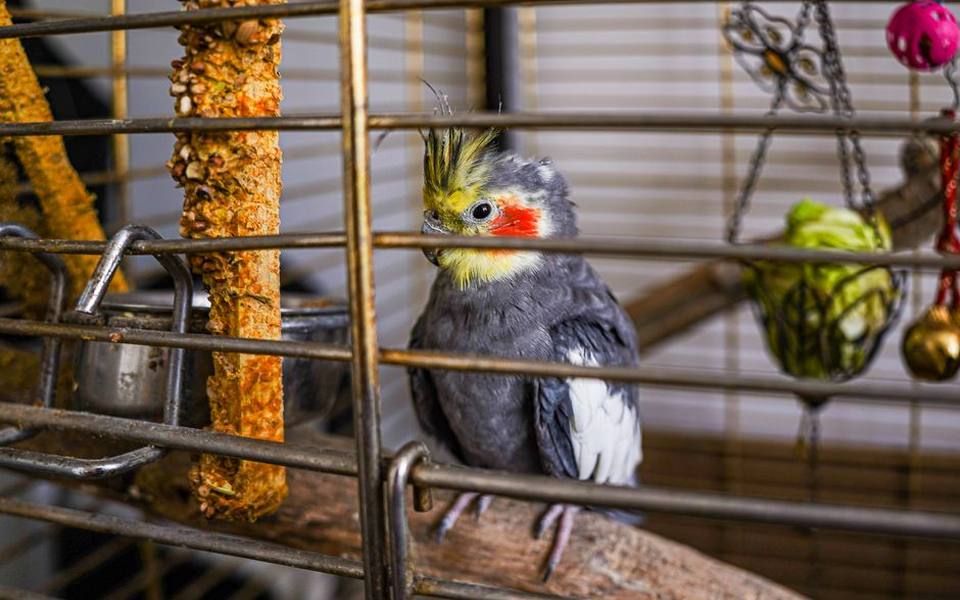
The parrot family contains hundreds of species, but only a fraction are routinely kept in domestic settings. Beginners often gravitate toward small psittacines such as budgerigars, frequently called budgies or parakeets, alongside cockatiels and lovebirds. These smaller birds tend to adapt more readily to apartment environments, produce lower decibel vocalizations, and have lower overall maintenance footprints, though they still require daily out-of-cage interaction and mental engagement to stay emotionally balanced and physically healthy.
Mid-sized parrots represent a distinct step up in commitment, intelligence, and environmental demands. This category includes popular birds like green-cheeked conures, sun conures, senegal parrots, and Indian ringneck parakeets. These species are known for high curiosity levels, dynamic personalities, and significant noise output during morning and evening greeting periods. Many mid-sized parrots can learn extensive vocabularies or mimic household sounds, but they also require structured socialization to prevent territorial nippiness or possessive guarding behaviors toward individual family members.
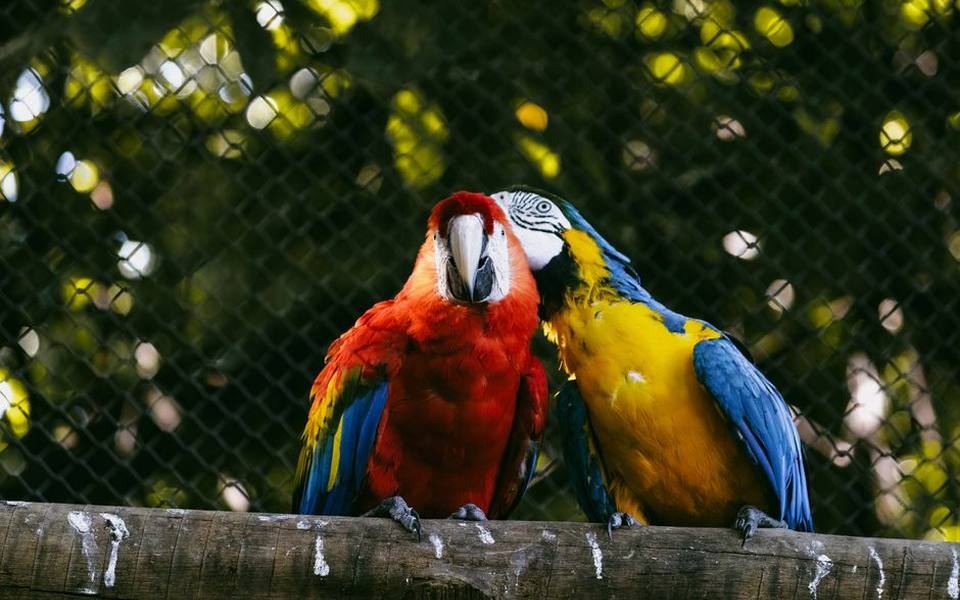
Large parrots include majestic species such as African greys, Amazon parrots, cockatoos, and macaws. These birds possess the cognitive complexity comparable to young human children and demand hours of direct interaction daily. Their powerful beaks can crack hard nuts or destroy wooden furniture in minutes if they become bored or under-stimulated. Taking on a large parrot is rarely just adding a pet to a household; it is an extensive lifestyle adjustment that reshapes your domestic routine, travel plans, and home safety standards.
Typical Purchase Prices for Pet Parrots
The initial financial outlay to acquire a parrot varies widely depending on species rarity, coloration mutations, breeder reputation, and regional availability. Smaller companion birds such as budgies typically cost between $20 and $90 from local pet suppliers or breeders. Cockatiels and standard green-cheek conures usually fall somewhere between $150 and $450, while specialized color variations or hand-tamed hand-fed juveniles may command closer to $600 or more in urban markets.
For mid-sized and large birds, upfront acquisition costs escalate considerably. Medium species like quaker parrots, senegals, and caiques generally range from $500 to $1,500. Large parrots require substantial financial investments; African grey parrots and typical Amazon species often cost between $1,500 and $3,500, while hand-reared macaws and cockatoos routinely run anywhere from $2,000 to well over $5,000 depending on the specific bloodline and breeding lineage involved.
Adoption through dedicated avian rescue organizations often presents a more affordable and ethical alternative to buying from commercial breeders. Rescue adoption fees typically range from $50 for small species up to $500 or $800 for large macaws or cockatoos. These adoption fees generally include initial baseline health screening and disease panel testing, which can save hundreds of dollars upfront while giving a displaced bird a second chance in an experienced home environment.
Enclosure Architecture and Initial Setup Supplies
A parrot's cage is their primary refuge, and selecting an appropriately engineered enclosure is critical to prevent injury and psychological distress. Enclosure pricing generally scales with bird size, starting at roughly $70 to $150 for a small flight cage suitable for a pair of finches or a budgie. For a cockatiel or conure, a sturdy wrought-iron cage typically runs between $200 and $450, whereas massive, heavy-gauge walk-in enclosures for macaws often cost between $800 and $2,500.
Bar spacing must match the species exactly to prevent accidental suffocation or entrapment. Small parakeets require spacing of no more than one-half inch, mid-sized birds require five-eighths to three-quarters of an inch, and large macaws need spacing of one to one-and-a-half inches with heavy weld strength. Beyond the cage walls, perches must feature varied diameters and natural bark textures rather than uniform dowels, which can lead to painful foot sores known as bumblefoot over prolonged periods.
Outfitting the cage requires an initial investment in non-toxic stainless steel bowls, natural wood branches, foraging mechanisms, and destructible toys. Parrots need to chew daily to maintain beak alignment and satisfy innate foraging drives. Budgeting an initial $100 to $300 for safe perches, climbing ropes, shredding materials, and puzzle feeders is typical when first assembling an enclosure for a small-to-midsize bird, with large parrots needing heavier-duty enrichment products.
Avian Nutrition and Dietary Balance
Decades of outdated pet care advice popularized all-seed diets, but modern veterinary research has proven that seed-only regimens cause severe malnutrition, fatty liver disease, and premature death. High-quality commercial formulated pellets should generally comprise roughly fifty to seventy percent of a companion parrot's daily caloric intake. These extruded pellets contain balanced ratios of vitamins, trace minerals, and protein designed to support feather development, metabolic function, and organ health.
The remaining portion of the daily diet must consist of fresh, nutrient-dense vegetables, leafy greens, cooked grains, legumes, and occasional low-sugar fruits. Foods like kale, sweet potatoes, bell peppers, broccoli, and cooked quinoa provide essential phytonutrients and mental engagement. Seeds, nuts, and high-fat treats should be reserved primarily as positive reinforcement during training sessions or occasional foraging rewards rather than left freely in daily food bowls.
Owners must also memorize foods that are strictly toxic to all avian species. Avocados contain persin, a compound that induces heart failure in birds within hours of ingestion. Chocolate, caffeine, alcohol, fruit seeds containing cyanide like apple pips or cherry pits, onions, garlic, and high-sodium processed foods are strictly hazardous. Fresh clean water must be changed at least twice daily, as birds frequently drop food fragments into their dishes, fostering rapid bacterial growth.
Medical Requirements and Specialized Avian Care
Standard veterinary clinics that cater predominantly to dogs and cats rarely possess the diagnostic equipment, anesthesia protocols, or species-specific training required to treat birds safely. When seeking professional care, owners should locate credentialed avian vets who understand unique avian anatomy, disease presentations, and gentle handling techniques. Routine wellness visits typically include a physical exam, fecal gram stain, choanal culture, and periodic baseline blood chemistry panels.

Because parrots are prey animals in nature, their survival instincts drive them to aggressively mask clinical symptoms of illness until a disease has progressed significantly. Subtle warning signs like slight changes in dropping consistency, sleeping on two feet instead of one, fluffed feathers at midday, or reduced vocal output demand immediate assessment by exotic pet veterinarians before mild respiratory or bacterial infections turn critical.
Diagnostic testing and preventive medicine carry distinct costs that must be factored into ownership budgets. Initial new-bird quarantine examinations typically run between $100 and $300, while comprehensive blood panels and infectious disease testing can add several hundred dollars more. Whether you live near bustling clinics in California or rural farming regions, identifying an emergency avian facility before an urgent health crisis emerges is a fundamental responsibility of pet ownership.
Indoor Hazards and Avian Respiratory Sensitivity
Parrots possess one of the most efficient respiratory systems in the animal kingdom, composed of non-expandable lungs paired with nine interconnected internal air sacs. This high-throughput oxygen exchange allows birds to sustain flight at high altitudes, but it also renders them hyper-susceptible to aerosolized toxins. Vapors that produce barely noticeable smells to humans can cause immediate, fatal lung hemorrhaging and asphyxiation in companion birds within minutes.
The most notorious household hazard is polytetrafluoroethylene, commonly known as PTFE or Teflon, which coats non-stick cookware, self-cleaning ovens, hair dryers, waffle irons, and space heaters. When overheated, non-stick coatings release odorless, colorless fumes that are lethal to birds. Safe bird homes eliminate non-stick cookware entirely in favor of stainless steel, cast iron, or ceramic alternatives to ensure total protection against accidental overheating incidents.
Other routine household items represent serious respiratory risks. Scented candles, plug-in air fresheners, essential oil diffusers, aerosol sprays, incense, harsh cleaning chemicals, and tobacco or vape smoke must be permanently barred from parrot environments. Even minor chemical exposure can trigger chronic air sac inflammation or acute distress. Routine home sanitization should rely on avian-safe cleaners like diluted white vinegar, steam cleaning, or plain mild dish soap.
Mental Stimulation, Social Demands, and Behavior
Parrots are highly social flock animals that require meaningful daily companionship, cognitive challenges, and environmental variation. In a home setting, their human family becomes their surrogate flock. Leaving a parrot isolated in an unstimulating cage for twelve hours a day often results in severe psychological distress, manifesting in persistent screaming, territorial aggression, cage pacing, or destructive feather-destructive behavior like self-plucking.
To satisfy their natural problem-solving drives, caretakers must implement proactive environmental enrichment. Foraging toys, which hide food inside cardboard, wood blocks, woven palm leaf strips, or acrylic puzzles, simulate wild foraging behaviors that consume hours of a wild parrot's waking life. Rotating destructible chew items weekly prevents habituation and helps redirect natural chewing urges away from baseboards, electrical cords, and drywall.
Training using positive reinforcement methods strengthens the bond between human and bird while establishing gentle communication boundaries. Teaching simple behaviors like stepping up onto a hand, returning to a perch on cue, and entering a travel carrier willingly reduces handling stress. Parrots should never be punished physically or verbally; harsh reactions typically increase fear-based biting or teach the bird that screaming elicits exciting, dramatic attention from their owner.
Budgeting for Ongoing Costs Across Decades
While purchase prices capture most initial attention, the ongoing annual expense of parrot care represents the true financial commitment. For small birds like budgies and cockatiels, annual costs for quality pellets, fresh produce, bedding paper, and toy replacements typically range between $400 and $800. For mid-sized to large parrots with voracious chewing appetites, food and toy budgets often climb to between $1,200 and $2,500 annually.
Avian veterinary care constitutes another major recurring expense. Routine annual checkups and basic wellness lab work generally cost between $150 and $400 per year, but emergency treatment for egg binding, respiratory trauma, foreign object ingestion, or bacterial infections can quickly total $1,000 to $3,000. Many owners maintain a dedicated emergency savings reserve or invest in exotic pet insurance policies to buffer against unexpected veterinary expenses.
The financial picture is magnified by parrot longevity. Budgies can live 8 to 15 years, cockatiels routinely reach 18 to 25 years, conures can thrive past 25 years, and large species like African greys, Amazons, and macaws frequently live 40 to 60 years or longer in domestic care. Purchasing a parrot is not a short-term hobby; it is a multi-decade financial and logistical obligation that may span major life changes including college, marriage, moves, and retirement.
Adoption Pathways and Final Practical Considerations
Before finalizing a parrot acquisition, assess whether your living arrangement and daily schedule can genuinely accommodate the realities of avian life. Renters must evaluate lease restrictions and neighbor proximity, as even mid-sized parrots can produce loud, penetrating contact calls during dawn and dusk. Noise, feather dander, discarded seed shells, and shredded paper around the cage perimeter are everyday realities of sharing space with birds.
Prospective owners should spend time volunteering at local rescues or bird sanctuaries before buying. Hands-on experience cleaning cages, preparing daily vegetable chop, and handling adult birds of various temperaments provides invaluable insight that internet research cannot replicate. Rescues also give prospective owners the opportunity to interact with mature birds whose personalities are already fully formed, avoiding the unpredictability that sometimes accompanies hand-fed babies entering sexual maturity.
Finally, ensure you have long-term estate and guardianship plans in place, particularly if you are considering adopting a medium or large species with a multi-decade life expectancy. Identifying a capable friend, family member, or avian trust organization to step in if your life circumstances change ensures your bird will never face neglect or sudden displacement. Thoughtful preparation, proper budgeting, and realistic expectations create the foundation for a deeply rewarding partnership with these intelligent animals.
Published 2026-09-21 · reviewed with each rebuild, last September 2026.
Find exotic pet vets near you
The directory lists 3,226 exotic pet vets by state and city — pick your state or use the “Near me” button in the header.
More guides
-
 Owning
What Are Amphibians? A Complete Guide to Amphibians as Exotic Pets
-
 Money
MoneyHow to Find Affordable and Emergency Vet Care for Exotic Pets
-
 Money
MoneyHow Much Does a Parrot Cost? Complete Exotic Bird and Pet Care Price Guide
-
 Owning
Can You Keep a Capybara as a Pet? Legality, Care, and Diet Requirements
-
 Owning
How to Treat and Get Rid of Snake Mites Safely
-
 Owning
Keeping Exotic Mammals: Can You Have a Fennec Fox or Kinkajou as a Pet?
-
 Money
MoneyLow-Cost Rabbit Neutering: What to Expect and How to Find Affordable Care
-
 Owning
What Is an Avian Pet? A Guide to Bird Care and Specialized Veterinary Medicine
-
 Service
How to Find and Choose the Right Exotic Pet Veterinarian
-
 Owning
Swim Bladder Disease in Aquarium Fish: Causes, Symptoms, and Treatment
-
Owning
How to Identify and Treat Mites and Skin Parasites in Reptiles, Snakes, and Rabbits
-
Safety
Rabbit GI Stasis Guide: Symptoms, Emergency Care, and Prevention
-
 Owning
Bearded Dragon Health Guide: Brumation, Impaction, Fungus, and Skin Issues
-
 Safety
Hamster Wet Tail Disease: Causes, Symptoms, Treatment, and Prevention
-
 Owning
Clinical Care Guide: Common Illnesses in Ferrets, Pythons, and Rabbits
-
Owning
Sugar Glider Diet and Feeding Guide: BML, TPG, and Nutritional Balance
-
Owning
Bird Grooming Guide: Wing Trimming, Beak Care, and Nail Maintenance
-
 Money
MoneyExotic Pet Insurance and Vet Costs: What Is Covered and Is It Worth It?
-
 Owning
Legal Exotic Pets and Ownership Laws: Permits, Licenses, and State Regulations
-
Owning
Bird Feather Plucking and PBFD: Causes, Symptoms, and Diagnostic Steps
-
 Service
Psittacine Health and Avian Veterinary Care Guide
-
 Service
How to Find and Evaluate Exotic Pet Clinics, Specialists, and Emergency Care
-
 Owning
Clinical Guide to Reptile Shell Disorders, Shedding Complications, and Impaction
-
 Owning
Small Mammal Healthcare: Managing Chronic Illness and Emergencies
-
 Safety
Avian Egg Binding and Yolk Peritonitis: Emergency Care and Clinical Protocols
-
 Owning
Bird Grooming, Wing Maintenance, and Early Illness Signs
-
 Service
Backyard Poultry and Waterfowl Veterinary Care Guide
-
 Buying
Exotic Pet Ownership: Legal Rules, Realistic Costs, and Beginner Options
-
 Service
Aquatic Medicine: Treating Swim Bladder and Fish Infections
-
 Money
MoneyRabbit Spay, Neuter, and Vaccination Costs: Complete Veterinary Guide
-
 Owning
Understanding Amphibians: Characteristics, Classification, and Pet Care Basics
-
 Owning
Bearded Dragon Brumation and Metabolic Bone Disease: Signs, Causes, and Care
-
 Owning
Complete Guide to Snake Mite Treatment: Products, Safe Sprays, and Vet Care
-
 Money
MoneyRabbit Spay and Neuter Costs: Vaccinations and Low-Cost Vet Options
-
 Owning
What Are Amphibians? Traits, Classification, and Pet Care Basics
-
 Owning
How to Get an Exotic Pet License: Legal Permits and Animal Ownership Laws
-
 Owning
Reptile Health Guide: Bearded Dragon Brumation, Metabolic Bone Disease, and Snake Mite Control
-
 Money
MoneyRabbit Spay, Neuter, and Vaccination Costs: Low-Cost Vet Guide
-
 Money
MoneyHow Much Does an Exotic Vet Cost? Emergency, Routine, and In-Home Care Guide