The Distinct Medical Reality of Non-Traditional Pets
Finding medical care for an unconventional animal is fundamentally different from scheduling a routine checkup for a dog or domestic cat. In veterinary medicine, the term exotic pet encompasses nearly any companion animal outside the traditional canine and feline spectrum. This category includes everything from parrots, finches, and bearded dragons to ferrets, guinea pigs, rabbits, and tortoises. Because their physiological structures differ so dramatically from domestic predators, standard veterinary training rarely covers their intricate needs in deep clinical detail.
General companion veterinary medicine is primarily built around the physiology of carnivores with familiar organ layouts, predictable drug tolerances, and obvious symptom presentations. By contrast, non-traditional animals encompass multiple distinct biological classes, including birds, reptiles, amphibians, and various non-domesticated mammal families. A medication that is routinely prescribed to a golden retriever can easily cause acute kidney failure or sudden toxic shock if administered to a lizard or small rodent without specialized pharmacological adjustments.
Furthermore, many non-traditional species are prey animals in nature, meaning their evolutionary survival has depended on masking any physical weakness, injury, or systemic illness. By the time a turtle stops basking or a parakeet sits fluffed at the bottom of its enclosure, the underlying pathology has typically progressed to an advanced stage. A clinician who understands this subtle survival behavior knows how to spot minor behavioral shifts before a routine health concern turns into a fatal medical crisis.
Locating Care Before an Urgent Situation Develops
The most critical mistake an owner can make is waiting until an animal displays overt signs of distress before researching local clinical options. Emergency animal hospitals in most suburban and urban areas are staffed around the clock, but the vast majority of these centers employ doctors trained strictly in canine and feline emergency trauma. When an owner walks through the door at midnight with a critically injured gecko or a collapsed chinchilla, general emergency staff may lack the tiny endotracheal tubes, specialized incubators, or safe dosing charts needed to intervene.
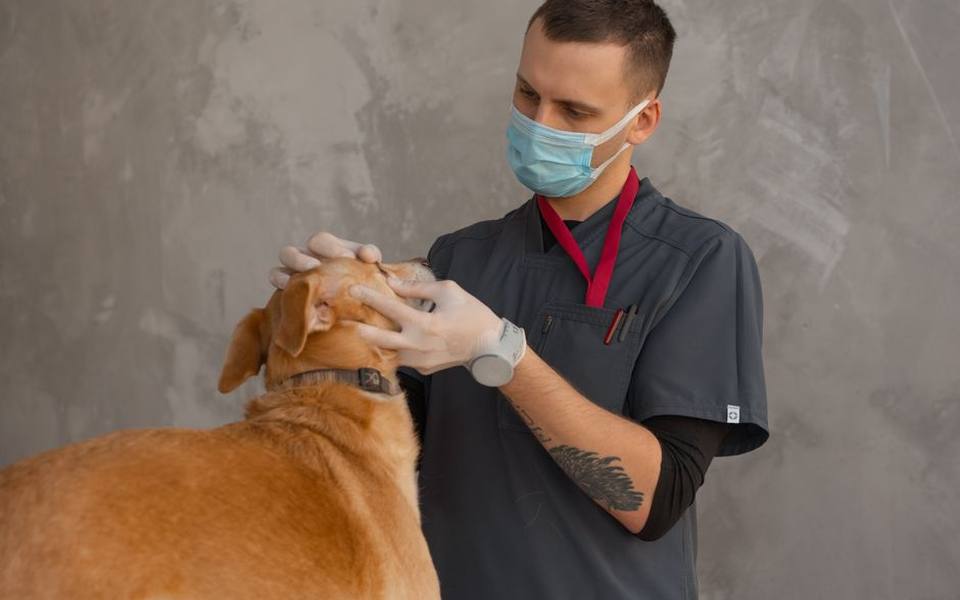
Building a relationship with a qualified clinic should happen within the first couple of weeks after bringing an animal home. Initiating an early wellness baseline allows the practitioner to document your pet's normal weight, standard blood chemistry parameters, fecal flora balance, and general physical condition while healthy. In an emergency, having established medical records on file removes administrative delays and gives the treating team an accurate baseline against which they can assess clinical decline.
Owners often begin their search through regional listings or online directories that document practitioner focus across regional markets. Exploring dedicated directories of exotic pet veterinarians helps you quickly identify clinics that actively accept non-traditional species rather than cold-calling general practices that only treat them on rare occasions. Finding a local provider early ensures you are never forced to navigate complex logistics during a frightening medical crisis.
Understanding Professional Credentials and Species Training
Any licensed veterinarian legally holds the authority to treat any animal species under state practice acts, but legal permission does not equal practical clinical competency. When screening potential caregivers, you should assess whether the doctor has pursued dedicated post-graduate education. In North America, the gold standard for clinical recognition is board certification through the American Board of Veterinary Practitioners, which offers distinct specialty tracks for avian practice, reptile and amphibian practice, and exotic companion mammals.
Achieving board certification requires years of rigorous clinical casework, published research, and passing grueling specialty examinations. While certified diplomates represent the highest tier of dedicated expertise, there are also many exceptionally capable general practitioners who have devoted substantial continuing education hours to non-traditional medicine. These practitioners typically maintain active memberships in specialized groups such as the Association of Exotic Mammal Veterinarians, the Association of Reptilian and Amphibian Veterinarians, or the Association of Avian Veterinarians.
When reviewing a clinic website or speaking with reception staff, look closely at how the practice describes its caseload. A doctor who treats several reptiles and birds every single day will naturally have sharper clinical instincts and superior manual dexterity with delicate patients than a generalist who sees one rabbit every six months. Do not hesitate to ask practice managers what percentage of their weekly patient volume consists of species identical or similar to yours.
Specialized Considerations for Feathered Companions
Caring for an avian patient requires a clinician with deep knowledge of bird anatomy, which differs completely from mammalian biology. Birds possess a complex respiratory system composed of rigid lungs coupled with multiple thin-walled air sacs that extend into their hollow bones. Because birds exchange oxygen during both inhalation and exhalation, they are exceptionally vulnerable to airborne toxins, respiratory irritants, and volatile anesthetic agents that would be harmless to other animals.
A knowledgeable avian veterinarian will handle feathered patients with extreme caution, prioritizing minimal stress and brief physical restraint intervals. Stress alone can trigger fatal cardiac events in frightened finches, cockatiels, or newly acquired parrots. Qualified clinicians know how to towel a bird correctly to avoid compressing the sternum, as birds do not possess a muscular diaphragm and will rapidly suffocate if their chest movement is restricted during an examination.
Diagnostic testing for birds also requires micro-scale medical tools and high-precision clinical equipment. Because a typical pet bird may weigh anywhere from thirty grams to one kilogram, collecting blood requires fine-gauge needles, specialized micro-hematocrit collection tubes, and ultra-gentle venipuncture techniques. A clinic properly outfitted for avian medicine will have temperature-controlled nebulization units and specialized incubators ready to support birds that are struggling with severe hypothermia or systemic shock.
Reptile Medicine and the Need for Husbandry-Focused Care
Reptiles present a distinct clinical puzzle because their internal physiological function is directly tied to their external environment. When seeking an experienced reptile vet for a bearded dragon, gecko, or python, you are hiring someone who must be just as skilled in environmental engineering as they are in internal medicine. The vast majority of reptile illnesses encountered in private practice stem directly from subtle errors in enclosure temperature gradients, improper humidity levels, or lacking ultraviolet lighting.
A thorough practitioner will spend significant time during the first appointment reviewing your enclosure setup in exhaustive detail. They should ask about your primary basking temperatures, cool-side retreats, nighttime temperature drops, and the specific brand, age, and placement of your UVB bulbs. Without correct environmental heat, an ectothermic animal cannot mount an effective immune response, process essential vitamins, or metabolize antibiotics, making clinical treatment ineffective if basic husbandry remains uncorrected.
Handling reptiles also demands specific medical competencies, such as understanding tail autotomy in certain lizards, managing delicate shed skin, and recognizing metabolic bone disease before severe skeletal deformities occur. During an exam, the doctor should inspect the oral cavity for infectious stomatitis, palpate the coelomic cavity for internal impactions or follicular stasis, and evaluate muscle tone. These tactile assessments reveal vital health data that an untrained clinician might overlook entirely.
Mustelid Health and the Complexities of Ferret Medicine
Ferrets may look like small rodents, but they are obligate carnivores with unique metabolic, reproductive, and oncological profiles. Finding a capable ferret veterinarian requires identifying a practitioner who understands the high frequency of complex endocrine disorders in middle-aged and senior mustelids. Conditions like hyperadrenocorticism, insulin-producing pancreatic tumors, and malignant lymphoma are exceptionally common in domestic ferrets and require continuous medical or surgical management.
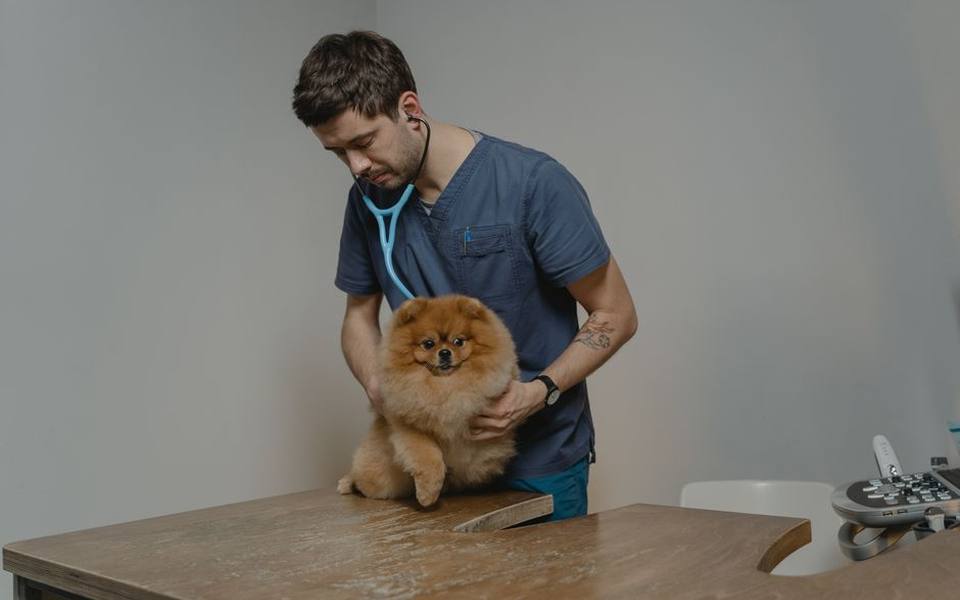
An experienced clinician will recognize the nuanced behavioral indicators of pain or weakness in ferrets, such as subtle hind-limb weakness, pawing at the mouth due to severe nausea, or lethargy caused by acute hypoglycemia. They will also understand safe vaccination protocols, as ferrets are uniquely susceptible to fatal anaphylactic reactions following standard rabies or canine distemper inoculations. Competent practices will routinely premedicate with antihistamines and monitor the animal in the clinic for an extended period following any injection.
Additionally, ferrets are infamous for swallowing rubber items, foam, and small household objects, making foreign body obstructions a common emergency. A clinic providing dedicated small mammal care must be capable of performing delicate gastrointestinal surgeries on slender digestive tracts. Post-operative care requires precise fluid therapy balance and aggressive pain management to prevent dangerous post-surgical gastrointestinal stasis.
Evaluating Hospital Equipment and Facility Design
When touring or evaluating a potential practice, look past the pleasant lobby decor and focus on the medical infrastructure supporting non-traditional species. A standard dog-and-cat facility often lacks the micro-instrumentation required to treat patients weighing less than two pounds. Inquire whether the facility utilizes digital radiography machines with ultra-fine focal spots capable of capturing clear diagnostic skeletal images of a two-inch gecko or a fragile bird wing.
Anesthesia is another critical area where equipment differences directly dictate patient safety. Non-traditional species require specialized non-rebreathing circuits, micro-cuffed or uncuffed endotracheal tubes, and precision vaporizers that deliver accurate micro-doses of modern anesthetic gases like sevoflurane or isoflurane. Furthermore, monitoring equipment must feature Doppler blood pressure flow detectors, micro-pulse oximeters, and capnography sensors calibrated specifically for rapid respiratory rates and miniature cardiac pulses.
The physical layout of the hospital's recovery ward is equally revealing. Sensitive prey animals, such as rabbits, chinchillas, and small lizards, suffer severe neuroendocrine stress when housed within sight, sound, or smell of barking dogs and vocal cats. Exceptional clinics maintain dedicated exotic wards featuring ambient temperature controls, dimmable lighting, and soundproofing to keep recovering patients calm, warm, and shielded from biological predator cues.
Key Screening Questions to Ask Clinic Staff
Before scheduling your first formal appointment, calling the clinic to conduct a quick screening interview can save significant time and money. Ask the customer care team straightforward questions about their standard intake procedures for your exact species. You can ask how frequently their primary exotic doctor treats that specific animal and what routine diagnostic tests they generally recommend during an annual preventative wellness screening.
Another vital inquiry involves their hospital policy regarding after-hours care and overnight patient monitoring. Many daytime practices accept non-traditional species for scheduled outpatient appointments but lack continuous overnight nursing care. If a critically ill pet needs intensive intravenous fluid therapy, injectable medications, or temperature stabilization through the night, you must know whether the animal will remain unmonitored until morning or if the staff transfers patients to a staffed facility.
Finally, discuss their policies regarding surgical pain management, sedation protocols, and in-house diagnostic capabilities. Ask whether they can run basic blood chemistry and fecal parasite evaluations in their on-site laboratory, or if every sample must be shipped out to an external reference center. In urgent situations, waiting two to four business days for external bloodwork results may cause dangerous delays in administering lifesaving treatments.
Navigating After-Hours Emergencies and Specialty Care
Even when you have an outstanding primary clinician, emergencies rarely occur during convenient clinic hours. You must formulate a clear secondary plan for weekend, holiday, and midnight crises. Find out which 24-hour emergency hospital in your regional radius has an experienced non-traditional clinician on call, as emergency centers frequently rotate through relief doctors who may not feel comfortable handling non-mammalian cases.

In some regions, access to specialized care may require driving to a major university veterinary teaching hospital or a large multidisciplinary specialty center. Consulting regional resources and state-by-state veterinary directories helps identify these larger institutional hubs before an urgent situation arises. These university institutions often boast round-the-clock intensive care units, advanced computed tomography scanners, and specialized board-certified teams capable of handling complex soft-tissue surgeries.
Keep your pet's complete medical history, vaccination records, and medication list stored in an easily accessible folder or digital format. If you must rush your pet to an unfamiliar emergency clinician at two in the morning, handing them a clear timeline of recent symptoms, daily enclosure parameters, and past medical treatments gives the attending team the exact context they need to stabilize your animal safely.
Preparing Thoroughly for the First Baseline Exam
A successful veterinary partnership begins with a well-organized first baseline visit. Transporting a non-traditional pet requires careful environmental planning to avoid acute thermal stress or physical trauma during the journey. Small mammals should be secured in sturdy hard-sided carriers lined with familiar fleece bedding, while reptiles generally require insulated transport boxes with monitored heating packs to preserve their core body temperature during travel.
For birds, travel cages should feature secure perches, clean cage paper on the bottom rather than loose substrate, and no loose swinging toys that could strike the bird during a sudden vehicle stop. Bringing along photos or short videos of your home enclosure setup, including thermostat settings, heating lamps, feeding dishes, and substrate choices, provides your veterinarian with immediate, objective insight into the pet's living environment.
Finally, always collect a fresh fecal sample immediately before leaving your home or bring clean droppings from the previous twelve hours. Internal parasites, flagellates, and harmful bacterial overgrowths are widespread in captive reptiles, small mammals, and birds, often producing no visible symptoms in their early stages. A routine fecal flotation and direct smear allow your doctor to address microscopic internal parasites before they undermine your companion's long-term health.
Published 2026-09-21 · reviewed with each rebuild, last September 2026.
Find exotic pet vets near you
The directory lists 3,226 exotic pet vets by state and city — pick your state or use the “Near me” button in the header.
More guides
-
 Owning
What Are Amphibians? A Complete Guide to Amphibians as Exotic Pets
-
 Money
MoneyHow to Find Affordable and Emergency Vet Care for Exotic Pets
-
 Money
MoneyHow Much Does a Parrot Cost? Complete Exotic Bird and Pet Care Price Guide
-
 Owning
Can You Keep a Capybara as a Pet? Legality, Care, and Diet Requirements
-
 Owning
How to Treat and Get Rid of Snake Mites Safely
-
 Owning
Keeping Exotic Mammals: Can You Have a Fennec Fox or Kinkajou as a Pet?
-
 Money
MoneyLow-Cost Rabbit Neutering: What to Expect and How to Find Affordable Care
-
 Owning
What Is an Avian Pet? A Guide to Bird Care and Specialized Veterinary Medicine
-
 Owning
Swim Bladder Disease in Aquarium Fish: Causes, Symptoms, and Treatment
-
Owning
How to Identify and Treat Mites and Skin Parasites in Reptiles, Snakes, and Rabbits
-
Safety
Rabbit GI Stasis Guide: Symptoms, Emergency Care, and Prevention
-
 Owning
Bearded Dragon Health Guide: Brumation, Impaction, Fungus, and Skin Issues
-
 Safety
Hamster Wet Tail Disease: Causes, Symptoms, Treatment, and Prevention
-
 Owning
Clinical Care Guide: Common Illnesses in Ferrets, Pythons, and Rabbits
-
Owning
Sugar Glider Diet and Feeding Guide: BML, TPG, and Nutritional Balance
-
Owning
Bird Grooming Guide: Wing Trimming, Beak Care, and Nail Maintenance
-
 Money
MoneyExotic Pet Insurance and Vet Costs: What Is Covered and Is It Worth It?
-
 Owning
Legal Exotic Pets and Ownership Laws: Permits, Licenses, and State Regulations
-
Owning
Bird Feather Plucking and PBFD: Causes, Symptoms, and Diagnostic Steps
-
 Service
Psittacine Health and Avian Veterinary Care Guide
-
 Service
How to Find and Evaluate Exotic Pet Clinics, Specialists, and Emergency Care
-
 Owning
Clinical Guide to Reptile Shell Disorders, Shedding Complications, and Impaction
-
 Owning
Small Mammal Healthcare: Managing Chronic Illness and Emergencies
-
 Safety
Avian Egg Binding and Yolk Peritonitis: Emergency Care and Clinical Protocols
-
 Owning
Bird Grooming, Wing Maintenance, and Early Illness Signs
-
 Service
Backyard Poultry and Waterfowl Veterinary Care Guide
-
 Buying
Exotic Pet Ownership: Legal Rules, Realistic Costs, and Beginner Options
-
 Service
Aquatic Medicine: Treating Swim Bladder and Fish Infections
-
 Money
MoneyRabbit Spay, Neuter, and Vaccination Costs: Complete Veterinary Guide
-
 Owning
Understanding Amphibians: Characteristics, Classification, and Pet Care Basics
-
 Owning
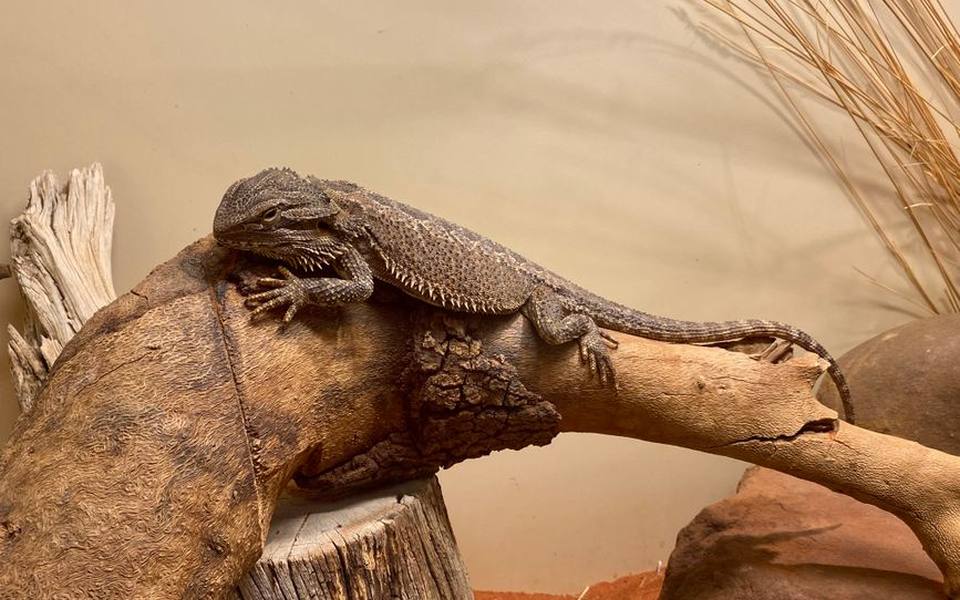
Bearded Dragon Brumation and Metabolic Bone Disease: Signs, Causes, and Care
-
 Buying
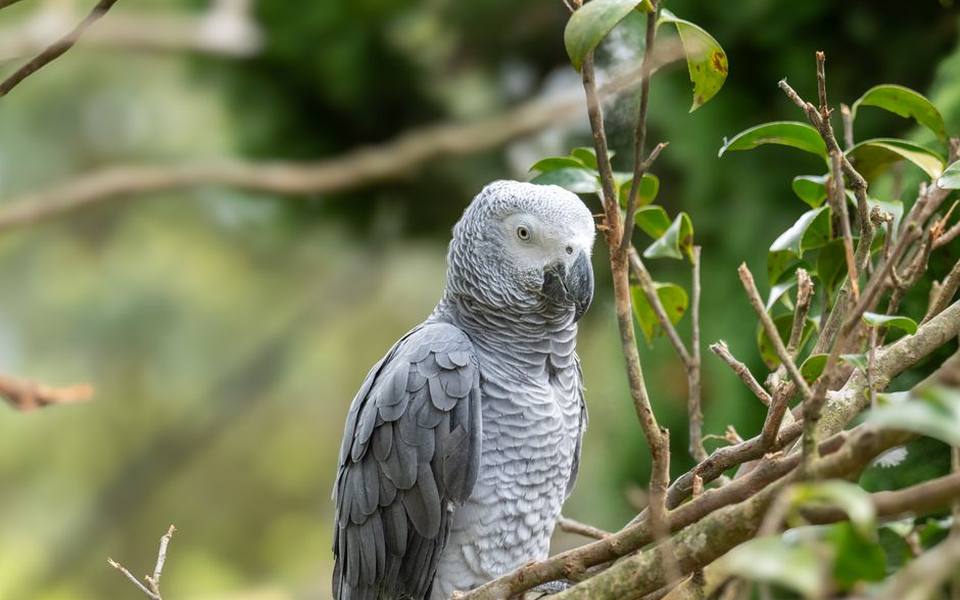
Parrot Ownership Guide: Prices, Types, and Avian Basics
-
 Owning
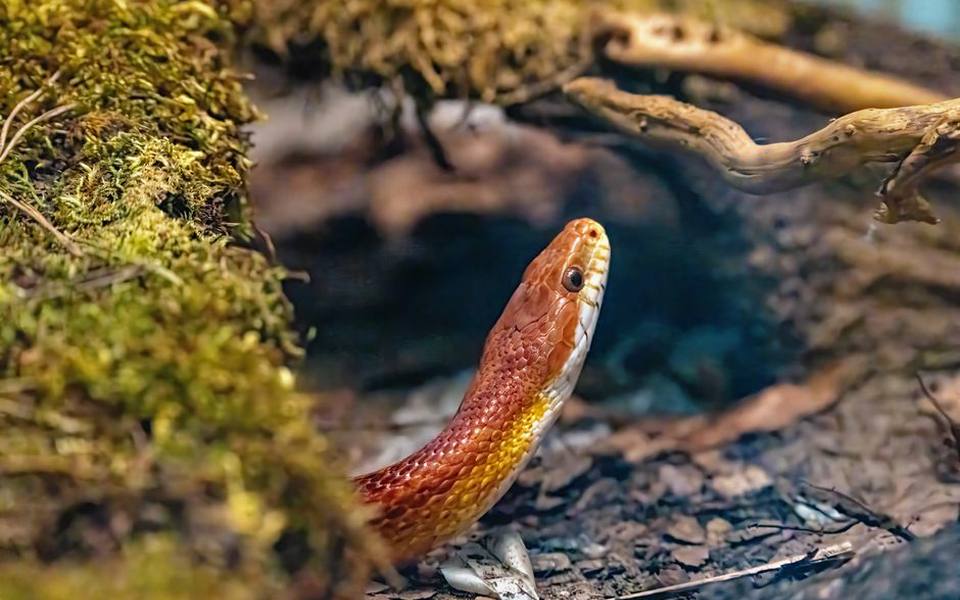
Complete Guide to Snake Mite Treatment: Products, Safe Sprays, and Vet Care
-
 Money
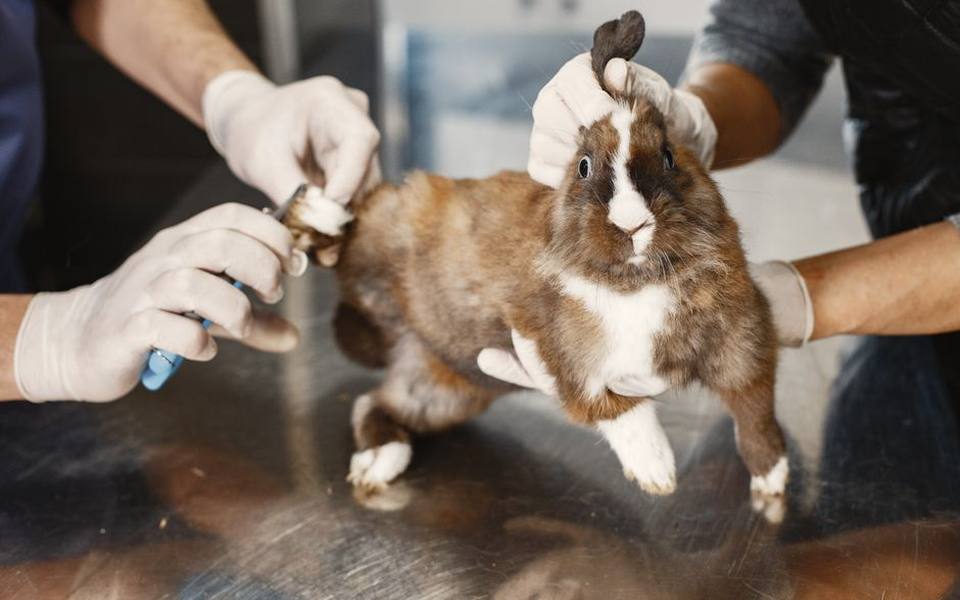
MoneyRabbit Spay and Neuter Costs: Vaccinations and Low-Cost Vet Options
-
 Owning
What Are Amphibians? Traits, Classification, and Pet Care Basics
-
 Owning
How to Get an Exotic Pet License: Legal Permits and Animal Ownership Laws
-
 Owning
Reptile Health Guide: Bearded Dragon Brumation, Metabolic Bone Disease, and Snake Mite Control
-
 Money
MoneyRabbit Spay, Neuter, and Vaccination Costs: Low-Cost Vet Guide
-
 Money
MoneyHow Much Does an Exotic Vet Cost? Emergency, Routine, and In-Home Care Guide