The Real Baseline Cost of Altering a Pet Rabbit
In most veterinary practices across the United States, altering a domestic rabbit typically costs between $150 and $650, depending on biological sex, regional overhead, and clinic infrastructure. Male castration usually sits on the lower end of that financial spectrum, commonly running from $150 to $400. In contrast, spaying a female rabbit requires complex intra-abdominal surgery, which routinely pushes invoices between $250 and $650 or higher at private specialty hospitals.
Unlike canine and feline procedures, small mammal surgery requires distinct instrumentation, specialized micro-monitoring equipment, and exotic animal anesthesiology training. Many general pet clinics do not handle lagomorphs due to their delicate respiratory systems and high sensitivity to stress. Consequently, owners typically need to schedule procedures through experienced Rabbit & Small Mammal Vets who possess the specialized knowledge required to safeguard rabbit survival before, during, and after surgical interventions.
An itemized quote from a clinic usually includes several distinct line items rather than a flat service fee. A complete billing estimate generally covers the pre-anesthetic physical assessment, surgical induction, isoflurane or sevoflurane gas maintenance, fluid therapy, post-operative analgesic medications, and follow-up suture evaluations. When gathering preliminary estimates, rabbit guardians must ensure they are receiving an all-inclusive projection rather than a deceptive base surgical fee that leaves out essential supportive treatments.
Why Female Rabbit Spays Demand a Substantial Investment
The procedural cost for spaying a female rabbit is almost always higher than neutering a male because of the anatomical complexity involved. An ovariohysterectomy requires entering the abdominal cavity, carefully isolating deep reproductive organs, and ligating fragile uterine blood vessels surrounded by friable fat tissue. The uterine walls of a doe are exceptionally thin and vascular, demanding exceptional precision from the surgeon to prevent internal hemorrhage during excision.
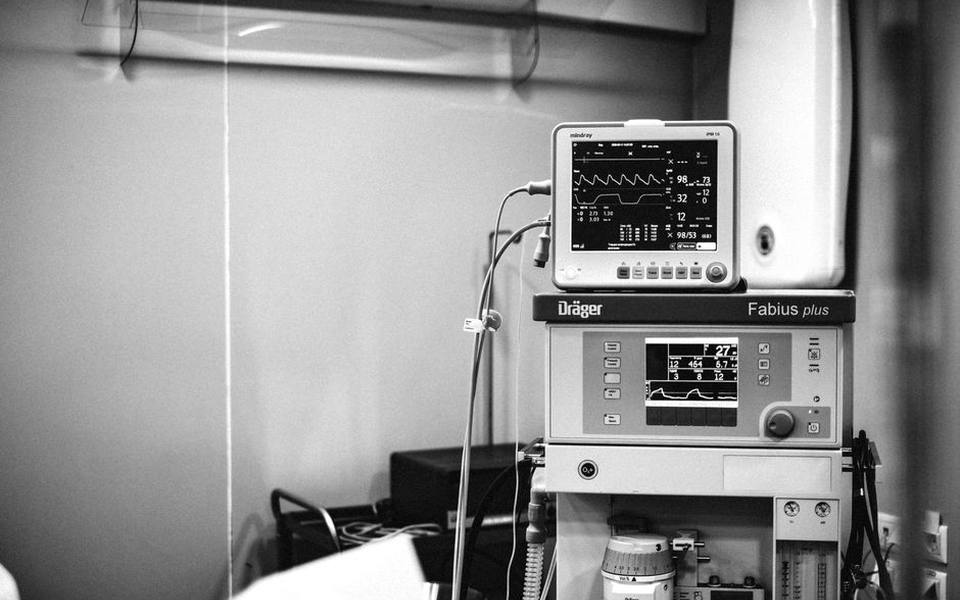
Anesthesia time is naturally prolonged during an invasive abdominal procedure compared to a routine external castration. Prolonged surgical time requires dedicated monitoring by a trained technician who continuously measures pulse oximetry, heart rate, capnography, and core temperature. Because rabbits lose body heat rapidly under general anesthesia, exotic operating suites utilize specialized circulating warm-water blankets or forced-air warming systems, all of which contribute to clinic equipment investments and overall invoice totals.
Despite the higher expense, spaying offers a profound medical return on investment by practically eliminating the threat of uterine adenocarcinoma. In unspayed domestic does over four years of age, reproductive cancer rates can exceed sixty to eighty percent depending on genetic background. Spending money on an early ovariohysterectomy around six months of age ultimately prevents catastrophic oncological treatments and emergency reproductive infections such as pyometra down the road.
Evaluating the Expenses Involved in Neutering a Male Bunny
Castrating a male rabbit is anatomically straightforward compared to doe surgery, yet it remains significantly more demanding than neutering a male cat or dog. In rabbits, the inguinal canals remain open throughout adult life, meaning the testicles can retract deep into the abdomen when the animal feels frightened or cold. A qualified surgeon must use a closed or semi-closed technique to properly seal these rings, preventing future herniation of abdominal fat or intestines.
Because male surgery rarely requires invading the main peritoneal cavity, procedural times are significantly shorter, which directly lowers the cost of anesthetic gases and monitoring labor. In most regions, a routine buck castration takes approximately twenty to thirty minutes of surgical time, allowing for a quicker recovery period and reduced surgical supply usage. Owners can expect the surgical portion of the bill to reflect this decreased time in the operating room.
Neutering also eliminates severe behavioral challenges that frequently prompt frustrated guardians to rehome their pets. Intact male rabbits often exhibit persistent urine spraying, territorial chinning, destructive chewing, and hormone-driven mounting behaviors. Investing in early castration around four to five months of age curtails these instinctive actions, protects household furniture from corrosive urine marking, and facilitates peaceful bonding with companion rabbits.
Pre-Operative Bloodwork and Initial Health Exam Requirements
Before any surgical booking takes place, reputable veterinary practices require an initial physical examination and baseline bloodwork panel. An intake consultation generally costs between $60 and $130, during which the veterinarian evaluates heart rhythms, lung sounds, dental condition, and abdominal organ palpation. This visit establishes whether the rabbit is medically fit to undergo general anesthesia or if underlying issues, such as pasturellosis or subclinical gut hypomotility, must be addressed first.
Comprehensive blood testing—including a complete blood count and biochemical profile—typically adds between $120 and $250 to the pre-operative invoice. These tests evaluate liver enzymes and kidney parameters, which indicate how efficiently the animal can metabolize and clear anesthetic drugs from its bloodstream. While some clinics make pre-surgical screening optional for very young animals, skipping it introduces avoidable risk in species known for hiding congenital organ compromises.
When consulting with Exotic Pet Veterinarians and Specialist Clinics, you may also see recommendations for baseline fecal diagnostics to rule out internal parasites like coccidia. Parasitic loads weaken an animal's immune response and disrupt nutrient absorption, making smooth surgical healing far more difficult. Incorporating thorough diagnostic steps into your financial planning ensures your rabbit transitions safely into and out of deep surgical sedation.
Rabbit Hemorrhagic Disease Vaccinations and Preventative Invoices
Modern rabbit care budgets must account for preventative vaccinations, specifically against Rabbit Hemorrhagic Disease Virus Serotype 2 (RHDV2). This highly contagious, extremely resilient calicivirus causes liver necrosis, internal bleeding, and sudden death in both domestic and wild lagomorph populations. In areas where the virus has established endemic footholds, receiving an annual vaccination has quickly shifted from an optional consideration to an urgent standard of care.
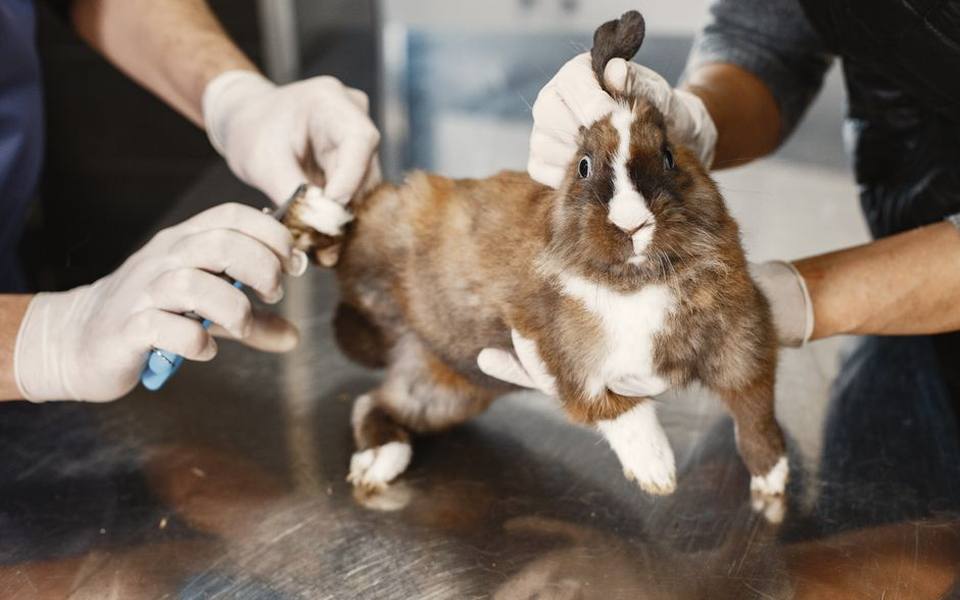
The RHDV2 vaccine typically costs between $35 and $85 per dose, though initial protection requires two doses spaced three to four weeks apart for unimmunized kits and adult rabbits. When scheduling these shots, owners must also factor in the accompanying office visit fee, which is often charged per appointment unless the clinic hosts group vaccination clinics. Subsequent annual boosters generally require only a single dose alongside an annual physical exam.
Many veterinarians recommend completing the full vaccination cycle several weeks prior to elective surgeries like spays or neuters. Undergoing an elective procedure temporarily stresses the immune system, and scheduling vaccinations in advance ensures high circulating antibody levels during the vulnerable recovery period. When contacting regional providers, always ask whether the RHDV2 vaccine is kept in regular stock, as inventory depends on state regulatory permissions and regional distribution chains.
Factoring in Essential Post-Operative Pain Medications
A critical mistake some pet owners make when comparing estimates is ignoring post-operative medication fees, which typically add $30 to $90 to the final bill. Rabbits are exceptionally sensitive to visceral pain; unmanaged discomfort triggers intense stress that can rapidly induce life-threatening gastrointestinal stasis. Any reputable exotic surgeon will insist on dispensing multi-day courses of oral analgesics—most commonly meloxicam—to keep the rabbit comfortable at home.
In addition to non-steroidal anti-inflammatory drugs, some surgical patients require gut motility agents such as cisapride or metoclopramide if their digestive tract slows during recovery. Clinics often provide a small supply of syringe-feeding critical care formula and specialized feeding syringes in the take-home package. These supplies ensure that guardians can provide immediate caloric and fiber support if the recovering rabbit hesitates to consume its normal hay diet.
Never decline prescribed pain medication to lower the final surgical invoice. Withholding analgesia does not merely cause unnecessary suffering; it dramatically increases the likelihood of secondary medical emergencies that require costly hospitalization. Providing consistent pain relief for four to seven days post-op ensures your pet continues drinking water, eating fibrous roughage, and passing consistent fecal pellets throughout the delicate incision-healing timeframe.
Regional Price Fluctuations Across Different States
Geographic location plays a substantial role in determining what you will pay for small animal surgical services. Metropolitan areas with high commercial rents, elevated staffing payrolls, and dense living costs consistently generate higher veterinary invoices than rural communities. For instance, booking a rabbit spay in dense coastal hubs like New York City or San Francisco routinely costs two to three times more than having the identical procedure performed in a semi-rural Midwestern county.
Examining specific regional practices illustrates this divergence clearly. In western regions, working with Exotic Pet Vets in California often entails comprehensive surgical package prices ranging from $350 to over $700 due to overhead expenses. Conversely, owners locating care through Exotic Pet Vets in Texas may find routine male neutering options priced closer to $175 to $350 in mid-sized suburban corridors where operating overhead remains relatively moderate.
Because price points fluctuate broadly between adjoining municipal lines, calling several clinics within a one-hour driving radius is a sensible financial strategy. A short drive into an adjacent county can sometimes save an owner over a hundred dollars on elective surgical procedures. However, travel distances must be balanced carefully against patient welfare, as extended car rides produce physiological stress that may complicate recovery for anxious lagomorphs.
Uncovering Low-Cost Rabbit Spay and Neuter Programs
Pet owners on tight budgets can often secure low-cost surgery vouchers through nonprofit rabbit rescue organizations, municipal humane societies, and specialized spay-neuter alliances. These progressive programs commonly subsidize small mammal procedures, bringing the out-of-pocket cost down to between $50 and $150. Finding these opportunities typically requires browsing local shelter resources, contacting regional rabbit rescue chapters, and applying well in advance of desired surgical dates.

Subsidized clinics manage to keep fees exceptionally modest through donor funding, bulk supply acquisitions, and targeted community grants rather than by cutting vital medical corners. However, availability is notoriously competitive; low-cost programs frequently maintain multi-month waiting lists or release appointment slots in rapid lottery batches on specific mornings. Planning several months ahead of your rabbit reaching reproductive maturity is essential if you intend to rely on nonprofit alternatives.
When exploring our broad directory of exotic pet veterinarians across all states, ask local rescues which clinics they partner with for foster animal vetting. Even when private specialty hospitals do not advertise sliding-scale fees publicly, some maintain dedicated benevolent funds or partner with non-profit groups to offer discounted vouchers during veterinary awareness months or quiet seasonal windows.
Crucial Questions to Ask Before Scheduling Any Procedure
Not every veterinary hospital that accepts rabbits as patients possesses high-level exotic surgical competency. Before paying a non-refundable deposit or booking your rabbit for general anesthesia, you should contact the clinic and pose specific procedural questions. Clarifying their operational protocols protects your pet from outdated veterinary practices that may carry disproportionate mortality risks for delicate companion lagomorphs.
First, verify their pre-surgical fasting instructions; any clinic advising you to withhold food or water overnight should be avoided entirely. Unlike carnivores, rabbits have a specialized digestive tract that requires continuous fibrous intake, and fasting triggers dangerous gut shutdown. Second, inquire about their intubation methods, dedicated surgical technician staffing, and whether they maintain constant active thermal support to prevent intraoperative hypothermia.
Third, ask how many rabbit surgeries the practicing doctor performs every month and what specific pain management protocols are sent home with the patient. A practitioner who views post-operative analgesia as optional or who rarely handles small mammals should be bypassed in favor of an experienced professional. Paying slightly more at a facility that adheres to modern exotic animal guidelines is far safer than seeking the lowest price at an inexperienced practice.
Preparing Financially for Emergency Post-Surgical Complications
Even when surgery proceeds flawlessly, the post-operative recovery phase carries inherent biological risks that may require unplanned expenditures. Rabbits are prone to chewing at absorbable sutures or developing surgical site seromas if they become overly active too quickly. If an incision dehisces or becomes inflamed, an unexpected revision visit and secondary antibiotic course can add $75 to $200 to your total care costs.
The most critical financial and medical threat following surgery is sudden gastrointestinal stasis triggered by surgical stress, hospital handling, or lingering anesthetic grogginess. If a rabbit refuses to eat or produce fecal droppings for twelve consecutive hours following discharge, emergency veterinary hospitalization may become mandatory. Intensive medical therapy involving subcutaneous fluids, nasogastric feeding, and round-the-clock monitoring can cost anywhere from $300 to over $1,000 depending on the length of stay.
To mitigate unexpected stress, responsible owners maintain an emergency veterinary reserve fund of at least $500 before scheduling elective altering procedures. Establishing a dedicated pet savings account or applying for veterinary financing credit lines provides essential peace of mind. Having financial reserves ensures that if your rabbit encounters unexpected recovery hurdles, you can immediately authorize life-saving medical care without hesitation.
Published 2026-09-21 · reviewed with each rebuild, last September 2026.
Find exotic pet vets near you
The directory lists 3,226 exotic pet vets by state and city — pick your state or use the “Near me” button in the header.
More guides
-
 Owning
What Are Amphibians? A Complete Guide to Amphibians as Exotic Pets
-
 Money
MoneyHow to Find Affordable and Emergency Vet Care for Exotic Pets
-
 Money
MoneyHow Much Does a Parrot Cost? Complete Exotic Bird and Pet Care Price Guide
-
 Owning
Can You Keep a Capybara as a Pet? Legality, Care, and Diet Requirements
-
 Owning
How to Treat and Get Rid of Snake Mites Safely
-
 Owning
Keeping Exotic Mammals: Can You Have a Fennec Fox or Kinkajou as a Pet?
-
 Money
MoneyLow-Cost Rabbit Neutering: What to Expect and How to Find Affordable Care
-
 Owning
What Is an Avian Pet? A Guide to Bird Care and Specialized Veterinary Medicine
-
 Service
How to Find and Choose the Right Exotic Pet Veterinarian
-
 Owning
Swim Bladder Disease in Aquarium Fish: Causes, Symptoms, and Treatment
-
Owning
How to Identify and Treat Mites and Skin Parasites in Reptiles, Snakes, and Rabbits
-
Safety
Rabbit GI Stasis Guide: Symptoms, Emergency Care, and Prevention
-
 Owning
Bearded Dragon Health Guide: Brumation, Impaction, Fungus, and Skin Issues
-
 Safety
Hamster Wet Tail Disease: Causes, Symptoms, Treatment, and Prevention
-
 Owning
Clinical Care Guide: Common Illnesses in Ferrets, Pythons, and Rabbits
-
Owning
Sugar Glider Diet and Feeding Guide: BML, TPG, and Nutritional Balance
-
Owning
Bird Grooming Guide: Wing Trimming, Beak Care, and Nail Maintenance
-
 Money
MoneyExotic Pet Insurance and Vet Costs: What Is Covered and Is It Worth It?
-
 Owning
Legal Exotic Pets and Ownership Laws: Permits, Licenses, and State Regulations
-
Owning
Bird Feather Plucking and PBFD: Causes, Symptoms, and Diagnostic Steps
-
 Service
Psittacine Health and Avian Veterinary Care Guide
-
 Service
How to Find and Evaluate Exotic Pet Clinics, Specialists, and Emergency Care
-
 Owning
Clinical Guide to Reptile Shell Disorders, Shedding Complications, and Impaction
-
 Owning
Small Mammal Healthcare: Managing Chronic Illness and Emergencies
-
 Safety
Avian Egg Binding and Yolk Peritonitis: Emergency Care and Clinical Protocols
-
 Owning
Bird Grooming, Wing Maintenance, and Early Illness Signs
-
 Service
Backyard Poultry and Waterfowl Veterinary Care Guide
-
 Buying
Exotic Pet Ownership: Legal Rules, Realistic Costs, and Beginner Options
-
 Service
Aquatic Medicine: Treating Swim Bladder and Fish Infections
-
 Money
MoneyRabbit Spay, Neuter, and Vaccination Costs: Complete Veterinary Guide
-
 Owning
Understanding Amphibians: Characteristics, Classification, and Pet Care Basics
-
 Owning
Bearded Dragon Brumation and Metabolic Bone Disease: Signs, Causes, and Care
-
 Buying
Parrot Ownership Guide: Prices, Types, and Avian Basics
-
 Owning
Complete Guide to Snake Mite Treatment: Products, Safe Sprays, and Vet Care
-
 Owning
What Are Amphibians? Traits, Classification, and Pet Care Basics
-
 Owning
How to Get an Exotic Pet License: Legal Permits and Animal Ownership Laws
-
 Owning
Reptile Health Guide: Bearded Dragon Brumation, Metabolic Bone Disease, and Snake Mite Control
-
 Money
MoneyRabbit Spay, Neuter, and Vaccination Costs: Low-Cost Vet Guide
-
 Money
MoneyHow Much Does an Exotic Vet Cost? Emergency, Routine, and In-Home Care Guide